
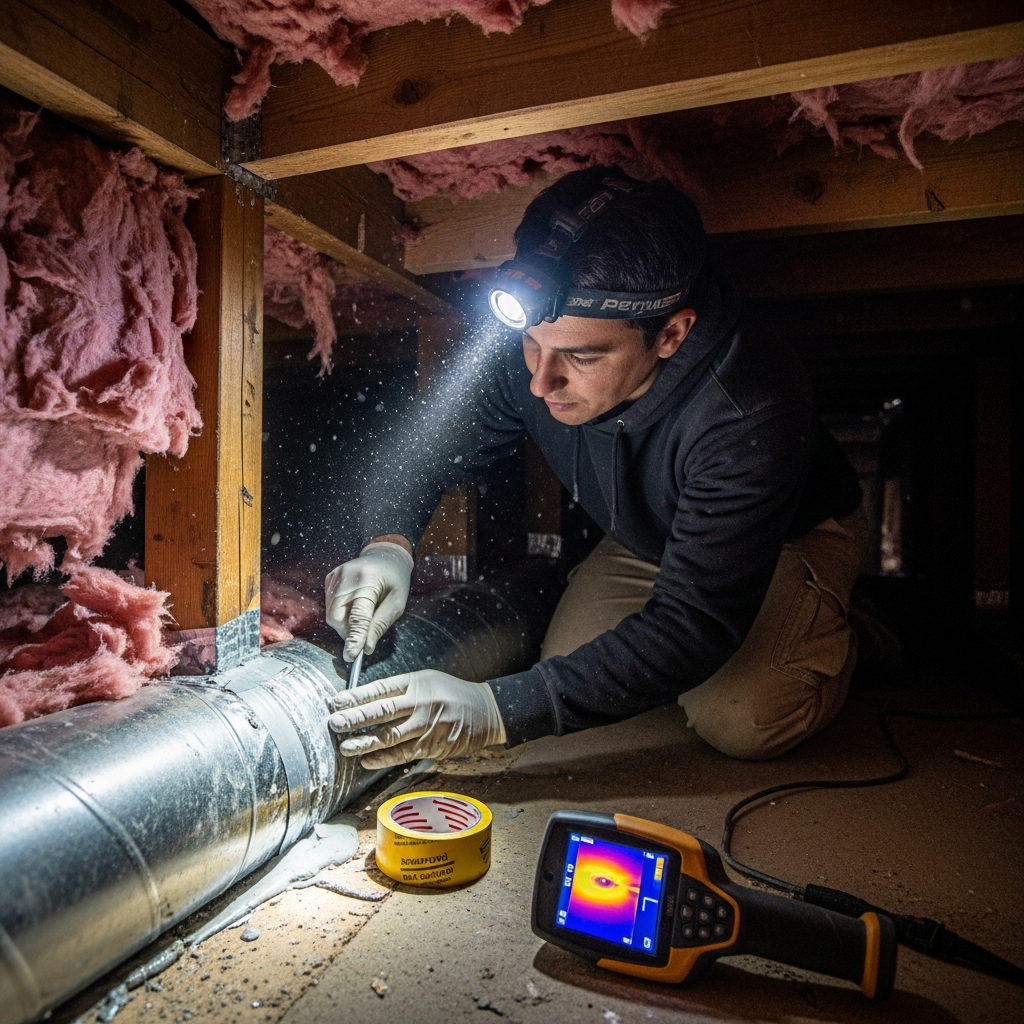
Leaky ducts are a quiet culprit. They hide in attics and crawlspaces, stealing comfort room by room, raising runtimes, and stirring up dust that never seems to settle. In Beverly Hills, where architectural character meets modern expectations for comfort, a leaky system undermines both. The telltale signs—a bedroom that never quite cools, a hallway return that hisses, dust near registers, and a system that cycles more often than it should—invite a closer look. Understanding what these clues mean and how a well-planned replacement solves them gives homeowners a practical roadmap to a calmer, cleaner, more efficient home. If you are beginning to explore the fundamentals of duct replacement, the right overview can help you recognize causes and solutions more clearly, speeding your path to reliable comfort.
Recognizing the Symptoms Before They Escalate
Comfort is the first messenger. Rooms at the far ends of a trunk that never match the thermostat, doors that swing when the air handler starts, and persistent drafts are all red flags. Energy bills may surprise you seasonally, but in leaky systems the more immediate hint is how the home feels: uneven, a bit louder than it should be, and dustier. Touchpoints like these warrant a professional assessment, especially in homes with layered renovations where duct paths may have been compromised by past work. The goal of the assessment is to separate normal quirks of an older home from true system inefficiencies.
Another sign is air quality. If you notice dust accumulation near supply registers soon after cleaning, it can indicate that the system is drawing in attic or crawlspace air through leaks. In extreme cases, you might even smell the attic on hot afternoons—an unmistakable signal that air is moving where it shouldn’t. Listening helps too: whistling at grilles, fluttering sounds in runs, or rattling where trunks meet plenums all suggest issues with sealing, support, or transitions.
Why Leaks Form—and Why They Persist
Leaks arise from a mix of time, materials, and installation practices. Seams that were taped years ago can loosen with heat cycling. Flex ducts can sag if not properly supported at regular intervals, creating low points that stress connections. Rushed additions or remodels may have introduced sharp bends or narrow transitions that increase pressure, pushing air through the smallest gaps. Metal expands and contracts; insulation can degrade; even wildlife can compromise accessible sections in crawlspaces if barriers are not intact. Once a system leaks, it tends to get worse because higher pressures around restrictions force even more air through weak points.
Testing: From Guesswork to Clarity
Modern assessment removes much of the guesswork. Duct leakage testing quantifies how much air the system loses. Static pressure measurements reveal whether returns are undersized or if restrictive transitions are throttling flow. Room-by-room airflow checks indicate whether certain branches are underdelivering. Thermal imaging and smoke tests can visualize leakage paths. These measurements guide the decision between targeted sealing and full or partial replacement, and they inform the design of a new layout that eases airflow rather than fighting it.
Repair or Replace? Setting a Sensible Threshold
Sealing and targeted improvements can offer meaningful gains when leakage is modest and the overall layout is sound. However, if ducts are deteriorated, poorly routed, or wildly undersized, replacement becomes a cleaner, more durable fix. In Beverly Hills homes, where access can be challenging and aesthetics matter, a replacement plan often aims to minimize disruption while correcting systemic flaws, such as adding an additional return to reduce pressure, straightening restrictive paths, and selecting register styles that calm airflow noise.
Designing the New System: Smooth Paths, Quiet Results
A successful replacement reads the house like a map. Long-radius fittings reduce turbulence. Supports are placed at proper intervals to prevent sagging. Transitions are gentle and well-sealed, with mastic and fasteners suited to material types. Where feasible, trunks are positioned to avoid hot attic zones or are insulated appropriately to maintain supply temperatures. Supplies and returns are sized to work together, and balancing dampers are accessible so final commissioning can refine airflow to each room. The promise of the design is a home that feels even and quiet, with fewer dust concerns and shorter, more effective cooling and heating cycles.
Materials and Methods for Long-Term Performance
Flex, metal, and ductboard each have a place in a thoughtful design. Flex, when stretched and supported correctly, delivers quiet performance in short runs and tight spaces. Metal is durable for longer paths and can handle cleaning and inspection well. Ductboard can serve efficiently in trunks where geometry allows straight, insulated sections. Regardless of material, success depends on sealing. Tapes rated for duct use and mastic applied to all joints and seams provide the airtightness that testing will later confirm. Insulation wrap is installed cleanly, with vapor barriers intact and seams sealed to prevent condensation risks.
Title 24, Permits, and Verification
California’s energy code sets expectations for leakage and insulation. Beverly Hills permitting and inspections verify that the work meets those standards and follows manufacturer instructions. For homeowners, these steps translate into confidence. After installation, tests confirm that goals for leakage and airflow have been met. It is one thing to feel the difference; it is another to see the measurements that explain why the home now feels calmer, cleaner, and more consistent.
Indoor Air Quality: The Hidden Win
When leaks are eliminated and returns support proper filtration, air quality improves. The home stops pulling dusty air from unconditioned spaces. Filters work more effectively because the system can draw through them without excessive pressure. For families with sensitivities, this shift can be dramatic. Even for those without allergies, the reduction in dust and the overall cleanliness of the airflow feels like a lift you notice in the first week.
Living With the Upgrade
After replacement, homeowners often remark first on quiet. The tonal character of the system changes; that rush of sound at startup softens. Rooms that lagged come into line with thermostat settings. Doors no longer move with pressure changes. Dusting becomes a less frequent chore. Maintenance remains simple: timely filter changes, keeping registers clear, and periodic checks of accessible connections. If balancing damper positions were documented, retaining those records helps preserve the commissioning results.
The Middle Question: How Does Design Translate to Everyday Comfort?
The difference shows up in routines. Morning coffee in a kitchen that once overheated feels relaxed. A guest room that used to cool slowly becomes as inviting as the rest of the house. Movie nights do not compete with a hiss. This is the real promise of a methodical project: comfort so even that it becomes unremarkable, backed by test results you can keep on file. As you compare options for addressing leakage, a concise primer on duct replacement can sharpen your eye for the design choices that yield these lived-in benefits.
Choosing the Right Partner
Experience shows in planning as much as in installation. Look for professionals who ask detailed questions about problem rooms, who measure, and who explain how proposed changes will address the issues you describe. Respect for finishes, coordination with any needed patching or painting, and a clean jobsite are part of the package. The best partners leave behind not just a quieter, more comfortable home but also documentation that charts how the system performs and what to watch for over time.
FAQs
What are the most common signs of leaky ducts?
Uneven temperatures across rooms, dust accumulation near registers, whistling or hissing sounds, longer equipment runtimes, and doors moving when the system starts are all common indicators. A professional assessment can confirm leakage and locate its sources.
Can sealing alone fix my problems?
Sometimes. If the layout is fundamentally sound and leakage is modest, targeted sealing, added supports, and small reroutes can make a noticeable difference. If ducts are undersized, deteriorated, or poorly routed, replacement is typically the better long-term solution.
How is leakage measured?
Technicians use specialized equipment to pressurize the duct system and measure how much air escapes. The results are compared to standards and inform whether sealing or replacement is the most effective path forward.
Will new ductwork really improve air quality?
Yes. Sealed ducts prevent the system from pulling in dusty attic or crawlspace air. When returns support proper filtration, the entire home benefits from cleaner air and reduced dust.
What should I expect during replacement?
Expect careful protection of your home, clear communication about access, and a sequence that moves from removal to installation to testing and balancing. The best teams keep disruption low and cleanliness high, with a final walkthrough and documentation.
Is zoning helpful when addressing leaky systems?
Zoning is not a cure for leakage, but in a replacement project it can be part of a comprehensive strategy to control comfort across floors or wings. The priority is airtight ducts and balanced airflow; zoning then fine-tunes control where it offers real benefits.
How quickly will I notice a difference?
Often immediately. Quieter operation and more even temperatures are among the first things homeowners comment on. Dust reduction becomes apparent within the first weeks as the system stops pulling unconditioned air from attics or crawlspaces.
What maintenance keeps the system performing?
On-time filter changes, unobstructed registers, and occasional checks of accessible connections are simple but effective habits. If balancing was performed, keeping a record of damper positions preserves the gains realized during commissioning.
If you are ready to turn the page on drafts, noise, and dust, begin a conversation with a local team that approaches comfort as a measurable, repeatable result. Take the first step today and explore a proven plan for duct replacement that restores quiet confidence to your Beverly Hills home.