
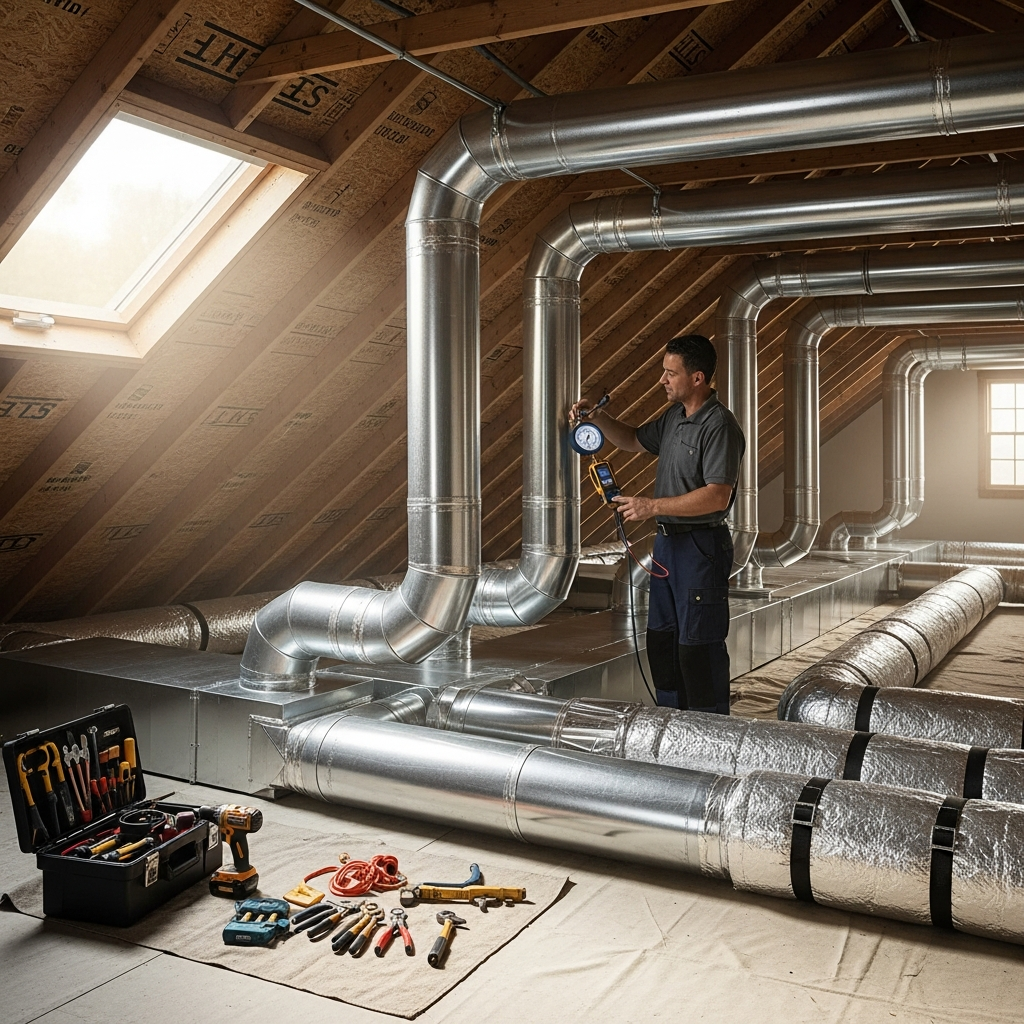
High efficiency in Beverly Hills homes is more than a number on equipment literature; it is the sensation of steady, quiet comfort that flows from a well-designed distribution system. Even the most advanced HVAC unit will underperform if the ducts that carry its air are leaky, undersized, or poorly routed. When homeowners set their sights on efficiency, they quickly discover that duct replacement is not a side note—it is the stage on which efficient equipment performs. If you are just starting to explore the essentials of duct replacement, you will find that marrying design, materials, and commissioning is what turns theoretical efficiency into daily, lived-in savings and comfort.
Efficiency Starts With Airflow
HVAC units are calibrated to move a specific volume of air. When returns are too small or supply paths are convoluted, the system strains against high static pressure. That strain shows up as noise, temperature swings, and longer runtimes. A high-efficiency system cannot reach its potential if the ductwork prevents it from breathing. Replacement is the opportunity to right-size trunks and branches, add or resize returns, and smooth transitions so air glides, not fights, through the network. The result is an air handler that operates in its sweet spot—quietly and reliably—delivering even temperatures throughout the home.
In Beverly Hills, architecture places unique demands on airflow. Vaulted ceilings, expansive glass, and open-plan spaces all shape load. A thoughtful design reads these cues and distributes air accordingly, placing supplies to wash window walls, balancing upstairs and downstairs demands, and positioning returns to capture air where it naturally gathers. Efficiency is not just fewer kilowatt-hours; it is a home that stops overworking in the afternoon and recovering at night—a home that coasts.
Sealing the Envelope Inside the Envelope
We often think of insulation and weatherization at the building perimeter, but ducts are their own envelope inside your home. When they leak in unconditioned attics or crawlspaces, energy slips away. Replacement emphasizes airtightness: mastic at joints, approved tapes for seams, properly fastened fittings, and insulation with intact vapor barriers. After installation, leakage testing verifies the result. This is the kind of verification that turns a promise of efficiency into a performance you can measure.
Material Choices and Their Efficiency Implications
Material selection is not an aesthetic choice; it shapes airflow, noise, and cleanability. Flex can be quiet and space-efficient when stretched properly and supported at the right intervals. Metal excels in longer runs where rigidity helps maintain cross-sectional area. Ductboard can serve effectively in trunks with straight paths, providing integrated insulation. In each case, transitions, supports, and sealing define performance as much as the material itself. Long-radius elbows reduce turbulence; smooth takeoffs preserve velocity and pressure; proper strapping prevents sags that gather dust and slow air.
Title 24, Inspections, and Measured Results
California’s Title 24 standards are designed to push systems toward better performance. In Beverly Hills, permitted projects receive inspections that confirm materials and methods. Post-install testing—duct leakage verification, static pressure checks, and airflow measurements—provides the accountability that high-efficiency claims deserve. When you see the before-and-after numbers, you can link the quiet calm of the home to actual improvements in how air moves and how little is lost along the way.
Balancing and Zoning: Efficiency You Can Feel
Efficiency is undermined when one part of the home is over-served and another is starved. Balancing damsers allow fine-tuning after replacement so each room receives the air it needs. In multi-level homes, zoning can focus conditioning where it is needed most, provided it is designed around duct capacity and equipment staging. The goal is to keep the system operating within its ideal range rather than swinging from high to low output to chase comfort around the house.
Indoor Air Quality and Efficiency Go Hand in Hand
A system that breathes easily can use better filtration without choking airflow. Returns that are sized correctly reduce noise and allow filters to capture more particulates. When leaks are eliminated, the home stops pulling dusty attic air into the supply stream, which not only improves health and cleanliness but also reduces the extra load that particulates can place on coils and blowers. A clean system is an efficient one.
Designing for Beverly Hills Architecture
Our local homes demand design sensitivity. Large glass areas with afternoon sun, bedrooms arranged on separate wings, and open staircases all shape duct strategies. Supplies might be aimed to cut off afternoon heat gain along a window wall; returns might be placed to aid convection patterns up a stairwell. Register style influences throw and noise; the right grille in the right place can make the difference between a room that feels drafty and one that feels serene. These design moves, taken together, are where efficiency translates into comfort you can perceive.
Installation Practices That Protect Performance
Clean installation is more than jobsite etiquette; it protects performance. Careful routing to avoid compression, supports placed at the correct intervals, clean seals before insulation goes on—these are the habits that keep a new system performing like new. Photographs before insulation, marked damper positions after balancing, and a final map of duct sizes and runs all contribute to long-term reliability. If future work ever touches the system, these documents preserve the design intent.
What Homeowners Notice First After Replacement
Quiet is usually the first impression. Air that used to rush now arrives with a measured calm. Thermostat setpoints are met without the drama of swings. The far bedroom that once lagged is suddenly in step with the rest of the home. Dusting becomes less frequent. The equipment seems to fade into the background of daily life, which is one of the best signals that your efficiency goals have been met in practice, not just theory.
Midstream Reflection: Choosing Priorities
As you compare options, it helps to be clear about what you value most: quiet, even temperatures, air quality, or readiness for future equipment upgrades. Many homeowners find that a primer on duct replacement concepts gives them the vocabulary to ask sharper questions and ensure proposals address those priorities. When a contractor can show how a specific design change will reduce static pressure or eliminate a restrictive bend, you can see how that step serves the efficiency you want to achieve.
Maintenance: Keeping Efficiency on Track
Even a beautifully installed system needs simple care. Filter changes on schedule maintain airflow. Keep registers clear of furnishings and draperies. Glance at accessible connections during seasonal home checkups. If your ducts were balanced during commissioning, keep a record of damper positions so the system can return to form after any future service that accesses those areas.
FAQs
Why focus on ducts when I am upgrading HVAC equipment?
Because equipment efficiency depends on airflow. Undersized or leaky ducts force the system to work harder, undermining performance and comfort. Replacing or reconfiguring ducts allows the equipment to operate in its designed range, delivering the efficiency you paid for.
Do materials significantly affect efficiency?
Yes, but technique matters just as much. Properly supported flex, well-sealed metal, and straight ductboard trunks can all perform efficiently. The wrong fittings, poor sealing, and sagging supports will undermine any material choice.
Will I hear a difference after replacement?
Most homeowners do. Reduced static pressure and smoother airflow create a quieter system. Register changes and better return sizing help too, especially near bedrooms and living areas where noise is most noticeable.
How is efficiency verified?
Through testing. Duct leakage tests, static pressure measurements, and airflow verification confirm that design goals have been met. Comparing before-and-after results offers a clear picture of improvement.
Can I improve indoor air quality at the same time?
Absolutely. Right-sized returns and sealed ducts support improved filtration and prevent unconditioned air from entering the system. The result is cleaner air and less dust, often noticeable within the first weeks.
Is zoning always a good idea?
Zoning is beneficial when it aligns with the home’s layout and the system’s capacity. It should be designed as part of the overall airflow strategy, not added as a bandage. When done right, it enhances comfort and efficiency.
What should I look for in a contractor?
Seek clear explanations, measurement-driven proposals, respect for finishes, and a commitment to testing and documentation. The right partner shows how each design choice supports your efficiency goals.
What ongoing care preserves high efficiency?
Timely filter changes, unobstructed registers, and occasional checks of accessible connections keep airflow steady. If the system was balanced, maintaining damper settings preserves the comfort you experienced after commissioning.
If you are ready to turn high-efficiency goals into everyday comfort, connect with a local team that treats airflow and design as the heart of performance. Begin now and explore how thoughtful duct replacement can unlock quiet, consistent comfort in your Beverly Hills home.