
When new ducts are finally in place and your home settles into its quieter, more even rhythm, the question becomes how to keep that performance steady year after year. In Beverly Hills, where many homes are cherished for both their design and their daily livability, maintenance after duct replacement is about more than a calendar checklist. It is a way of preserving the investment you made in comfort, quiet, and clean indoor air. The good news is that the right habits are simple, and with a bit of local insight they become second nature. If you need an easy reference point as you plan, local resources that focus on duct replacement can help anchor your approach so that small actions keep big benefits intact.
Maintenance begins with understanding what has changed. New ducts seal the system, reduce turbulence, and bring airflow into alignment with the needs of each room. The pressure environment inside your home shifts toward stability, and that steadiness allows your equipment to work in a calmer, more efficient manner. Your role is to protect those conditions and watch for the small signals that say, “please adjust me.” None of this requires deep technical knowledge; it only asks for attention and a simple plan.
Filter discipline sets the tone
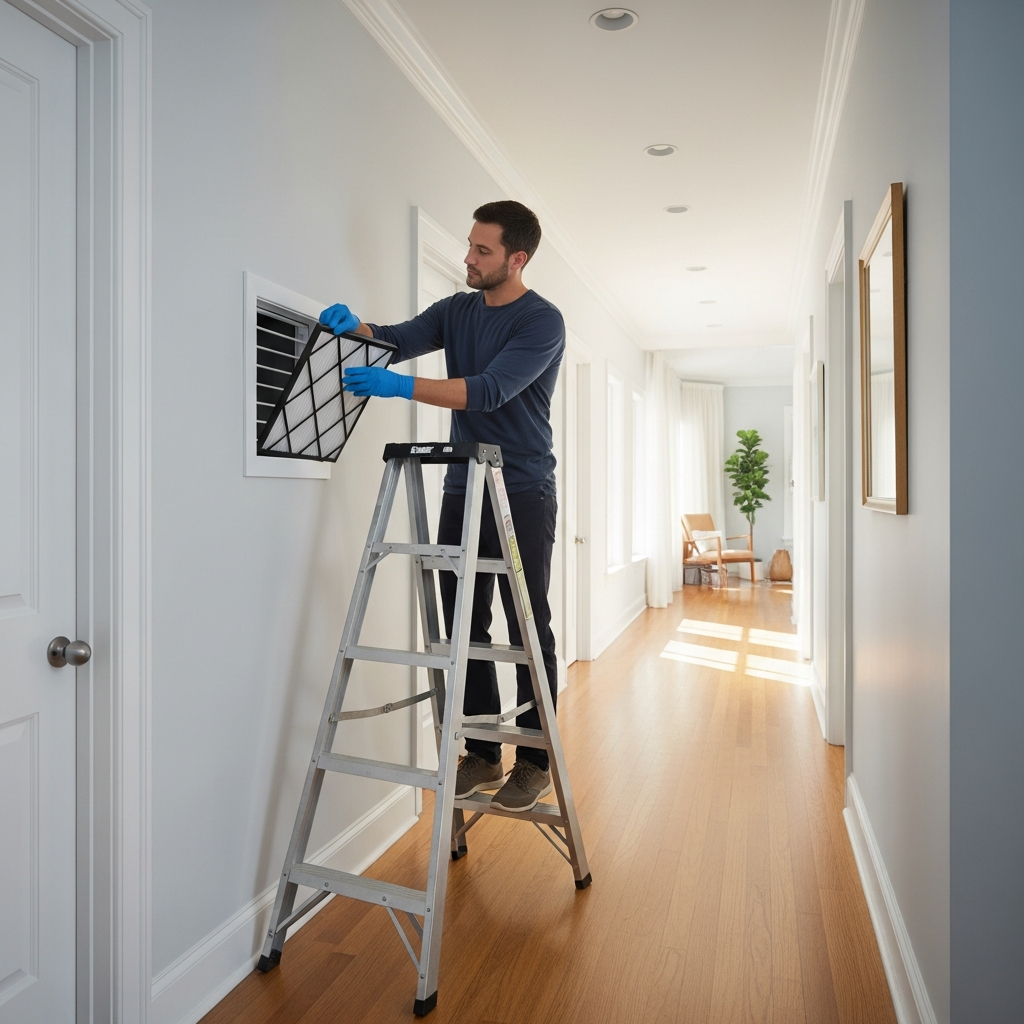
The single most important habit is timely filter changes. With tighter ducts and balanced returns, your filter now does more of the air quality work it was designed for. As it captures dust and pollen, it gradually raises resistance to airflow. Left too long, that resistance pushes static pressure higher, which can bring back the very noise and uneven temperatures you just eliminated. Set reminders that align with your household’s reality. If you have pets, if your home is near active landscaping, or if allergy season feels intense, check more often. When in doubt, a quick look at the filter tells the truth. Clean filters allow your system to breathe as easily in year three as it did on day one.
Equally important is choosing the right filter type for your duct design. If your system was commissioned to support higher-efficiency media, take advantage of that capacity. If it was balanced around a standard filter, stay within the designed range unless a professional confirms that an upgrade will not throttle airflow. The quiet you enjoy depends on this match.
Keep returns and supplies clear
After replacement, owners sometimes forget that furniture placement influences airflow more than they realize. A supply register tucked behind a heavy sofa or a return partially obscured by a console can nudge comfort off course. Every few months, take a gentle tour of your rooms and make sure the air paths remain open. In children’s rooms and guest suites that are less frequently used, look behind doors and around shelving units to confirm that drapes and decor have not crept into the way.
Dusting registers and gently vacuuming grilles helps, too. Cleaner faces reduce the chance of flutter and keep air exiting smoothly. If a register begins to rattle, it may simply need a snug screw or a small adjustment to the damper position—minor touches that restore serenity.
Seasonal walkthroughs with a quiet ear
As the year turns, your home speaks in subtle ways. Early autumn may bring warm afternoons followed by cool evenings; spring can mix breezy mornings with sunlit midday warmth. Plan a brief seasonal walkthrough to listen and feel. Do you notice a soft hiss where there used to be silence? Does one room take longer to feel comfortable at breakfast than it did during summer? These quiet signals are invitations. Slight damper adjustments or a quick check of a trunk line’s support can prevent small issues from becoming daily nuisances.
Make a simple record of these observations. A few notes in your phone or a small folder with dates and comments creates a living history of your system. If you ever call for service, those notes accelerate diagnosis and show that your home has been cared for thoughtfully.
Protecting the envelope around your ducts
Your ducts do their best work when the spaces around them are also healthy. In attics, look for displaced insulation, signs of pests, or forgotten storage boxes creeping into pathways. In crawlspaces, ensure that access doors are sealed and that moisture is controlled. Even though your ducts may be tightly sealed, the surrounding environment influences their performance and longevity. A calm, clean attic supports stable temperatures along duct runs, while a tidy crawlspace protects supports and hangers from corrosion or disturbance.
If your home features a conditioned attic or a sealed crawlspace, occasional checks on the space’s ventilation and dehumidification equipment—if present—are equally wise. Systems work best together, and the quiet gains from your duct replacement are preserved when the building envelope remains consistent.
Mindful thermostat use and gentle schedules
The benefits of new ducts become most apparent when your equipment is allowed to run in smooth, steady cycles. Aggressive thermostat swings encourage short bursts of high airflow that can reintroduce turbulence and noise. Instead, aim for gentle schedules that anticipate your routines. If you like a cooler bedroom at night, program the transition thoughtfully so the system eases into the setpoint before bedtime rather than racing to catch up. Morning warmups or cool-downs set on a modest ramp keep the day feeling composed from the first step into the kitchen.
Smart thermostats help here, but the principle matters more than the gadget. Your ducts have given you the capacity for graceful comfort; your schedule should invite it to the stage.
Keep an eye on registers and dampers
Most homeowners interact with registers only when they feel a draft or a room lags in comfort. After replacement, you should find far fewer reasons to touch them. Still, a quick seasonal check ensures dampers remain where commissioning left them. Kids’ curiosity, cleaning days, or a helpful guest can nudge a lever without you noticing. Restoring original positions preserves the balance the system was tuned to deliver.
If a space’s use changes—a nursery becomes a home office, or a guest suite hosts long-term visitors—note whether comfort follows. Temporary adjustments may be appropriate, and taking photos of damper positions allows you to return to baseline when life returns to normal patterns.
Watch for dust patterns and subtle drafts
Dust tells stories. If you begin to notice accumulation near a particular grille or along a baseboard far from foot traffic, there may be a small bypass path or a register angle that needs attention. A gentle change to a register vane or a touch of sealant where a boot meets the ceiling can redirect air and quiet errant eddies. These are not large projects; they are the small acts of stewardship that keep a system feeling bespoke long after installation day.
Similarly, if a once-quiet register develops a faint whistle, it is often a clue that a filter is loading up or that a damper has shifted. Addressing the cause restores the hush that new ducts are known to bring.
Documentation is part of maintenance
Keep your commissioning report, as-built layout, and photos together. When you schedule a tune-up or need service, share these documents first. Technicians can move with precision when they understand the duct map and target airflow for each room. This reduces time spent chasing unknowns and focuses effort on meaningful adjustments.
It is helpful to maintain a log of filter changes and any register or damper tweaks. Over a few seasons, patterns emerge that help you anticipate needs. Your future self will thank you for the small habit of jotting down a date and a quick note.
Partnering with your service team
Annual or semiannual check-ins with a trusted professional keep everything aligned. These are not dramatic visits; they are the equivalent of a wellness exam for your home. A typical appointment might include a quick static pressure reading, a look at filter condition, verification that dampers match the documented positions, and a glance at insulation and supports in the attic. Twenty measured minutes can affirm that your system is still the quiet performer you invested in.
If your home experienced an unusual event—construction nearby that generated dust, an attic storage reorganization, or a smoky wildfire season—consider an interim check. Extraordinary conditions sometimes nudge systems off balance, and small corrections bring them back to form.
Responding to life’s changes
Homes evolve. You might add a treadmill to a spare room, convert a garage, or expand a kitchen. When your living patterns change, invite your ducts into the conversation. A minor branch adjustment, a new return in a hallway, or a different register type can adapt the system to a new normal. It is much easier to make these refinements early than to live with slight discomfort that slowly becomes accepted.
Even short-term changes matter. If family visits increase occupancy for a season, plan to check filters more often and ensure guest room registers are set to their commissioning positions. A little attention keeps hospitality comfortable without taxing the rest of the home.
Protecting aesthetics with gentle care
Registers and grilles are part of your rooms’ visual rhythm. Clean them with non-abrasive methods, and avoid painting shut any moving parts. If a grille needs a refresh, select replacements that preserve both the look and the free area needed for quiet operation. It is surprisingly easy to choose a decorative grille that looks right but chokes airflow; consult your original documentation or a professional before making changes.
When you clean, gently dust supply and return faces and confirm that screws are snug. A tiny vibration can create a buzz that vanishes with a quarter-turn of a screwdriver.
Listening for the unexpected
While new ducts are designed to disappear into the background, stay attuned to new sounds. A pop in the attic after a hot day’s cooldown might indicate a support settling; a consistent rattle at a particular time of day could point to a damper reacting to a schedule change. These are solvable, minor items. The earlier you notice and address them, the less likely they are to persist as habits in your soundscape.
Smell also tells a story. If you detect attic-like odors near a grille, it may signal a small breach in the boot seal or a gap around a register. Simple sealing usually restores the neutral, clean background you expect.
Seasonal deep checks
Once or twice a year, set aside time for a deeper review. Peek into the attic or crawlspace if it is safe and accessible. Confirm that insulation remains snug, supports are secure, and no one has stored boxes against ducts. Look at the evaporator coil access panel for signs of condensation or dust streaks that could indicate air leaks. These visual checks take minutes but protect years of performance.
If you do not wish to venture into those spaces, schedule a brief professional visit. The goal is not to find problems; it is to prevent them. Preventative care sits at the heart of lasting comfort.
Frequently asked questions
How often should I change filters after new ducts are installed?
Change them as recommended by the system design and your household’s needs. Many homes benefit from checks every one to three months. If you have pets, frequent cooking, or seasonal allergies, inspect more often and adjust accordingly.
Do I need to have my ducts cleaned regularly now that they are new?
In a well-sealed system with routine filter maintenance, frequent duct cleaning is typically unnecessary. Focus on filter changes, clean registers, and periodic inspections. If unusual dust appears or you experience a specific event, consult a professional to assess whether cleaning is warranted.
What should I do if a room starts to feel different than it did after commissioning?
Start with the basics: check filter condition, confirm register dampers match their documented positions, and look for moved furniture blocking airflow. If the issue persists, a quick service visit can measure static pressure and airflow to restore balance.
Is it okay to close registers in unused rooms?
It is better to use zoning or small damper adjustments than to close registers entirely. Closing too many registers raises static pressure, which can increase noise and strain the system. Keep the airflow pathways your design intended, and let zoning handle occupancy differences.
Do decorative grilles affect performance?
They can. Some reduce free area and increase noise. Choose options that meet your design goals and airflow needs. If you replace a grille, confirm that it matches the performance characteristics of the original selection.
How can I tell if a small noise is worth a service call?
New, persistent noises that you can repeat or that appear at the same time daily are worth noting. If a gentle adjustment does not resolve them, a brief professional look can prevent minor issues from becoming patterns.
Will changing how I use a room require duct changes?
Sometimes. Turning a guest room into a home office with equipment that produces heat, for example, may benefit from a small airflow tweak. Early conversations make solutions simple and minimally invasive.
What should a maintenance visit include?
Expect a quick check of static pressure, filter condition, damper positions, insulation continuity, and any signs of leaks. A short test of system operation and a review of your notes round out the visit.
Can I upgrade filters later?
Yes, if the duct design and equipment allow for the added resistance. Consult your commissioning report or a professional to confirm compatibility before switching to a higher-efficiency media.
How do I preserve the quiet I love?
Stay consistent with filter changes, keep air paths clear, and avoid aggressive thermostat swings. If a new sound appears, address it early. Quiet is the natural state of a well-designed system; your habits simply help it remain that way.
If you are ready to keep your home at its best, make a simple plan: set filter reminders, schedule seasonal check-ins, and stay attentive to the small signals your space offers. When you want a quick refresher or need expert eyes on a subtle change, lean on a trusted Beverly Hills team. To begin or refresh your plan with a friendly, practical conversation, explore local guidance on duct replacement and schedule a visit that keeps your home as calm and comfortable as the day your new ducts were commissioned.