
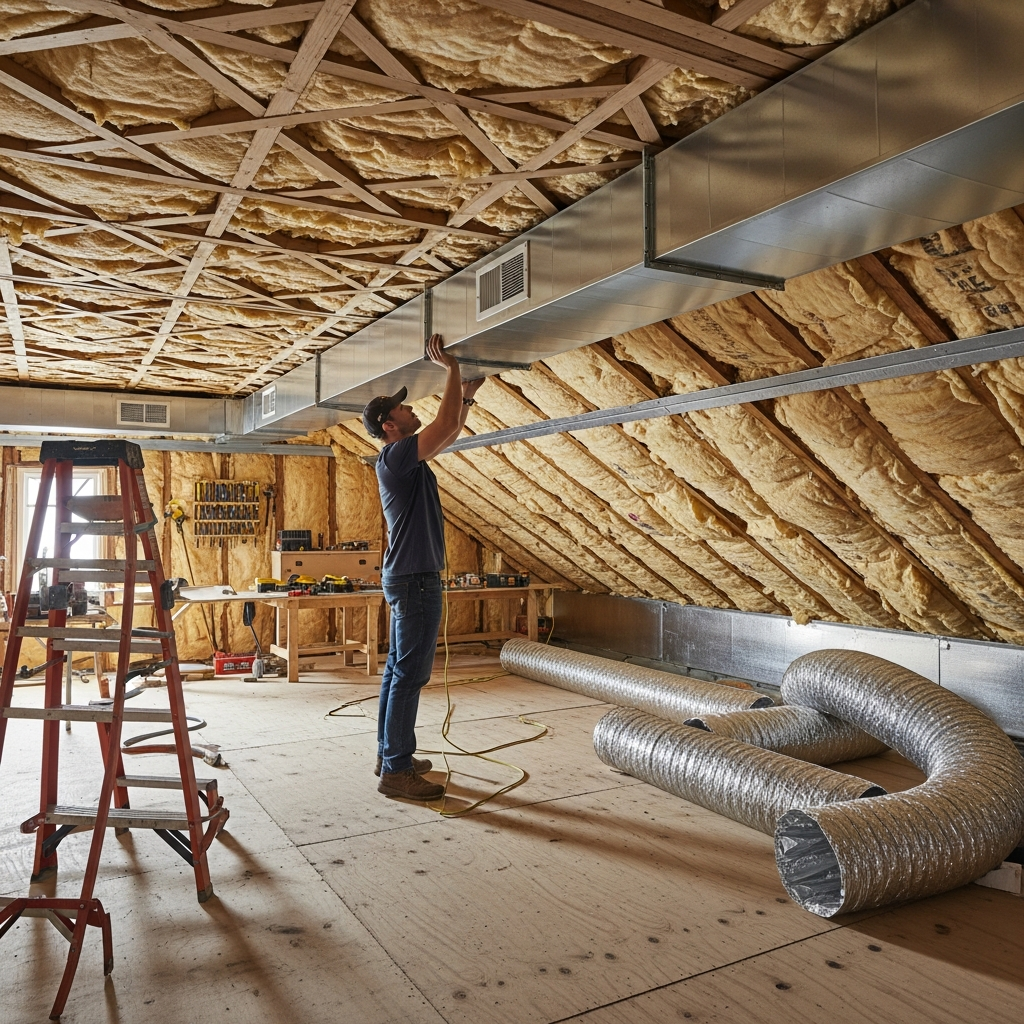
Walk through any Beverly Hills neighborhood on a bright afternoon and you will feel the quiet confidence that great homes project. Behind that calm is an HVAC system that stays out of the way—no rattles, no whistling grilles, no rooms that drift out of sync. In many residences, the secret to that kind of effortless comfort is modern, well-designed ductwork. When the time comes to plan an HVAC duct replacement, the best results grow from a combination of careful assessment, local know-how, and a level of craftsmanship that respects both finishes and architecture. If you are beginning that journey and searching for trusted duct replacement, this guide will walk you through what matters most for homes here in Beverly Hills.
Homes in The Flats, Beverly Hills Post Office, and Trousdale Estates each bring their own canvas. Some have abundant attic space for sweeping, low-resistance trunk lines. Others require precise routing through compact cavities to preserve historic ceilings or custom millwork. Regardless of layout, the goal remains the same: smooth, sealed pathways that deliver the right air to the right rooms quietly and consistently.
Start with the Way You Live
Effective duct design starts with lifestyle. Which rooms host early mornings and late-night conversations? Where does the family gather? Do you want your primary suite slightly cooler at night or absolute silence in a home office? By framing the project around daily patterns, a replacement can prioritize certain runs, refine register locations, and use sound-dampening strategies where they matter most. Comfort is not a spreadsheet; it is the experience you have as you move through your home.
From there, a detailed load analysis connects lifestyle with building science. Room-by-room targets help your team size ducts correctly and decide where a dedicated return or a slightly larger trunk will bring the whole system into balance. It is the kind of tailoring that separates good from great and turns a mechanical system into an invisible companion to your design.
Design Choices that Shape Day-to-Day Comfort
Good ductwork is quiet because it does not ask the air to perform acrobatics. Gentle radii instead of sharp elbows, minimal transitions, and stable diameters preserve velocity while preventing turbulence. Register and grille choices also influence sound and diffusion, shaping how air enters a room and how quickly it blends with room air. When materials are matched to each segment of the run—metal trunks where long, straight paths exist and insulated flex for graceful, short connections—air glides rather than tumbles.
Return air deserves equal attention. In many older layouts, returns are undersized or poorly located, forcing the blower to strain and amplifying noise. A replacement is a chance to let the system breathe: add an upstairs return to relieve heat that collects at the top of the home, or widen an existing return pathway to bring static pressure into a healthier range. These changes are not flashy, but their effect is unmistakable in quieter operation and more even temperatures.
Working Within Beverly Hills Architecture
Whether you are caring for a mid-century classic or a contemporary residence with dramatic spans and glass, duct replacement should be as discreet as it is effective. On projects with delicate finishes, crews install protective coverings, coordinate with painters and carpenters when needed, and plan access points to minimize patching. In newer builds, coordination ensures that registers, returns, and thermostatic controls blend with lighting, trim, and technology—form supporting function without drawing the eye.
Homes near canyons often experience cooler nighttime air and gentle morning breezes, while sun-exposed blocks nearer to Wilshire can retain daytime warmth into the evening. These patterns inform insulation choices and help guide zoning discussions if you are interested in distinct comfort settings for sleeping areas versus daytime living spaces. The key is designing with the home’s natural rhythms rather than fighting them.
Installation Craft: The Details You Feel but Rarely See
The most satisfying replacements are built on details. Supports are spaced to prevent sagging and kinks, preserving diameter and reducing friction. Connections to the air handler are reinforced and sealed fully, not only to capture every bit of conditioned air, but to keep equipment vibration from telegraphing into the duct system. Mastic is applied where it truly counts—at collars, seams, and takeoffs—then verified so you are not left wondering if air is escaping into the attic.
As work progresses, a good team will invite you to see the improvements taking shape. You might notice a trunk run that is now straight where it once zigzagged, or a new return that quietly changes the way a hallway feels. This collaboration is the moment to ask about future options, such as enhanced filtration or fresh air strategies that leverage the new layout. Mid-project walk-throughs also ensure that any minor adjustments are made before everything is sealed and insulated. If you want to explore options specific to your home, ask how the team approaches duct replacement in houses with similar architecture and access conditions.
Verification: Turning Promises into Measured Performance
Once installation is complete, testing proves the system is functioning as designed. Static pressure readings, duct leakage measurements, and air balancing confirm that each room receives its target flow. These numbers may not be glamorous, but they are the reason comfort feels effortless and the sound of the system fades into the background. Documentation of those results is your receipt for long-term confidence.
California’s energy guidelines reinforce these practices, and experienced local teams are well-versed in navigating permits and inspections where required. The process protects your investment and ensures the work meets modern standards for efficiency and performance.
Life After a Thoughtful Replacement
Homeowners often remark that silence is the first thing they notice—the whoosh is softer, doors no longer pull when the system starts, and once-cool corners feel pleasantly neutral. Over time, you will likely see that the thermostat remains steady and that the home rebounds quickly after doors are opened for pets, deliveries, or fresh air. Maintenance is simpler, too: change filters on schedule, keep returns clear, and plan periodic checkups to ensure that everything remains in balance as seasons change.
If you plan a remodel later—perhaps expanding a kitchen or reimagining a primary suite—loop your HVAC professional in early. A great duct layout can be preserved and extended when design changes are anticipated. That kind of foresight keeps comfort seamless during and after construction.
Frequently Asked Questions
Here are focused answers to common questions from Beverly Hills homeowners planning a duct replacement.
How disruptive is a typical duct replacement?
Expect meticulous protection of floors and finishes, a clear daily plan, and a tidy site at day’s end. While there will be short windows when the system is offline, good coordination keeps your routine largely intact.
Will new ducts help with uneven rooms?
Yes. Right-sized trunks and branches, plus strategic returns, bring airflow into balance. Rooms that historically lagged often become the spaces you notice first after the upgrade.
Do I need zoning?
Not always. Many homes achieve excellent balance without full zoning. However, for multi-level layouts or where different areas have distinct schedules, zoning can align comfort more closely with how you use the home.
What materials are best?
There is no one-size-fits-all answer. Metal trunks are excellent for long, straight sections, while quality insulated flex shines for short, gentle final runs. The winning combination is chosen to minimize turbulence and preserve quiet operation.
Can replacement reduce system noise?
Absolutely. Smooth pathways, proper sizing, and thoughtful register selection reduce turbulence and mechanical sound. Many homeowners are pleasantly surprised by the shift in the home’s acoustic character.
How will I know the work met performance goals?
Testing. Static pressure, duct leakage, and balancing results confirm the system is operating in its ideal range. You should receive documentation and a walk-through of the final readings.
Is there value in adding returns?
Often, yes. Undersized or poorly located returns force the blower to work harder and can create noise. Adding or resizing returns improves airflow, filtration, and overall system calm.
What should I do to maintain performance over time?
Replace filters on schedule, keep returns unobstructed, and have periodic system checkups. If you plan changes to layout or usage, let your HVAC professional review the duct plan so it stays aligned with your home’s needs.
Bring Quiet, Even Comfort Home
If you are ready to feel the difference that thoughtful ductwork makes, begin with a professional evaluation tailored to your property and the way you live. Expect a plan that respects your architecture, explains design choices, and verifies results. When you are prepared to move forward, connect with a trusted local team and ask for a proposal centered on comfort, quiet, and craftsmanship—and for proven duct replacement designed for Beverly Hills homes.