
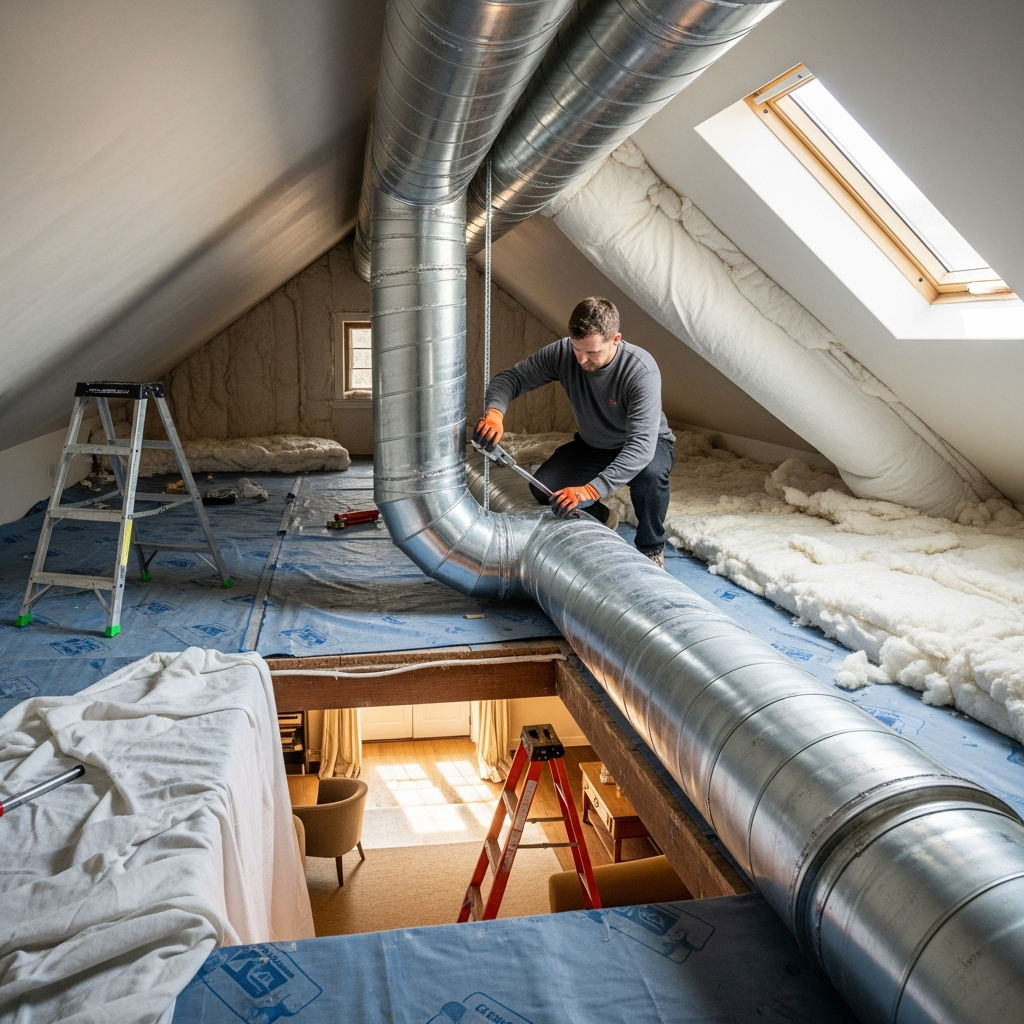
If you live in Beverly Hills, you already know that comfort is not just a luxury; it is a daily expectation shaped by sun-warmed afternoons, cool canyon evenings, and the subtle microclimates that change from The Flats to Trousdale Estates. From historic estates tucked into the hills to newly built residences near Burton Way, the one constant is that well-designed, tightly sealed ductwork keeps every room feeling calm, quiet, and evenly conditioned. That is why homeowners often start their journey with a simple search for dependable duct replacement, and quickly discover there is an art to doing the job right in our city.
Over the years, I have walked through sunlit living rooms with original plaster, inspected low crawlspaces below mid-century gems, and climbed into attic spaces perched above boutiques and tree-lined streets. In each space, the ducting tells a story. Some systems were assembled decades ago with materials that were considered standard at the time but are now far from ideal for energy efficiency. Others were pieced together during remodels that prioritized speed over airflow science. And some were simply installed perfectly once, but time and heat have taken their toll. Understanding those stories is the first step toward a thoughtful replacement that enhances comfort while respecting the character of your home.
Why Duct Replacement Feels Different in Beverly Hills
Our climate can swing between sun-baked afternoons and crisp canyon breezes. Homes near Benedict Canyon often experience cooler nights and morning marine influence, while residences closer to Wilshire can hold heat deeper into the evening. That contrast tests duct systems. Insulation that is too thin, joints that are not properly sealed, or layouts that send air on a long, inefficient journey all reveal themselves when one bedroom stays stubbornly warm and an office runs too cool. In Beverly Hills, a correct design centers on balanced airflow, quiet operation, and the ability to perform during those everyday microclimate shifts.
On top of climate, architecture plays a role. Many homes feature open plans with tall ceilings or intricate millwork that complicates duct routing. In others, a gentle remodel added rooms and bathrooms without revisiting the original duct design, leaving the system to do more with the same pathways. Replacement is a chance to right-size the layout, reduce turbulence, and make sure every supply register and return is pulling its weight.
How to Tell Your Ducts Are Ready for an Upgrade
You do not need to be an HVAC technician to sense duct issues. You might notice a faint whoosh that seems louder than it should be, or the subtle rattle of a boot where it meets the floor. Perhaps a powder room fogs too slowly, or an upstairs den runs a few degrees warmer than the rest of the home. Even your energy bills may hint that conditioned air is escaping into the attic instead of gliding into your living spaces. When multiple rooms feel inconsistent, or when you find dust coating registers soon after cleaning, the duct system is often the silent culprit.
Age matters too. Ducts that have weathered countless summers in a hot attic can sag, compress, or split at seams. Tape dries out. Mastic cracks. Over time, internal liners can deteriorate, creating friction that slows airflow. Replacing those aging pathways with modern, sealed runs gives your system a new set of lungs and restores the quiet, efficient performance you expect.
What a Thoughtful Replacement Process Looks Like
The most successful projects begin with careful assessment, not with a roll of flex duct and a box of fittings. A technician first studies the house: square footage, window orientations, ceiling heights, and the layout that makes your home uniquely yours. From there, they evaluate the current HVAC equipment to ensure duct sizing and airflow targets align. This is the moment when a home’s quirks become opportunities—adding a return in an upstairs hall, straightening a tortuous run that bends three times around framing, or resizing a trunk line so the last bedroom at the end of the hall finally breathes freely.
Design is followed by craft. Precise measurements reduce unnecessary elbows and transitions. Smooth interior surfaces preserve velocity without noise. Proper supports stop sag and prevent kinks. Every joint is sealed with high-quality mastic, not just tape, and connections at the air handler are reinforced to withstand startup and shutdown pressures. Insulation is selected for the attic or crawlspace conditions you actually have, not a generic climate profile. The result is an invisible network that simply works.
Midway through a project, homeowners often ask when they will start to feel a difference. The truth is, many notice improved airflow even before the system is fully buttoned up, especially in rooms that used to struggle. That is also the perfect time to review design adjustments or ask about future enhancements such as zoning or improved returns. When you are evaluating options, look for a local team that treats duct replacement as a custom-fit solution, not a one-size-fits-all package.
Materials and Details That Matter
In Beverly Hills, where homes range from classic to cutting-edge, materials are chosen for durability, performance, and discretion. Rigid metal trunks provide stable, low-resistance pathways when longer, straight runs are possible, while high-quality insulated flex can deliver whisper-quiet air to rooms when routed with gentle, sweeping curves. Boots and registers are selected for both flow and appearance, blending with existing finishes while reducing turbulence. Duct board, when appropriate, offers thermal and acoustic benefits in certain applications, but it is always evaluated against the home’s unique demands.
Sealing strategy is another make-or-break detail. Mastic at every seam and collar, carefully applied and verified, saves energy and keeps dust-laden attic air from intruding into your breathing space. Proper strapping at the correct intervals stops flex from drooping, which preserves diameter and airflow. Where ducts pass near potential noise sources or tight framing, thoughtful isolation techniques curb vibration before it reaches a quiet bedroom or media room.
Local Codes, Testing, and Peace of Mind
California’s energy standards have teeth for good reason. Proper duct sealing and insulation directly translate into comfort and reduced energy waste. A conscientious replacement project respects these codes and goes a step further with quality assurance: static pressure checks to verify the blower is not fighting a bottleneck, air balancing so each room receives its intended flow, and duct leakage testing that confirms the system is tight. These measurements may seem abstract, but you feel them in everyday life—steadier temperatures, a calmer sound profile, and less dust migrating into your home.
Documentation matters, too. When a project is complete, you should understand exactly what changed: sizes, materials, locations, and measured performance improvements. With clear records, future service becomes easier, resale conversations become more confident, and you have assurance that the work will stand up to seasons of use.
Respecting Architecture and Lifestyle
Beverly Hills homes often command a level of discretion that goes beyond simply hiding ducts in a wall or attic. In older properties, access is carefully planned to protect finishes. In newer builds, coordination with millwork, lighting, and integrated technology ensures that registers and returns complement the design rather than distract from it. Quiet operation is essential in home offices and private suites, while uninterrupted comfort is non-negotiable for guest rooms and entertainment spaces. Replacement is a chance to align technical performance with lifestyle priorities.
Post-Install Care and Everyday Confidence
Once your new ducts are in place, small habits enhance longevity. Keep returns unobstructed. Replace filters on schedule so the blower and ducts operate in a healthy airflow range. If you plan a remodel later, have your HVAC professional revisit the design to keep everything in tune. You will know the system is right when family and guests stop thinking about it entirely; the home simply feels even and effortless, regardless of the weather outside.
Frequently Asked Questions
Below are answers to common questions Beverly Hills homeowners ask when considering duct replacement. Each home is unique, but these points will help you approach your project with clarity.
How long does a typical duct replacement take in a single-family home?
Most projects are completed over a few focused workdays, coordinated to minimize disruption. The schedule depends on accessibility in attics or crawlspaces, the complexity of the layout, and any design improvements such as adding returns. Good teams protect floors and finishes, communicate daily, and leave your home tidy at the end of each day.
Will new ducts make my home quieter?
Yes. Proper sizing, smoother pathways, and thoughtful register selection reduce turbulence and mechanical noise. Many homeowners notice that the system sounds calmer and feels more refined—less whoosh, more gentle background movement of air.
Can replacement improve air quality?
Sealed ducts stop dusty attic air from being pulled into the system, and balanced returns help filters do their best work. If desired, your technician can also evaluate filtration upgrades and fresh air strategies suited to your home’s layout.
Do I need to replace ducts if I am installing a new furnace or air conditioner?
Not always, but it is wise to assess them together. New equipment can only deliver its promised performance if the duct system supports proper airflow. Replacing or modifying ducts during an equipment change ensures the entire system performs as a single, efficient whole.
What happens to rooms that were always too hot or too cold?
That is precisely where thoughtful design shines. By adjusting trunk sizes, rerouting restrictive runs, and adding or resizing returns, a good plan addresses historical problem rooms and brings them into balance with the rest of the house.
Will I need permits or inspections?
In many cases, yes. Compliance ensures work meets safety and energy standards. A reputable contractor will coordinate any required permits and inspections and provide documentation when the project is complete.
Can replacement help with humidity or draft issues?
It can. While ducts do not create dehumidification on their own, balanced airflow and sealed connections reduce drafts and help your system maintain steady comfort, making your home feel more consistent across seasons.
What should I look for when choosing a contractor?
Look for clear communication, detailed design proposals, verified airflow calculations, and a commitment to testing the finished system. Local experience in Beverly Hills homes is invaluable because it brings familiarity with architecture, access challenges, and performance expectations.
Ready to Breathe Easier
If your home feels uneven, if the system is louder than it should be, or if you are planning a renovation and want to get the fundamentals right, now is an ideal moment to explore options. Start with a professional assessment that treats your property as the one-of-a-kind residence it is, and expect a plan that elevates comfort without calling attention to itself. When you are ready to take the next step, schedule a visit with a trusted local team and ask how modern sealing, smart routing, and balanced returns can transform day-to-day living. For attentive service and a plan shaped by real Beverly Hills experience, reach out today and learn more about expert duct replacement tailored to your home.