
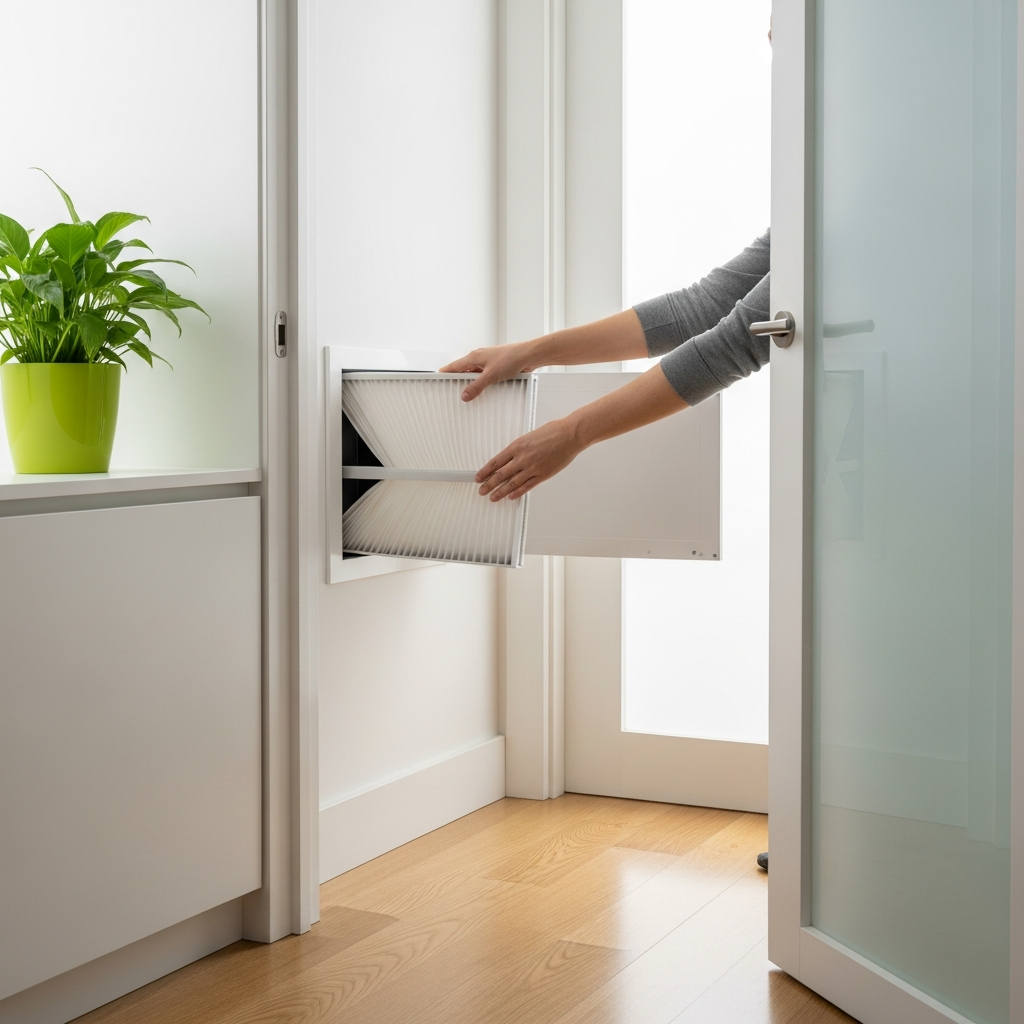
Keeping Your New Ducts Performing Like New
When you invest in new ductwork, you are really investing in how your home will feel for years to come—quieter, cleaner, and more consistent from room to room. Beverly Hills homes ask a lot from their HVAC systems, from attic heat in summer to cool evening breezes and the occasional dry wind. Fortunately, caring for your replacement ducts is not complicated. It is about a few steady habits, seasonal awareness, and knowing what signals to watch for. With thoughtful upkeep and timely attention, your system will reward you every day with comfort that practically disappears into the background. If you are still deciding on the right partner or approach, it may help to learn more about duct replacement and how smart design choices at installation set you up for easy maintenance.
Care begins with understanding what your ducts are doing. They are not just tubes moving air; they are tuned pathways set to a target pressure and airflow. Small changes—the wrong filter, blocked returns, a crushed run from storage—can tip that balance. In older homes, where attic access can be tight and storage is precious, it is especially important to protect the new system from accidental damage. The goal is to let the ducts keep doing their job invisibly while you focus on living in the space they make comfortable.
Make Filters Your First Habit
The most important maintenance step you control is filter care. Even the best-designed duct system loses performance if the filter loads up. Airflow drops, static pressure rises, and the whisper-quiet operation you enjoyed becomes louder and less effective. Keep a simple calendar reminder to inspect and replace filters on schedule, more often during high-use seasons or smoky periods. Choosing a filter with the right balance of capture efficiency and airflow is equally important. Too restrictive, and the system strains; too loose, and dust circulates back into living spaces.
Consider storage for a small supply of fresh filters in a dry, accessible spot. When swapping a filter, note the date on the frame. That small mark makes it easy to stay consistent. If your return cabinet was designed with future maintenance in mind, access should be straightforward. If it is difficult, ask your contractor about improving access; an easy task is a task you will keep doing.
Protect Ducts from Attic and Crawlspace Hazards
Many Beverly Hills homes rely on attics for storage and access to mechanical systems. It is surprisingly easy to compress a flexible run while moving boxes or seasonal decor. Even a small flattening can create a pressure bottleneck that robs a room of comfort and raises noise. Create clear walkways and simple do-not-step zones near visible duct runs. If the attic is regularly used, consider adding protective boards or rails that keep clearance around ducts obvious.
In crawlspaces, look for signs of moisture or pests during seasonal checks. While modern ducts are sealed and supported, environmental changes can still cause sagging or loosening of straps. A quick visual scan with a flashlight can catch developing issues before they become noticeable indoors. If you are not comfortable entering these spaces, schedule a periodic professional inspection timed with your HVAC service.
Keep Returns and Registers Clear
Returns must breathe freely to keep system pressure in check. Furniture, drapery, or art positioned too close can starve airflow and raise noise noticeably. When moving pieces around—or adding new ones—pause to confirm that returns have clear space. In bedrooms and dens, keep textiles from draping over registers. Clean register faces gently when dust accumulates. Small habits like these prevent imbalances that undo the careful balancing completed after installation.
When cleaning, avoid forcing debris into the registers. A soft brush attachment on a vacuum and a light hand are enough for the visible surfaces. The interior of the system remains cleaner longer when filters are changed regularly and returns are not pulling in loose, dusty air from flooring or fabrics.
Mind Seasonal Changes and Wildfire Conditions
Southern California seasons have their own rhythms. Late summer and early fall can bring smoky days, while spring and early summer invite higher pollen counts. During those times, check filters more frequently. If your home is prone to odor intrusion under certain wind patterns, speak with your contractor about whether your return strategy and filtration could be adjusted or upgraded without imposing heavy pressure penalties. Airtight ducts will already be helping by reducing infiltration pathways.
On hot days, be mindful of attic conditions if you do need to access storage. Plan attic trips in the morning or evening when temperatures are lower, and avoid moving items that could bump or compress nearby runs. The ducts are performing a quiet, essential job above you; a little care preserves that performance.
Watch for Early Signals
Great systems communicate subtly. If a room that was once perfectly even grows stuffy, or if you hear a new rattle or whistle at a register, treat it as an early signal rather than background noise. The cause may be as simple as a filter that needs replacement, a register that was accidentally closed, or a piece of decor moved too close to a return. Addressing these small changes quickly prevents knock-on effects that reduce comfort.
Listen for changes after any home project, too. Painting, flooring updates, or new cabinetry can alter clearances or inadvertently close off return pathways. A brief post-project check to ensure that airflow remains free keeps your system in tune.
Schedule Periodic Professional Inspections
Just as cars benefit from regular service, ducts benefit from a professional eye. A seasonal or annual inspection can verify static pressure, check for any signs of leakage, confirm that supports remain tight, and ensure registers and dampers are set for the current season. These visits keep the system anchored to the performance it delivered right after installation.
Documentation from inspections becomes a valuable record. Over time, you will see that stability is the norm—steady readings and a home that feels predictably comfortable. If a value drifts, that record helps pinpoint the change quickly and correct it with minimal disruption.
Respect the Design: Do Not Add or Modify Runs Casually
Because ducts live out of sight, it is tempting to add a small branch for a new nook or to cap a register that seems redundant. Resist changes without consulting the original design. Airflow and pressure are interdependent; shifting one piece can unbalance the whole. If you have a new use for a space, ask a professional to assess whether the system can accommodate the change or if a different solution—like relocating a register or adjusting balancing dampers—would be smarter.
In larger homes, where zoning may be present, be especially cautious about adjustments. The logic of each zone assumes a certain balance. Uncoordinated tweaks can prompt short-cycling or noise that undermines the quiet efficiency you invested in.
Keep the Area Around Equipment Tidy
While your focus is on ducts, the air handler or furnace connected to them needs clear space for airflow and service. Avoid stacking storage near access panels or blocking the area where technicians work. Good access encourages thorough maintenance and makes it easier to keep filters changed on schedule. It also reduces the chance of bumping or stressing nearby duct connections when moving items around.
In mechanical closets, a simple habit of vacuuming dust and checking door seals preserves indoor air quality by preventing particles from entering returns. Small housekeeping steps complement the sealed, smooth pathways your new ducts provide.
Enjoy the Quiet—It Is a Performance Indicator
One of the best signs that your ducts are healthy is the absence of drama. You do not hear the system strain. Air glides rather than gusts. Temperatures hold with minimal fuss. That quiet is not an accident; it is a hallmark of right-sized ducts, balanced returns, and tight construction. If the soundtrack changes, treat it as the ductwork asking for attention and respond in kind. Quick action maintains the chill calm that defines a high-performing home.
Homeowners often describe the post-replacement experience as an exhale. Rooms that once demanded constant fiddling become set-and-forget. Mornings start at the temperature you expect, afternoons remain composed, and evenings feel unhurried. Maintenance is the way you protect that feeling year after year.
When to Call for Help
Reach out for professional support if you notice persistent temperature imbalances after filter changes and register checks, sudden increases in noise that do not respond to simple adjustments, or visible issues like sagging runs and detached supports in accessible areas. Similarly, anytime you plan a remodel that alters room layouts, doors, or built-ins near returns, get ahead of changes with a design check so airflow remains balanced.
If you are just beginning to plan an upgrade and want a system that is straightforward to care for, a conversation about duct replacement in Beverly Hills can map options with maintenance in mind, from filter access to future-proof routing.
Frequently Asked Questions
Q: How often should I change my HVAC filter?
A: Follow the schedule recommended for your filter type and system, checking more frequently during heavy-use seasons or smoky conditions. Many households find that monthly inspections keep performance steady and reveal when a change is due.
Q: Do new ducts need to be cleaned?
A: With airtight construction and regular filter changes, ducts typically stay clean for a long time. If you remodel or notice unusual dust, a professional evaluation can determine whether targeted cleaning is appropriate without disrupting sealed joints.
Q: What is the best way to keep registers and returns looking good?
A: Gently vacuum visible surfaces with a soft brush attachment and avoid pushing dust into openings. Keep furniture and fabrics from obstructing airflow, and confirm that curtains do not drape over registers.
Q: I store items in my attic. How do I avoid damaging ducts?
A: Create clear walk paths and simple visual cues that remind everyone to avoid stepping on or brushing against runs. Consider adding protective boards or rails to preserve clearance where storage and ducts are close.
Q: Are there signs my system is out of balance?
A: New noises, rooms that feel stuffy or drafty, and longer-than-usual recovery times are common indicators. Start with filter checks and register positions. If issues persist, schedule a professional inspection to verify pressure and airflow.
Q: Can I add a new register for a reading nook or home office?
A: Do not add or cap runs without reviewing the design. Small changes can shift pressure and undermine performance. A technician can advise whether balancing adjustments or a strategic relocation would achieve your goal more safely.
Ready for Consistently Easy Comfort
Comfort that lasts is built on small, steady habits and a system designed for care. Protect clear airflow, change filters on time, watch for early signals, and lean on seasonal inspections to keep performance locked in. If you are upgrading or fine-tuning your home’s comfort plan, connect with a local specialist for Beverly Hills duct replacement that prioritizes quiet operation, easy maintenance, and results you can feel from the first morning to the last light of the day.