
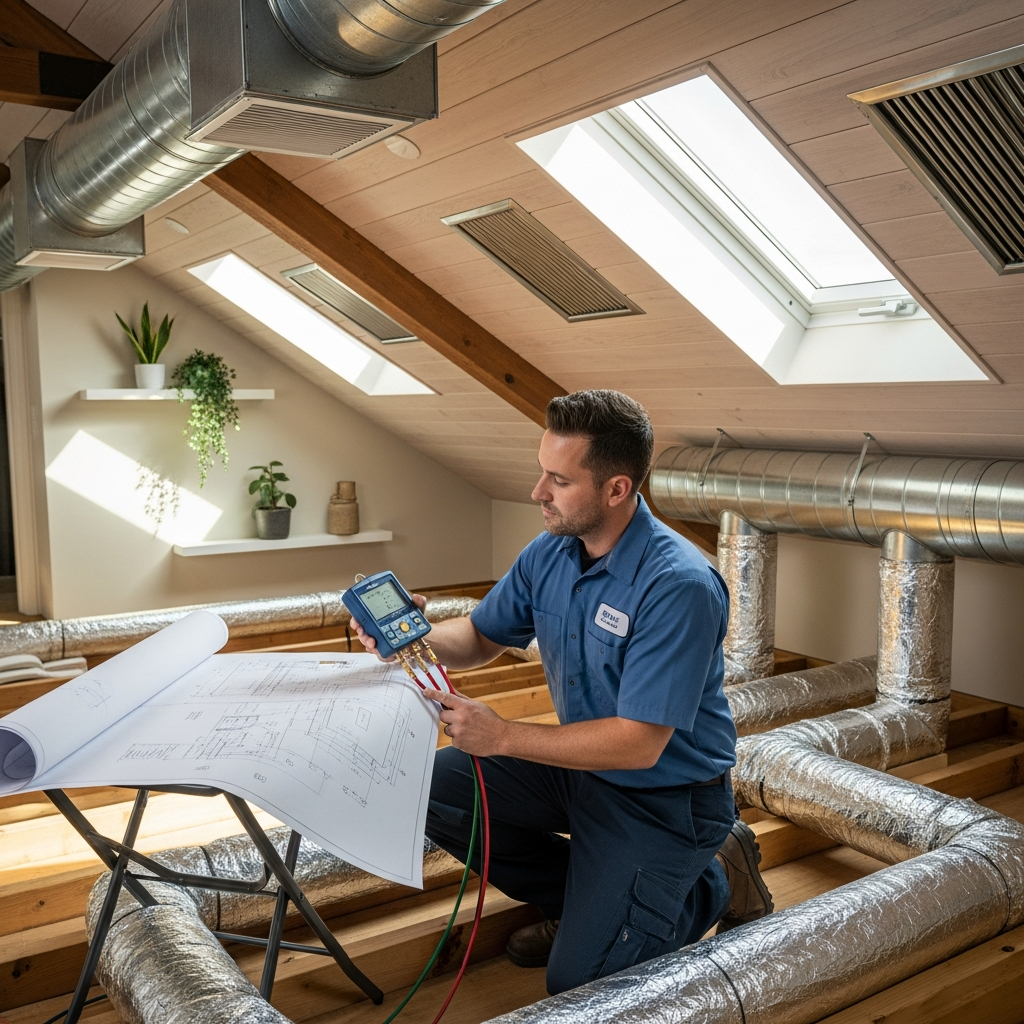
Finding the right path to a better, quieter, and more efficient home often begins above the ceiling and behind the walls. In Beverly Hills, where architecture ranges from lovingly preserved Spanish Revival to glass-and-steel contemporaries tucked into the hillsides, choosing the best approach to a new duct system is as much about respect for the home as it is about technical know-how. From the sunlit flats to the winding canyons, airflow behaves differently across microclimates, and the right plan turns those nuances into year-round comfort. That journey starts with understanding your goals, your home’s constraints, and the local expectations for craftsmanship. It also means knowing where to turn when it is time to move from ideas to action, and early in that process it helps to have a trusted resource for duct replacement guidance so you can set priorities with confidence.
In a city where details matter, duct replacement is not a one-size-fits-all project. The characteristics of your attic, crawlspace, and wall cavities influence how air moves, how quietly it does so, and how well your system supports healthy indoor air. The best outcomes come from aligning design with lifestyle. Perhaps you cherish early morning calm and need whisper-quiet supply runs to a primary suite; maybe you host lively gatherings and want even temperatures throughout open-plan living spaces. With the right design, your new ductwork supports all of that seamlessly, and picking the best path forward is about balancing materials, layout, and craftsmanship.
Understanding how Beverly Hills homes breathe
Homes here tell layered stories. Many are renovated multiple times, with additions stepped down a hillside or tucked behind original structures. As a result, legacy ducts may twist through tight soffits, share chases with plumbing, or thread across attics that were once storage and are now insulated and conditioned. When selecting the best replacement, start with a home performance perspective. Consider how heat accumulates in the late afternoon, particularly on west-facing elevations; note where rooms feel stuffy or prone to drafts; listen for rattling grilles or whistling elbows during the dinner hour when the system cycles more often. These signals reveal both current deficiencies and opportunities for a smarter design.
Local climate also shapes decisions. Summers trend warm and dry, with occasional Santa Ana winds, while evenings can cool quickly. Ducts that are poorly insulated or leaky will overwork your system in these swings, and they can funnel warm attic air into living spaces precisely when you crave relief. Choosing the best replacement means ensuring tight connections, thoughtfully placed returns, and sensible insulation values so that conditioned air arrives without picking up unwanted heat or dust.
What “best” looks like in practice
In practice, the best duct replacement unites three traits: right-sized airflow, low static pressure, and verified sealing. Right-sized airflow means each room receives just what it needs, no more and no less, based on its orientation, glazing, and use. Lower static pressure keeps the system efficient and quiet, particularly important in serene bedrooms or home offices where a gentle background is preferred. Verified sealing, measured after installation, locks in performance so your investment continues to deliver for years.
Material choice supports these traits. Rigid metal ducts, when fabricated and sealed well, provide durability and smooth interior walls that resist collapse. Flexible insulated ducts can be excellent for finishing runs around obstacles, provided they are stretched properly without kinks and supported at correct intervals. In tight attics common to single-story homes on the Flats, a blended approach often shines: rigid trunks for stability and performance, flexible branches for nimble routing to ceiling diffusers. The “best” choice, therefore, is not a single product but a thoughtful mix that fits your home.
Designing for your lifestyle and architecture
The home’s style sets cues for air distribution. In older villas with thick plaster, ceiling supply placements might be constrained, making sidewall registers a better match. In newer builds with high ceilings and clerestory windows, top-down supply can bathe spaces evenly while returns tuck into hallways that stay visually tidy. If you have art walls, piano nooks, or library alcoves, the duct design should preserve those quiet zones while preventing hot pockets behind closed doors. Walking your consultant through how you live—where you read, cook, and unwind—helps them design a system that delights beyond the spec sheet.
For hillside residences, balancing zones becomes vital. Rooms that step up or down a level can trap heat differently as solar gain shifts throughout the day. Zoning with smart dampers and well-placed returns keeps temperatures consistent without blasting air at one end of the home. In the choicest replacement designs, the ductwork becomes invisible not just because it is hidden, but because the comfort it provides feels natural and unforced.
Noise, comfort, and clean indoor air
Too often, homeowners focus exclusively on temperature without addressing sound and cleanliness. Noise can stem from undersized returns, abrupt transitions, or registers that do not match the duct sizing. The best replacement strategy accounts for these pinch points. Gentle transitions, aerodynamically curved elbows, and grilles selected for both throw and quiet operation restore a tranquil soundscape. Meanwhile, cleaner indoor air depends on thoughtful return placement away from kitchens or garages, along with filter access that you can actually reach and service on schedule. If allergy season tends to challenge your household, a design that allows for higher-efficiency filtration without choking airflow is a smart upgrade to fold into your replacement plan.
Ventilation strategies belong in the same conversation. While ducts primarily move conditioned air, the overall system can incorporate fresh air intakes and pressure balancing that reduce infiltration from dusty attics or attached garages. Ask for a design that pairs comfort with healthy building science principles, because the best duct system is a foundation for wellness as much as convenience.
Permitting, testing, and the value of verification
Successful replacements are documented and verified. Local codes and California’s energy standards prioritize performance, so your project should include pressure tests that confirm leakage levels and static pressure within target ranges. This is not merely a bureaucratic step; it is the moment where craftsmanship gets measured. When you see the results, you will understand where your investment is working hardest, and you gain a baseline for future maintenance.
Look for a team that treats testing as a design feature rather than a box to check. They will plan for accessible test ports, document duct lengths and fittings for accountability, and provide a clean, understandable summary. Strong documentation also benefits you if you remodel again; the next architect or HVAC specialist will appreciate the clarity.
Contractor selection and questions that matter
When interviewing contractors, listen for how they talk about your home’s story. Are they curious about previous renovations, attic insulation levels, or odd winter drafts? Do they volunteer ideas for reducing system noise, or do they focus only on square footage? The best partner blends measurement with empathy. They will propose a design that meets today’s needs while showing you how minor tweaks—like relocating a return or replacing a few supply grilles—can elevate day-to-day living.
Ask about how they support future service. Will the filter be truly accessible? Are dampers placed where adjustments and inspections are realistic, not acrobatic? Will they provide an as-built diagram for your records? Clarity today prevents head-scratching tomorrow and ensures your replacement remains a benefit, not a puzzle.
Sequencing with other projects
If you are planning painting, electrical work, or a light remodel, timing may influence your replacement. Duct installation can be cleaner and faster when paired with open access to ceilings or walls. Conversely, a skilled team can work surgically when finishes are already in place, using small access panels and thoughtful patching. Choosing the best path means weighing both the calendar and your tolerance for disruption. In Beverly Hills, where many homes are both living spaces and showcases, the right team will protect finishes, coordinate with other trades, and keep a tidy site that respects your routines.
For households with sensitive schedules—film shoots, travel, or frequent entertaining—the project plan should include clear daily milestones. A disciplined approach breaks the work into zones, sealing and cleaning as they go, so parts of the home remain comfortable throughout.
Budgeting priorities without discussing numbers
While we will not talk prices, we can talk priorities. Put performance drivers at the top: duct sealing quality, correct sizing, return placement, and noise control. Next, consider longevity with materials chosen for durability and maintainability. Finally, invest in accessibility, from filter doors to labeled branches, because easy service keeps systems at their best. These priorities steer choices regardless of the final scope and ensure that the value of your replacement endures.
The middle-mile decisions that separate good from great
Mid-project decisions often define outcomes. For example, if your attic has variable clearance, a small redesign to elevate a trunk and improve support spacing can dramatically reduce sag and turbulence. If a guest suite sits over the garage, adding a dedicated return may eliminate stubborn temperature swings. If your home office struggles with afternoon glare and warmth, a grille with a different throw pattern might improve comfort without changing the duct size. These are not headline items, but they add up to a home that feels intuitively comfortable. During this phase, it can be helpful to reference established local expertise around duct replacement to validate options before ceilings close and paint dries.
Case notes from the hills and flats
Consider a mid-century ranch near Burton Way where the original ducts ran low across the attic and sagged between narrow joists. The homeowners, avid entertainers, wanted a living room that stayed cool without the telltale whoosh at the grille. The redesigned system used a rigid trunk with smooth-radius elbows, then flexible runs sized for lower velocity to the main sitting areas. A relocated return in the hallway captured air more evenly from the bedroom wing. The result was a quiet, even cool that guests noticed only because they no longer had to jockey for the one comfortable corner.
In a contemporary home tucked into Benedict Canyon, the challenge was zoning. Afternoon sun poured into a glass-wrapped great room while bedrooms remained shaded and cool. Carefully balanced zones with modulating dampers addressed the mismatch, and the ductwork itself was routed to minimize length to the great room’s supplies. The homeowners reported that the evening transition from sunlit warmth to a calm dinner hour became smooth, with the system ramping gently instead of surging.
Preserving aesthetics while improving performance
Great ductwork rarely calls attention to itself. Register selection becomes an aesthetic decision as much as a technical one. In traditional homes, a vintage-style grille can match the character while still delivering the throw needed for comfort. In modern spaces, discrete linear slots can disappear into shadow lines along the ceiling. The best replacements involve a small but meaningful consultation on grille types and locations, balancing look, airflow, and sound so that the visual rhythm of a space remains intact.
Behind the scenes, craftsmanship shows in mastic-sealed joints, secure hangers, neatly labeled branches, and insulation free of gaps. Even if you never see it again, you will feel the difference each time the system quietly meets your needs without fuss.
After installation: commissioning and living with your new system
Commissioning closes the loop. Measurements validate airflow, pressure, and leakage; thermostats and dampers are tuned for daily rhythms; you learn where filters live and how often to check them. The first few weeks offer a chance to fine-tune comfort. Note rooms that feel a touch cool at night or warm on late afternoons, and share this feedback for small adjustments. This collaborative finish honors the investment and makes sure the final experience matches the promise of the design.
As seasons change, the right duct system adapts smoothly. When morning marine influence brings a hint of cool to the flats, gentle cycles freshen the home without drafts. During dry Santa Ana events, tight ducts and properly placed returns help keep dust at bay. Over time, the system’s steadiness becomes part of your home’s personality—reliable, quiet, and felt more than seen.
Frequently asked questions
How do I know my home truly needs new ducts rather than a repair?
If certain rooms never seem comfortable, if you hear persistent whistling or rumbling, or if a smoke test or inspection reveals multiple leaks and crushed sections, replacement often yields better results than piecemeal fixes. In older homes that have undergone several remodels, replacement can also simplify convoluted runs and restore balanced airflow.
Will duct replacement damage ceilings or walls?
A careful team plans access points strategically, uses compact tools for tight spaces, and provides neat patching where necessary. In many cases, most work occurs in the attic or crawlspace, with minimal interior disruption. Clear protection plans and daily cleanup keep living spaces orderly.
What materials should I choose for long-term reliability?
Rigid metal trunks paired with properly installed flexible branches offer an excellent combination of durability, performance, and adaptability. The key is quality in fabrication, support spacing, and sealing. Insulation should be continuous and well-fitted to prevent condensation and energy loss.
Can duct replacement make my home quieter?
Absolutely. Correct register sizing, gentle transitions, adequate return paths, and balanced airflow significantly reduce noise. Many homeowners notice that conversation and music sound clearer after a thoughtful redesign eliminates turbulence and grille hiss.
How long does a typical project take?
Timelines vary based on access, home size, and coordination with other trades. A well-planned project defines daily goals and keeps parts of the home comfortable throughout. The best indicator is not an exact number of days but whether the team maintains momentum while protecting finishes and routines.
Do I need to upgrade my equipment when replacing ducts?
Not always. Many systems benefit dramatically from new ducts alone, due to improved airflow and reduced leakage. However, if your equipment is due for replacement soon, coordinating the two can optimize sizing and controls for even greater gains.
How does testing protect my investment?
Post-installation testing confirms that ducts are sealed, pressures are within target, and each room receives intended airflow. These measurements create a performance record, helping future service technicians maintain the standard you paid for.
Will zoning help in my multi-level or hillside home?
Yes. Zoning addresses uneven solar gain and differing occupancy patterns. When paired with a duct layout designed to minimize long runs and sharp turns, zones maintain comfort without overworking the system.
What should I expect from the final walkthrough?
You should see labeled components, learn filter access and replacement steps, and receive documentation of tests and airflow targets. A brief tutorial on your thermostat and any dampers ensures you can fine-tune comfort as seasons shift.
How soon will I feel the difference?
Often immediately. Quieter operation, more even temperatures, and reduced dust are common first impressions. Over the following weeks, small adjustments can polish the experience until the system feels tailor-made to your routines.
When you are ready to experience a home that feels consistently comfortable, quiet, and clean, reach out to a local team that understands the unique character of our architecture and climate. Start the conversation, walk your space together, and let design and craftsmanship do the rest. If you want a straightforward way to begin, explore trusted Beverly Hills resources for duct replacement and schedule a visit that fits your calendar. The comfort you imagine is likely closer than you think.