
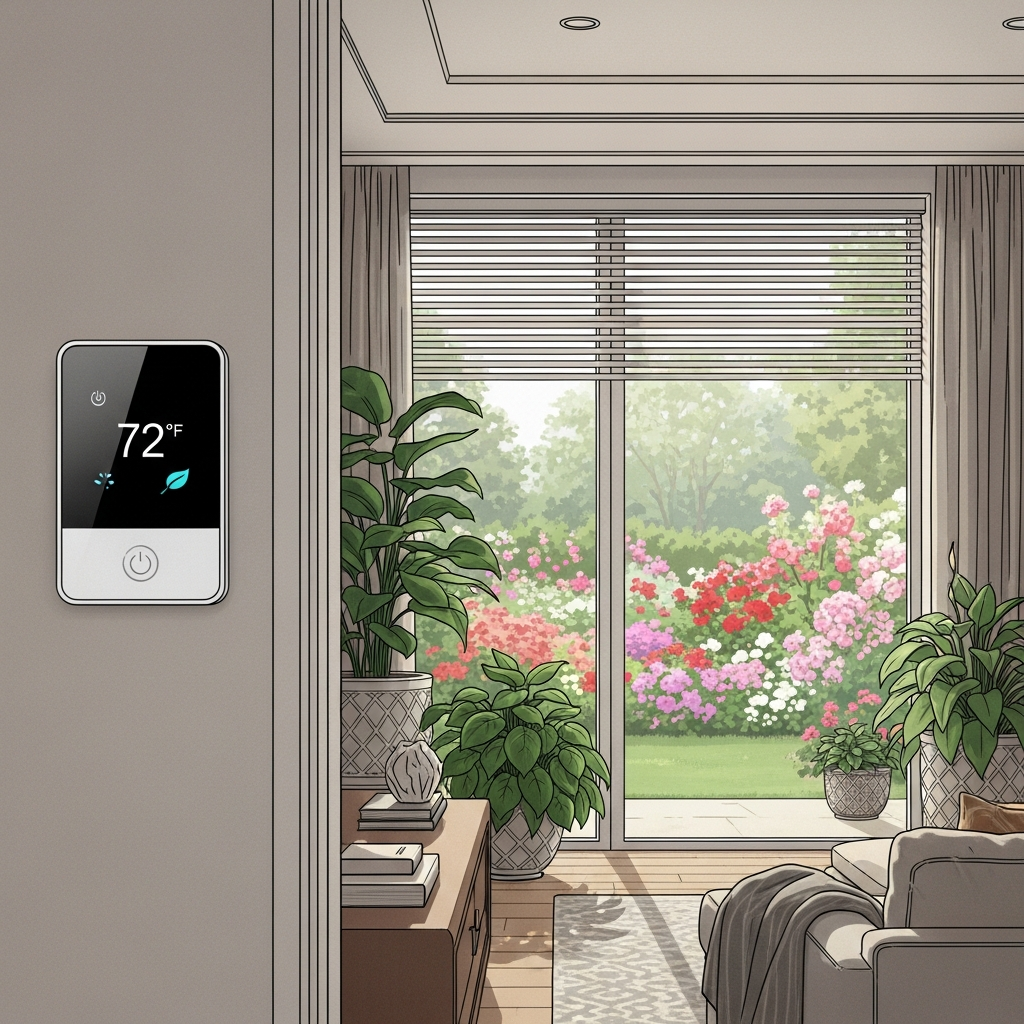
Here in Beverly Hills, the seasons don’t shift with dramatic snowfalls or long freezes, but the subtleties matter—cool coastal mornings, warm inland afternoons, and the occasional Santa Ana event that brings dry, quick heat. Homes across the flats and into the canyons experience these patterns differently, and your air conditioning strategy should acknowledge those differences. The goal is not simply to cool when it gets hot; it is to guide your home through each season with quiet, efficient, and healthy comfort. With a bit of foresight and the right plan for your air conditioning system, you can smooth out the peaks and valleys of weather so the interior always feels composed.
Seasonal planning starts with a simple question: how does your household actually use the home across the year? Summer entertaining, winter travel, and shoulder-season routines change the demand curve. By mapping those patterns to maintenance, controls, and small building improvements, you can keep your system in its sweet spot—steady, quiet, and almost invisible in daily life. Think of seasonal care less as a checklist and more as a conversation with your architecture and your schedule.
Spring: Prepare Before the First Heat Wave
Spring is the time to get ahead of the first surge of heat. Schedule a comprehensive tune-up when mornings are still cool, and give the system a low-stakes test run. Filters, coils, refrigerant charge, and electrical components all receive attention now so they do not become mid-summer problems. In Beverly Hills, where many systems live in hot attics or discreet mechanical rooms, early verification pays back by preventing heat-induced stress when afternoons climb.
This is also the perfect moment to examine airflow. Ask your technician to measure static pressure and temperature splits room by room. Small adjustments to supply register direction or balancing dampers can eliminate the warm pockets that show up later in the year. If you plan any renovations, align duct or register changes with your contractor’s schedule so comfort and aesthetics rise together.
Summer: Operate Strategically for Quiet, Even Comfort
Once summer arrives, operation strategy becomes as important as hardware. Pre-cooling before guests arrive keeps systems from racing to catch up against body heat and open doors. Smart thermostats help by easing setpoints ahead of peak sun and relaxing them slightly when rooms empty. In high-glass spaces, a 30-minute head start paired with shading maintains comfort without demanding loud, aggressive cycles.
Air quality demands attention during wildfire season. If smoke drifts into the region, close windows and run the fan continuously with a high-quality filter. Regularly check your filter during extended events, as loads can spike suddenly. The goal is to maintain a calm, interior refuge where air feels clean and temperatures hold steady despite outdoor volatility.
Fall: Reset, Clean Deeply, and Plan Improvements
Fall offers breathing room to reset. With temperatures moderating, you can schedule deeper cleanings and duct inspections without rushing. Attic and crawlspace conditions reveal themselves more comfortably now, so it is an ideal season to re-seal any leaky connections and refresh insulation where needed. These building-side improvements act like a supportive frame for your mechanicals, reducing runtime and smoothing out comfort for the seasons to come.
It is also a smart time to revisit control strategies. As routines shift back to school-year patterns or travel, update schedules so they match reality. If you find yourself consistently nudging the thermostat, consider whether a particular room’s supply direction or return placement could be refined. Small corrections here prevent months of micro-adjustments later.
Winter: Protect, Calibrate, and Keep Air Moving
Winters in Beverly Hills are typically mild, but indoor air quality and even temperatures still matter. If you use a heat pump, winter is when you experience the quiet steadiness of a single system handling both heating and cooling. Keep filters fresh, verify defrost cycles operate smoothly, and allow the fan to run at low speed to maintain air circulation. Even in traditional AC-plus-furnace homes, gentle circulation prevents rooms from feeling stagnant during long spells with closed windows.
This is also a sensible moment to calibrate thermostats and sensors. Battery changes, sensor checks, and app updates ensure your control system remains accurate. As you plan holiday gatherings or extended travel, align setback strategies to maintain humidity control and protect finishes without unnecessary runtime.
Santa Ana Winds and Smoke: Adaptive Responses
Our region’s distinctive weather includes episodes of hot, dry winds that can sap moisture and carry fine particulates. During these events, your seasonal plan should include a response: close windows and doors, switch the fan to continuous operation, and monitor indoor humidity. Filters bear a heavier load, so keep spares on hand. If anyone in the household is sensitive, consider integrating enhanced filtration selected to match your system’s airflow capacity so you do not create noisy, high-resistance bottlenecks.
When wildfire smoke drifts through, your home becomes a sanctuary. Maintenance earlier in the year—clean coils, sealed ducts, and well-fitted filters—pays off now. If your system includes smart monitoring, gentle alerts can remind you when to change filters or adjust fan schedules, turning a tense week into a manageable routine.
Smart Controls That Respect Your Routine
Seasonal advice often collapses into “set it and forget it,” but the most comfortable homes take advantage of smart controls with light touches. Geofencing can relax setpoints when the last person leaves and restore them before the first returns, turning empty hours into quiet savings. Vacation modes maintain a protective baseline while you are away, ensuring air moves enough to avoid stale zones and that humidity stays within a comfortable band.
Consider demand response participation as well. While we do not discuss pricing, we can say that coordinated, brief setpoint adjustments help stabilize the grid during peak demand. For most homeowners, these nudges are imperceptible when paired with pre-cooling and the natural thermal mass of the home, and they contribute to a more resilient community.
Filtration and Indoor Air Quality Across the Year
Filtration strategy deserves seasonal nuance. In spring, as flowers and trees bloom, a higher-performance filter can tame pollen. In summer and fall, when dust and smoke may spike, keep a close eye on filter condition and be ready to swap more frequently. In winter, with windows closed more often, steady low-speed circulation through a clean filter keeps indoor air fresh without introducing drafts or noise.
We often pair filtration advice with airflow measurements. If your system struggles with a higher MERV filter, we might adjust fan speed, increase return capacity, or choose a filter media with deeper pleats to achieve the target cleanliness without strangling airflow. The guiding principle is balance—excellent air quality delivered through quiet, efficient operation.
Envelope Improvements: A Seasonal Partner to AC
While the focus here is mechanical, the building envelope quietly shapes seasonal performance. In spring and fall, targeted air sealing and insulation improvements reduce the peaks your AC must counter in summer. Window treatments and exterior shading limit heat gain in the hours that matter most. These tweaks often go hand-in-hand with seasonal service because they use the same observations—hot rooms, drafty corners, and runtime patterns—to guide decisions.
In homes with significant glazing, low-e coatings and well-designed shades can temper afternoon surges. If you have a room that never quite behaves, seasonal advice may include redirecting a supply register, adding a return, or adjusting diffuser selection. Each step is small, but the cumulative effect is a home that stays consistently pleasant with less effort from the equipment.
Heat Pumps and Year-Round Versatility
Increasingly, Beverly Hills homeowners choose heat pumps for both cooling and heating. Seasonally, this simplifies life. One system receives care, one set of controls guides comfort, and performance remains even across the year. In cooling mode, heat pumps deliver the same crisp comfort as traditional AC. In heating mode, they provide steady warmth without combustion, which many appreciate for air quality and simplicity.
Seasonal checkups for heat pumps verify refrigerant charge, defrost timing, and sensor accuracy. As with any system, filters and coils set the foundation. When properly maintained, modern variable-speed heat pumps excel at matching output to real-time needs, minimizing noise and avoiding temperature swings.
Travel Patterns and Second Homes
Many Beverly Hills residences are part-time homes. Seasonal advice for these properties centers on gentle oversight. Remote access to thermostats allows you to “wake” the system before arrival, confirm operation during hot spells, and keep humidity in range while you are away. A quick monthly walkthrough—running the fan, checking filters, and verifying condensate drainage—prevents small issues from becoming homecoming surprises.
If staff or caretakers assist, align simple checklists with seasonal rhythms. In summer, they might confirm outdoor unit clearance and replace filters more often. In fall, they can report any attic insulation gaps or duct concerns they notice. A steady, light touch keeps the home ready for gatherings at a moment’s notice.
Diagnostics: Listen to Small Signals
Seasonal attention sharpens your ear for the system’s normal soundtrack. A new rattle at startup, a longer-than-usual cycle during an average afternoon, or a musty hint near a return are early clues. Reporting these patterns gives technicians a head start. Often, the fix is simple—a loose panel, a clogged drain, or a damper out of calibration—but catching it early keeps seasonal comfort on track.
Data helps too. If your app shows increasingly aggressive setpoint adjustments every afternoon, step back and ask why. Are shades open during the hottest hours? Is a diffuser aimed incorrectly at a seating area? Season-by-season, these small discoveries accumulate into a home that feels predictably comfortable.
Frequently Asked Questions
Q: When should I schedule my main AC service?
A: Spring is ideal in Beverly Hills. Temperatures are moderate, access is easier, and you can correct issues before the first heat wave. A brief fall visit pairs well with deeper cleanings and any duct or insulation upgrades.
Q: How do I adjust for Santa Ana wind events?
A: Close windows, run the fan continuously with a good filter, and monitor indoor humidity. Keep spare filters on hand, and consider enhanced filtration if anyone in the household is sensitive.
Q: Are heat pumps a good year-round choice here?
A: Absolutely. Heat pumps provide excellent cooling in summer and steady, efficient heating in our mild winters, simplifying maintenance and controls while improving indoor air quality.
Q: What’s the best summer thermostat strategy?
A: Pre-cool before peak sun or gatherings, use gentle setpoint changes, and lean on geofencing to relax settings when the home empties. Aim for steady operation rather than large, sudden swings.
Q: Do I need different filters by season?
A: Not necessarily, but seasonal conditions can guide timing. Spring pollen and summer smoke may justify more frequent changes. Choose media your system can handle and confirm fit to avoid bypass.
Q: How does insulation factor into seasonal AC advice?
A: A tighter, better-insulated envelope lowers demand on your AC, improving comfort and reducing runtime. Seasonal inspections identify where small upgrades can yield outsized benefits.
Q: My rooms feel uneven—should I wait for a full remodel?
A: Not at all. Seasonal service can include balancing, diffuser adjustments, and minor duct refinements that often solve comfort imbalances without major construction.
Set Your Home Up for a Calm Year
Seasonal care turns a good air conditioner into a dependable partner. If you are ready to tune your system to the patterns of Beverly Hills weather and your household routine, connect with local experts who understand our microclimates, architecture, and evolving codes. A short consultation can map out a year of comfort, from the first warm days of spring to the quiet cool of late autumn. Begin the conversation and schedule a visit with trusted air conditioning professionals who can tailor a seasonal plan to your home.