
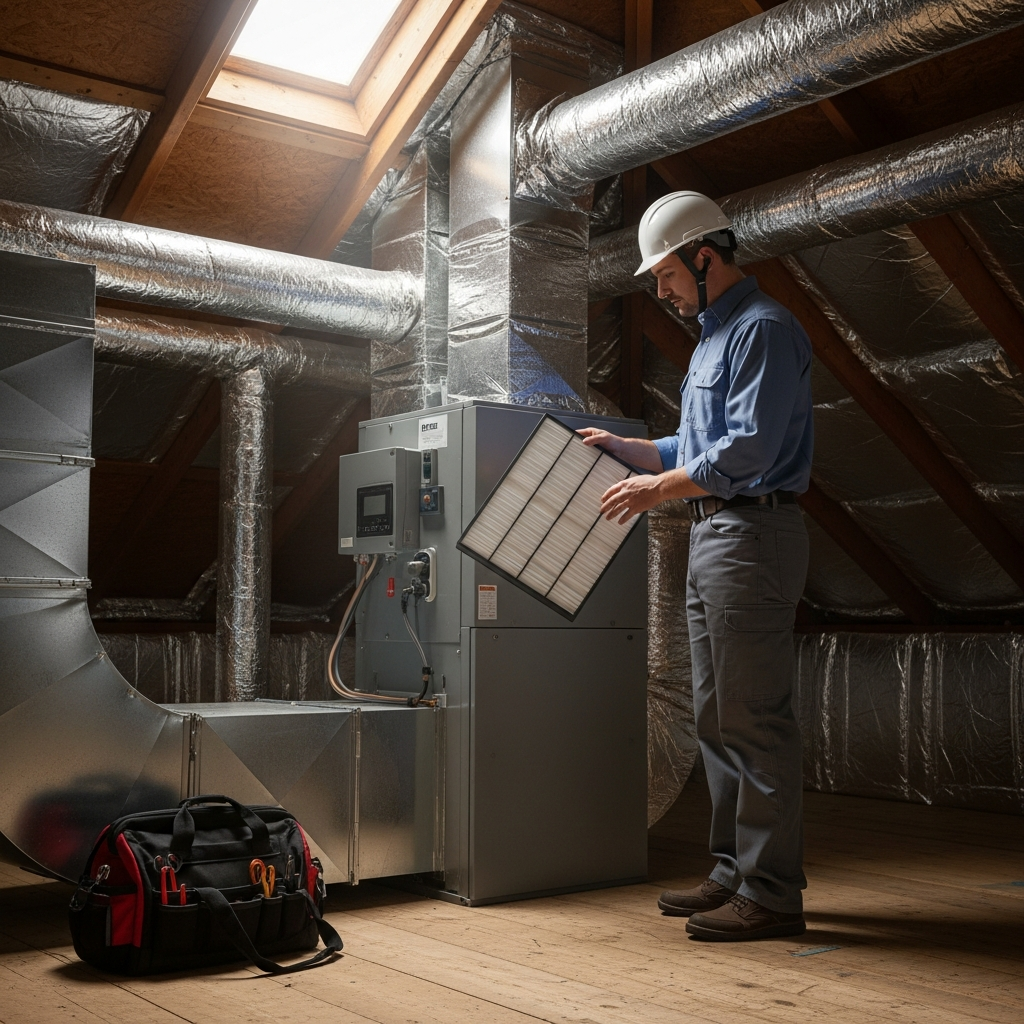
The rhythms of Beverly Hills living make a reliable air conditioner more than a luxury—it is a quiet companion to long summer days, evening gatherings, and early morning workouts before the sun climbs. Because our heat waves can arrive suddenly, often paired with low humidity and Santa Ana winds, an attentive maintenance routine turns out to be the most effective insurance against surprise breakdowns. After years of tuning and troubleshooting systems across the flats and into the canyons, I can tell you the best-performing equipment is not always the newest or the most elaborate. It is the system that gets steady, thoughtful care. Before the next warm spell, it pays to understand how a small set of maintenance habits can multiply comfort, protect finishes, and keep energy use in check—especially when they support a well-installed air conditioning system tailored to your home.
Start with the big picture: airflow. Every good maintenance plan protects airflow because your system lives or dies by it. Filters, coils, and ducts shape how easily air moves, and when any one of them is compromised, the rest of the system strains. In a Beverly Hills attic in August, a neglected filter can tip performance from excellent to frustrating in a single afternoon. That is why the simplest habit—checking your filter—always lands at the top of the list. Choose a filter that balances filtration with low resistance, slide it into place correctly, and replace it at intervals informed by how you live. Homes with pets, lots of entertaining, or ongoing landscape projects may need refreshes more often than a quiet pied-à-terre used on weekends.
Filter Discipline That Makes Everything Else Easier
Filters are conversation starters for a reason: they are easy to reach, inexpensive to maintain, and they protect nearly every other component. When filters clog, the blower labors, coils freeze, and rooms drift out of balance. In our area, a MERV 11–13 filter strikes a smart balance for many homes, capturing fine particulates and pollen while allowing steady airflow. Mark your calendar when you install a new one, and check it again after the first month to learn your home’s real cadence. That single habit reduces hot spots, keeps air fresher during peak pollen days, and lets the system breathe the way it was designed to.
Remember the importance of fit. Gaps around a filter defeat its purpose by letting unfiltered air bypass the media and deposit dust on coils and inside ducts. If your return grille does not hold a snug-fitting filter, ask a technician to recommend the right size or an improved frame. That small correction can prevent a chain reaction of issues downstream.
Coils, Condensate, and the Art of Clean Heat Exchange
When the evaporator coil inside your air handler collects dust, performance falters. Even a thin film impedes heat transfer and forces longer run times. During a professional service, we remove access panels, inspect the coil for buildup, and clean it with non-corrosive methods that protect the delicate fins. Outside, the condenser coil benefits from clear space and an occasional rinse. Trim back plantings, keep mulch and debris away from the base, and avoid aiming irrigation directly at the unit, which can accelerate mineral deposits on fins.
Do not overlook the condensate line—the quiet channel that carries away moisture the system removes from the air. A partially clogged line can trigger safety shutoffs or, worse, leak in inconvenient places. A technician will clear and treat the line during seasonal service, but homeowners can keep an eye out for slow drainage and make sure the line’s termination point remains unobstructed. In attics, a small float switch can be the difference between a minor nuisance and a ceiling repair, so periodic testing is worth the few minutes it takes.
Airflow Tuning: Ducts, Dampers, and Balance
Duct systems are the unsung heroes of comfort. Over time, sections can shift, seals can loosen, and insulation can sag—especially in hot attics and crawlspaces. Even a modest leak draws dusty air into the system, undermining filtration and forcing longer cycles. During maintenance visits, we inspect accessible ductwork, re-seal connections, and verify insulation integrity. Homeowners can support this effort by keeping storage away from duct runs in tight spaces and by reporting any new rattles or drafts that coincide with hot afternoons.
Zoned homes benefit from damper checks as well. Motorized dampers that stick or fail silently leave you cooling the wrong spaces. If a bedroom never seems to match the thermostat, a failed damper or sensor may be the culprit. Periodic verification and recalibration restore quiet control, allowing daytime areas to drift while evening rooms maintain the setpoint that supports rest.
Thermostat Strategy for Beverly Hills Schedules
Thermostats and apps amplify maintenance by shaping how your system operates throughout the day. A gentle, staged approach—pre-cooling before a party or easing into lower setpoints before bedtime—reduces strain. Rather than forcing a rapid drop, give the system time to work with the home’s thermal mass. In high-glass spaces or rooms with southwestern exposure, scheduling a small setpoint reduction 30 minutes ahead of peak sun can maintain comfort while avoiding aggressive, noisy cycles.
Meanwhile, geofencing features help avoid cooling empty rooms. When used thoughtfully, these tools protect comfort without wasting effort. During travel, a modest setback maintains humidity control and protects art and finishes while trimming runtime. The goal is to move air and temperature in anticipation of your routine, not in reaction to discomfort after it has already settled in.
Outdoor Unit Care: Protection Without Smothering
Outdoor condensers prefer breathing room and shade, but not confinement. Fences and plantings should allow ample clearance on all sides to support smooth airflow through the coil. If you prefer to screen the unit for aesthetics, choose solutions that let air move freely and that remain service-friendly. Vibration pads and level surfaces also matter; a unit that shifts out of level can affect oil distribution and compressor health over time.
For homes near active landscaping, blowing clippings away from the coil after mowing and trimming keeps the unit efficient between professional cleanings. If you notice unusual fan noise, a cyclical hum, or a persistent rattle, make a note of when it occurs and call it in. Early attention can prevent a minor imbalance from becoming a larger repair.
Wildfire, Winds, and Seasonal Air Quality
Our region’s air can change quickly with Santa Ana winds and wildfire smoke. When air quality declines, keeping doors and windows closed and running the system’s fan continuously with a high-quality filter can markedly improve indoor conditions. Maintenance plays into this by ensuring fan settings, filtration, and duct tightness are dialed in long before smoke becomes a topic. It is also wise to have a spare set of filters on hand during peak season so you can swap them quickly if conditions warrant.
In homes with particularly sensitive occupants, we sometimes integrate enhanced filtration or consider add-on technologies. The key is alignment with your duct design and airflow capacity. Piling on too much resistance in pursuit of purity backfires; instead, we choose media that your system can handle and set fan speeds accordingly to maintain comfortable noise levels and steady flow.
Electrical Health and Safety Devices
Beyond the mechanical side, electrical integrity is a maintenance essential. Loose connections generate heat, worn contactors cause intermittent starts, and aging capacitors can leave a compressor silent on the hottest day. During a tune-up, we tighten terminations, test voltage and amperage draw, and verify safety switches. Homeowners sometimes first encounter these issues as a tripped breaker; if that happens more than once, call for service rather than repeatedly resetting. The pattern itself is diagnostic and helps us resolve the root cause.
Surge protection is also worth considering in our grid environment. While Beverly Hills enjoys reliable power, brief disturbances can still stress electronics in variable-speed equipment. Simple, well-placed protection helps preserve control boards and drives, extending the life of high-performance systems.
Refrigerant, Airflow, and the Frozen Coil Mystery
One common hot-day surprise is ice on the evaporator coil. It might seem paradoxical, but a frozen coil is often a symptom of airflow restriction—frequently a dirty filter or blocked return—rather than a refrigerant problem. Of course, low charge can cause similar symptoms, which is why professional gauges and temperature readings matter. As part of routine maintenance, we measure system pressures and temperatures, verify superheat and subcooling where applicable, and confirm the charge aligns with manufacturer specifications. Those checks keep the system in the zone where it quietly excels.
If you notice reduced airflow or a growing temperature split between rooms, turn the system off and switch the fan to “on” to thaw the coil. Then address the trigger—often a filter or return blockage—before restarting cooling. Reporting the sequence of events helps technicians resolve the issue accurately on their first visit.
Attic Realities and Insulation Synergy
Maintenance extends beyond the equipment to the building assembly. In our climate, attics can turn into radiant ovens. Improving insulation and sealing attic penetrations support your air conditioner by reducing the heat it must remove. During a service visit, we often peek at attic conditions, note obvious gaps, and recommend targeted air sealing or insulation upgrades that harmonize with your existing system. A tighter envelope reduces runtime, softens temperature swings, and keeps ducts in a friendlier environment.
Sealing also helps with dust. When attics are leaky, every duct imperfection becomes a pathway for particles, and filters shoulder a bigger burden. Tightening the shell multiplies the effect of filter discipline, giving you cleaner air and more consistent comfort with less effort from the equipment.
Smart Monitoring and Gentle Alerts
Many modern systems and third-party monitors provide real-time insights: temperature differentials across coils, humidity levels, and even notifications when the condensate line trips a float switch. Used calmly, these tools empower rather than overwhelm. We set thresholds that matter—deviations that hint at a developing issue—so homeowners can act early without babysitting the system. The philosophy is simple: quiet oversight that respects your routine and helps avoid emergencies.
App dashboards also reveal patterns you might otherwise miss. If setpoints drift lower every afternoon to tame a hot room, that is a cue to look at shading, supply direction, or duct balance. Maintenance becomes a feedback loop, turning small observations into targeted improvements.
Seasonal Cadence That Fits Beverly Hills
In spring, schedule a comprehensive tune-up before the first heat wave. Summer is the time to check filters more frequently and verify outdoor clearance. Fall is perfect for deeper cleaning, duct inspections, and any insulation work. Winter, even in mild years, is when we revisit controls and confirm setbacks feel comfortable. This rhythm honors the local climate and the social calendar, keeping your home poised for spontaneous gatherings and peaceful nights alike.
For second homes or properties used intermittently, consider a caretaker routine. A monthly walkthrough to run the system briefly, check filters, and verify drainage prevents stale air and surprises. Remote thermostats make this even easier, letting you nudge temperatures and confirm operation from wherever you are.
Frequently Asked Questions
Q: How often should I change my filter during peak summer?
A: Check monthly to learn your home’s pattern. Many Beverly Hills households benefit from changes every one to three months in summer, depending on pets, proximity to landscaping work, and how often doors open for entertaining.
Q: My home cools but feels clammy—why?
A: That often points to short cycling or restricted airflow. Ensuring proper filter fit, clean coils, and correct system sizing helps the air handler run long enough to remove moisture, delivering crisp rather than damp cool.
Q: Is it okay to hose off the outdoor unit?
A: A gentle rinse from the inside out can help, but avoid high pressure and do not bend fins. Keep power off during cleaning and leave deeper coil service to professionals equipped with the right cleaners and tools.
Q: What should I do before a forecasted heat wave?
A: Verify a clean filter, clear the outdoor unit’s perimeter, and pre-cool your home slightly ahead of the hottest hours. Consider closing blinds on sun-exposed glass and running the fan continuously for even mixing.
Q: Does running the fan only (no cooling) help at night?
A: In many homes, yes. Continuous low-speed fan operation evens out temperatures and keeps air moving through the filter. If outdoor air is cooler and clean, natural ventilation may help, but during smoky or windy spells, keep windows closed.
Q: Can better insulation reduce maintenance needs?
A: Indirectly, yes. A tighter envelope reduces runtime and stress on components, lowering the chance of coil freeze-ups and lengthening the intervals between deep cleanings. It is a partner to mechanical care.
Q: Are smart thermostats hard on equipment?
A: Not when configured correctly. Thoughtful schedules, gentle setpoint changes, and demand response participation can all reduce strain. The key is calibration and avoiding aggressive temperature swings.
Keep Your Cool, Confidently
Whether you host every weekend or savor quiet evenings, a steady maintenance routine gives your air conditioner the conditions it needs to excel. If it has been a while since your last tune-up, or if you would like help tailoring filter choices and schedules to your home, there is no better time to begin. Tap into local expertise, align your system with the realities of our climate, and step into summer with calm assurance by connecting with trusted Beverly Hills air conditioning specialists who can keep your system running at its best.