
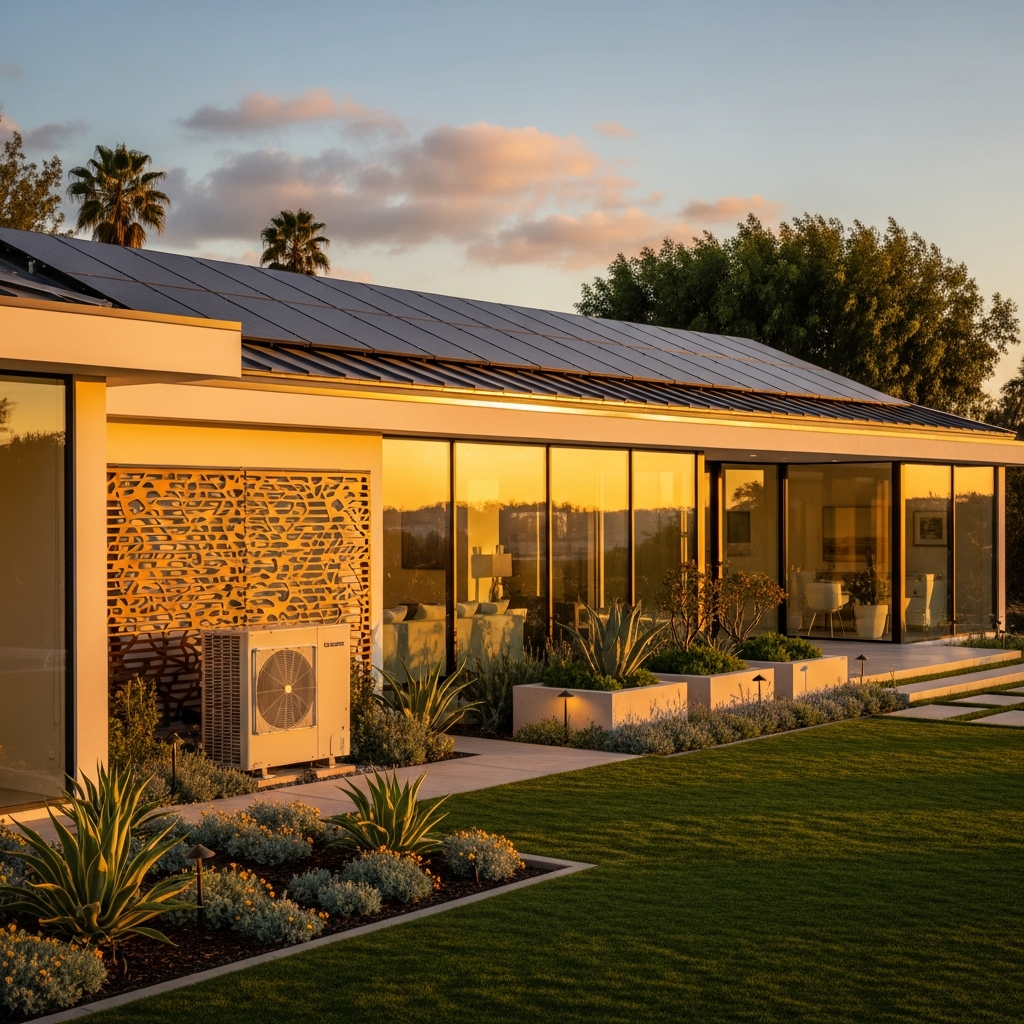
In Beverly Hills, the conversation about comfort increasingly includes a quiet but vital question: what is the environmental footprint of the way we cool our homes? The answer is layered. It involves the electricity our systems consume, the refrigerants they use, the tightness of our building envelopes, and even our daily habits. Addressing environmental impact is not about sacrificing comfort; it is about designing, operating, and maintaining systems so they deliver the cool, calm interiors we love while treading more lightly on the grid and the planet. With the right approach to air conditioning, Beverly Hills homes can achieve both elegance and responsibility.
Our climate invites nuanced solutions. We face warm summers, mild winters, and episodic heat waves. Those patterns favor high-efficiency systems that modulate output, buildings that temper heat gain naturally, and controls that align operation with occupancy. When each piece supports the next, the environmental load drops dramatically without asking you to live any differently.
Energy Use: Where Efficiency Really Comes From
It is easy to think of efficiency as a number on a label, but in the real world, design and calibration dominate. A system with a strong efficiency rating can still waste energy if the ducts leak or if it is oversized and short-cycles. Conversely, a thoughtfully designed system with sealed ducts, balanced airflow, and smart controls can outperform expectations. In Beverly Hills, many homes have unique floor plans and architectural features that reward custom duct strategies and careful load calculations. Those details keep compressors and blowers operating in their most efficient ranges—low, steady, and quiet.
Zoning also shapes energy use. When bedrooms and living areas are separated, you can condition only the spaces you are using. That means less run time, fewer rapid spikes in demand, and a smoother profile on the grid. Coupled with pre-cooling strategies that lean on a home’s thermal mass, zoning reduces both total consumption and peak power draw.
Refrigerants: Invisible but Important
Refrigerants enable the magic of heat transfer, but they carry different global warming potentials (GWPs). The industry has moved from legacy refrigerants toward options with lower GWP, and newer systems continue that trend. While homeowners rarely interact with refrigerants directly, installation and service practices make a major environmental difference. Proper evacuation, accurate charging, and diligent leak checks minimize releases to the atmosphere and maintain performance over time.
This is where qualified technicians matter. A well-handled charge keeps the system efficient and reduces the need for top-offs that hint at small leaks. If you are upgrading equipment, asking about refrigerant type and handling protocols aligns your investment with environmental responsibility in a very practical way.
Building Envelope: The Partner You Can’t See
Every watt your AC uses is a response to heat entering the home. Tightening the building envelope—through air sealing, insulation, and thoughtful shading—reduces that incoming load. In Beverly Hills, many homes feature generous glazing and stylistic choices that welcome light. With strategic improvements, you can keep the light while reducing heat gain. Low-e coatings, interior shades, and exterior devices like trellises temper solar load, allowing smaller, more efficient systems to carry the day with ease.
Sealed attics and well-insulated ducts dramatically improve performance because they keep conditioned air at the temperature it should be. When ducts run through hot attics without enough insulation or with leaky connections, systems must work harder and longer to achieve the same result. Sealing and insulating repay both environmentally and experientially: you get quieter, steadier comfort with fewer runtime hours.
Controls and Behavior: Small Choices, Big Effects
Smart thermostats, occupancy sensors, and geofencing turn daily habits into energy wins. Pre-cooling spaces ahead of peak heat, relaxing setpoints during empty hours, and using gentle fan circulation for even temperatures all lower consumption without compromising comfort. Demand response participation trims peak load—a specific environmental benefit because peak periods are often when the grid relies more on fast-ramping resources. By allowing small, temporary setpoint changes, homeowners help stabilize the system serving the whole community.
These strategies do not mean you must constantly manage the thermostat. The best setups are “set and support”—you set preferences, and the system supports them with quiet automation. Over the course of a season, those invisible adjustments add up to meaningful reductions in energy use.
Heat Pumps: One System, Year-Round Responsibility
Heat pumps can provide both cooling and heating from the same equipment, removing combustion from the equation and simplifying maintenance. In our mild-winter climate, they are especially effective, delivering efficient cooling in summer and steady heat in cooler months. Variable-speed heat pumps excel at matching capacity to real-time needs, which keeps operation efficient and avoids the energy waste associated with oversized, single-speed systems.
From an environmental perspective, heat pumps also align well with homes that use or plan to add rooftop solar. By shifting more of your home’s energy needs to electricity, they open the door to cleaner, locally generated power. The combination of an efficient envelope, a right-sized heat pump, and smart controls creates a coherent, low-impact comfort strategy.
Noise and Neighborhood Considerations
Environmental impact includes sound. While not a carbon metric, noise influences quality of life for households and neighbors. Modern condensers are much quieter than past generations, and placement, vibration isolation, and thoughtful acoustic screening can make them nearly imperceptible. Reducing noise serves the community and often accompanies the same design steps that improve efficiency—steady operation at lower speeds is both quieter and less energy intensive.
City guidelines also influence responsible installations. Setbacks, allowable decibel levels, and screening requirements guide where and how outdoor units are placed. Aligning with these rules at the design stage eliminates rework and creates outcomes that both look and sound right the first time.
End-of-Life and Recycling
Responsible environmental practice continues when equipment reaches retirement. Proper recovery of refrigerant, recycling of metals, and safe disposal of electronics keep harmful materials out of the environment and redirect valuable resources back into use. When planning an upgrade, ask how the contractor handles removal and disposal. Even better, plan ahead—retire aging equipment proactively during a shoulder season so the process is orderly and you avoid emergency decisions during a heat wave.
Thoughtful timing also allows duct evaluations and envelope improvements to be completed simultaneously. When new, efficient equipment pairs with tight ducts and a tuned envelope, you capture the environmental benefits from day one rather than staging them piecemeal over years.
Air Quality: Protecting Health Indoors
Environmental stewardship includes the air we breathe inside our homes. Filtration is a primary tool. Media with higher MERV ratings capture finer particulates, including some components of wildfire smoke. However, filters must be chosen to match your system’s airflow capacity. If resistance is too high, energy use climbs and comfort suffers. A balanced approach—often deeper-pleated media with more surface area—achieves clean air while keeping fans in efficient ranges.
Sealed ducts complement filtration by preventing dusty attic air from entering the system. Together, these measures protect health during seasonal smoke events and maintain a baseline of clean indoor air the rest of the year. Cleaner air also preserves finishes and reduces the subtle film that can settle on surfaces in high-traffic homes.
Design Case Studies: What Works Here
Consider a hillside contemporary with dramatic western exposure. Exterior shading, spectrally selective glazing, and a right-sized variable-speed heat pump reduce the afternoon load so the system hums gently rather than roaring at 5 p.m. Pair that with zoning to let unused rooms drift, and the environmental footprint shrinks significantly. The homeowner experiences seamless comfort and lower energy consumption without thinking about it after setup.
Or take a 1930s home with a hot attic and charming but leaky plaster. Air sealing top plates, adding attic insulation, and re-sealing ducts transform how the existing system performs. Suddenly, the equipment spends more time at low speed, cycles lengthen, and indoor air stays calmer. Environmental impact drops because the home no longer asks as much of the machinery to maintain the same comfort.
Maintenance: The Quiet Cornerstone
Nothing undermines efficiency faster than neglect. Dirty coils, clogged filters, and low refrigerant charge push systems into longer, less effective cycles. Seasonal tune-ups rescue performance by restoring clean heat exchange surfaces, verifying charge, and catching issues before they bloom into heavy energy use. The maintenance items that sound small—clearing a condensate line, tightening electrical connections—often produce the biggest environmental wins over time because they protect the system’s ability to run steadily and quietly.
Monitoring adds another layer. Many modern systems can report airflow, temperature deltas, and runtime patterns. Used with restraint, these tools flag deviations that suggest a leak, a failing fan, or an obstruction. Addressing such changes early keeps performance high and energy use low through the life of the system.
Community and Grid Awareness
Beverly Hills is part of a larger grid that responds to collective behavior. When many homes peak simultaneously, the grid leans on fast-start resources that can carry a higher environmental cost. Strategies like pre-cooling before late-afternoon demand and participating in demand response events distribute load more evenly. The result is comfort maintained with a lighter footprint, both for your meter and for the neighborhood as a whole.
Backup and resilience enter the picture as well. While full outages are uncommon, brief disturbances occur. Systems designed for steady operation handle these moments better, and homes with thoughtful shading and tight envelopes ride through them with less discomfort. Resilience, in this sense, is environmental too—it reflects a home that needs less energy to stay habitable.
Frequently Asked Questions
Q: Does choosing a higher SEER2 system guarantee low energy use?
A: Not by itself. Duct sealing, sizing, control strategy, and envelope improvements determine whether that efficiency translates into real-world performance. Think of the equipment rating as potential that design and maintenance must unlock.
Q: Are heat pumps truly better for the environment here?
A: In our mild climate, yes. Heat pumps provide efficient cooling and heating, pair well with rooftop solar, and eliminate on-site combustion. When right-sized and well-installed, they deliver comfort with a smaller overall footprint.
Q: How do filters affect environmental impact?
A: Clean, appropriately selected filters preserve airflow and reduce runtime, improving efficiency. Higher MERV ratings can capture finer particulates, but they must be matched to the system to avoid excessive resistance and energy use.
Q: What matters more: new equipment or better insulation?
A: Both matter, but a tuned envelope amplifies the value of any equipment. Often, targeted air sealing and insulation upgrades let you select smaller, quieter systems and enjoy better comfort with less energy.
Q: Is demand response noticeable?
A: When configured carefully with pre-cooling, most homeowners do not feel the brief, modest setpoint adjustments. The payoff is lower peak demand community-wide and a more stable grid.
Q: How often should a system be serviced to stay efficient?
A: A thorough spring tune-up, plus filter checks throughout the year, keeps performance high. Homes with heavy use or challenging attic conditions may benefit from additional attention in fall.
Choose Comfort with a Lighter Touch
Reducing environmental impact does not mean living with less comfort. It means aligning design, controls, and care so your system works with your home rather than against it. If you are ready to explore practical steps—from duct sealing to right-sized heat pumps and smarter controls—connect with local Beverly Hills experts who understand how to make these pieces sing together. Start a conversation and map out a plan with trusted air conditioning professionals who can elevate comfort while lowering your footprint.