
Practical AC Maintenance Tips for Beverly Hills Homes
In Beverly Hills, comfort has a signature: cool rooms that never feel drafty, quiet supply air that seems to arrive from nowhere, and a sense that the house remains collected even when the valley sizzles. Achieving that calm requires small, consistent habits that support your air conditioner between professional tune-ups. The good news is that most of the best practices are simple and discreet—you can weave them into your housekeeping rhythm without turning your home into a mechanical workshop. Before the season warms, many residents schedule professional air conditioning maintenance to establish a strong baseline, then add these homeowner touches to extend the benefits.
Start with airflow, the quiet foundation of every comfortable room. Returns need breathing space, which means draperies, armoires, and large art leaning against walls should not cover intake grilles. A return that can breathe is a return that lets the system work easily, keeping fan speeds steady and noise low. In the same spirit, supply registers should have a clear path so cool air can glide into the room and mix gently before it reaches where you sit, read, or gather. A gentle hand and a thoughtful eye prevent your décor from compromising the air you enjoy.
Filtration Choices and a Calm Interior
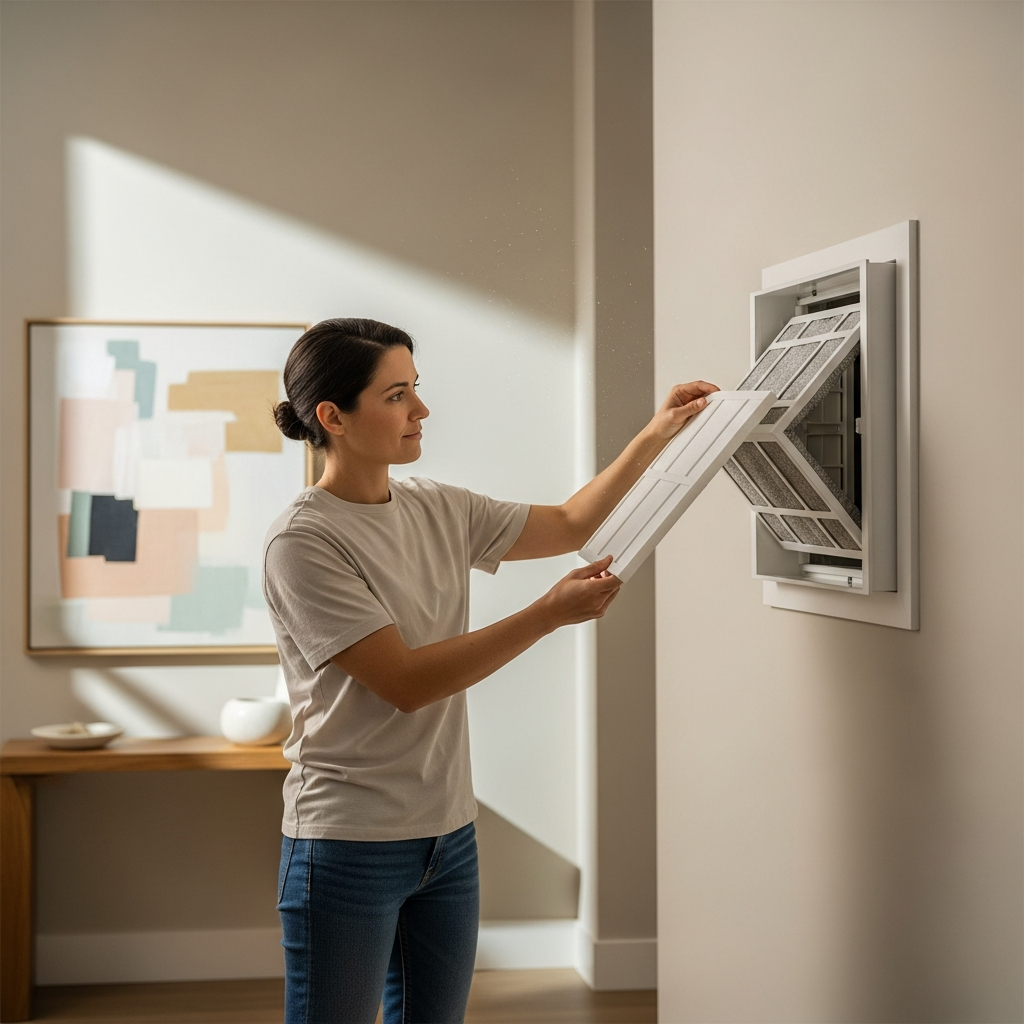
Filters are the small heroes of maintenance. Ask your technician which rating suits your system and lifestyle; higher is not always better, especially if the blower was not designed for high-resistance media. Once you have the right filter, replace it on schedule. If your home hosts frequent dinners, if a pet naps near a return, or if nearby landscaping stirs up dust, lean toward more frequent checks during peak months. A clean filter keeps the evaporator coil clean, and a clean coil supports both performance and the fresh scent of your interiors.
Speaking of coils, outdoor condensers deserve some attention without turning them into weekend projects. Keep plantings trimmed so the equipment can inhale and exhale as designed. Irrigation should not spray directly onto the unit, and seasonal leaves or jacaranda blossoms should be brushed away. This is not about scrubbing—leave deep cleaning to your technician during service—but a watchful glance every week or two pays off in quieter operation and steadier cooling.
Thermostat Wisdom for Beverly Hills Lifestyles
Modern controls make it easy to match cooling to the way you live. If your home comes alive in the evenings, plan for a gentle cool-down before guests arrive, then let the system ease back overnight. Many thermostats learn your patterns and anticipate your preferences, reducing unnecessary run time. If you have multiple zones, treat them individually rather than forcing a whole-house setting to match the busiest room. It is a subtle way to keep both comfort and serenity high.
When changing settings, think in small steps. Large swings prompt the system to run harder, which is noisier and less refined. A couple of degrees nudged earlier in the day often feels better than a big shift the moment you want it. If your home includes a gym, studio, or cinema that sees intermittent use, have your technician help you create set points that keep those spaces fresh without overcooling when idle.
The Quiet Importance of Drainage
Even in our typically dry climate, cooling creates condensate. Your system includes pans and drain lines that guide that water away. During professional service, these lines are cleared and confirmed. Between visits, you can support that work by staying alert to any unusual moisture near indoor equipment or damp odors around supply vents. If you ever notice a safety float switch tripping or see water where it does not belong, pause the system and call your technician; quick attention keeps small issues small.
Kitchens and bathrooms can add moisture to the home, especially when entertaining. Good ventilation—range hoods that actually vent and bathroom fans used after showers—reduces the load on your air conditioner and supports a crisper indoor feel. These are quiet choices that protect finishes as much as they protect equipment.
Windows, Shade, and the Afternoon Sun
We love our light here, but afternoon sun is a test for any cooling system. Well-planned shade makes a difference. Window treatments that filter heat while preserving the view, exterior shading for glassy elevations, and thoughtful placement of trees can all reduce the intensity of late-day load. Even small adjustments—the angle of louvers, when you close sheers—change how hard your AC must work between 3 p.m. and sunset.
In rooms with double-height ceilings or expansive glazing, ask your technician about airflow tuning. Slightly cooler supply temperatures in specific zones or strategic diffuser choices can make late-afternoon comfort feel effortless without pushing the entire home colder than it needs to be.
Listening to Your System
Your AC speaks softly when it is happy. A smooth start-up, a steady hum outside, relaxed air at the registers, and a return to quiet when the set point is met—these are the system’s compliments to your home. Listen now and then. If you hear a click that was not there last week, a rattle that shows up at a particular speed, or a gurgle near a drain, make a note. These are clues your technician can use to correct small issues before they become larger. That’s another reason to keep a simple record of observations and service dates.
Odors tell stories too. A musty note near returns may point to a filter needing attention or a drain that wants a flush. A faint singe scent when the system first starts for the season may simply be dust shaken loose from duct interiors, but if it persists, it is worth a professional’s eye. Calm interiors are born of these small, proactive responses.
Mid-Season Check-Ins and Gentle Housekeeping
Once summer is underway, a mid-season touchpoint can extend the benefits of spring service. Filters that looked fine in April can be tired by July if the household has been lively. Outdoor coils that were spotless can collect a veil of dust after windy weeks. Consider a brief follow-up that focuses on filtration and drainage. It is also a perfect time to adjust set points if the season is running warmer than usual.
Throughout, keep housekeeping aligned with airflow. Rugs should not creep over returns, decorative screens should not quietly block diffusers, and seasonal décor should not crowd outdoor units. These are gentler tasks than they sound—once you learn to spot the telltales, you will notice and correct them almost without thinking.
Partnering with Pros
Everything you do at home works best when paired with professional care. A trusted local team understands our microclimates, the way canyon winds move dust, and how marine layers influence overnight cooling. They also understand the art of working in homes where privacy and presentation matter. When you schedule a spring tune-up and a targeted mid-season follow-up, your home stays composed even during heat waves. That middle-of-summer appointment is also a natural moment to discuss a tailored maintenance tips plan for the rest of the year.
FAQ: Air Conditioning Maintenance Tips
How often should I replace filters? Follow your technician’s guidance for your filter type and usage. Many homes do well with quarterly changes, but homes with pets or frequent entertaining may need more attention during peak months.
Is there a quick way to tell if a return is blocked? Hold a tissue near the grille; if it barely moves when the system is running, airflow might be restricted. Make sure furniture and drapes give the return space to breathe.
Do I need to hose down my outdoor unit? Gentle brushing of leaves and debris is helpful, but deep cleaning is a job for your technician. Avoid high-pressure water, which can damage delicate fins.
What thermostat settings work best? Aim for small, anticipatory adjustments rather than large swings. If you know afternoons run warm, start a gentle cool-down earlier rather than demanding a sudden drop at 4 p.m.
Can I improve air quality without stressing the system? Yes. Use an appropriate filter rating, keep coils and drains cared for during service, and ventilate kitchens and baths effectively. Consider discussing dedicated ventilation with your technician if indoor air quality is a priority.
When should I call a professional? If you notice new sounds, odors, or moisture where it should not be—or if comfort changes in familiar rooms—schedule a check. Early attention keeps things quiet and reliable.
If you are ready to make Beverly Hills summers feel effortlessly cool, pair smart habits with expert care. Keep airflow clear, settings thoughtful, and eyes on the subtle signs your system offers. When it is time for a professional hand, schedule your next air maintenance and enjoy a home that stays poised, quiet, and beautifully comfortable.