
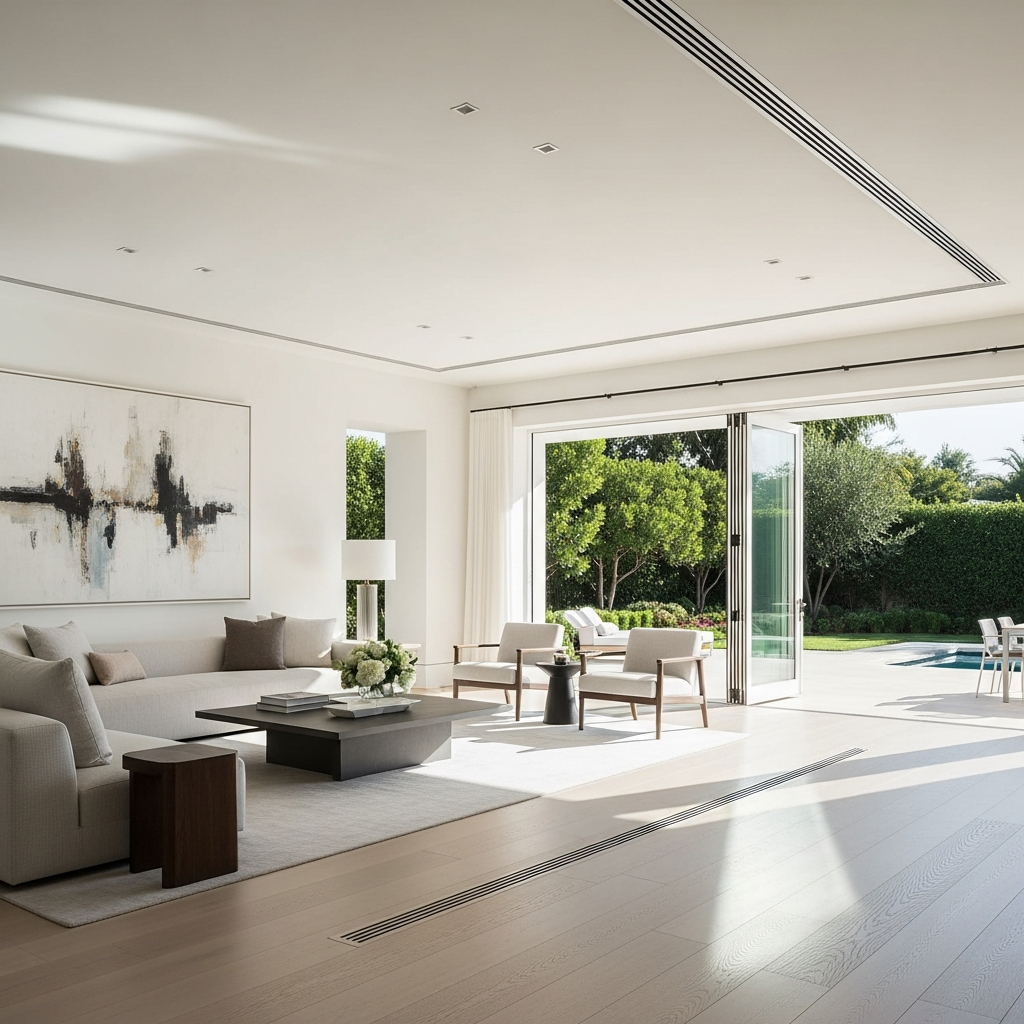
Step outside on a bright Beverly Hills morning and you can feel the subtle shifts that define our microclimates. The air rolls in differently along the flats than it does in the canyons, and temperature swings can feel surprisingly broad from mid-afternoon to late evening. These nuances shape daily life here, from the way we plan outdoor dinners to the systems we rely on to keep our interiors calm and comfortable. Among those systems, central air conditioning stands out as a quiet workhorse, especially when it is tailored to the architecture and rhythms of a Beverly Hills home. When properly sized, expertly installed, and thoughtfully maintained, the right air conditioning solution does far more than cool a room; it elevates how a home feels, sounds, and functions through the hottest days of the year.
As a local HVAC professional, I often start conversations not with equipment models but with lifestyle. Beverly Hills households entertain frequently, travel unpredictably, and move between indoor and outdoor spaces with ease. Central air must respond to that fluidity—ramping up before guests arrive, staying whisper-quiet during a screening, and maintaining steady comfort even as patio doors open and close. The benefits of going central, rather than relying on a patchwork of portable or window units, are most obvious only after you live with the system for a season: the evenness, the air quality, and the sense that your home is always “ready.”
Comfort That Feels Effortless, Room to Room
One of the defining advantages of central air is its ability to deliver consistent temperatures across multiple rooms and levels. In Beverly Hills, this matters because many of our homes include varied ceiling heights, open staircases, and long corridors that can trap warm air. A properly balanced central system equalizes those differences, reducing the hotspots you might notice in a sunlit family room or the chill that settles in a north-facing office. Instead of chasing comfort with a remote, you arrive at it naturally as the system trims small fluctuations before you ever feel them.
Humidity control is the often-unheralded companion to temperature control. While Southern California is known for its dry heat, we experience days of marine influence and coastal layer that can introduce a sticky note to the air. Central systems excel at modulating humidity, taking the edge off muggy afternoons and helping protect materials like hardwood floors, vintage millwork, and art. Over time, a balanced indoor environment preserves finishes and keeps fabrics feeling fresh, day after day.
Energy Efficiency That Rewards Good Design
It’s tempting to judge efficiency by a label alone, but in real homes, design decisions drive results. Duct layout, insulation levels, and sealed penetrations are as influential as the SEER2 rating on a condenser. In Beverly Hills, where many houses have additions spanning decades and varied construction styles, a central system allows a holistic approach. We examine return locations, duct sizes, and supply register placement so the equipment can operate in its sweet spot—low and steady—rather than cycling aggressively. That steadiness is where the savings live, along with quieter operation and longer equipment life.
Zoning is another efficiency win. By breaking a home into zones—perhaps separating bedrooms from living areas—you condition only the spaces that need attention. In practice, this looks like a serene, cooler bedroom wing at night while the kitchen and great room drift up a few degrees until morning. With modern controls, these shifts happen automatically according to your patterns, reducing waste while keeping comfort personal.
Air Quality Tailored to Beverly Hills Realities
We think of cooling first, but homeowners increasingly choose central air for the filtration benefits alone. Filters rated MERV 11–13, and in some cases higher-performance media, can be integrated to capture fine particulates, pollen, and even some smoke—an unfortunate seasonal reality across Southern California. When the Santa Ana winds kick up, you’ll notice a tangible difference as the central system quietly turns over and cleans the air while maintaining temperature.
Beyond filters, thoughtful return and supply placement minimizes drafts and dead zones. High returns in open spaces, low returns in basement rooms, and diffusers selected for throw and spread all contribute to air that feels uniform and calm. The effect is subtle—guests don’t remark on it—but you’ll sense the absence of stale corners and the easier breathing during allergy season.
Peace and Quiet You Can Feel
One of the reasons central air fits seamlessly into Beverly Hills homes is its acoustic profile. With the compressor located outside and air moved through insulated ducts, interior noise drops dramatically compared to room units. In media rooms and bedrooms, that quiet becomes a primary benefit. You can watch a late film, host a quiet dinner, or wind down with a book without the start-stop buzz that can fatigue the senses.
Sound matters outdoors too. Neighbors and city codes expect a certain discretion with mechanical equipment. Careful placement, vibration isolation, and modern condenser designs all contribute to a better sound environment. When coordinated early in design, even visible equipment can be tucked behind hedges or walls, preserving sightlines and the home’s architectural harmony.
Aesthetic Integrity and Architectural Flexibility
With central air, grilles and registers can be selected to complement interiors, and duct pathways can be threaded through attics, crawlspaces, or soffits with minimal visual impact. This is crucial in Beverly Hills, where Spanish Revival details, mid-century lines, and contemporary glass pavilions each demand a different touch. Central systems respect those choices. Instead of a piecemeal look created by window shakers or floor units, you achieve a clean, uninterrupted aesthetic that honors the home’s original intent.
For renovations, we can phase work to coincide with other trades, slotting ducts before drywall closes or coordinating chases with cabinetry. The result is a finished look where climate control is present but never prominent, supporting the architecture rather than interrupting it.
Smart Controls for Real Life Schedules
Modern thermostats and apps transform how a central system serves a home. Pre-cooling before a dinner party, adjusting setpoints after you’ve left for the airport, or receiving alerts when a filter needs attention—these conveniences become second nature. Crucially, they also help systems run at their most efficient by aligning operation with occupancy.
Participation in utility demand response events is simpler with central controls as well. You can allow brief, automated setpoint adjustments during peak periods while maintaining comfort, leveraging the home’s thermal mass. These small choices add up to a more resilient grid and a smoother, more cost-effective experience without sacrificing the cool you count on.
Thoughtful Sizing and Design Are Everything
“Bigger is better” is a persistent myth. In reality, an oversized unit will short-cycle, leaving air clammy and rooms uneven; an undersized unit will grind away without ever quite delivering. The fix is a careful load calculation that accounts for glazing, shading, insulation, infiltration, and internal gains from cooking and electronics. We also look at the home’s microclimate—canyon breezes, sun orientation, and the influence of mature landscaping. With those factors in hand, we select equipment and lay out ducts to match the real needs of the structure.
Duct design, often overlooked, is the circulatory system of comfort. Smooth, sealed runs with the right diameters and balanced dampers keep static pressure in check so blowers can operate efficiently. Leaks not only waste energy; they pull dusty, hot attic air into the system and reduce filtration effectiveness. Meticulous sealing and insulation pay dividends for years.
Why Central Often Beats Piecemeal Cooling
Inquiries about portable and window units usually come from a good place: try something small before committing. But the long-term experience skews the other way. Central air cools more uniformly, filters far better, and avoids the acoustic and aesthetic penalties of temporary solutions. In a Beverly Hills context, where entertaining and serenity are top priorities, that difference is more than incremental. It’s the distinction between managing hot days and forgetting they exist.
When you work with a team that lives and breathes local homes, you get a system tailored to you—down to diffuser styles and control strategies. If you’re weighing options, it’s wise to talk through how rooms are used across the day, when you typically arrive home, and what noise thresholds feel acceptable. That conversation guides equipment choices more reliably than any spec sheet and sets the tone for a system that disappears into the background. In the planning stage, a quick consultation about air conditioning options can clarify what will feel best in your rooms throughout the year.
Health, Sleep, and Daily Wellbeing
The benefits of central air touch everyday wellness in practical ways. Cooler bedrooms mean deeper sleep, and consistent airflow helps control indoor pollutants that can aggravate allergies. With steady humidity management, you also reduce the likelihood of dust mite activity and musty odors, especially in rooms with limited natural ventilation. Over time, people notice better mornings, fewer headaches, and a general sense of ease that comes from air that is both clean and comfortably tempered.
For families with infants, elderly parents, or anyone managing respiratory sensitivities, the stability of central systems is especially valuable. Instead of fluctuating between too warm and too cold as a single-room unit cycles, central air moves gently toward a setpoint and holds it, which is kinder to the body.
Resale Appeal and Long-Term Value
Buyers touring Beverly Hills listings often expect central air as standard. The absence of a unified system can become a conversation point; its presence rarely does, because it simply meets expectations. But beyond market appeal, the value lives in daily life. You’re investing in invisible comfort, quieter rooms, better sleep, and air that supports health. Those are benefits that don’t show on a blueprint yet shape how you feel at home.
Longevity also enters the picture. Equipment that runs within designed parameters, supported by sealed ducts and proper airflow, tends to last longer. That doesn’t eliminate maintenance—filters, coils, and drain lines still need attention—but it does mean the system isn’t fighting preventable issues day after day.
Heat Pumps and the Future of Cooling
Many central systems in Beverly Hills are now heat pumps, capable of heating and cooling from a single piece of equipment. In our climate, they excel, providing efficient cooling all summer and comfortable, steady heat in the shoulder seasons without combustion. For homeowners considering electrification, heat pumps pair naturally with rooftop solar and modern building envelopes, pushing homes toward lower emissions with no sacrifice in comfort.
Refrigerant choices are also evolving. As the industry transitions to lower-global-warming-potential refrigerants, new systems will further reduce environmental impact. Thoughtful installation practices—proper evacuation, charge verification, and leak testing—ensure the refrigerant stays where it belongs, maximizing performance and minimizing footprint.
What Real-World Upgrades Look Like
Consider a classic 1930s home near the flats with a warm, glassy sunroom and a shaded bedroom wing. A zoned central system can nudge the sunroom cooler in late afternoons while letting bedrooms coast until evening. Now imagine a hillside contemporary with a double-height living area and expansive glazing. Carefully aimed diffusers and a return high on the mezzanine level can tame stratification without overcooling lower spaces. These are the patterns we address daily, translating architecture into airflow so each room feels just right.
In renovations, substrate conditions guide strategy. Tight framing in older walls might call for creativity with soffits; low attic clearance may shift more ducting to crawlspaces. Every decision accounts for serviceability too, so filters and coils remain accessible and future maintenance doesn’t become a demolition exercise.
Maintenance That Protects Your Investment
Central systems thrive on small, regular acts of care. Filter changes keep airflow healthy; coil cleaning preserves heat exchange efficiency; and a clear condensate line prevents leaks that could damage finishes. Professional tune-ups verify refrigerant levels, test safety controls, and measure static pressure, all of which catch issues early. In Beverly Hills, where many homes sit empty for travel stretches, smart alerts help you act before a minor drip turns into an unwanted surprise.
Because dust and heat build more quickly in attics, ducts benefit from periodic inspections and re-sealing if any sections have shifted. Over time, that diligence maintains the tight system performance you enjoyed on day one, preserving both comfort and energy savings.
When Central Air Makes the Most Sense
If you prize quiet, healthy air, and a seamless look, central air is the right fit. Homes with multiple occupied zones—offices, gyms, guest suites—benefit from zoning and smart controls that adapt as life changes through the week. Families who love to entertain appreciate pre-cooling and steady comfort when doors are opening frequently. And for those who collect art or antiques, the humidity control and filtration central systems provide can be just as important as the cooling itself.
Before making the leap, it’s wise to walk through your home with a professional and talk honestly about noise tolerance, daily routines, and any rooms that feel challenging. With that map in hand, you can choose equipment and design details that will pay you back every single day. A brief mid-project check-in to review register placement and control settings often sharpens the final result even more.
Frequently Asked Questions
Q: Will central air disturb the character of my older Beverly Hills home?
A: Not when planned carefully. We design duct paths to respect original framing and finishes, place returns and supplies where they disappear visually, and choose grilles that complement period details. The goal is to preserve the home’s soul while adding modern comfort.
Q: Is zoning worth it for a two-story house?
A: In most cases, yes. Temperature naturally stratifies, and usage differs between floors. Zoning lets you dial in bedrooms separately from living areas, reducing energy use and improving comfort where it matters most at any given time.
Q: How quiet can a central system really be?
A: Very quiet when sized and installed well. Variable-speed compressors and blowers, insulated ducts, and thoughtful return placement keep noise to a soft hush. Many homeowners report forgetting the system is running at all.
Q: What about wildfire smoke—can central air help?
A: With high-quality filtration and a well-sealed duct system, central air can significantly reduce indoor smoke particulates. During smoke events, we recommend running the fan continuously with upgraded filtration to keep air moving through the filter media.
Q: Do heat pumps cool as well as traditional air conditioners?
A: Yes. In cooling mode, heat pumps perform like standard air conditioners, and in our climate they add efficient heating for cooler months. Many Beverly Hills homes now rely on heat pumps year-round for quiet, efficient comfort.
Q: How often should I service the system?
A: A professional tune-up once a year is a good baseline, paired with routine filter changes based on your home’s needs. Homes near ongoing landscaping work or with pets may benefit from more frequent filter changes.
Q: Will a central system help with indoor odors?
A: It can. By moving and filtering air consistently, central systems dilute and remove many common odors. Coupled with proper ventilation strategies, you’ll notice fresher indoor air without masking scents.
Ready to Feel the Difference?
If you are considering an upgrade or planning a renovation, now is the moment to think holistically about comfort, air quality, and quiet. A well-designed central system doesn’t just cool—it enhances the daily experience of living in your home. Start a conversation with local specialists who understand our architecture, climate, and codes, and explore how a customized plan can serve you for years to come. For guidance, options, or to learn which configurations make the most sense for your rooms, reach out to trusted Beverly Hills pros and schedule a visit with our air conditioning team today.