
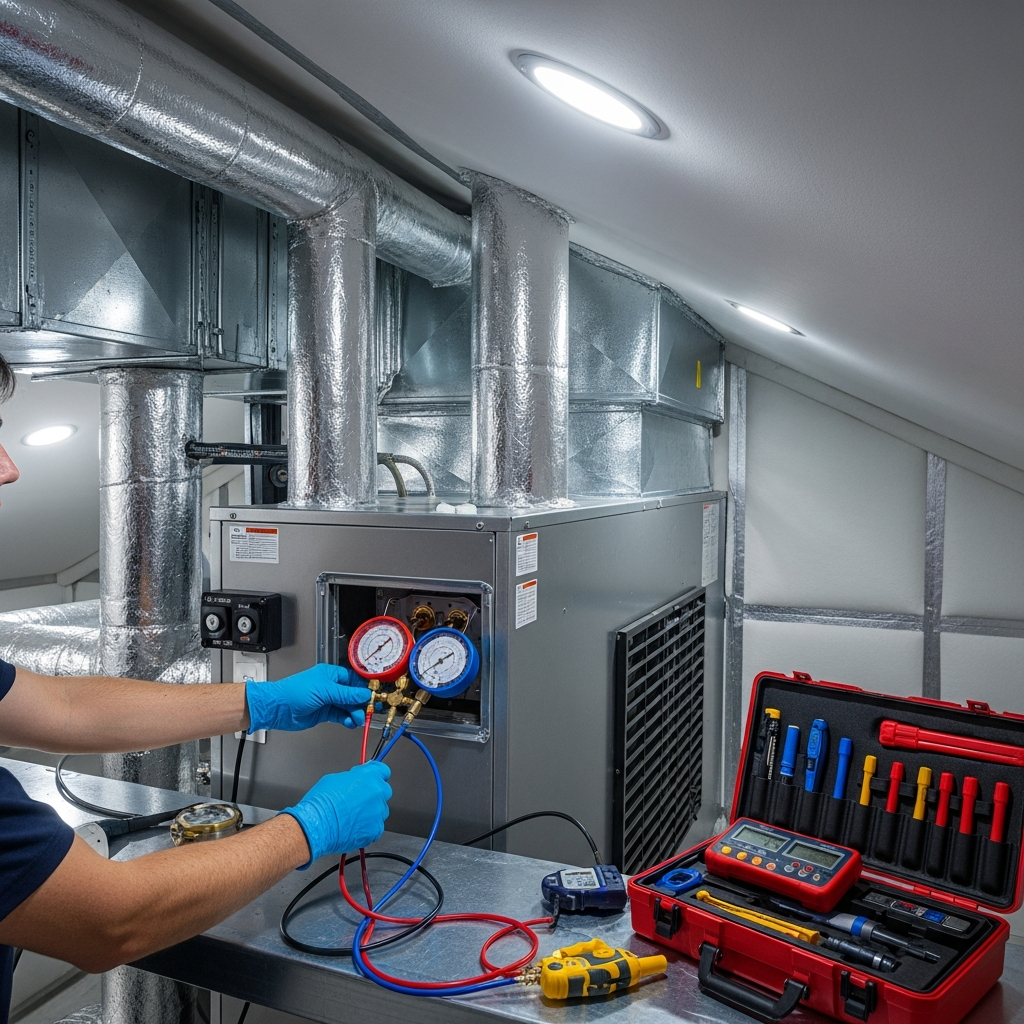
Maintenance Versus Tune-Up: What Beverly Hills Homes Really Need
In Beverly Hills, comfort is part of the design language. Spaces are lit, furnished, and arranged with intention, and the climate control should feel just as carefully composed. That is why homeowners often hear two phrases—maintenance and tune-up—and wonder whether they are the same. They are siblings, but not twins. Maintenance is the routine care that keeps your system healthy through the seasons: cleaning coils, replacing or washing filters, flushing drains, checking electrical components, and confirming control settings. A tune-up goes a step further, using measurements and adjustments to refine performance, tame noise, and restore the system to a like-new feel. Both belong in a well-run home, and both are best executed by a team that knows our city’s homes inside and out. If you are planning your next visit, start by surveying local options for Beverly Hills–attuned air conditioning maintenance so you can decide how to blend routine care with precision tuning.
Consider a classic Spanish Revival near the Flats with plaster walls and timber ceilings. Its ductwork may weave through tight chases and attics finished years after the original build. Maintenance here protects airflow, clears drains, and verifies that coils and electrical components are clean and steady. A tune-up, however, might focus on balancing registers to stop a subtle draft near a favorite armchair, relocating a thermostat sensor that reads a sunny wall rather than the space, or reducing blower speed slightly to quiet a nighttime hum. The distinction is not semantic; it is practical. Maintenance keeps the system honest; a tune-up makes it sing.
What a Thorough Maintenance Visit Looks Like
A solid maintenance visit begins with protecting your finishes—shoe covers, floor runners, and a respectful path through the home. Filters are checked and replaced if needed, indoor and outdoor coils are inspected and cleaned with techniques that suit their design, and condensate lines and trays are flushed and confirmed to drain freely. Electrical components, especially capacitors and contactors, receive tests to confirm they are performing within expected ranges. The blower wheel and housing get a careful look; dust accumulation here degrades efficiency and increases noise. Outdoor equipment is cleared of debris, refrigerant line insulation is inspected and replaced where UV has taken a toll, and cabinet panels are secured to remove rattles that travel into quiet rooms.
An attentive technician also observes the system under load. Temperature split across the evaporator coil is measured, thermostats are verified for accuracy, and any zoning components are tested so that dampers open and close on cue. In homes with multiple systems—main house, guest suite, and perhaps a detached office—maintenance proceeds in a sequence that keeps the bulk of the home comfortable while each area receives attention. Documentation at the end provides a record of measurements and observations, which becomes the baseline for future tune-ups.
How a Tune-Up Refines Performance
Think of a tune-up as the craftsperson’s polish on already sound equipment. It begins with data: airflow readings, static pressure measurements, and temperature profiles at key registers. The technician listens—literally—for tonal changes as the blower ramps, checks for harmonics in panels, and watches how quickly temperatures stabilize after a thermostat call. Small adjustments follow. That could mean calibrating thermostat sensors, adjusting blower speed taps for quieter nighttime operation, reseating a panel with improved gasketing to stop a buzz, or recommending a minor duct modification where a bend has kinked a flexible run. On outdoor units, service might include straightening a few coil fins that have been pressed by hedges or repositioning equipment slightly on its pad to improve drainage and reduce vibration.
In modern systems with variable-speed or inverter technology, tune-ups verify communication between indoor and outdoor components, ensure firmware and control parameters sit where the manufacturer intends, and confirm that ramp profiles suit your home’s acoustics. A bedroom wing may call for a gentler ramp so children sleep through cycle starts, while a busy kitchen and family area can tolerate a crisper response. The tune-up turns general capability into a custom fit for the way you live.
Where Homes in Beverly Hills Benefit Most
Our city’s homes are rich in variety. A midcentury flat-roofed home in Trousdale might use a rooftop packaged unit, while a newer construction near the hills runs multiple split systems with slim, discreet condensers. Maintenance keeps each system clean and safe; a tune-up makes each one feel as refined as its surroundings. In a home where condensers hide behind decorative panels or hedges, airflow can be unintentionally restricted; a tune-up spots the pattern and offers solutions that preserve the aesthetic while restoring breathing room. In older ducted systems, the tune-up may identify a return path that is too small for today’s expectations, guiding a modest improvement that transforms comfort in living rooms and primary suites.
Homes that host often benefit, too. When doors open to patios and pools, indoor moisture rises; drainage and dehumidification deserve extra attention. A tune-up can align fan speeds and coil temperatures to absorb that moisture efficiently, leaving rooms comfortable without overcooling. Bedroom wings, on the other hand, may call for a quieter profile after dark. The beauty of tune-ups is their specificity: the same hardware, gently reinterpreted for your routines.
Creating a Rhythm: When to Maintain and When to Tune
Spring is maintenance season. Clean coils, confirmed drains, fresh filters, and electrical checks prepare the home for long, bright days. Late spring or early summer is perfect for a tune-up, when the system has run enough to reveal its personality for the year but before the heaviest heat settles in. Mid-season, a brief check and filter swap keeps everything steady, and after the peak, a fall maintenance visit clears the summer’s dust and resets the system for lighter winter duty. Some homeowners choose to pair maintenance and tune-up on the same visit. Others alternate, letting maintenance protect the essentials each season while scheduling a deeper tune-up annually or as needed when the home’s patterns change.
If you travel, coordinate timing with your departures and returns. A maintenance visit just before you leave sets the home to run gently while it is empty. A tune-up soon after you return fine-tunes comfort to match your new schedule. For those managing multiple properties, a local provider can create a calendar that covers each one without straining your attention.
How Smart Controls Elevate Both Maintenance and Tune-Ups
Smart thermostats and integrated home systems bring a layer of intelligence that amplifies the impact of both maintenance and tune-ups. During maintenance, technicians verify sensor placement, network stability, and scheduling logic. During a tune-up, they use the data those systems gather—runtime patterns, occupancy detection, temperature deviations—to refine settings with precision. The result is not just set-it-and-forget-it; it is set-it-and-feel-it, where evenings cool gently ahead of dinner and bedrooms stay steady through the night without abrupt fan noise.
These controls also streamline documentation. After a visit, your provider can deliver a concise report with the key readings and the rationale behind any adjustments, often correlating them with your usage patterns. Over time, that record becomes a map of continuous improvement rather than a series of unrelated appointments.
Protecting Aesthetics While Enhancing Performance
In Beverly Hills, systems must disappear into the architecture. That invisibility is part of the service brief. Maintenance and tune-ups should never leave a trace on finishes, and they should often leave less sound than before. Technicians accustomed to our homes handle grilles and registers with care, protect marble and hardwood, and work around art and design elements without drama. Outdoor work respects landscaping, adjusting irrigation heads that overspray coils and trimming just enough foliage to open equipment to fresh air while keeping the look curated.
The attention to presentation extends to sound. A post-tune-up system should exhale more than it blows, with panels seated firmly, ducts free of buzz points, and condenser fans that start and stop without resonance. Comfort, after all, is multisensory. Temperature matters, but so do acoustics and the way air moves through a room. A finely tuned system becomes part of the calm you feel at home.
Frequently Asked Questions About Maintenance and Tune-Ups
What is the difference between maintenance and a tune-up? Maintenance is routine care—cleaning, checks, and basic adjustments—to keep the system healthy. A tune-up is a targeted refinement using measurements and small changes to elevate comfort, quiet operation, and responsiveness. They complement each other and are often scheduled together or in sequence.
How long does a tune-up take? It depends on the number of systems and the level of refinement desired. A focused tune-up on a single system can be relatively quick, while multi-system homes with goals like noise reduction and airflow balancing require more time. The payoff is a system that feels tailored to your routines.
Do I need a tune-up every year? Many homes benefit from an annual tune-up, especially if you noticed uneven temperatures, new sounds, or lifestyle changes such as more entertaining. At minimum, pair a tune-up with spring maintenance when you want the system feeling its best for the peak season.
Will a tune-up affect my warranty? Proper maintenance and adjustments performed within manufacturer guidelines support warranty compliance. Keep documentation from each visit, and ensure your provider follows procedures aligned with your equipment’s specifications.
Are inverter or variable-speed systems treated differently? Yes, they invite additional checks related to communication, controls, and ramp profiles. Experienced technicians confirm that these advanced systems operate within intended parameters and feel right for your home’s acoustics.
What should I expect after the visit? Expect smoother starts, steadier temperatures, and quieter operation. You should also receive a clear report detailing what was cleaned, measured, and adjusted, along with any suggestions for small, high-impact improvements.
Ready to Feel the Difference a Thoughtful Tune-Up Makes?
If you want your home to feel as composed as it looks, blend routine care with precision adjustments and let your system perform at its quietly confident best. Begin by exploring trusted, local air conditioning maintenance and book the visit that turns good cooling into great comfort, season after season.