
What Really Shapes Maintenance Costs in Beverly Hills
Ask three Beverly Hills homeowners what they spend on keeping their AC in top form, and you will hear three different answers. That is not because maintenance is a mystery but because every home here tells a different story. Square footage, number of systems, accessibility of equipment, the era in which each unit was installed, and the expectations for quiet, seamless performance all influence the scope of work. When people talk about air conditioning upkeep, they often jump straight to a number. The wiser approach begins with context: how your property is built, how you use it, and what level of detail you want from your technician. If you frame the conversation around value, longevity, and reliability, you will find that the maintenance plan you select fits neatly into your home’s rhythm. And when you are choosing a provider, it helps to review trusted options for local air conditioning maintenance so you can compare what is included, how visits are conducted, and how well the service matches the way you live.
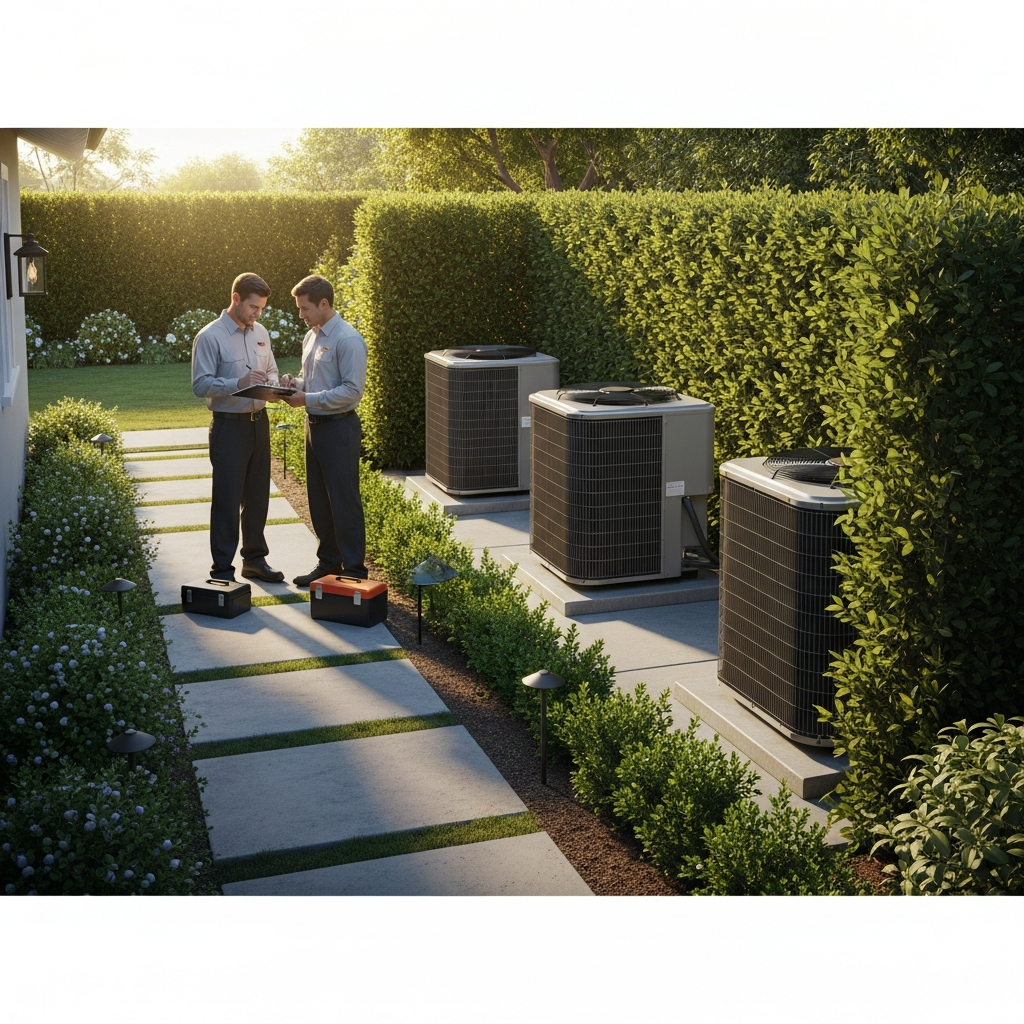
Beverly Hills residences range from classic Spanish Revivals and midcentury flats to contemporary estates with intricate glazing and multiple guest suites. That mix brings variety to AC systems: rooftop packaged units on single-story homes, split systems hidden behind verdant hedges, multiple condensers lined along a side setback, and mechanical rooms in discreet corners where aesthetics dictate quiet and invisibility. Maintenance costs naturally scale with complexity and access: a single, easily reached condenser and air handler asks less of a technician’s time than three air handlers feeding different wings, each with its own control logic and ducting path. The more customized the system is to your architecture and lifestyle, the more personalized the maintenance becomes.
Equipment Accessibility and Site Logistics
Logistics shape the visit long before a tool touches the equipment. Is the condenser on a flat roof in Trousdale behind parapet walls? Are air handlers in finished, climate-controlled mechanical rooms with limited clearance? Do gates and parking create staging challenges for technicians and their equipment? These items do not just test patience; they affect the preparation and time needed to perform careful, protective service. Technicians who work in Beverly Hills regularly anticipate these factors by using shoe covers, drop cloths, and quiet, low-dust cleaning methods. When you speak with a provider, describe your equipment layout and any access considerations. A clear picture prevents surprises and aligns the visit with both the home’s design and your expectations for discretion.
Noise sensitivity adds another layer. In neighborhoods where privacy and serenity are prized, maintenance often includes attention to vibration isolation and sound performance. If a condenser sits close to a boundary wall or near an outdoor seating area, technicians may spend added time verifying mounts, adjusting fan speed settings where appropriate, and tuning airflow to reduce turbulence. Those touches fall under maintenance, but they are not cookie-cutter tasks; they are tailored steps that protect the quiet your home promises.
System Count, Zoning, and Controls
Many Beverly Hills homes operate more than one system: a primary for the main living areas, a secondary for a bedroom wing, and often separate solutions for guest houses, pool houses, or studios. Each system has its own coil, blower, drain, condenser, and control circuit. Zoning introduces motorized dampers and independent thermostats that require functional checks and calibrations. When providers describe maintenance programs, notice whether they include damper inspections, sensor validation, and control board firmware checks where applicable. These steps support comfort and efficiency, and they take time proportional to the number of zones. Costs naturally reflect that time, but the return is a seamless, balanced home that does not force you to babysit thermostats.
Smart controls are another dimension. Upgraded thermostats and integrated home automation can streamline comfort, but they must be verified alongside the mechanical system. A conscientious technician will check sensor placement, review scheduling logic with you, and confirm that equipment operation matches the smart system’s commands. That review is part education, part optimization, and it prevents those mysterious moments when a system runs unexpectedly or fails to respond after a software update.
Age and Condition of Equipment
Air conditioning systems, like the homes they serve, have eras. A well-tended 12-year-old split system behaves differently than a recently installed variable-speed setup. Older systems often benefit from deeper cleaning of coils and blower wheels, closer examination of electrical components, and confirmation that refrigerant levels remain within target ranges. Newer variable-speed or inverter-based equipment invites another sort of care, with attention to communication wiring, sensor feedback, and manufacturer-specific maintenance steps. Neither path is inherently more expensive by rule; the difference is that each era asks for its own form of expertise, and visit length can scale with those needs.
Previous renovations leave traces as well. If ductwork was rerouted during a remodel or if additions were tied into an existing system, the resulting airflow dynamics may require rebalancing and sealing work to maintain comfort. Those tasks often surface during a maintenance visit, and addressing them can improve performance far more than any single part replacement. Costs associated with such corrections correlate directly with the scope of the change, but they are also where true value emerges, because better airflow makes every hour of operation more effective and more pleasant.
What a Thorough Maintenance Visit Should Include
When you compare providers, do not anchor on a single line item. Instead, look at the story a maintenance visit tells from arrival to departure. It should include careful protection of finishes, verification of thermostat operation and settings, inspection and replacement of filters when needed, coil cleaning appropriate to the equipment’s design, electrical testing of capacitors and contactors, tightening of lugs and terminations, measurement of temperature split across the evaporator coil, condensate line inspection and flushing, inspection of blower assemblies, and confirmation that safety devices and controls operate as intended. For outdoor units, that means clearing debris, visually confirming refrigerant line insulation integrity, checking fan operation and motor health, and ensuring panels and service doors fasten securely to eliminate rattles.
In multi-zone and multi-system homes, technicians should verify damper function and observe the system’s response to thermostat calls from separate areas. If you have noticed humming, rattling, or slight tone shifts, mention them; sound often reveals alignment issues, and a good maintenance visit treats acoustics as part of performance. Look for documentation at the end, not just a quick handshake—measurements, observations, and suggestions that help you plan the next steps, whether that means simply enjoying a trouble-free season or scheduling a targeted follow-up.
Understanding the Value Beyond the Visit
Maintenance is not a bill; it is a strategy. The value you purchase is smoother operation during peak heat, less anxiety about surprise shutdowns when you have guests, quieter nights in bedroom wings, and efficient performance that respects both sustainability goals and the health of your equipment. When you weigh cost, consider how maintenance intersects with your lifestyle. If you travel, a provider who can coordinate access and send detailed after-visit reports may be worth more to you than one who only offers a block of time. If you host frequently, the ability to book at precise hours and ensure discreet work may be equally valuable. These service differences matter in Beverly Hills, where privacy, timing, and presentation elevate simple maintenance into a concierge experience.
Service agreements are another lens. Some homeowners appreciate predictable scheduling, reminders, and bundled services under a single commitment. The benefits typically include priority booking windows and a rhythm that keeps systems tuned before they drift. Others prefer to schedule ad hoc once or twice a year. Both approaches work; the right choice is the one that consistently results in your system receiving attentive care before the heat rises. As you evaluate options, you can compare local providers’ approaches to air conditioning maintenance to see which program aligns best with your calendar and comfort expectations.
How Your Property’s Design Details Influence Maintenance Effort
Beverly Hills architecture is about details: delicate plasterwork, curated lighting, carefully framed views, and landscape design that guides every sightline. Those details require complementary attention during maintenance. Protecting surfaces and moving thoughtfully through the home takes time. If condensers are hidden behind custom millwork or within enclosures that must be carefully removed and replaced, the visit will reflect that. If your property includes gates, elevators, or unique pathways to roof equipment, plan for technicians to stage tools accordingly. These are not inconveniences so much as realities of refined living, and when providers respect them, the experience feels as polished as the end result.
Outdoor environments contribute as well. Overspray from irrigation can spot coils with mineral deposits; hedges grow toward equipment and reduce free airflow; seasonal flowers shed petals that settle in delicate fins. Maintenance visits that include coil rinsing with the right technique and the right pressure will restore performance without collapsing those fins. In shaded side yards, condensate lines may be more vulnerable to algae; flushing and, where appropriate, adding a secondary safety device can prevent nuisance water trips when you least expect them.
Scheduling Strategy for Peak Comfort and Predictability
In our climate, spring is the time to act. Booking before the first real heat wave ensures a quiet start to summer. For those with multiple systems, staggering visits across weeks can keep the home consistently covered without a long service day. After the peak passes, a fall review closes the loop, cleaning away summer dust, verifying drains, and preparing for a mild winter where occasional cooling may still be welcome in crowded rooms. Consistency is the true cost controller. Systems that receive measured, seasonal care tend to require fewer urgent interventions, and the home feels settled no matter how bright the afternoon sun becomes.
Communication helps as much as timing. Share any recent renovations, shifts in room usage, or travel plans. If you want a bedroom wing cooler than before, say so; maintenance includes aligning the system’s behavior with your current preferences. When expectations match outcomes, the visit feels efficient and complete, and the value becomes obvious not just on paper but in the lived experience of the space.
Frequently Asked Questions About Maintenance and Cost Drivers
What determines how much time a maintenance visit will take? The number of systems and zones, the equipment’s accessibility, and the level of cleaning and testing needed based on age and condition shape visit length. Thorough work on a complex property will naturally take longer than a single, easily accessed system.
Why might a Beverly Hills home require more detailed service? Architectural finishes, concealed equipment, multiple condensers, and a premium on quiet performance often call for added care. Providers who regularly work in this environment bring methods that protect the home while accomplishing the full maintenance checklist.
How does zoning affect maintenance? Zoning introduces dampers, additional sensors, and separate thermostats. Verifying these components takes time and expertise, but it pays off in balanced comfort and reduced strain on any single part of the system.
Is a service agreement necessary? Not strictly, but many homeowners appreciate the predictability and priority scheduling. The best plan is the one you will actually follow, whether that is a formal agreement or reliable reminders for spring and fall visits.
Can smart thermostats reduce maintenance needs? Smart controls do not eliminate maintenance, but they can make systems run more intelligently and reduce unnecessary cycling. During maintenance, the technician can align control settings with equipment behavior to prevent conflicts and improve efficiency.
What should I expect after the technician leaves? Expect documentation: filter status, coil condition, electrical test results, temperature splits, and any recommendations. This record becomes a baseline that makes future visits faster and more focused.
Ready to Align Performance, Predictability, and Peace of Mind?
If your goal is a season of quiet, confident comfort, choose a maintenance approach tailored to your home’s design and your schedule. The best results come from steady care, clear communication, and a technician who treats your property with the same respect you do. Start by connecting with a local team experienced in Beverly Hills and explore personalized air conditioning maintenance that keeps every room as composed and comfortable as you envision.