
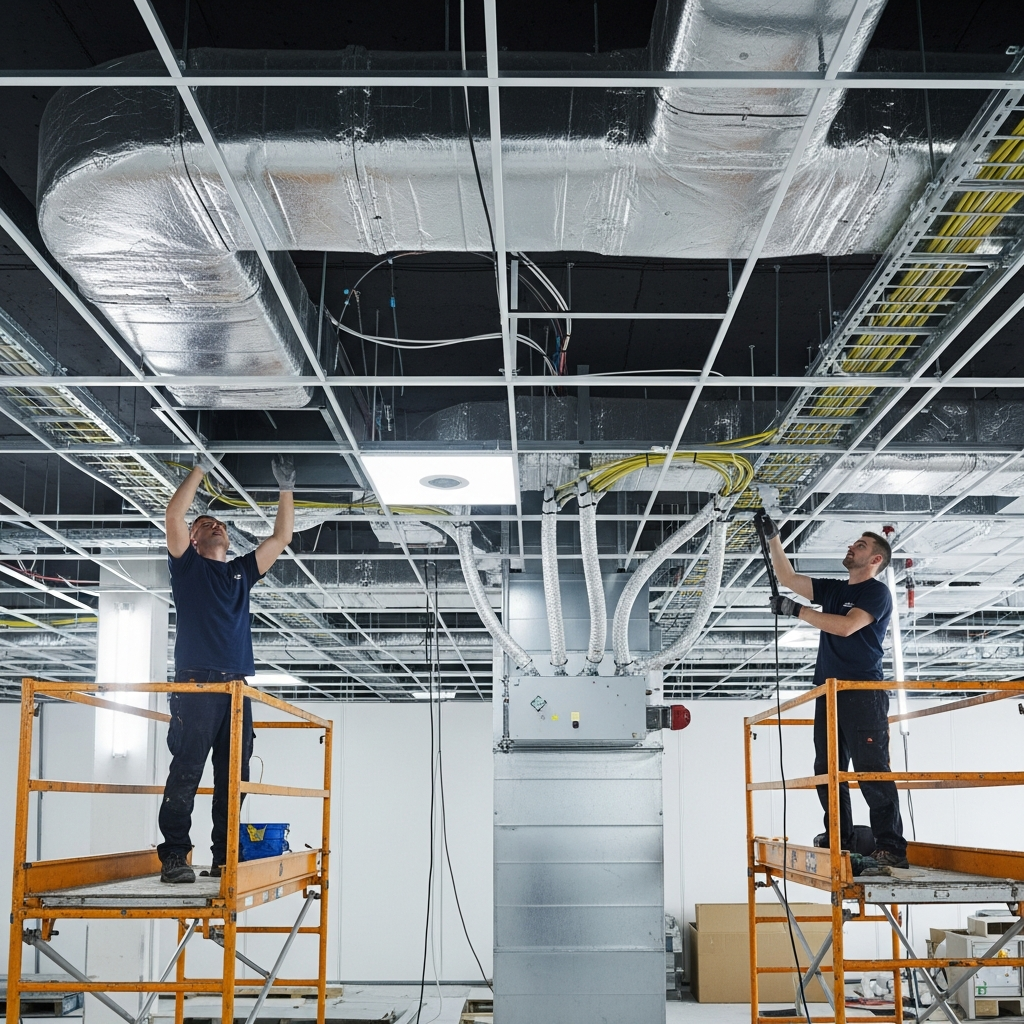
In Beverly Hills office buildings, comfort is part of the brand. Whether you manage a boutique suite just off Wilshire or oversee a multi-story property filled with creative teams and professional services, the way air moves through the building sets the tone for productivity, focus, and the experience of clients who step through the door. Ductwork is the backbone of that experience, and when it reaches the end of its useful life or fails to meet today’s standards, it has a way of announcing itself—uneven temperatures, high noise at diffusers, or persistent drafts in hallways. Thoughtful duct replacement can transform these pain points into a quiet, even, and responsive environment without disrupting the day-to-day rhythm of the tenants you serve.
Commercial properties in our area span the gamut from elegantly renovated mid-century buildings to modern Class A spaces with sophisticated controls. The practical reality is that many existing duct systems were installed for older equipment types and different occupant densities than what we see today. Over time, tenant improvements layer change upon change, ceilings are reconfigured, partitions move, and the original duct design drifts away from the building’s current needs. Addressing this mismatch is not merely a mechanical project; it is an operational upgrade that can improve comfort, reduce complaints, and support a healthier, more consistent indoor environment.
Designing around tenants and schedules
One of the hallmarks of successful commercial projects in Beverly Hills is planning work to respect the schedules of offices and retail spaces. It is common to perform disruptive phases during off-hours and to stage material so corridors remain clear. Communication is central: managers receive updates on which zones will be affected and when, and a phasing plan ensures critical spaces—conference rooms, reception areas, data closets—remain operational or are carefully coordinated. When a project feels invisible to tenants, you know the planning was right.
Ceiling plenums present both opportunity and challenge. In some buildings, return air flows through open plenums rather than dedicated return ducts. Replacements must respect fire and smoke control strategies, install or verify dampers where required, and maintain the integrity of rated assemblies. In others, tight soffits demand precise routing to avoid conflicts with lighting, sprinklers, and low-voltage systems. Done well, new ductwork becomes the quiet mediator between all these disciplines, fitting cleanly into the shared space above the ceiling grid.
Engineering for standards and performance
Modern office expectations include steady temperatures, quiet operation, and adequate ventilation. A balanced design looks at each of these outcomes holistically. On the supply side, trunk and branch sizes are selected to keep velocity within comfortable limits while delivering the air volume each zone requires. On the return side, pathways are generous enough to prevent whistling and to reduce the pressure the fan must overcome. Proper sealing and insulation avoid losses to the plenum, ensuring energy is used where people benefit from it most.
Ventilation is a parallel track. Where outside air is introduced, duct routing and sealing must protect that air’s journey to occupied zones, and mixing strategies should avoid cold or hot spots at diffusers. In multi-tenant floors with variable occupancy, terminal devices such as VAV boxes rely on ducts that let them modulate without creating noise or starving downstream areas. The interplay of devices, dampers, and high-quality duct installation ultimately dictates whether the building feels even and composed throughout the day.
Materials, noise control, and professional detailing
In commercial settings, sheet metal mains with internally lined sections are common, particularly near fan systems where attenuation matters most. Downstream, transitions to unlined, insulated sections or to flexible whips—kept short and tight—can maintain quiet while navigating final connections. Register and diffuser selection, often overlooked, is coordinated to the throw distances and mounting heights in each space so that air blends smoothly without drafts at workstations. This attention pays dividends in the form of fewer hot-cold complaints and a calmer acoustic backdrop for phone calls and meetings.
Noise management also extends to returns. Undersized return paths next to open offices can produce a rushing sound that fatigues occupants over the course of a day. Addressing this during replacement by increasing return area, deepening plenums, or lining sections near sensitive rooms has a dramatic effect. In conference rooms and executive suites, these measures help ensure privacy and comfort live side by side, so conversations stay in the room and the mechanical system stays in the background.
Construction coordination and building services
Every Beverly Hills building has its own protocols, from after-hours access to elevator reservations and loading dock schedules. The best project teams blend into this rhythm, arriving prepared and leaving spaces as tidy as they found them. Drop cloths, temporary protection at doorways, and swift debris removal are basic expectations. More nuanced is the coordination with building engineers and property managers, who value clear drawings, respectful communication, and a roadmap for testing and balancing when work is complete. With duct replacement, the last ten percent—documented verification of airflow, setpoints, and damper positions—often drives the first ninety percent of tenant satisfaction.
Testing, adjusting, and balancing (TAB) is where plans meet performance. Teams measure airflow at diffusers, compare results to design intent, and make careful adjustments so each zone receives its share. When you combine that diligence with new ductwork that resists leakage and supports steady velocities, you create a system that not only meets standards on paper but feels right in practice. Tenants might not know why the space suddenly feels calmer; they simply notice that it does.
Health, wellness, and the modern workplace
Air quality has moved from a technical consideration into a daily conversation. Offices expect filtration that supports well-being, and they look for ventilation strategies that refresh spaces without creating drafts. Duct replacement can support these outcomes by sealing return systems against infiltration from dusty plenums, positioning outside air pathways to blend smoothly, and ensuring filters are accessible and appropriately sized. Where buildings aim for higher wellness benchmarks, the duct system becomes the backbone that quietly enables those goals.
In a practical sense, this work also reduces the maintenance burden. Ducts that are sealed and supported properly do not shed insulation or accumulate debris in ways that compromise airflow. Access panels and clear labeling—simple touches—help building engineers service components without guesswork. Over time, these details translate into fewer emergency calls, more predictable operation, and a building that runs like the polished environment tenants expect.
Phasing and tenant communication
Few things build trust like predictability. When a floor’s duct replacement is phased in clear segments with transparent milestones, tenants can plan meetings, remote workdays, or alternative spaces accordingly. Notices that explain what occupants will hear and see—ceiling tiles being lifted, brief shutdowns after hours for testing—reduce anxiety. Follow-up reports that confirm performance help close the loop, turning a disruptive concept into a well-managed improvement.
Some managers worry about exposing hidden conditions during replacement. While surprises do occur in older buildings, a strong preconstruction walk helps surface the likely ones: tight chases, legacy wiring, or prior workarounds that need to be corrected. Addressing these during a planned project is more efficient than reacting to them piecemeal later, and it sets the stage for consistent, reliable operation across the building.
Midway through a project is often when the improvements can be felt—quieter mornings, steadier temperatures, and fewer calls to the front desk. It is also a good point to confirm priorities and, if needed, make small adjustments while ceilings remain open. A responsive team will treat this midpoint as a collaborative check-in. When that collaboration is supported by high-quality materials and careful craft, duct replacement becomes an investment that tenants notice in their comfort and productivity rather than in any disruption to their routines.
Frequently asked questions about commercial duct replacement
How do we plan work without interrupting operations? A detailed phasing plan, off-hours installation for disruptive steps, and clear communication allow most offices to function normally while improvements progress overhead.
What performance verification should we expect?
Testing, adjusting, and balancing should confirm airflow at each diffuser, along with documentation of damper positions and setpoints. This evidence-based approach ensures the final system performs as designed.
Do we need to replace the entire duct system at once?
Not always. Many buildings phase work by floor or zone, focusing first on areas with the greatest imbalance or highest tenant impact. The key is to integrate each phase into a master plan so the final system works cohesively.
Will tenants notice noise during the project?
There will be brief periods of activity as crews access ceilings, but much of the noisy work is scheduled after hours. The payoff is a quieter system at completion, with diffusers and returns tuned for calm operation.
How does duct replacement support healthier air?
Sealed returns prevent infiltration from plenums, supply routes are insulated and sealed to preserve temperature, and filtration remains accessible and effective. Together, these steps support a consistent, fresh-feeling indoor environment.
What about fire and smoke control devices?
Where required, dampers and rated assemblies are verified or installed as part of the work. Proper coordination with building engineering ensures life-safety elements are fully integrated and documented.
How should we compare proposals?
Look for clarity in scope, material specifications, sealing and insulation standards, testing and balancing commitments, and a phasing strategy that respects the building’s operations. The most valuable proposal is the one you can clearly understand and measure against outcomes.
When your building is ready for a quieter, more even, and more resilient indoor environment, bring in a team that treats comfort as part of your brand and operations as part of the design. With a well-planned process and respect for the way Beverly Hills offices function, your next step toward better performance can be as seamless as it is effective. Start the conversation today and explore duct replacement with a partner who understands commercial spaces and the expectations of the tenants who make them thrive.