
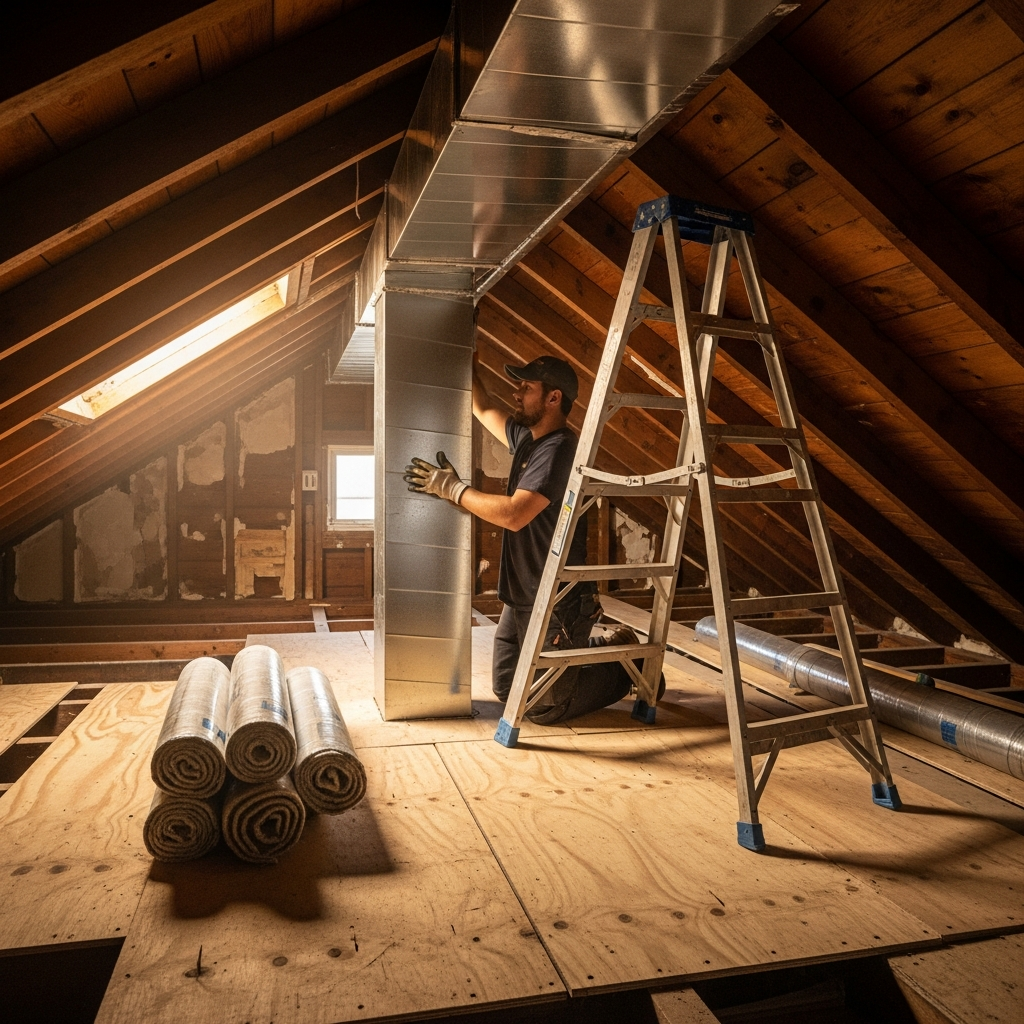
There is a particular kind of charm to older Beverly Hills homes: thick plaster walls that hush the street, coved ceilings, original hardwood that glows in late afternoon light. Preserving that character while updating comfort is an art, and nowhere is the balance more delicate than in the ductwork hidden above the ceiling. If you are exploring a duct replacement for a prewar Spanish, a 1940s Traditional, or a midcentury gem, the question is how to honor the original bones while bringing your living spaces into modern performance standards. To set the stage, it is helpful to review real-world considerations that shape outcomes, and to lean on local resources dedicated to thoughtful HVAC duct replacement so your expectations are grounded in both heritage and current best practice.
In older structures, materials and design norms of the era influence every decision. Many of these homes were retrofitted with forced-air systems decades after construction, weaving ducts through cavities that were never intended to carry air. That improvisation shows up as long, winding runs, abrupt turns, and registers placed for convenience rather than performance. Replacement is an opportunity to correct those compromises without disturbing historic finishes. It is also a chance to tame noise, manage filtration, and reduce the kind of leakage that leaves bedrooms muggy in August and chilly in January.
Understanding Existing Conditions In Heritage Homes
Before a single strap is cut, a careful assessment of the existing network reveals what can remain and what must change. Attics in older Beverly Hills houses are often tight, with limited decking and framing that leaves little headroom. You may encounter knob-and-tube remnants, cross-bracing that restricts movement, or even abandoned ducts from a past system. A measured survey maps these constraints and shows where improvements will deliver the greatest comfort per foot of duct replaced.
Plaster ceilings present another layer of care. Vibration and point loads can crack delicate finishes, so crews must stage platforms and distribute weight. Return chases routed through walls built with wood lath require special attention to sealing so that new airflow does not draw dust from cavities. This is not simply about installing new material; it is about understanding a house’s habits and guiding air gently along paths that respect them.
Balancing Preservation With Performance
One of the most satisfying parts of a well-executed replacement is how invisible it can be. By reusing existing register locations where they serve the room well, and upgrading those that do not, you can maintain the period-correct look while improving throw and diffusion. Rigid trunks serve as the backbone, with short, carefully supported flexible connections for final runs where vibration isolation is beneficial. The result is quieter, more even air that feels native to the home rather than imposed upon it.
For many older homes, return air is the weak link. A single hall return can starve the system and pull air in awkward ways. During replacement, a designer may propose resizing or adding returns to give the system room to breathe. This seemingly small change pays outsized dividends in comfort, especially at night when doors are closed and pressure relationships intensify.
Code, Testing, And Why They Matter In Older Houses
California’s energy code treats all homes with the same goal: reduce leakage, improve distribution, and verify results. In an older house, meeting those targets calls for craft and restraint. Sealing strategies must respect historic materials, and testing is planned to avoid stress on fragile finishes. The beauty of a performance-based standard is that it rewards outcomes, not theatrics. Clear documentation of leakage rates, static pressures, and temperature splits demonstrates that your venerable home can meet modern expectations without losing its soul.
Permits and third-party verification also serve the long view. When you document concealed improvements in a heritage property, future owners and their inspectors take note. The paper trail tells a story of stewardship, and that narrative strengthens value as much as the comfort you feel day to day.
Attic Access, Safety, And Cleanliness
Older attics often require temporary decking for safe movement. Rather than trampling insulation and risking ceiling cracks, thoughtful teams build pathways that protect both workers and finishes. They stage debris removal to avoid dust migration, deploy containment at access points, and manage negative pressure during demolition. The result is a project that feels calm and considerate, even as a complex network is being renewed overhead.
Because many vintage homes feature delicate plaster, installers mind vibration carefully. They pad ladder feet, spread loads, and avoid leaning tools on crown or picture rails. The difference shows up not only in fewer hairline cracks but also in your peace of mind as you watch professionals treat your home with museum-level respect.
Designing For Quiet, Even Comfort
Many homeowners pursue duct replacement to solve a chronic noise or balance problem. Whistling registers, rushing air in a narrow hallway, or a bedroom that never quite reaches the right temperature are common motivators. A proper redesign addresses each symptom at its cause. That may mean opening up a bottlenecked trunk, smoothing entries with radius elbows, or selecting diffusers with gentler throw characteristics. The payoff is air that fades into the background of your day.
Quiet is not only about duct geometry; it is also about velocity. Older systems often pushed too much air through undersized paths. Right-sizing restores the natural cadence of airflow, reducing turbulence that creates hiss and rumble. Tuning dampers after installation brings the final polish, aligning the system with how you actually live in the home.
Filtration And Indoor Air Quality In Vintage Envelopes
With mature landscaping and the occasional regional smoke event, filtration is a first-class citizen in Beverly Hills. Older homes can draw air through hidden cracks and cavities. That reality underscores the value of a return strategy that discourages dust migration. When replacement aligns returns with the home’s plan and adds filtration capacity at the right location, surfaces stay cleaner and breathing feels easier.
In vintage envelopes, pressure balance is the difference between a cozy living room and a drafty one. Designers watch door undercuts, consider transfer grilles where discreet, and guide return paths that do not rely on air squeezing through unplanned gaps. The results feel effortless because pressure is managed thoughtfully from the start.
What A Thoughtful Site Visit Looks Like
When you invite a professional to evaluate an older home, listen for questions that reveal respect for age and craft. They will ask about prior renovations, ceiling patch histories, and any rooms that have always felt off. They will measure with an eye not just for length and diameter, but for where a gentle re-route could reduce a hard bend without opening finished surfaces. They will talk through register aesthetics, diffuser performance, and the art of blending new components with period details.
Midway through planning, you might want to revisit local insights before finalizing the scope and phasing, especially if your home will remain occupied during the work. This is a good time to refresh your understanding by consulting a concise, neighborhood-focused page on duct replacement so you can compare options using shared language and clear benchmarks.
Phasing The Work To Respect Daily Life
Older homes sometimes benefit from a phased approach. Working one zone at a time allows the family to shift routines without feeling uprooted. Careful crews will button up at the end of each day, restoring normalcy as much as possible. Protection comes down with the last ladder, not the last fastener, and touch-ups are part of the plan. This kind of pacing is as much about hospitality as it is about construction.
Communication keeps phasing smooth. Knowing which rooms will be quiet at nap time, when deliveries arrive, and how trades will park avoids friction on narrow streets and shared driveways. A calm site is a productive site.
Documentation You Will Be Glad To Have
Take photos of concealed work and ask your contractor to do the same. A simple map of damper locations and a summary of final airflow targets become treasures down the line, whether you are fine-tuning a guest room or briefing a future service visit. Paperwork that includes test results, material specifications, and maintenance pointers rounds out a tidy closeout package worthy of a well-loved home.
That documentation also helps when remodeling projects reappear years later. Knowing where main trunks sit and how branches move reduces exploratory demolition and preserves finishes. Older homes reward this kind of foresight again and again.
Seasonal Habits For Ongoing Performance
Once new ducts are in service, small seasonal habits keep them shining. Maintaining clear returns, staying on top of filter changes, and noting any room-to-room drift help the system stay in tune. If life patterns change, such as a home office that now hosts long video calls, a quick balancing visit can nudge airflow to fit the new rhythm.
As with any older home, preservation is a living practice. Duct replacement is not the end; it is a new chapter in caring for a cherished structure with modern comfort as a companion rather than an intruder.
Frequently Asked Questions
Will duct replacement damage my plaster ceilings?
With careful staging and protection, work proceeds through existing access points. Crews control vibration, distribute loads, and avoid unnecessary openings. Minor touch-up is sometimes part of the plan, but the goal is to leave finishes as you found them.
Can I keep my original registers?
Often yes. If their size and placement support even distribution, they can remain. When a change will meaningfully improve comfort or quiet, options exist to match period aesthetics while upgrading performance.
How do you test performance in an older house?
Technicians measure leakage, static pressure, and temperature splits using methods that respect delicate finishes. The focus is on outcomes, and documentation becomes part of the home’s maintenance record.
Is it possible to phase the project so we can stay in the home?
Yes, zoning work and restoring spaces daily is common. Clear communication about routines keeps life moving smoothly throughout the project.
Will new ducts make the home quieter?
Thoughtful routing, proper sizing, and gentle transitions reduce turbulence and duct-borne noise, allowing your home’s natural hush to return.
What if my attic is very tight?
Temporary decking and strategic reroutes solve most access challenges. Experienced teams are accustomed to working within minimal clearances without disturbing finishes below.
If you are ready to give your vintage home the quiet, even comfort it deserves, connect with a local team that respects both history and performance. Start the conversation by visiting a Beverly Hills resource focused on HVAC duct replacement and schedule a consultation tailored to the character of your home.