
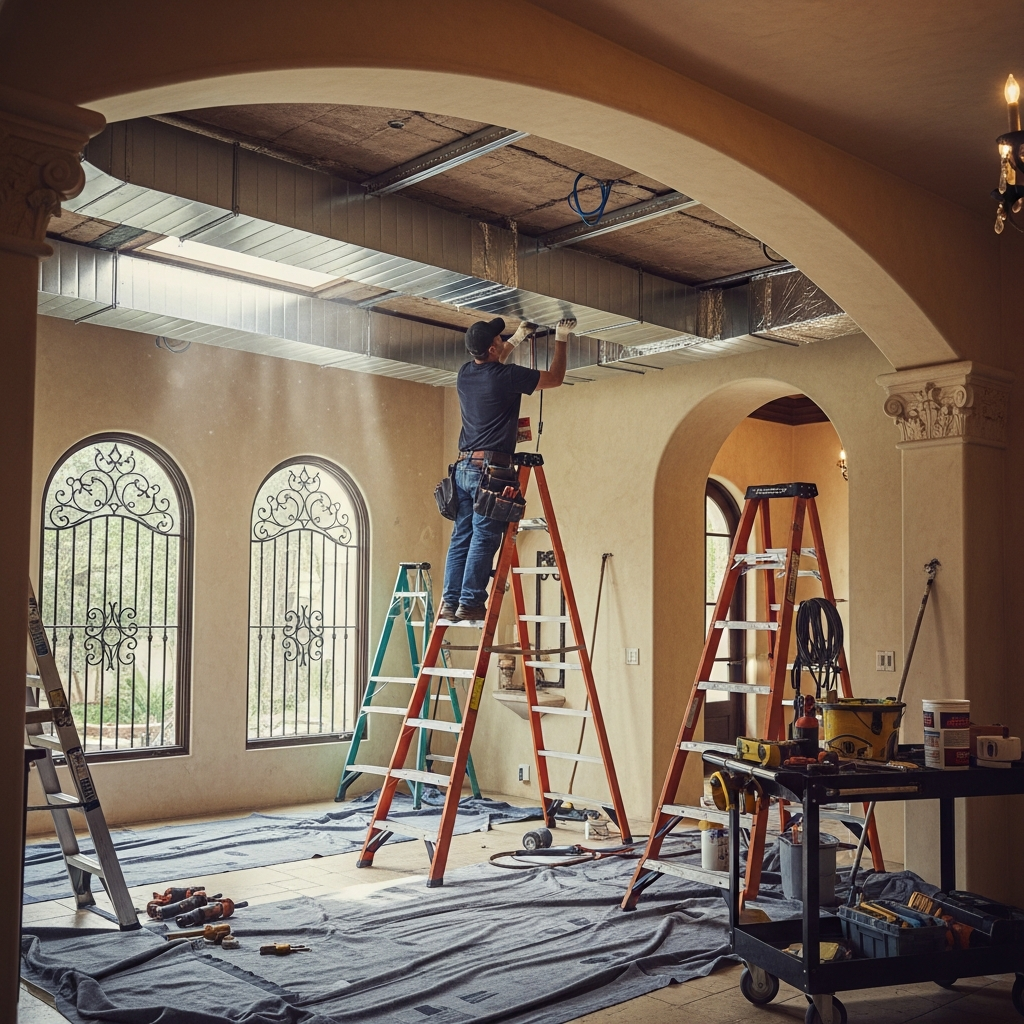
When neighbors in Beverly Hills start talking about a home comfort upgrade, the conversation often lands on air distribution. Replacing aging ductwork may not be as showy as a kitchen remodel, but it is the quiet backbone of a stable, even, and healthy indoor climate. If you are weighing a duct replacement project here in the hills and flats, it helps to understand the local realities that shape outcomes. From the way older attics were framed to how today’s codes aim to reduce leakage and improve filtration, the process blends craftsmanship with building science. Early in your research, you may also want a sense of how to choose the right team. One simple way to anchor your planning is to explore trusted local resources devoted to duct replacement so that the terms, steps, and expectations feel familiar before you invite anyone to measure your home.
The first thing people ask is what to expect from day one. In Beverly Hills, the rhythm is shaped by our Mediterranean climate, the unique architecture in each neighborhood, and the emphasis on maintaining property integrity during any work. That means careful staging, thoughtful protection of finishes, and a plan that respects your schedule. It also means understanding how comfort in a canyon home differs from a residence closer to Wilshire, with each microclimate imposing different performance needs on your air distribution. Once you see your house through that lens, the logic behind design decisions becomes much clearer.
What Drives Duct Replacement Decisions In Beverly Hills
It helps to begin with why ducts need to be replaced rather than simply patched. In older systems, thermal insulation often sags and the inner liner can become brittle. Past repairs tend to layer tape over old tape, and connections loosen from decades of vibration. Even if airflow still seems passable, small leaks add up to significant conditioned air that never reaches the intended rooms. In the flats, that can feel like uneven temperatures between front rooms and rear bedrooms. In the hills, long runs and vertical rises exacerbate imbalance. A well-planned replacement addresses not only leakage but also sizing, route optimization, and noise control.
Our city also inhabits a region with stringent energy standards. California’s energy code requires testing and sealing outcomes that reflect a modern understanding of building performance. Homeowners are often surprised at how much quieter and more consistent the home feels once new ducts are installed and verified. That peace and quiet is intentional. Properly sized trunks and branches, smooth transitions, and dampers placed where they can be reached for balancing are as much about serenity as they are about meeting a standard on paper.
Home Layout, Access, And The Art Of Routing
No two Beverly Hills homes are the same. A 1930s Spanish Revival with a tight attic and plaster ceilings asks for different routing solutions than a postwar single-story ranch or a contemporary with a flat roof and limited cavity space. Access determines how technicians remove old ducts and place new ones without disturbing finishes. Sometimes a gentle re-route shortens a long, inefficient run. Other times the smartest move is relocating a takeoff to reduce a sharp bend. In a replacement, every elbow and transition is a design choice, trading friction for flow, and sound for silence.
Attic conditions play a big role. In summer, roof decks can heat up early in the day, so teams often plan work windows that protect both workers and your home. In some cases, attic decking is improved to allow safer movement and neater layout. Thoughtful crews also coordinate with electricians or low-voltage vendors when their lines share pathways with ducts. That coordination avoids pinches and future service headaches, and it helps keep everything tidy and accessible.
Material Choices And Why They Matter
While many people ask whether one material is categorically better, the right choice depends on application. Rigid sheet metal shines where longevity, cleanable interiors, and engineered transitions are paramount. Insulated flexible duct can be excellent for short, final legs to registers, especially where vibration isolation or minor direction changes are needed. In Beverly Hills, the blend of architectural variety and high expectations for finish quality means most projects use a combination, prioritizing rigid trunks with thoughtful flex connections. What matters more than the label on the box is the way each component is supported, sealed, and integrated.
Insulation values are also part of the local conversation. Proper duct insulation in unconditioned spaces helps maintain supply temperature and reduces condensation risk. Installers pay attention to vapor barriers and to the integrity of outer jackets, because those details influence both performance and durability. A neat, snug, and continuous insulation layer is not just a checkbox; it is a key part of the system’s long-term stability.
Airflow Design, Sizing, And Comfort Balancing
Many Beverly Hills homes have experienced piecemeal changes over the decades—room conversions, additions, and remodels that altered the way air should be delivered. Replacing ducts is an opportunity to align the distribution with the home’s true load patterns. Proper sizing, room-by-room airflow targets, and careful diffuser selection tame hot spots and cold corners. With upstairs bedrooms, stairwell dynamics and solar exposure on facades can skew comfort. The right design guides more conditioned air to problem zones without creating whistling or drafty blasts.
Balancing dampers and easily accessible takeoffs are essential. If the only damper on a branch ends up buried under insulation or shoved behind a truss, seasonal adjustments become impractical. Good teams photograph and document locations, ensuring that minor tweaks after occupancy are straightforward. That attention to serviceability distinguishes a duct job that looks good on installation day from one that supports real-life living for years.
Filtration, Noise, And Indoor Air Quality
In our region, wildfire smoke events, seasonal pollen, and urban particulates make filtration more than an afterthought. Duct replacement dovetails naturally with upgraded filtration strategies, including centralized return placement that reduces dust tracks and pressure imbalances. The quieter your ducts, the more you notice background noise from other sources, so noise control in air distribution is crucial. Smooth metal, gentle radius elbows, lined plenums where appropriate, and properly sized diffusers reduce turbulence. That reduction minimizes rumble and hiss, making conversation and sleep more comfortable while protecting your equipment from unnecessary strain.
Return air strategy also affects indoor air quality. undersized returns can starve the system, increase noise, and force leakage through paths you do not intend. During a replacement, the team may propose resizing or relocating returns to open up the system’s breathing. In older homes, that can also solve long-standing odor or dust issues linked to negative pressure drawing from wall cavities.
Permits, Verification, And Local Expectations
Beverly Hills homeowners are accustomed to high standards, and the city’s Building & Safety processes reflect that. A permitted duct replacement ensures third-party oversight and the kind of documentation that future buyers appreciate. Verification typically includes duct sealing outcomes and sometimes independent testing. That layer of accountability reassures you that the beautiful installation you can see is matched by performance you can feel and measure. It also aligns your home with statewide energy initiatives that reward efficient, low-leakage systems.
Permits also guide safety. Where ducts pass near combustion appliances, clearances and pressure dynamics matter. A skilled designer thinks through those interactions to keep your indoor environment safe and balanced. Compliance is not just a final stamp; it is a mindset that threads through the entire project.
What The Project Timeline Feels Like
From the first conversation to the final walk-through, a well-run project follows a rhythm. The initial visit gathers measurements, assesses access, and documents existing routes. A plan proposal outlines replacements, relocations, and improvements. Material staging and protection set the tone for care and cleanliness. Demolition, installation, and sealing proceed with checks at each stage, and testing verifies that the results meet the intended targets. Homeowners often note that the space feels calmer once the new ducts are operating, because air now glides rather than rushes.
Communication makes all the difference. You should expect a clear point of contact who can explain sequencing, discuss any surprises in framing, and coordinate ceiling paint touch-ups when needed. When teams treat your home like a museum piece, small details like ladder footing, drop cloths, and end-of-day cleanup are never afterthoughts.
Working With The Right Team
A well-trained crew sees both the building and the people who live in it. They protect art and furnishings, stage work to minimize disruption, and plan around school carpools, deliveries, and pets. They also bring deep familiarity with the region’s housing stock, so their recommendations are grounded in lived experience rather than generic templates. When interviewing contractors, ask how they verify airflow targets, balance rooms, and document damper locations. Clarity up front translates to peace later.
Midway through your planning, it helps to revisit the themes and confirm priorities. Use that moment to verify how design changes will affect comfort and maintenance, and to make sure the documentation you will receive matches your expectations. If you find yourself wanting a concise reference point as you evaluate proposals, it is helpful to check a local guide to HVAC duct replacement so that terminology, testing steps, and best practices are all fresh in mind.
Common Surprises And How To Handle Them
Even in well-planned projects, surprises can emerge once old ducts are removed. Hidden framing irregularities, inaccessible chases, or legacy repairs from decades past can change routing assumptions. Experienced teams treat these findings as solvable puzzles rather than obstacles, proposing clean reroutes or minor framing adjustments that preserve aesthetics and performance. The key is having a contractor who communicates options clearly and keeps you in the loop, so every choice is intentional.
Another frequent surprise is how much return strategy influences comfort. Many homes have a single, undersized return placed in a hallway, which can pull air in awkward ways and leave bedrooms feeling stuffy. Upgrading returns or adding a dedicated path can have an outsized effect on the feel of the home. Because return work often interacts with carpentry and finishes, plan ahead for any touch-up paint or minor drywall blending.
Energy, Comfort, And Long-Term Value
When ducts deliver air efficiently and quietly, your equipment does not have to overwork. That tends to extend equipment life, reduce nuisance short-cycling, and establish a steadier indoor climate. Homeowners often report that rooms reach temperature with less drama and that the system simply fades into the background. While energy savings are a natural outcome of less leakage and better insulation, the daily lived experience—calmer air, steadier temperatures, cleaner surfaces—often becomes the most appreciated benefit.
Long-term value also shows up in documentation. Photos of concealed work, test results, and a simple map of damper locations give you and any future owner confidence. Should you choose to remodel again years down the road, that documentation shortens design time and prevents redundant exploratory work.
Seasonal Considerations And Beverly Hills Microclimates
Homes tucked into canyons, shaded by mature trees, or exposed to afternoon sun on west-facing facades each present distinct challenges. During a replacement, it is wise to calibrate supply volumes and diffuser styles to your home’s specific exposures. Upstairs spaces catch heat differently than single-story footprints, and basements or partial below-grade levels introduce humidity considerations even in our relatively dry climate. A system tuned to those nuances feels composed, with air that neither blasts nor sighs, but quietly fills rooms with the right amount of conditioned volume.
Windows, shading strategies, and interior finishes can alter how rooms gain and lose heat throughout the day. Duct design that respects these realities reduces the need for constant thermostat fiddling. With a thoughtful plan in place, the home’s temperature moves in smooth arcs rather than jagged spikes.
Preparing Your Home For Installation Day
Ahead of the first ladder going up, clear access to attic hatches and mechanical closets. Protect delicate items and communicate any special concerns, whether it is a nursery nap schedule or a gallery wall you would like covered. Good crews arrive with floor protection and zipper walls where needed, but a short walkthrough on arrival day to set expectations helps everyone. Let your team know where to stage materials and how to navigate parking in your neighborhood, which can vary block by block.
Pets deserve their own plan as well. The sound of movement and the presence of new people can unsettle animals, so a calm space away from the hub of activity keeps them happy and secure. Clear daily start and stop times settle the sense of routine during the project’s short disruption.
After The Work: Testing, Tuning, And Living With The Results
Once new ducts are in place, measured performance validates the design. Leakage testing, static pressure checks, and temperature splits provide a measurable snapshot, while a room-by-room walkthrough confirms that air is arriving where it should, in the right proportion. Expect a conversation about maintenance habits as well—filter schedules, visual checks of accessible connections, and what to watch for after the first weeks of living with the new system.
If a specific room still feels off, that is the time to make micro-adjustments. Accessible dampers allow a short service visit to fine-tune flows. The best outcomes are not just installed; they are tuned, with your feedback guiding finishing touches.
Frequently Asked Questions
How long does a typical duct replacement take in a Beverly Hills home?
Timeframes vary with access and scope, but most single-family projects are planned to minimize disruption and often complete in a compact window. Staging, protection, installation, and testing follow a clear sequence so you can plan around school pickups, work-from-home schedules, and deliveries.
Do I need to vacate the home during the work?
In most cases, you can remain at home. Installers cordon off work zones and coordinate noisy or dusty phases to keep daily life moving. If attic access crosses a main hallway, temporary protection and careful housekeeping maintain safety and cleanliness.
Will new ducts reduce noise?
Yes, well-designed ducts are quieter. Gentle transitions, proper sizing, and vibration isolation calm airflow. Many homeowners are pleasantly surprised by the way background whoosh fades, allowing the system to operate almost unnoticed.
What about indoor air quality during smoke events?
Replacement is a good time to improve filtration and return strategy, which help during smoke or high-pollen days. When designed thoughtfully, the system can maintain pressure balance and reduce infiltration from undesirable paths.
Is permitting really necessary?
Permits provide third-party verification and documentation that benefit you now and later. They support measured performance outcomes and establish a clear record for future buyers or remodels.
Can my existing registers and grilles stay?
Often yes, but replacements are sometimes recommended to correct throw patterns or reduce noise. A site visit will evaluate aesthetics and performance together so any changes enhance both form and function.
Will duct replacement help with hot or cold rooms?
Targeted sizing, balance adjustments, and smarter routing are precisely how replacement solves stubborn room-to-room differences. The goal is even, stable comfort without drama or drafts.
When you are ready to bring calm, balanced air to every room, partner with a local team that treats your home like the one-of-a-kind place it is. To start a conversation with specialists who understand Beverly Hills homes inside and out, schedule a visit through this dedicated page for duct replacement and begin planning your project with confidence.