
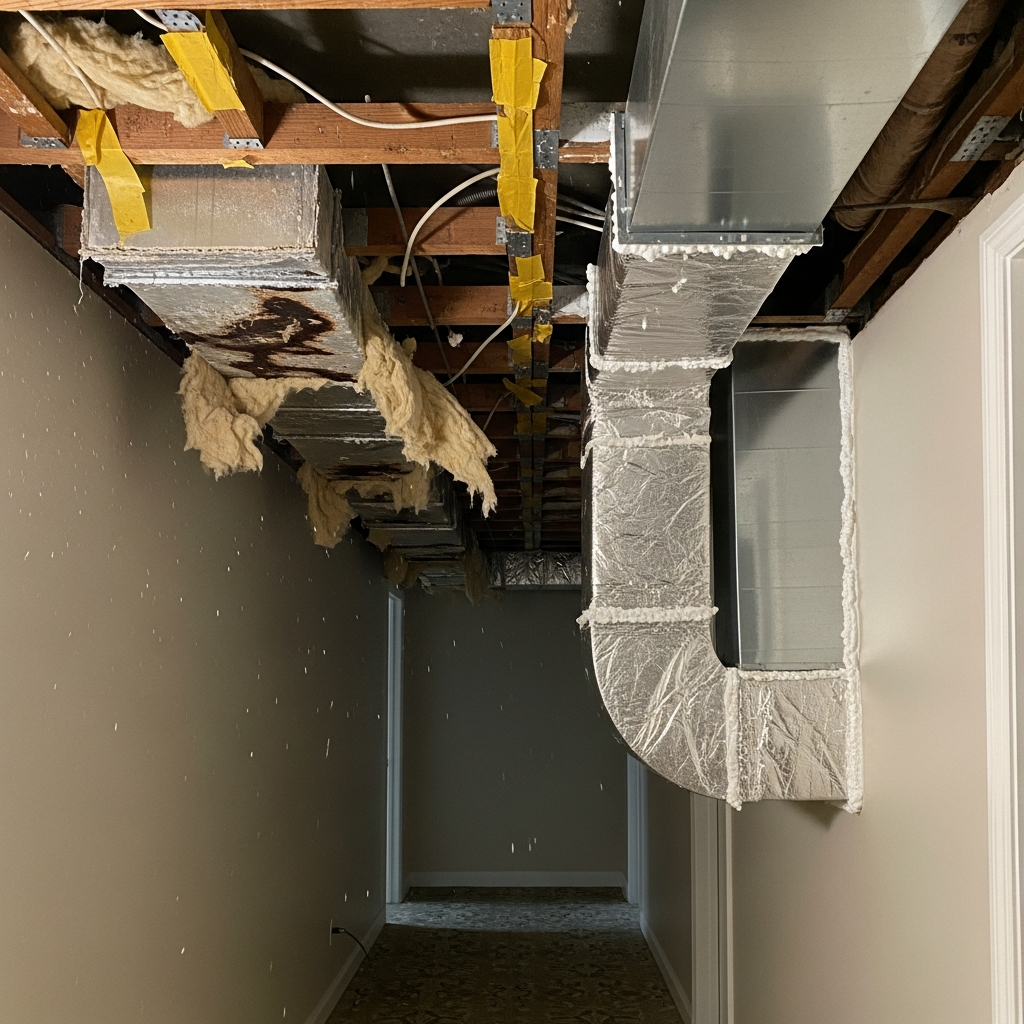
In Beverly Hills, where meticulous craftsmanship and quiet luxury set the tone, the hidden infrastructure of a home has to measure up. Over and over, I meet homeowners who have invested in beautiful renovations only to discover that the comfort behind the scenes lags behind the design. The culprit is frequently the same: aging, undersized, or poorly routed ducts that were never optimized for today’s expectations. A thoughtful duct replacement solves these issues, but the challenges we encounter along the way are worth understanding before any work begins.
Every house tells its story once the access panels open. From the flats to hillside estates, the issues tend to rhyme, even if the architecture and finishes vary widely. Knowing these patterns can help you anticipate decisions, budget time wisely, and set a standard that aligns with how you want the home to feel and function for years ahead.
Leaky Joints and Hidden Losses
Leaky ducts are quiet thieves. In attics that heat under summer sun, even small gaps at joints and seams can send conditioned air spilling into unconditioned spaces. The loss is not just energy; it is comfort at the register, where the air that finally arrives has fought its way through resistance and heat gain. When we remove old runs, we often find tape that has dried out, mastic applied too thinly years ago, or makeshift transitions where branches were added during past remodels.
New ducts address these problems by design. Properly sealed metal trunks and well-fitted branches keep air moving where it should. The difference shows up in steadier temperatures and a quieter system because the blower no longer compensates for invisible leaks. If you have heard registers hiss or felt drafts that do not match thermostat readings, there is a good chance leakage is part of the story.
Undersized Returns and Pressure Imbalances
Luxury homes often expand over time—new wings, reimagined kitchens, and enclosed patios that become living spaces. Unfortunately, return pathways do not always grow with them. An undersized return starves the system of the air it needs, driving up velocity and noise while reducing filtration effectiveness. We commonly see a single central return trying to serve an entire level that was never designed to be one zone.
During replacement, upsizing returns and improving their locations is one of the most impactful changes we can make. The system breathes, noise falls, and air quality improves because filters perform as intended. The visual impact is minimal when executed with design sensitivity, often using low-profile grilles aligned with architectural lines.
Long, Tortured Runs and Kinked Paths
In retrofit histories, ducts sometimes took the only path available at the time. The result can be long, serpentine routes with tight bends and kinks that punish airflow. Each unnecessary turn adds friction; each kink is a pinch that the blower has to overcome. If the home includes a detached studio or a distant guest suite, those spaces often reveal the worst of it—slow to cool or heat and noisy when they finally do.
Replacement is our chance to draw a cleaner map. We shorten runs, use gentle radii, and shape transitions that support rather than fight the physics of moving air. The payback is immediate at the room level: faster temperature response, less noise, and registers that feel composed rather than insistent.
Insulation Gaps and Thermal Drift
Attic ducts live in a harsh world. If insulation is missing, compressed, or of the wrong type, air picks up or loses heat on its way, even if you have invested in premium equipment. We frequently uncover sections where older insulation slipped or was never properly secured, creating hot spots in summer and cool spots in winter. The symptom indoors is familiar: one room always lags behind the rest.
We address this with modern insulation that keeps its R-value in place, installed with an eye toward durability and service access. Where condensation risk exists, we select materials that manage moisture effectively. The result is air that reaches rooms at the intended temperature, reducing the need for overcorrections that can make spaces feel drafty.
Pest Intrusion and Air Quality Concerns
In some attics and crawlspaces, especially those with older construction, we discover evidence of pests that have compromised ducts. Even minor damage along a seam can draw in dust and particulates, undermining filtration and spreading an earthy odor that no candle can mask. Beyond comfort, this is a quality-of-life issue that calls for a complete reset of the distribution path.
New, sealed ducts cut off those access points. Combined with thoughtful return placement, the system resists infiltration and preserves the cleanliness of indoor air. In homes where collections and textiles matter, this is not an optional upgrade; it is essential protection.
Improvised Transitions and Non-Standard Parts
Over decades of renovations, we find junctions where a creative on-site solution kept a project moving but introduced a long-term restriction. Adapters that step down too quickly, Y-branches set at poor angles, and boots that do not match register sizes create turbulence and pressure penalties. These are small parts with outsized effects, and they often hide above ceilings or behind access panels.
Thoughtful replacement sweeps these outliers away. Transitions are sized correctly, angles are chosen to minimize turbulence, and boots align with registers to keep velocity under control. The transformation is measurable and audible; the system drops into a composed, nearly silent rhythm.
Zoning that Never Quite Worked
Many Beverly Hills homes have piecemeal zoning that was added as needs shifted. If dampers are placed in awkward spots or if branches are improperly balanced, you end up with zones that hunt for setpoint, overshooting and undershooting in a way that erodes comfort. You also see equipment cycling in ways that are not ideal for longevity.
When we replace ducts, we treat zoning as a fresh design exercise. Dampers move to accessible, logical positions; branch sizes are matched to their loads; and returns are assigned to support the air the zones demand. The result is a system that feels intelligent, anticipating needs rather than reacting loudly to them.
Register Placement that Conflicts with Living
Another common issue is register placement that competes with how rooms are used. Air washing over a seating area or a draft that skims a breakfast nook can diminish the experience of otherwise beautiful spaces. In primary suites, a supply aimed at the bed is a reliable source of complaints, especially at night.
Replacement gives us freedom to reposition registers and select diffusers that shape air more gently. By coordinating with furniture plans and circulation paths, we make airflow an ambient presence that supports rather than distracts from the room’s purpose.
Access Constraints and Finish Protection
Hillside lots, mature landscaping, and artful ceilings impose real constraints on how work is executed. A common challenge is getting materials to the right place without disturbing finishes or the daily flow of the household. That is why planning is everything. We map routes, stage materials efficiently, and protect surfaces so that the work remains a quiet background process rather than a front-and-center disruption.
Containment and cleanup protocols matter too. With clear staging and disciplined work habits, homes stay functional even while the distribution network is being renewed. The difference at the end of each day is palpable: a site that feels orderly and respectful.
Code Alignment and Verification
California’s codes have moved steadily toward tighter, better-insulated duct systems. Older installations often fall short, not out of neglect but because the standards have advanced. During replacement, testing for leakage, verifying airflow, and confirming insulation values are part of both compliance and quality assurance. These measurements are not red tape; they are evidence that the system you cannot see is doing what it should.
When the numbers align with design intent, the payoff is as much psychological as it is physical. Homeowners gain confidence that what they feel—the evenness of temperature, the lower noise floor—has a basis in measurable performance.
The Middle of the Project: Discoveries and Adjustments
No matter how carefully we plan, a home will reveal surprises once the old system is removed. Sometimes we find an opportunity to straighten a trunk and reclaim static pressure; other times, we discover that a past addition created a hidden bottleneck. Addressing these revelations is more efficient when the project is underway, which is why building in flexibility helps. By staying responsive, we deliver a system that matches the home you actually have, not just the one in the plans. This midstream agility is one of the reasons a comprehensive approach to duct replacement is so effective.
Coordination with other trades also pays dividends. If lighting or millwork is being refreshed, aligning schedules can open access or protect delicate details. It is the difference between a project that feels improvised and one that runs with quiet precision.
How Homeowners Experience the Results
After replacement, the first signs of success are subtle. Registers grow quiet, rooms equalize, and the thermostat becomes something you check less often. In high-use spaces like kitchens and dens, the air feels supportive rather than insistent. In the primary suite, evenings settle into a calm pattern where drafts are gone and temperatures don’t wobble. It is comfort you do not have to chase, and once you experience it, going back is not an option.
Guests notice too. Casitas hold their cool for visiting family, and studios become usable throughout the day without advance planning. The house comes together as a coherent environment, not a collection of disjointed microclimates.
FAQ
Q: What makes duct issues so common in otherwise well-renovated homes? A: Ducts are often the last system addressed during cosmetic upgrades. Over time, patchwork changes create hidden restrictions and leaks that undercut comfort and acoustics.
Q: How can I tell if returns are undersized? A: Signs include louder-than-normal operation, a sense of the system struggling, and filters that seem to load quickly. A professional evaluation with pressure measurements will confirm it.
Q: Will replacement affect the look of my interiors? A: With careful planning, no. We route within existing chases, use discreet grilles, and coordinate with design teams to maintain the home’s visual language.
Q: Can new ducts help during wildfire smoke events? A: Yes. Sealed pathways and thoughtful return strategies reduce infiltration and support high-performance filtration, improving indoor air quality when outdoor conditions are challenging.
Q: Is this a noisy or messy process? A: It does not have to be. Containment, daily cleanup, and noise-aware work windows keep the home calm and functional while the project proceeds.
Q: Do I need to change equipment at the same time? A: Not necessarily. Many gains come from ducts alone. If equipment upgrades are planned, coordinating timelines ensures everything works together flawlessly.
If your home’s comfort does not match its beauty, now is the moment to address the source rather than the symptoms. With a careful plan, experienced hands, and respect for your routines, a comprehensive duct replacement will quiet the background, balance every room, and deliver the even, effortless climate that Beverly Hills living deserves.