
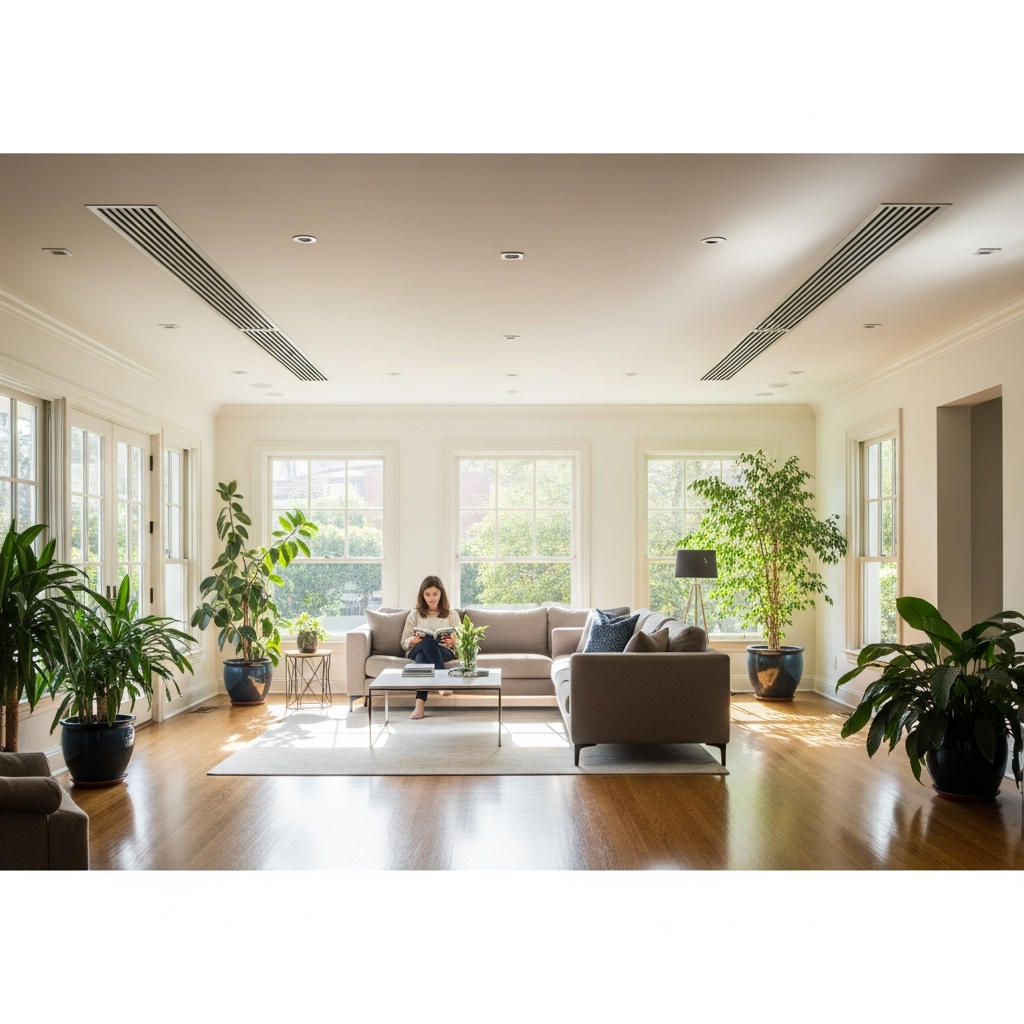
Step outside on a summer afternoon in Beverly Hills and you can feel the familiar pattern of warm valley breezes, shaded canyons, and sunlit blocks that hold heat a little longer than you expect. Inside, comfort should be a given, yet many homeowners live with rooms that never quite settle at the right temperature, systems that seem to run endlessly, or dust that returns almost as quickly as it is cleaned. In our community, where architecture spans Spanish Revival bungalows, Mid-Century gems, and hillside estates, the path to reliable comfort often begins not with the equipment in the mechanical room, but with the airways that feed every space. That is why duct replacement can be one of the most transformative home improvements a Beverly Hills resident undertakes.
I have spent years crawling attic catwalks over Laurel Canyon-adjacent streets, ducking under low rafters in flats nearer to Wilshire, and tracing faint drafts around recessed lights in Trousdale. The verdict is consistent: great air distribution delivers great comfort, and aging or poorly designed ducts are often the silent culprits behind persistent discomfort. When homeowners replace outdated, leaking, or undersized ducts with a carefully designed network, the day-to-day experience of living in the home changes in ways that go far beyond a thermostat number.
Understanding the local climate lens
Beverly Hills enjoys a Mediterranean climate that rewards thoughtful airflow. Days can be warm and bright, while evenings cool off under canyon breezes. Homes see big swings between sun-drenched south-facing rooms and shaded spaces tucked behind mature landscaping. Good duct design respects these microclimates by delivering conditioned air in a way that meets each room where it lives. Replacement offers an opportunity to rebalance a home’s air distribution so that the primary suite cools quickly without blasting the guest room, the kitchen exhausts heat without creating drafts, and the office is quiet enough to take calls even at peak afternoon temperatures.
What actually changes when ducts are replaced
Many people assume duct replacement is a cosmetic step, or simply a swap for something newer. In reality it is a rethinking of the home’s respiratory system. The supply lines that push air to rooms, the returns that pull it back to be filtered and conditioned again, and the trunk lines that connect zones all interact to set static pressure, airflow, and noise. With modern materials, better sealing practices, and smarter layouts, replacement can reduce leakage, cut pressure drops, quiet the system, and deliver air at the right velocity. The result is steadier temperatures, fewer hot-and-cold spots, and a home that feels calmer because the system does not need to shout to be heard.
Comfort you can feel across rooms and floors
One of the most immediate benefits residents notice is evenness. The guest bedroom that always ran a few degrees warmer becomes reliably pleasant. The upstairs landing that trapped heat no longer feels like a different climate zone. Balancing dampers, right-sized branch runs, and properly located returns allow each space to receive an airflow diet tailored to its needs. When ducts are replaced with attention to room-by-room load, the system does not over-cool one area just to satisfy the thermostat elsewhere. You go to bed without thinking about whether to crack a window, and you wake up without a chill following you down the hallway.
Indoor air quality that keeps up with your lifestyle
Our community knows wildfire seasons, landscaping pollen, and the occasional construction dust from neighborhood improvements. A tight, well-laid-out duct network supports better filtration and cleaner air. When leaks on the return side are eliminated, the system stops pulling dusty air from attics or crawlspaces. Supply joints sealed with mastic and lined to the right standards keep particulates from shedding into living spaces. Pair that with an upgraded filter cabinet and the home begins to feel fresher, with less dust accumulation on furniture and clearer air in spaces where people gather or exercise. The improvement is not just for allergy sufferers; it is a universal upgrade to how the house smells and breathes.
Energy efficiency that shows up in quieter operation
It is tempting to frame energy efficiency as a numerical story alone. In day-to-day living, efficiency is most obvious when the home reaches setpoint quickly and stays there without fuss. Duct replacement that reduces leakage and friction losses lets equipment operate at calmer fan speeds. Because the system does not fight against bottlenecks or waste conditioned air into unconditioned spaces, run times can shorten and noise diminishes. You hear a low, steady whoosh rather than a rush of air through undersized grilles. Rooms cool or warm with a measured confidence that feels refined rather than forced. Efficiency becomes something you can sense as a quieter, less intrusive presence in the background of your life.
Noise control befitting Beverly Hills homes
Luxury is often defined by what you do not notice: the hum that is missing, the draft you do not feel. In duct replacement, acoustic considerations matter as much as sizing. Flexible connectors at equipment, lined plenums where appropriate, and attention to diffuser selection can tame the tonal qualities that sometimes make HVAC sound like it is announcing itself. Long, tortuous runs that echoed with turbulence can be simplified. Supply registers can be chosen for throw and diffusion that match the room rather than whatever happened to be available during a remodel decades ago. The net effect is an acoustic hush that matches the aesthetic restraint of a well-designed interior.
Design details that modernize the invisible
Today’s duct materials and methods surpass what many homes received when they were first retrofitted for central air. Rigid metal trunks with smooth interiors reduce friction. Short, tensioned lengths of flexible duct can be used strategically without the common sins of sagging or kinking. Junctions are mastic-sealed rather than relying on tapes that dry out under attic heat. Insulation values are selected to protect temperature as air moves through attics or between floors, and hangers keep ducts aligned to maintain proper slope and shape. Replacing an older patchwork with a coherent system transforms performance in the same way that a thoughtfully planned kitchen elevates cooking: the ingredients are the same, but the results are utterly different.
Respecting architecture and aesthetics
Beverly Hills homes often carry architectural significance or personal design investment that calls for discretion. Duct replacement, when done by careful professionals, honors that. Returns can be re-located to more discreet positions that still serve airflow needs. Low-profile or linear diffusers blend into plaster details. In hillside properties where access is complicated, creative routing ensures the system supports comfort without intruding on sightlines or valuable storage. The planning process becomes a conversation about how each room is used, what matters aesthetically, and where subtle improvements like a secondary return can refine both performance and appearance.
Addressing common shortcomings in older ductwork
Time leaves clues. In older systems, we find crushed flexible duct hidden behind closet walls, boots that never quite met the ceiling, and panned joist returns that everyone forgot about. We see overlong runs added for late-stage additions that were never balanced to the whole, and oversized grilles trying to make noise look like airflow. Replacement is an opportunity to undo those compromises. Properly sized trunks minimize static pressure. Balanced branches prevent one high-priority room from robbing air from another. And with careful commissioning at the end, the delivered airflow matches design intent rather than guesswork.
Healthful homes through better sealing and filtration
When return ducts leak, the system drags in dusty attic air laden with insulation fibers or the faint scent of stored boxes. When supply ducts leak, the home ends up depressurized and draws unfiltered air through gaps around doors and windows. Either way, indoor air quality pays the price. Duct replacement, paired with a well-sealed envelope and the right filtration strategy, flips that script. The system becomes the clean air engine it is meant to be, moving air only along the paths designed for it and passing every cubic foot through a filter that actually sees the full system volume. For households with sensitive occupants or those who simply value a crisp, neutral indoor scent, the difference is striking.
Performance you can verify
Modern commissioning practices take the mystery out of airflow. Technicians measure static pressure, confirm design airflow at key registers, and fine-tune dampers to align delivered cfm with calculated needs. Thermal imaging can reveal where insulation around ducts might benefit from improvement. These steps, often skipped in older retrofits, provide confidence that the design on paper is the experience in the room. In Beverly Hills, where homeowners expect both craft and accountability, that testing and balancing is part of what elevates duct replacement from a commodity task to a performance-driven upgrade.
Mid-project insights from real homes
Consider a classic single-story near Beverly Gardens Park. A previous addition stretched the original duct layout beyond its comfort zone, leaving a family room stuffy whenever guests gathered. With a new trunk sized to serve the enlarged space, re-positioned returns for better mixing, and registers selected to throw air across seating areas rather than onto them, the change was immediate. Or take a hillside property off Coldwater Canyon where attic access was limited. By staging work carefully and building new plenums in sections, we fit a quiet, low-static layout that respected both structure and finish, demonstrating how thoughtful planning overcomes physical constraints. In both cases, the homeowners described the same outcome: the home felt like itself again, only calmer and more comfortable.
In the middle of many projects, there is a moment when, after the rough-in is complete and before grilles are installed, you stand under a temporary diffuser and hear almost nothing while feeling a steady, even wash of air. That is the quiet proof of a system working with rather than against itself. When you plan your own duct replacement, expect that moment, because it is the heartbeat of a well-executed design.
Practical considerations for Beverly Hills properties
Attics here can run hot in late summer, so insulation levels around new ducts matter. Crawlspaces may be shallow, asking for compact routing that preserves clearances for plumbing and electrical while preventing pinches that throttle airflow. Older homes with ornate ceilings deserve register choices that complement rather than compete. And because many residences include detached studios or auxiliary spaces, zoning strategy becomes part of the conversation. During replacement, you can position the home for future upgrades like advanced filtration or fresh-air integration, even if you do not add them on day one.
Living with the results day after day
Beyond the technical merits, the best measure of duct replacement shows up in simple rituals. You set the thermostat and forget it. You host friends without migrating to the one room that never felt right. Floors feel equally comfortable at different times of day. Cleaning day becomes easier because dust settles more slowly. The home breathes in a way that matches its beauty, quietly supporting routines from morning coffee to late-night reading. In a city that prizes refinement, those everyday comforts are the truest expression of an upgrade well chosen.
Choosing a team that understands the neighborhood
Experience counts, especially in a place with so many housing archetypes. A team familiar with flat-roofed Mid-Century structures knows how to navigate tight plenum spaces. Crews who have worked in homes with delicate plaster moldings understand how to protect finishes during grille changes. Designers who listen will ask how you actually use your rooms rather than relying on a one-size-fits-all template. When you collaborate with professionals who respect both performance and aesthetics, duct replacement becomes a quiet success story that you feel every day but seldom see.
Planning, scheduling, and living through the work
Most homeowners are surprised at how organized a well-run duct replacement feels. Crews map out access points, protect floors, and stage materials to minimize disruption. Sections are completed and tested in sequences that maintain as much daily function as possible. Communication stays clear about which rooms will be affected and when. Because the goal is a home that feels better on the other side, the process honors your routines while it reshapes the home’s inner pathways. When the last grille is installed and the final balance is confirmed, the handoff feels like a reveal: the same house, only easier to live in.
Frequently asked questions
How do I know my home needs new ducts? Common signs include uneven room temperatures, persistent dust, whistling or rattling sounds at grilles, and rooms that never seem to get comfortable even when the system runs for long periods. A professional assessment that measures static pressure, checks for leakage, and evaluates sizing offers a clear answer.
Will replacing ducts damage my walls or ceilings? A careful plan minimizes cosmetic impact. In many Beverly Hills homes, replacements occur primarily in attics or crawlspaces with only minor grille adjustments indoors. When access is necessary, crews patch with attention to finish quality so that the upgrade fades into the background.
Can I improve air quality during wildfire season with new ducts? New, tightly sealed ducts support better filtration by ensuring all return air passes through the filter. Paired with appropriate filtration strategies, this helps reduce intrusion of outdoor particulates during smoky periods, improving indoor air clarity.
What if my home has multiple additions from different eras? That is common here. A good design treats the house as a whole system, sizing trunks and branches to serve each area based on its load rather than its age. Balancing dampers fine-tune delivery so old and new wings feel equally comfortable.
How long does commissioning take? The final testing and balancing phase is typically a focused part of the project. Technicians verify airflows at key registers, set dampers, and ensure the system operates within target pressures and temperatures so the performance you expect is the performance you receive.
Do I need to upgrade equipment at the same time? Not always. Many homes gain significant comfort and quiet from duct improvements alone. A candid evaluation will clarify whether your existing equipment can shine with a better distribution system or whether a coordinated upgrade makes sense.
What maintenance do new ducts require? Keep filters clean, protect attic or crawlspace pathways from storage that could press on ducts, and schedule periodic checkups to confirm balancing holds over time. With those simple habits, a well-built network should serve reliably for years.
Bring refined comfort home
If your home’s character is being undermined by drafts, hot spots, or a system that seems to work too hard for too little reward, it may be time to reimagine the pathways that move comfort from room to room. Start a conversation about design, balance, and quiet that is tailored to the way you live. When you are ready to take the next step, schedule a visit and let a local team map the path forward. To begin, explore what thoughtful duct replacement can mean for your Beverly Hills home, and take the first step toward everyday comfort that feels as effortless as it looks.