
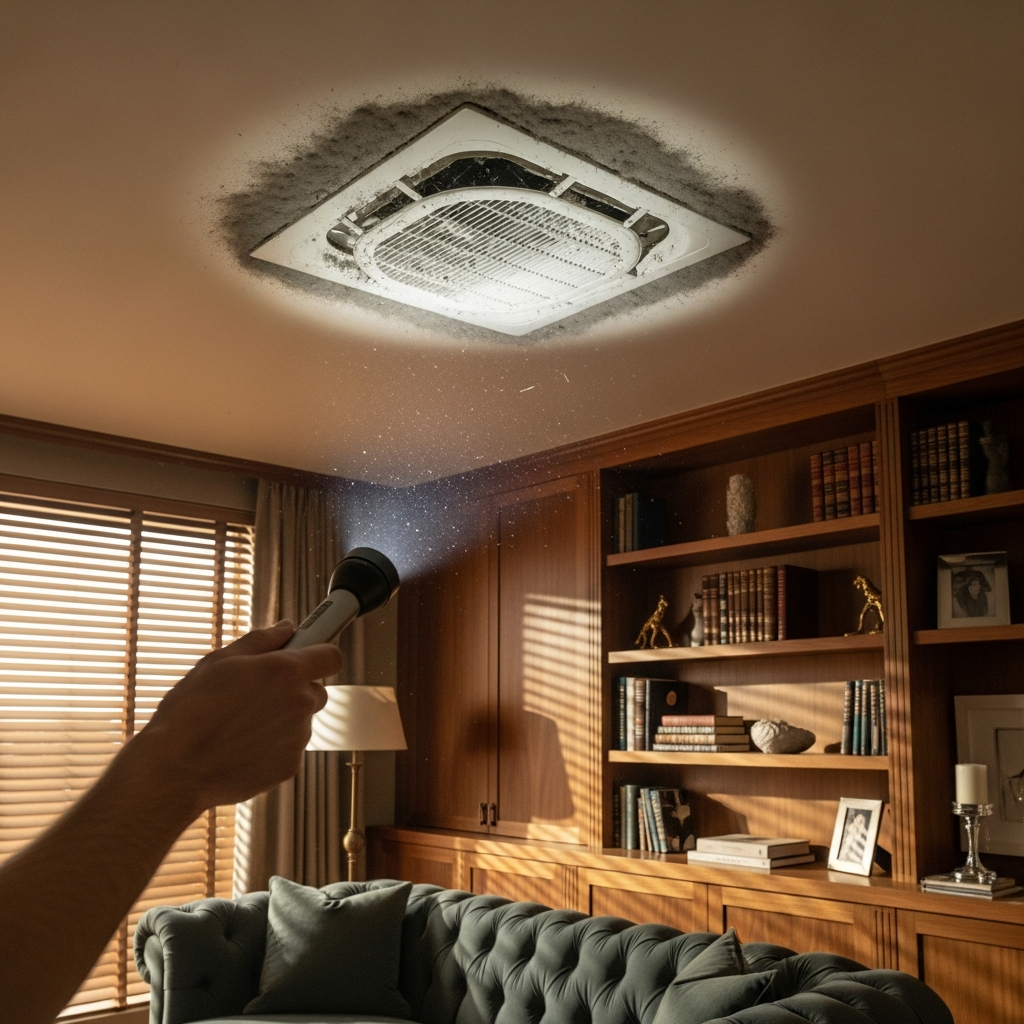
Most of the time, your air ducts do exactly what they should: carry conditioned air quietly, move dust away from living spaces, and keep every room comfortable without drawing attention. But when something changes—when air feels heavier, dusting never seems to end, or the first minute of airflow carries a stale edge—it’s worth asking whether the system is overdue for a reset. In Beverly Hills, where homes blend architectural heritage with modern comfort, these signals can be subtle. Recognizing them early helps you preserve a calm, clean interior. If you are beginning to notice a pattern, diving into the hallmarks of when to schedule professional air duct cleaning will pay dividends in daily life.
Our community’s indoor air is shaped by more than what happens within four walls. Tree-lined streets that shade the flats shed pollen and organic dust seasonally. Canyon breezes roll in delicately scented, but they also ferry fine particles from trails and chaparral. Remodels are common, even when they’re modest, and each project carries a plume of fine dust that lingers long after the contractor has swept up. All of this finds its way toward your returns, where the system does its best to filter and circulate until deposits settle along duct surfaces.
A Stale or Dusty Odor When the System Starts
If you catch a faint musty or dusty note in the first moments after the fan kicks on, it’s your home’s way of whispering that settled material has accumulated in the ducts. Filters capture what is airborne; they cannot collect what is resting on horizontal surfaces inside the trunk and branches. That first burst of airflow stirs what has been sitting. While an odor alone does not prove the issue, it is a common precursor to other signs—and one of the most recognizable.
Dust That Returns Too Quickly
Dusting is part of life, but if you find yourself wiping the same surfaces repeatedly and noticing a film back the next day, your ducts may be contributing. Bedrooms are often the tell, especially when nightstands and headboards show a persistent layer despite meticulous cleaning. In living rooms, low shelves and media cabinets collect a quiet testimony in the form of fine gray coats. When filters are changed on time and housekeeping is steady, this pattern points toward the duct network as a reservoir.
Uneven Airflow and Rooms That Lag
A comfortable Beverly Hills home should feel even as you move from a bright sitting room to a shaded hallway and into the family den. If certain spaces consistently trail by a few degrees or take longer to catch up when the system starts, resistance in the ducts—often caused by settled debris—may be a factor. This symptom shows up most in rooms at the end of long runs, where small buildups can have a larger effect on velocity and comfort.
Visible Debris at Registers
Take a close look at the vents themselves. Gray smudges on wall or ceiling around registers, strands of dust caught behind louvers, or small particles visible just inside the opening are visual cues. While some of this can originate from the room side, consistent accumulation right at supply points is a classic hint that the system is recirculating what has settled deeper in the branches.
Sneezing or Itchy Eyes in Specific Rooms
Indoor sensitivities can ebb and flow for many reasons, but if a family member’s symptoms flare in certain rooms shortly after the system starts, it is practical to consider the ducts. Bedrooms and home offices are common places where the pattern becomes obvious because people sit still long enough to notice. Once dust is lifted and removed under proper containment, many households describe those flare-ups easing, especially overnight.
After a Renovation or a Season of Wildfire Smoke
Even small projects—tile work, sanding, or cabinet installation—generate fine particulates that sneak past job-site barriers. Those particles love to take up residence on duct surfaces. Similarly, when wildfire smoke passes through our area, microscopic residues can cling to the same surfaces, subtly changing both odor and the way air feels when delivered. If your home has recently navigated either scenario, it’s wise to schedule an assessment.
Noisy Operation and Longer Run Times
When ducts are clear and airflow is smooth, your HVAC runs with a soft steadiness. If you notice new tones—overly forceful whooshing from certain vents, or a sense that the system strains longer to reach the target temperature—debris buildup could be contributing. Noise and duration do not diagnose the issue alone, but paired with other signs, they are persuasive indicators.
Why These Signs Point to Action
All of these symptoms share a common thread: they speak to air pathways that need attention. Professional cleaning is not just a quick pass with a vacuum at the vent face. It is a measured process of establishing negative pressure, sealing registers to prevent backflow, and using specialized agitation tools that draw settled matter toward a high-efficiency collection system. The work respects the materials in your home—metal, flex, or fiberboard ducts—and prioritizes clean containment so living spaces remain protected while the hidden routes are restored.
In Beverly Hills, service providers also adapt to architecture and finish level. Vintage registers require careful handling to preserve patina and alignment. Tight attic or crawlspace access calls for flexible tools and patient technique. And because many homes house art, books, and fabrics that are sensitive to dust and odor absorption, the process is planned to minimize disruption while maximizing results you can feel and see.
What You Can Expect from a Thorough Cleaning
On arrival, a conscientious team walks the home, protects floors and furnishings, and selects the best point to attach the main vacuum to create negative pressure. They proceed register by register, isolating sections as they move through supply lines and returns. Agitation tools dislodge deposits, the vacuum draws material into sealed filtration, and frequent checks confirm progress. Upon completion, registers are replaced neatly, work areas cleaned, and documentation provided so you can view the before-and-after transformation.
The immediate outcome is subtle but unmistakable. The air feels lighter when the system starts, rooms carry a fresher neutrality, and dusting slows to a more reasonable pace. Spaces that once lagged begin keeping up with the rest of the home. Bedrooms and offices—places where you spend long stretches—often feel the difference most.
A Midpoint Reminder for Homeowners
If you are reading this and tallying a few of the signs in your own home, you are not alone. Many residents decide to take action after recognizing a pattern across a season or two. As you evaluate options, consider how providers explain their methods and how they will protect your home’s finishes. Exploring a trusted perspective on professional air duct cleaning can help you ask the right questions and set expectations clearly.
Frequently Asked Questions
Will cleaning eliminate all dust in my home? No home can be completely dust-free, but removing settled debris from ducts reduces what the system reintroduces each time it runs. Paired with routine filter changes and normal housekeeping, most homeowners notice a tangible reduction in dust accumulation.
Is there any preparation I should do before the appointment? Clearing access around vents helps, and it’s wise to mention delicate items or finishes near registers so extra protection can be placed. If you have pets, plan a quiet space for them while equipment runs.
Can flexible ducts be cleaned safely? Yes, with the right tools and measured technique. Professionals tailor agitation strength to the duct material to avoid damage while still achieving a meaningful reset.
How will I know the job was done thoroughly? Reputable teams provide visual documentation and walk you through what was found and addressed. Even more convincing, you should feel the difference in airflow and cleanliness in the days that follow.
Do odors always indicate a duct problem? Not always. Odors can originate in the air handler, from drain lines, or from sources in the home. However, a dusty smell on startup is a classic clue that duct cleaning will help.
Ready to Lift the Weight from Your Home’s Air?
Your home should feel like a retreat every time the system cycles on. If the signs above feel familiar, it’s the right moment to restore your ducts with care and precision. Start by speaking with a local specialist who takes the time to explain the process and documents outcomes. When you are ready to move forward, explore a clear, methodical approach to air duct cleaning and choose a time that fits your schedule. Breathing easier begins with a single appointment.