
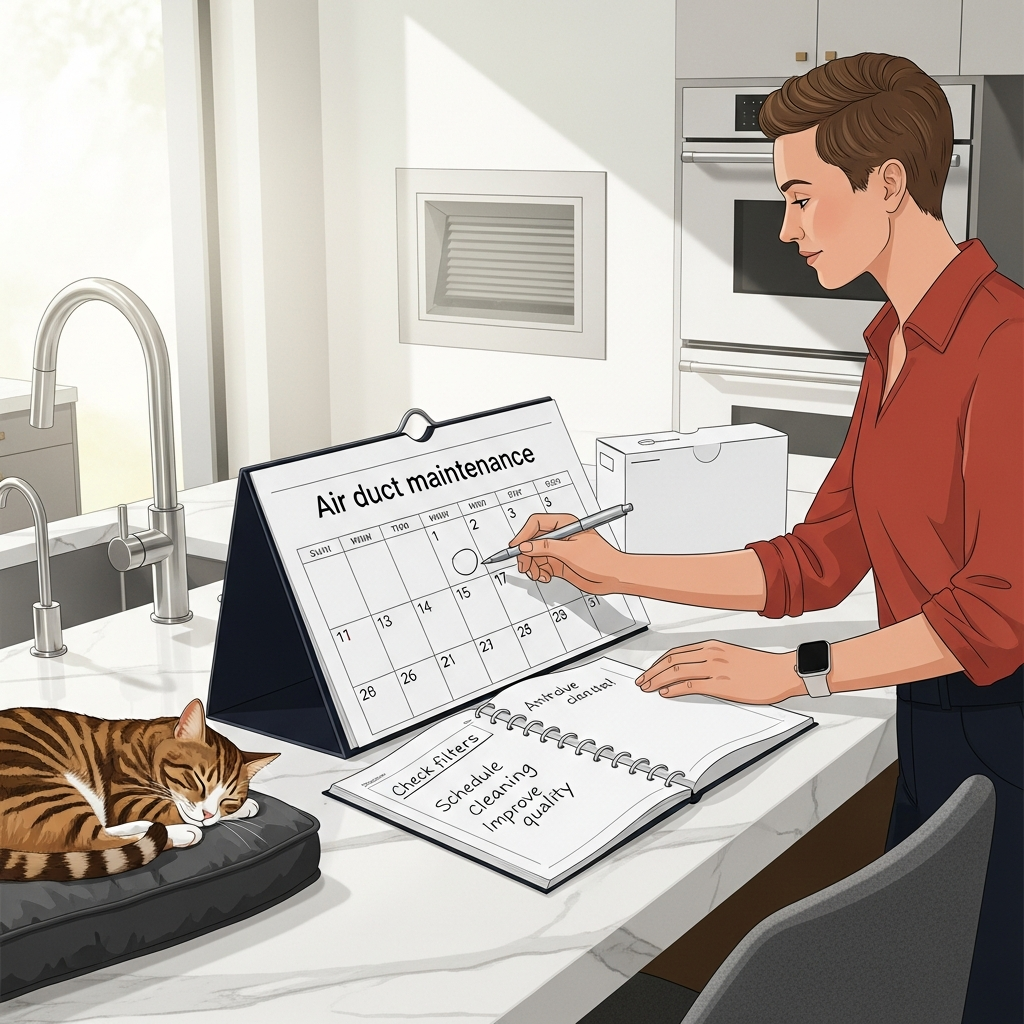
Ask ten Beverly Hills homeowners how often they schedule duct cleaning and you’ll hear a spectrum of answers, each filtered through lifestyle, home design, and the unique microclimate of our hills and flats. That variety is normal. Frequency isn’t a one-size-fits-all number pulled from thin air; it’s a practical rhythm shaped by how your home moves air, who lives there, and what the seasons bring. If you’ve ever wondered whether your own timing is too frequent, not frequent enough, or right on the mark, a grounded way to decide starts with understanding your home’s story—and pairing that story with professional air duct cleaning methods that reset the system when it needs it most.
Think about your everyday patterns. Do you open windows for canyon breezes in the evening? Are pets part of the family fabric? Do you host gatherings that keep doors cycling open, especially on cool spring nights and warm autumn afternoons? Each of these habits influences what gets pulled into returns and what eventually rests along duct surfaces. Even the most diligent filter changes cannot catch everything; heavier particles settle before filters ever see them. Over time, those layers slowly change how air moves throughout your home.
A General Rhythm That Works for Many Homes
In broad terms, many Beverly Hills households do well by reassessing their ducts every few years. But the better benchmark is responsiveness rather than the calendar alone. Major remodels, wildfire smoke events, or seasons of intense pollen can all accelerate the timeline. Conversely, a home used part-time, with doors and windows mostly closed and minimal shedding from pets, may comfortably go longer between services. What matters most is establishing a cadence that keeps airflow efficient and indoor air feeling clean without becoming a chore you constantly revisit.
For families with young children, elderly residents, or anyone with respiratory sensitivities, the balance often tilts toward more frequent check-ins. Bedrooms are the spaces where people spend the most time, so it is worth paying attention to how they feel when the system starts up after a quiet period. A musty note or a fine dust layer on nightstands shortly after the fan kicks on can be a clue that a fresh reset would be helpful.
Local Factors That Influence Timing
Our patchwork of neighborhoods experiences microclimates that truly matter indoors. Canyon properties collect tree pollen in distinct waves, from spring blooms to late-summer dry periods. Flats closer to busier corridors contend with a dust profile that includes more ultrafine particles from traffic and short-term construction projects. Seasonal Santa Ana winds can deliver bursts of dry air that carry microscopic debris deep into returns. Homes near landscaping work—your own or your neighbor’s—can also see more material drift in, especially if doors stay open during the day.
Renovations are an obvious accelerant. Even the most conscientious contractors cannot keep every speck of fine dust contained. Those particles ride drafts into returns and settle on duct surfaces where simple filter changes cannot retrieve them. If your home has completed a kitchen overhaul, bathroom refresh, or flooring replacement in the last couple of years, consider that a natural checkpoint for your ducts. In the same vein, acquiring a new furry family member or expanding entertaining habits can subtly raise indoor particulate that accumulates out of sight.
What “Needing It” Feels Like
You don’t have to be an HVAC expert to sense when timing is right. If certain rooms trail behind others in comfort, if the system releases a stale or dusty odor when it first starts, or if your dusting routine feels like a losing battle despite on-time filter changes, your ducts might be asking for attention. Registers that develop visible rings of dust, or vent covers that seem to gray around the edges soon after cleaning, are often reliable signals. Another cue is noise: when air moves through layers of settled debris, the system can sound slightly different—less whoosh, more strain.
Sometimes the signs show up in subtle behavior changes. A family member begins sneezing more in a particular room, or you notice you crack windows more often not for temperature but to refresh the air. These patterns rarely appear overnight; they build gradually the same way layers in the ducts do. Paying attention to them keeps you ahead of larger fixes.
What a Reset Looks Like
When it is time, a professional cleaning is less about “vacuuming vents” and more about restoring the pathways your HVAC uses to breathe. The crew should protect interiors, establish negative pressure at a strategic point, and methodically agitate and remove debris from supply and return branches. Tools are chosen for the duct materials in your home—metal, flex, or fiberboard—and registers are sealed during the process to prevent migration of loosened dust. Photo or video documentation closes the loop so you can see the difference rather than simply trust that it happened.
Afterward, many homeowners report an immediate freshness when the system starts, an absence of that first-minute stale note, and more even temperatures as air moves with less resistance. Dust settles more slowly, and living spaces—particularly bedrooms—feel lighter. Filters return to doing their job of capturing what remains airborne, instead of trying to intercept what settled months or years ago along the duct walls.
The Middle-Ground Decision: Adjusting Frequency with Confidence
If you are in the middle of deciding when to schedule next, consider your home’s recent history: any upgrades completed, changes in occupancy, or exposure to seasonal events. Blend that with your lived experience in the space. A practical way to anchor the decision is by exploring how a local specialist describes their approach to air duct cleaning. Clear process descriptions often mirror disciplined execution.
Keeping the Gains Between Appointments
Once you have your ducts refreshed, small habits preserve the clarity. Replace filters on schedule, keep returns unobstructed, and close doors and windows during high-pollen days if you are sensitive. During dusty projects—sanding, drilling, or heavy vacuuming—consider pausing system operation or sealing nearby returns temporarily to avoid pulling particles into the trunk lines. If you love evening breezes, enjoy them, but remember that open windows welcome the outdoors in; a slight adjustment to timing during peak pollen days can make a difference.
Pay special attention to closets and rooms where fabrics live. Textiles love to share fibers with the air. Regular laundering of high-use throws and bedding reduces what the system recirculates. If your home includes display shelves, give them a periodic wipe a day or two after the system has been running steadily post-cleaning. A minimal dust layer suggests the ducts remain in good shape; a quick buildup is your nudge to revisit timing.
Special Considerations for Beverly Hills Architecture
Our architectural variety adds nuance to frequency decisions. Historic homes with longer runs and older returns may accumulate debris differently than newer builds with straight-shot trunks and efficient returns. Homes with art or rare books might benefit from a slightly tighter schedule to protect sensitive materials from dust and odor absorption. Properties with luxurious fabrics—velvet, mohair, silk—tend to broadcast dust more quickly, too, simply because those textures catch airborne particles so well. Being attentive to these subtle cues helps you set a schedule that respects both the people and the objects that make your home unique.
Another architectural factor is access. When ducts run through tight crawl spaces or shallow attics, proper cleaning requires more setup and care. While that does not change how often you should clean, it underscores why planning matters. Booking ahead of peak seasons ensures the team can work methodically without rushing to beat a heatwave or a holiday gathering.
Frequently Asked Questions
Is there a universal rule for how often to clean ducts? Not really. A general reassessment every few years suits many homes, but lifestyle, renovations, and seasonal exposures will nudge your ideal timing up or down. It’s better to look for cues in comfort, cleanliness, and system behavior.
What are clear signs that I should schedule now? Dusty odors when the system starts, quick dust buildup around registers, uneven room temperatures, or a feeling that the air is heavier than it should be are practical signals. Visual debris at vents is a stronger clue.
Do pets change the schedule? Yes, especially long-haired breeds or multiple pets. Dander and hair add to what settles in ducts, and many pet-loving households opt for more frequent attention, particularly in sleeping areas.
Should I schedule immediately after a renovation? If your home has been remodeled or even lightly updated with activities that generate fine dust, it’s wise to plan a cleaning once the work is complete and surfaces are ready. That resets the system and prevents post-project residue from recirculating.
Can I time cleaning to allergy seasons? Absolutely. Scheduling before your highest-sensitivity months helps, and closing windows during peak pollen days can support your gains between appointments.
Ready to Set the Right Rhythm?
Your home will tell you when the time is right if you listen to airflow, comfort, and subtle everyday cues. When you are ready to define a schedule that reflects how you live, reach out to a local team that documents results and treats your property with care. Exploring a thoughtful approach to air duct cleaning is a smart first step toward steadier comfort and lasting freshness in every room.