
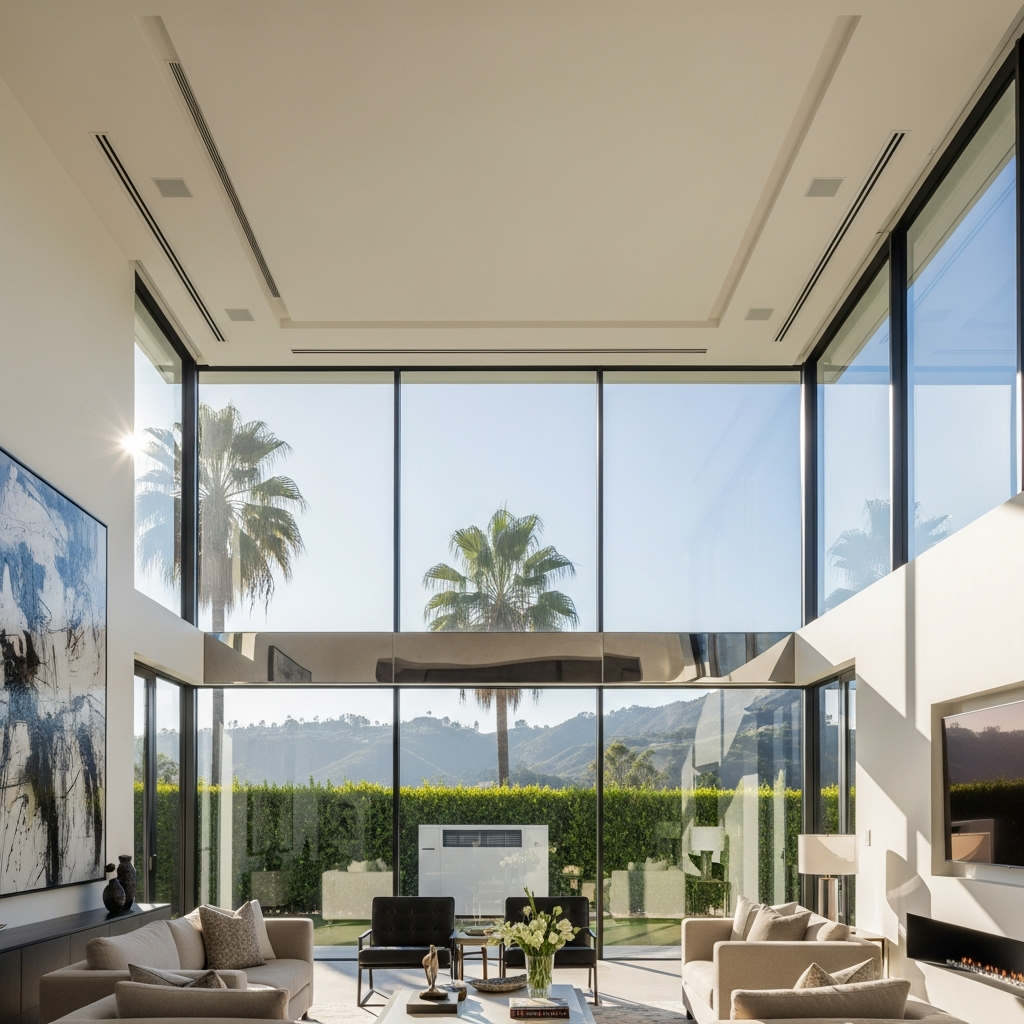
On summer afternoons in Beverly Hills, the sunlight spills over canyons, palms, and pools in a way that is unmistakably Southern California. The heat is not always extreme, but the combination of long warm seasons, clear skies, and the occasional heat wave means homeowners here depend on climate control to protect comfort, art, finishes, and everyday routines. As a local HVAC consultant who has spent years fine-tuning systems for villas off Sunset, hillside estates tucked into Benedict Canyon, and sleek new builds off Roxbury Drive, I can tell you that energy efficiency is not just a buzzword—it is the key to stable comfort, quieter living, and a lighter environmental footprint. Thoughtful design and equipment selection can align with the unique architecture and microclimates of the city, and modern approaches allow you to enjoy dependable cooling without wasting energy. The journey begins with a clear understanding of your home and a plan for truly efficient air conditioning.
Efficient cooling in Beverly Hills is not identical to efficient cooling in other parts of Los Angeles. Our neighborhoods range from flat, sun-drenched lots to terraced hillside properties where breezes and shade patterns change from morning to afternoon. That microclimate variability means the right design is personalized: window orientation, roof color, landscape shading, and even the way the canyon funnels warm air at dusk all influence what works best. Homes here also tend to have larger openings, tall ceilings, and premium materials. Those features enhance beauty, but they can also lead to thermal loads that are anything but typical. The goal is to create a system that hums in the background, preserving quiet, keeping relative humidity steady, and delivering clean air while using as little energy as possible.
Why Beverly Hills Homes Need a Tailored Efficiency Strategy
In this city, efficiency is holistic. I often begin with the envelope—windows, doors, and attic insulation—because these are the passive ingredients that make an active cooling system work smarter. Even the best variable-speed compressor will struggle if ducts leak or if west-facing glass invites late-afternoon solar gain unchecked. Small adjustments like targeted shade structures, reflective window films that preserve views, or improved attic ventilation can cut the load before any equipment turns on. With a leaner load, the system can be right-sized, which immediately improves efficiency and comfort.
Next, consider zoning. Many Beverly Hills properties stretch across multiple levels with rooms that are used at very different times of day. A unified system running at a single speed for the entire house rarely matches how people actually live. Creating discrete zones—primary suite, kitchen and great room, office or studio—lets variable-capacity equipment throttle gently and keep only the spaces you use at your preferred setpoint. Because variable-speed compressors and ECM blower motors are most efficient when they run at lower speeds for longer, zoning harmonizes comfort with cost.
Modern Equipment Choices That Matter
For energy efficiency, the equipment conversation starts with variable-capacity heat pumps and high-SEER2 air conditioners. The latest inverter-driven systems adjust output in tiny increments, which avoids the old cycle of overcooling and rapid shutoff. That smoother curve quietly maintains temperature and humidity while consuming less electricity. Indoors, a variable-speed air handler paired with a properly sized evaporator coil keeps airflow steady and whisper-quiet, enhancing filtration performance as well. Combined with high-MERV filters and, when appropriate, an energy recovery ventilator for fresh air, you end up with a system that cools, cleans, and conserves.
Don’t overlook the value of enhanced dehumidification. Even in our dry season, humidity can spike with marine influence or monsoonal flow. A system that can reduce moisture without excessive overcooling makes rooms feel comfortable at slightly higher setpoints, shrinking energy use. Some premium systems offer reheat modes or intelligent fan profiles that slow airflow across the coil, extracting more moisture while preserving temperature stability.
Designing for Quiet Efficiency
Efficiency and silence are partners. A system that is oversized will short-cycle, which is not only wasteful but also noisy. Sizes that match your calculated load allow the equipment to settle into a low, continuous cadence. Outside, careful placement of the condenser matters—shielded from reflective walls, away from bedroom windows, and set on an isolation pad to absorb vibration. Inside, ductwork design is critical: adequate return air, smooth transitions, and duct liners where appropriate keep velocity and turbulence in check. This way, the system’s efficiency expresses itself as a gentle, nearly invisible presence in daily life.
Consider, too, the architectural character of the home. Many mid-century properties feature post-and-beam ceilings and limited chases for ductwork. Retrofitting these homes demands precision—slim ducted runs, vertical drops hidden within closets, and sometimes a hybrid solution that mixes concealed ducted air handlers for common areas with compact, discreet indoor heads for remote suites. Done right, efficiency and aesthetics live in harmony, preserving clean lines and open volumes.
Controls, Schedules, and Smart Home Integration
Smart control is the unsung hero of energy efficiency. Intuitive thermostats, well-tuned schedules, and occupancy-based adjustments ensure the system anticipates rather than reacts. In Beverly Hills, where many homeowners split time between residences or entertain frequently, scenes and automations can be tailored to your rhythms. For example, a pre-cool routine in late afternoon—timed to push a small amount of cool, dry air into sun-facing rooms—often prevents the larger evening load spike that would otherwise follow sunset gatherings. Integration with shades and lighting further reduces cooling demand without sacrificing comfort or ambiance.
Before any of that, commissioning is essential. I have found that careful setup—verifying refrigerant charge, confirming static pressure and airflow at each register, checking duct leakage, and balancing zones—separates average performance from exemplary efficiency. It’s the hidden half of the equation. Sensors that monitor coil temperature, supply air, and runtimes can feed data back to your controls, allowing quiet optimizations that shave energy use day after day.
Addressing Ductwork: Where Energy Is Won or Lost
Even with premium equipment, ducts can make or break efficiency. In some Beverly Hills homes, ducts run through warm attics or tight interstitial spaces. Sealing joints, insulating properly, and designing trunks with minimal elbows reduce static pressure and leakage. Providing generous return paths, especially for closed-door bedrooms, keeps the system from struggling to pull air back, which lowers fan power and improves filtration. When updating ducts, I prioritize gentle velocities and diffuser placements that blend with the interior design, so performance is as graceful as the room itself.
On larger estates, adding dedicated returns to high-load rooms—sunny family rooms, home gyms, or a glassy office—can prevent hot spots and allow lighter cooling throughout the rest of the zone. Efficiency looks like balance: fewer extremes, smoother delivery, and a sense that the temperature is even from one corner of the home to the next.
The Middle of the Story: Real-World Scenarios
Midway through a project on a hillside home facing southwest, the owners asked how to keep the open-plan great room comfortable during weekend dinners without running the entire system hard. The solution combined targeted zoning, smart pre-cooling, and added return air near the kitchen. The variable-capacity system simply idled higher an hour before guests arrived, nudging the temperature down, lowering humidity, and keeping the party comfortable while the bedrooms remained at a relaxed setpoint. A thoughtful, data-driven approach to air conditioning means you use only what you need, precisely where you need it.
Another client with a 1930s Spanish Revival wanted to retain original moldings and plaster arches. We used compact ducted air handlers tucked above hallways and routed returns through existing soffits, preserving every visual detail. The new system’s gentle airflow allowed higher thermostat settings without sacrificing comfort, and energy use dropped substantially compared to the prior oversized unit. It was a testament to the idea that efficiency starts with respect for the building.
Codes, Testing, and the Beverly Hills Context
Our local context includes California’s energy standards, which emphasize duct sealing, right-sizing, and verified airflow. Working within these frameworks benefits homeowners by formalizing what good practice already suggests. In practical terms, it means fewer surprises down the line and — when combined with seasoned fieldcraft — a system that simply behaves better. HERS testing for duct leakage and airflow, along with permits and inspections, are not just boxes to check; they are quality assurance steps that protect your investment and maintain efficiency year after year.
Moreover, because many clients are electrifying, high-efficiency heat pumps now take center stage. They provide cooling in summer and heating on cool winter nights, reducing reliance on fossil fuels. When paired with rooftop solar, they transform comfort into a low-carbon routine. That synergy is powerful in Beverly Hills, where sunny days are plentiful and roofs often have favorable exposure.
Indoor Air Quality and Efficiency
Energy efficiency is intimately connected to indoor air quality. Clean filters and steady airflow reduce particle buildup, protect delicate finishes, and support well-being. High-MERV filtration captures fine dust and allergens, and a fresh air strategy, designed correctly for the home’s envelope, keeps indoor air from becoming stale. With variable-speed fans, filtration can operate at a low background rate, using minimal electricity while maintaining a healthy environment. In homes where wildfire smoke occasionally drifts in from distant blazes, the ability to recirculate and filter efficiently becomes invaluable.
Proper condensate management is another behind-the-scenes detail with real impact. Well-installed drain lines with cleanouts and safety float switches protect walls and floors, and UV treatment in select cases can inhibit microbial growth on coils, ensuring heat exchange stays efficient. It is this attention to detail that keeps a system’s performance high season after season.
Common Pitfalls to Avoid
One of the most common pitfalls is oversizing—choosing an air conditioner that seems luxurious because it’s big, but actually underperforms. Oversized units race to the setpoint, shut off, and leave humidity higher than ideal. The house feels cool, then clammy, and energy is wasted. Another pitfall is ignoring the envelope. If west-facing glass remains unaddressed, the AC will always work harder than it should in late afternoons. Finally, inadequate return air compromises everything else the system tries to achieve. The good news is that each of these pitfalls is avoidable with careful planning and execution.
It’s also easy to overlook maintenance. Filters age, coils collect film, and fans shift out of tune. A well-designed system includes a maintenance plan that is as tailored as the design itself: seasonal checkups, coil cleaning as needed, and occasional recalibration of airflow to reflect real-world use. That steady attention preserves efficiency without drama.
What Success Looks and Feels Like
When an energy-efficient system is dialed in, you notice the absence of extremes. The bedroom is not frigid at night; the great room does not lag behind; the study stays comfortable during a mid-afternoon Zoom call even when the sun angles in; the return air registers do their work quietly. Energy bills stabilize, and the equipment runs in the background with a calm, low sound profile. Guests comment on how consistently comfortable the home feels, but they do not notice the system itself because it is not drawing attention.
The aesthetics of your home remain intact, the finishes are protected from humidity swings, and you enjoy a sense that everything is in balance. That is the hallmark of good design and careful commissioning, and it is more than worth the initial attention it requires.
Frequently Asked Questions
Q: What makes an air conditioning system truly energy efficient in Beverly Hills?
A: It is the combination of right-sized, variable-capacity equipment, a well-sealed and well-insulated duct network, a tuned control strategy, and thoughtful attention to the home’s envelope. Integrating shading, smart schedules, and balanced return air is just as important as choosing a high-SEER2 unit.
Q: Do I need to upgrade my windows to see meaningful efficiency gains?
A: Not always. While premium glazing helps, targeted solutions like reflective films, well-placed exterior shading, and air sealing can dramatically reduce heat gain. Pairing these measures with a properly designed system often delivers strong results without major renovations.
Q: Are heat pumps a good fit for Beverly Hills homes?
A: Absolutely. Modern heat pumps excel in our climate, providing efficient cooling in summer and comfortable heating in cooler months. They can integrate smoothly with existing ductwork or be part of a mixed solution using slim ducted or discreet indoor units.
Q: How important is ductwork in overall efficiency?
A: Critical. Poorly sealed or restrictive ducts can negate the benefits of even the best equipment. Optimized duct design, adequate returns, and proper insulation help the system breathe and deliver conditioned air with minimal waste.
Q: Will an efficient system also be quieter?
A: In most cases, yes. Variable-speed equipment, balanced airflow, and careful placement of components typically reduce noise. Efficiency and quiet operation tend to improve in tandem when design and commissioning are done right.
Q: How often should I schedule maintenance?
A: A seasonal rhythm works well—once before the cooling season and again before colder months. Filter changes may be more frequent depending on indoor air quality goals and household activity, and periodic coil cleaning keeps performance high.
Ready for a Cooler, Greener Home in Beverly Hills?
If you are planning a renovation, building anew, or simply determined to make your home more comfortable and sustainable, this is the ideal moment to consider a comprehensive efficiency strategy. From careful load calculations to elegant ductwork and fine-tuned controls, every decision can build toward a system that feels effortless day after day.
Let’s talk about your goals, your architecture, and how to create a quiet, resilient, and efficient system that enhances your lifestyle. When you are ready to take the next step and explore modern options for air conditioning, a thoughtful consultation can set the right course. Together, we can shape a plan that respects your home’s character while delivering lasting comfort, cleaner air, and lower energy use.