
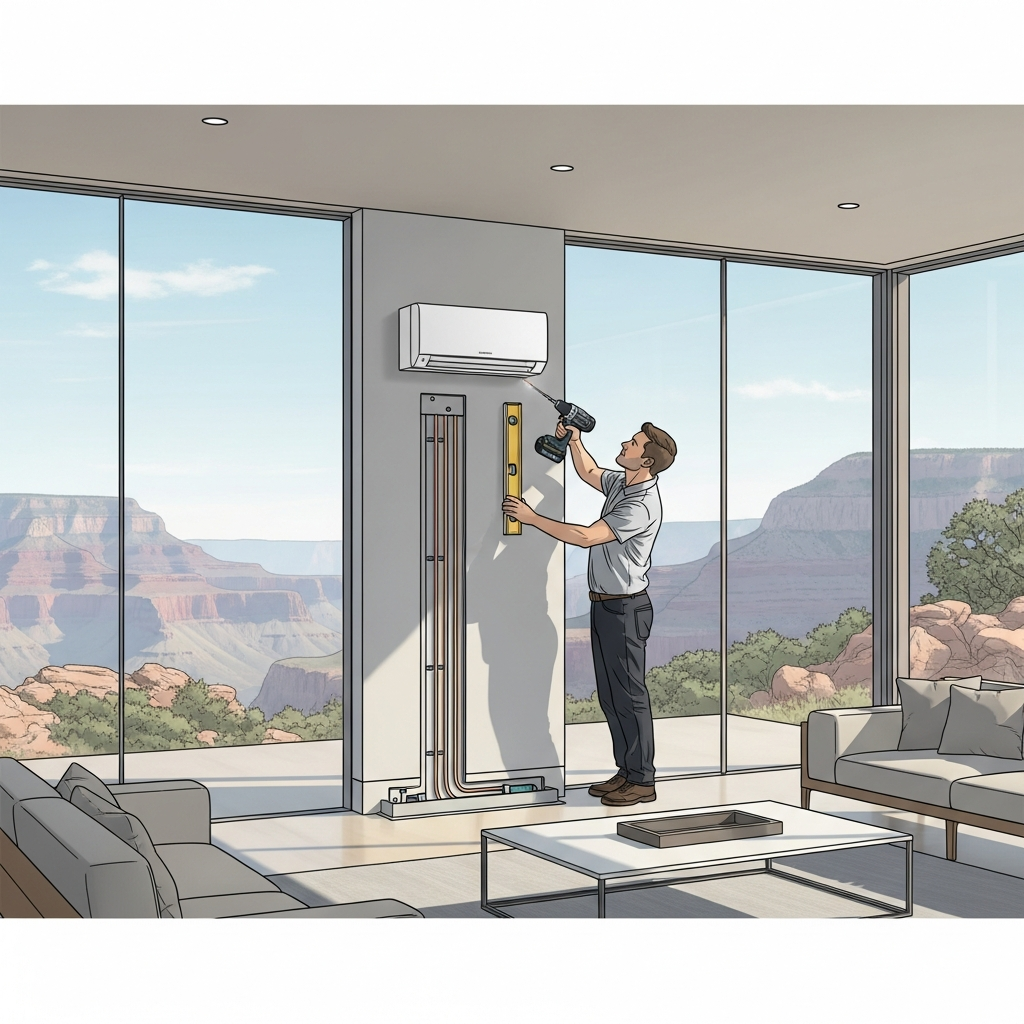
Walk through a sunlit Beverly Hills home and you quickly realize that comfort must follow architecture, not override it. In rooms defined by floor-to-ceiling glass or meticulously restored plaster, running new ducts can feel like a compromise. That is why ductless systems—sleek indoor units connected to a compact outdoor condenser—have become a favored choice for targeted cooling and whole-home solutions alike. They offer quiet performance, flexibility in placement, and precise control, all while preserving the integrity of distinguished spaces. As you begin planning, it helps to ground the conversation in the basics of modern air conditioning so that each decision aligns with how you live and how your home is built.
Ductless, often called mini-split or multi-split, is not a single product but a family of options. A single-zone system might serve a home office or a guest suite; a multi-zone setup can condition an entire residence with a network of indoor units sharing one or more outdoor condensers. With variable-speed compressors and refined controls, these systems modulate output to match demand, delivering a remarkably even, quiet cool. For Beverly Hills properties that blend historic character with modern expectations, that balance is compelling.
Where ductless makes the most sense
Certain spaces invite ductless solutions immediately. A glassy addition that gets afternoon sun but does not connect easily to existing ductwork is a classic example. Detached studios, gym spaces over garages, and guest houses benefit too, where independence from the main system is part of the appeal. In multi-story homes, individual indoor units can tame that one bedroom that never felt right with the central system. For whole-home applications, slender ducted air handlers paired with wall- or ceiling-mounted units let designers tailor comfort room by room without large chases or soffits.
Aesthetics drive many choices. Wall-mounted units have become more refined, but some homeowners prefer recessed ceiling cassettes or slim-ducted units hidden above closets with discreet grilles. The right combination preserves sightlines and honors interior design while still delivering strong performance. Outside, condenser placement respects patios, pool decks, and garden paths, favoring locations that allow easy service access and subdued sound.
Installation details that matter
The artistry of a ductless installation lies in routing and termination. Refrigerant line sets, control wiring, and condensate drains must travel from each indoor unit to the outdoor condenser cleanly and with long-term service in mind. In Beverly Hills, many projects call for line sets that disappear into walls or run within low-profile channels painted to match exterior finishes. Penetrations are sealed carefully to protect the building envelope, and supports are selected to minimize vibration and visual impact.
Condensate management is a quiet hero again. Each indoor unit needs a reliable path for moisture—gravity when possible, dedicated pumps when it is not. Routing must protect finishes and remain accessible for maintenance. Where ceiling cassettes are used, secondary protection is prudent, especially above delicate plaster or wood. These decisions are practical and aesthetic, joining performance with preservation.
Controls, zoning, and daily life
Ductless thrives on control. Each indoor unit can have its own setpoint and schedule, letting you cool occupied rooms precisely while letting rarely used spaces rest. For households with different comfort preferences, this is a gift. Integration with home automation is increasingly common, so scenes can dim lights, close shades, and adjust temperatures together for an evening gathering or a quiet morning. The key is commissioning—ensuring each unit communicates properly, sensors read accurately, and fan speeds are tuned to room acoustics.
In homes with central systems already in place, ductless can complement rather than replace. A stubbornly warm sunroom or a new gym may demand cooling independent of the main system’s logic. Adding a ductless zone prevents overworking the central equipment and fine-tunes comfort without reengineering the entire house. This hybrid approach respects both budget and architecture.
Noise, placement, and neighborly respect
Even quiet equipment can sound louder than expected if placed without care. Hard walls reflect, courtyards concentrate, and certain corners funnel sound. Experienced installers test likely locations and favor placements that shield living and gathering areas while preserving airflow. Vibration isolation, careful mounting, and routing that avoids transmitting noise into structures all contribute to the barely-there presence homeowners prize.
Indoors, fans and airflow should feel gentle. Wall units that sit too close to seating areas can create drafts; ceiling cassettes benefit from thoughtful vane settings that sweep air along ceilings rather than directly at people. Commissioning includes a walk-through to confirm that comfort feels effortless from sofa to bedside.
Permitting, access, and the Beverly Hills cadence
Permits, HOA reviews where applicable, and coordination with neighbors or building staff keep projects smooth. Rooftop or balcony condensers may require structural verification and screens designed for both aesthetics and airflow. Access routes are planned to protect finishes; pathways are covered, and daily clean-up is part of the rhythm. In tucked-away mechanical alcoves, thoughtful equipment spacing preserves service access for future maintenance—an investment in reliability as much as convenience.
Electrical planning is equally deliberate. Circuits are sized to the equipment, disconnects are placed cleanly, and conduit runs are discreet. Where multiple indoor units share an outdoor condenser, communication wiring and addressing are mapped clearly to simplify future service. The outcome should look as intentional as it performs.
Commissioning and living with ductless
When the system powers on for the first time, commissioning transforms parts into comfort. Refrigerant charge is verified according to manufacturer guidelines, indoor unit sensors are checked, and fan curves are tuned. You should receive a clear orientation—how to set schedules, when to clean filters, and what normal sounds and indicators look like. With routine maintenance, ductless systems run with remarkable discretion, their presence felt more in the easy calm of a cool room than in any audible cue.
Maintenance itself is straightforward. Filters are accessible and cleaned or replaced according to use. Condensate lines are checked for clear flow, and outdoor coils are inspected and rinsed as needed. In homes with pets or high-traffic entertaining, filters may need a bit more attention; otherwise, seasonal service keeps everything within design parameters.
FAQ
Q: Is ductless suitable for whole-home cooling?
A: Yes. Multi-zone systems, often mixing wall units, ceiling cassettes, and slim-ducted air handlers, can condition an entire home while respecting architecture and aesthetics.
Q: Will indoor units be visually intrusive?
A: Not when planned well. Options range from sleek wall units to recessed cassettes and slim-ducted units with discreet grilles. Early coordination aligns performance with design intent.
Q: How quiet is ductless?
A: Properly selected and commissioned systems are very quiet. Placement, vibration isolation, and tuned fan speeds keep sound levels comfortably low indoors and out.
Q: Can ductless integrate with home automation?
A: Yes. Many systems offer robust integration, allowing scenes and schedules that coordinate with lighting and shading for a cohesive daily rhythm.
Q: What maintenance does ductless require?
A: Regular filter cleaning, seasonal checks of condensate routing, and periodic inspection of outdoor coils. With routine care, performance remains consistent and unobtrusive.
Bring tailored comfort to your space
If you are considering ductless for a focused room solution or a whole-home design, the next step is a conversation about how you live, where you gather, and how you want each room to feel. A local team that respects architecture and commissioning with equal care will deliver a system that disappears into daily life. When you are ready to explore layouts, finishes, and performance together, connect with specialists in air conditioning who understand the subtleties of Beverly Hills homes.