
Boosting Air Conditioning Efficiency in Beverly Hills, California
From palm-lined boulevards to canyon retreats wrapped in eucalyptus and oak, Beverly Hills embraces sun in all its moods. That is why so many homeowners here look for ways to make their cooling systems feel effortless—cool, even, and quiet—without unnecessary strain. Efficiency is not only an energy conversation; it is about comfort that stays consistent as the day warms and the evening eases. When we talk about improving efficiency, we are talking about a home that breathes well, a system that responds intelligently, and details that respect the design you have cultivated. To begin that journey, it helps to ground the plan in how your air conditioning really lives within your rooms and routines.
Unlike generic advice lists that treat all homes the same, an efficiency strategy in Beverly Hills must consider microclimates, materials, and aesthetics. A post-and-beam mid-century home with glass that frames the western sky needs a different approach from a 1920s residence with deep shade and thick walls. The most effective upgrades look small from the outside—adjustments to airflow, sealing, and controls—but feel large in daily life, smoothing temperature swings and toning down noise.
Start with the Envelope: Quiet Gains from Invisible Work
The path to efficient cooling runs first through the home itself. Attic insulation, air sealing around recessed lights and attic hatches, and well-fitted weatherstripping reduce the workload on your system without changing a line of your interior design. In older homes where character is paramount, these improvements slip into the background. I often find gaps around plumbing penetrations and top plates in attics, places where hot air slides into the living space, asking your equipment to work harder than necessary. Sealing these with the correct materials and confirming ventilation balance lets the system breathe at a calmer pace.
Windows deserve thoughtful attention. Without altering the look, interior shades or discreet films can temper solar gain through west-facing glass. Pairing automated shades with thermostat schedules creates a synchronized dance: shades lower as the sun leans west, reducing radiant load just as the system glides into its late-afternoon routine.
Airflow: The Pulse of Efficient Comfort
Efficient systems move air without strain. High static pressure robs efficiency and creates noise that steals from the room’s calm. During an efficiency tune, I measure static, inspect returns for restrictions, and ensure supplies are balanced across the home. If a single return serves a large zone, adding a strategically placed return can ease the blower’s burden and cut noise dramatically. In estates with long duct runs through attics, I look for crushed sections, open joints, and insulation gaps. Addressing these can make the whole home feel newly even without touching the equipment.
Register selection also plays a role. Low-resistance grilles with a clean profile keep air moving quietly. In designer spaces, we can maintain visual subtlety while selecting grilles that reduce whistle and rush, further supporting efficient, low-speed operation.
Smart Controls and the Art of Timing
Efficiency is a choreography of timing and temperature. Smart thermostats, when paired with remote sensors and schedules that reflect your life, enable pre-cool strategies that are far more comfortable and efficient than last-minute sprints. In Beverly Hills, I often set systems to glide to the day’s setpoint before the hottest hours, then hold steadily. For larger homes, sensor-informed zoning reduces over-conditioning in seldom-used rooms while keeping primary spaces—kitchen, family room, office—exactly where you want them.
Control integration matters too. If you have automated shades or scene-based controls, I align cooling schedules with those cues, making the home feel instinctively comfortable. Gentle ramps in fan speed and compressor stages preserve silence while delivering the necessary cooling. The result feels less like a machine turning on and more like a home adjusting itself around you.
Coils, Condensers, and the Cleanliness Effect
Clean heat exchangers are efficient heat exchangers. A thin film of dust on evaporator or condenser coils insulates against heat transfer, forcing longer runtimes for the same result. Periodic, careful cleaning—no harsh blasts that bend fins—restores performance and quiet. Outdoors, I ensure that condensers have clear breathing room. In Beverly Hills gardens, beauty often grows close; a respectful trim around equipment preserves both the landscape’s look and the system’s efficiency.
Condensate systems also contribute to efficiency in indirect ways. A safely draining air handler prevents surprise shutoffs under load, which would otherwise lead to long, inefficient restarts. Float switches tested and drains flushed are small actions with big ripple effects.
Duct Improvements: Small Adjustments, Big Returns
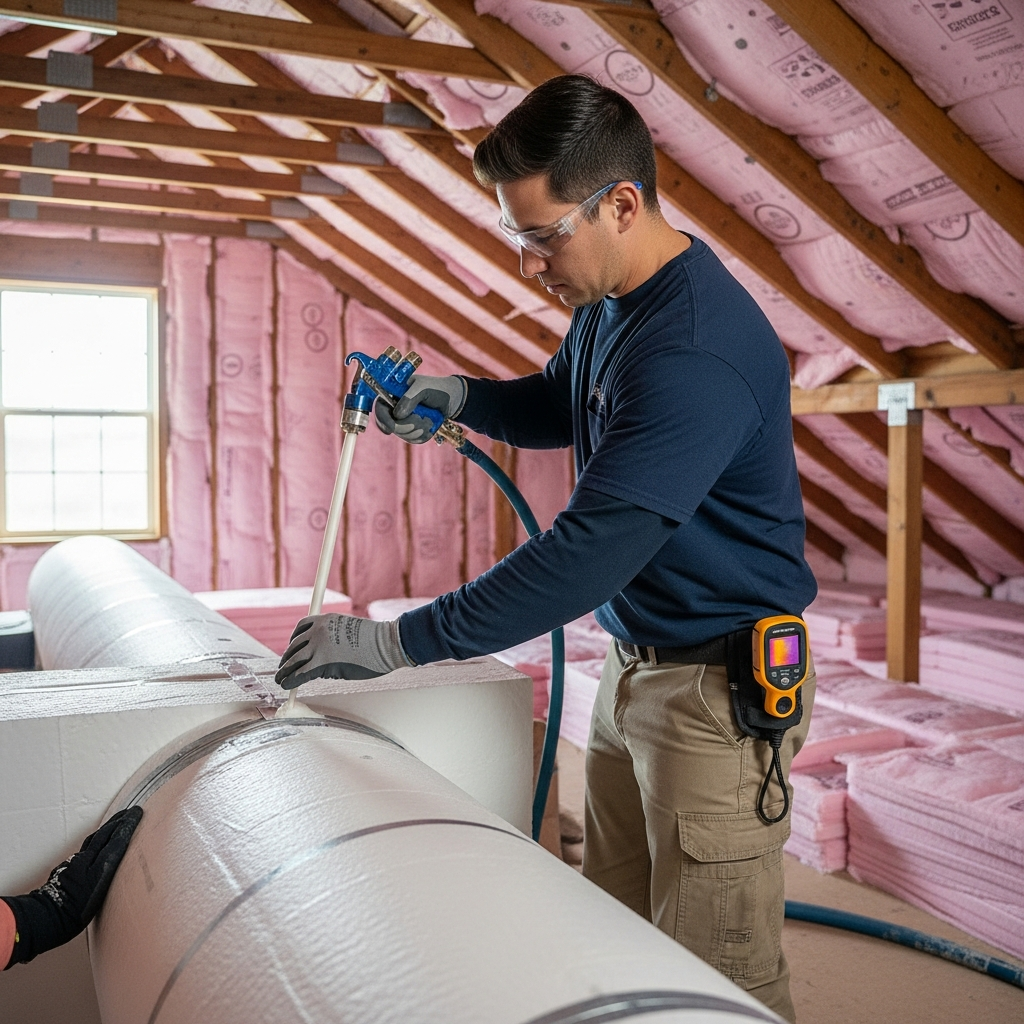
Ductwork determines how hard your system has to push. Sealing accessible joints, adding liner or insulation where missing, and correcting awkward transitions reduce turbulence and leakage. A quarter-inch of static pressure saved is a quiet victory your blower will celebrate for years. In homes where returns pull from hallways, I sometimes recommend dedicated returns in key rooms, particularly primary suites. This lowers noise and promotes even, gentle cooling at lower fan speeds.
For older properties, I evaluate whether duct geometry can support modern high-efficiency equipment. Sometimes the smartest path to efficiency is not the highest-SEER unit on paper, but the one that matches duct capacity and delivers its performance with grace.
Variable-Speed Equipment and Right-Sized Power
When the time comes to upgrade equipment, variable-speed compressors and blower motors offer compelling efficiency and comfort. They spend most of their time idling at low output, matching the home’s actual needs instead of cycling on and off. The feel is unmistakable: even temperatures, gentler airflow, and reduced noise. Commissioning is crucial—charge, airflow, and control profiles must align with the design intent. In Beverly Hills, where quiet and refinement matter, that careful setup turns specs into lived comfort.
Right-sizing is just as vital. Oversized units chase setpoints, while properly sized systems settle into a steady state that sips energy. A thoughtful load calculation that accounts for window orientation, shading strategies, and occupancy patterns ensures equipment capacity meets the home’s true profile.
Behavioral Tweaks that Respect Lifestyle
Efficiency thrives when routines harmonize with the system’s design. Keeping interior doors slightly ajar in zones that rely on shared returns, avoiding furniture that blocks grilles, and letting the system pre-cool before outdoor entertaining all matter. None of these changes the soul of your home; they simply let the system do its best work without last-minute sprints.
Kitchen-heavy evenings and weekend gatherings benefit from small anticipatory moves—dropping the setpoint by a degree in advance or extending a low-speed fan period through dinner—so the home remains cool when ovens and people add heat. These are not compromises; they are subtle, satisfying refinements.
Noise Reduction as an Efficiency Strategy
Silence and efficiency are intertwined. When a system runs quietly at low speeds, you are less likely to overcorrect with drastic setpoint changes. I look for sources of resonance, replace aging isolation pads, and tune blower profiles to minimize start-up sounds. Register adjustments that soften a rush to a murmur encourage steady operation—the most efficient mode any system knows.
Verification: Measure, Adjust, Repeat
After improvements, I measure again. Static pressure, temperature splits, airflow at key registers—these numbers confirm that the home now cools more efficiently and evenly. I leave homeowners with a concise summary and, when helpful, a simple seasonal plan: a spring check before the first heat wave, a quick mid-summer look if usage spikes, and a post-season verification to lock in gains for next year.
Frequently Asked Questions
What is the first efficiency upgrade you recommend? Start with airflow and sealing. Even small duct fixes and air sealing around the envelope yield outsized benefits without touching equipment.
Do smart thermostats really help? Yes—when schedules reflect your life and sensors are placed wisely. They support gentle pre-cooling and steady holds that feel better and use less energy than abrupt adjustments.
How often should coils be cleaned? Annually in most homes, more often if landscaping is close or dust from nearby projects increases load. Clean coils are quiet, efficient coils.
Can I improve efficiency without replacing equipment? Absolutely. Air sealing, duct improvements, filter optimization, and control strategies elevate performance dramatically with your current system.
Why is my system loud if it is efficient on paper? Paper does not capture duct resistance, register choices, or resonance. Tuning the distribution and supports often quiets operation and reveals the efficiency you expected.
Is variable-speed always the best option? It is often the most comfortable and efficient when matched to the home and commissioned correctly, but right-sizing and duct compatibility matter more than any single spec.
Ready to Enjoy Effortless Comfort?
If you are ready to make cooling feel as refined as the rest of your home, let’s create an efficiency plan tailored to your rooms and routines. With the right mix of airflow tuning, duct improvements, thoughtful controls, and respectful maintenance, your air conditioning can deliver cool, calm, and consistent comfort through every Beverly Hills season. Reach out, and let’s begin.