
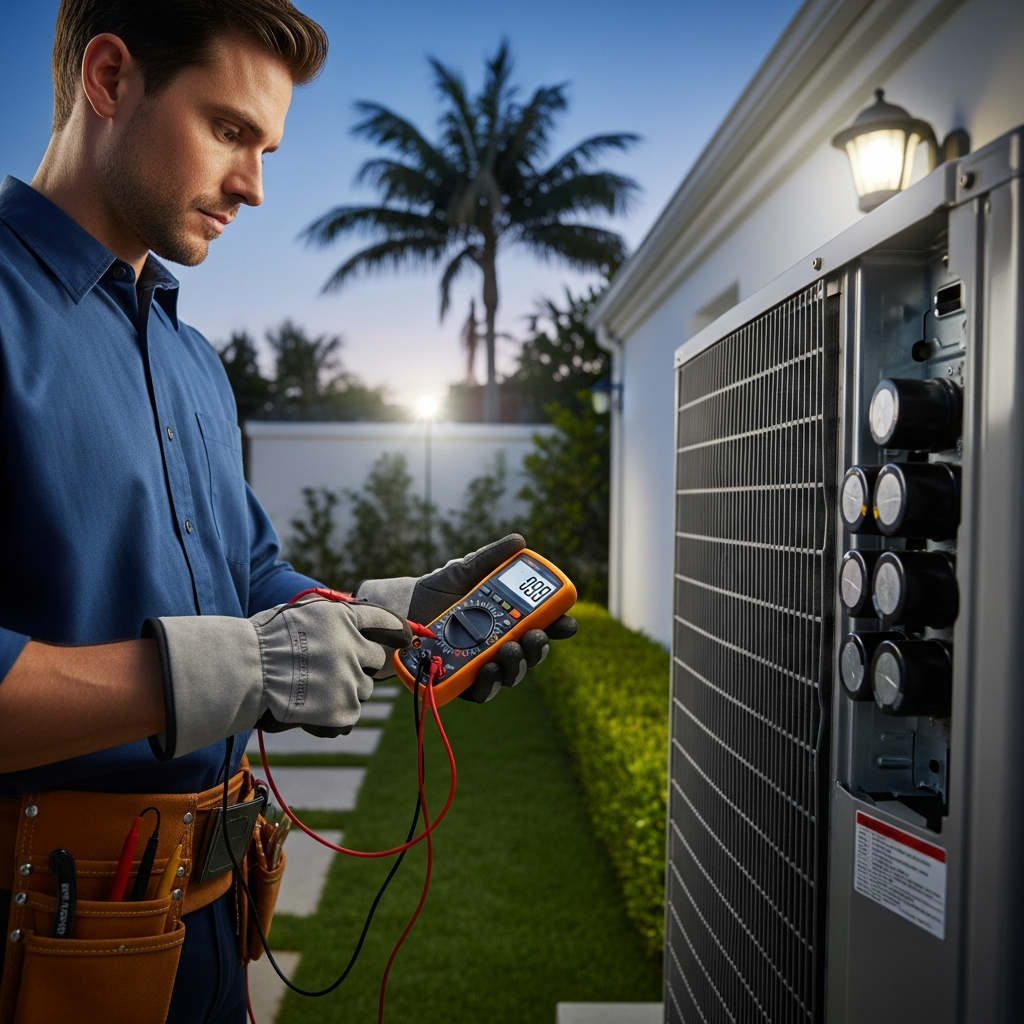
Talking about repair decisions for cooling systems in Beverly Hills means talking about more than numbers. In homes that balance history and modernity, where quiet operation and preservation of fine finishes are essential, the path to a reliable fix is shaped by context. What matters most is clarity about the problem, the options that address it, and how those options align with your priorities. As someone who has worked in sun-warmed flats and on hillsides with sweeping views, I have learned that the right repair feels not only effective but considerate of the home itself. At the heart of that conversation is the health of your air conditioning system and the factors that influence the repair path you choose.
When your system falters on a warm afternoon or just before guests arrive, the urge is to get back to comfort as fast as possible. That is understandable. Yet a few thoughtful minutes spent on diagnosis and options can save days of frustration later. Beverly Hills homes are unique, and so are their mechanical spaces. The decision to repair a component or take a broader approach often hinges on small details that an experienced eye will not miss.
What Shapes Repair Decisions
Age and condition of the system are the first signposts. A relatively new system with a single failed part suggests a targeted fix, while an older unit showing multiple symptoms may merit a broader conversation. The availability of parts matters too; legacy equipment, custom controls, or discontinued models can involve longer sourcing. Access is another pivotal factor. Roof-mounted condensers behind privacy screens, indoor handlers tucked above delicate ceilings, or equipment in tight attic corners shape how straightforward a repair can be.
Diagnostics guide the path. An electrical failure—such as a capacitor or contactor—often reveals itself quickly, and replacement tends to be direct. Motor issues, control boards, and sensors may require more in-depth testing. Refrigerant concerns, if suspected, call for careful measurement and a methodical approach to leak detection. In every case, the ideal repair is one that addresses root cause rather than symptom, restoring confidence alongside cooling.
Timing, Logistics, and Discretion
In Beverly Hills, logistics influence the experience. After-hours access rules, HOA coordination, and parking realities can shape how and when a repair proceeds. Professionals who work here regularly arrive with protective mats, shoe covers, and a plan for quiet, respectful work. They communicate in clear milestones—diagnosis, solution options, stabilization if needed, and verification—so you never feel out of step with what is happening in your home.
When parts are not immediately available, a good team stabilizes the situation. That might mean bypassing a non-critical feature temporarily, adjusting operation to keep certain rooms comfortable, or scheduling a rapid return with the needed component. The goal is to protect your schedule and your space while the final remedy is arranged.
Understanding the Range of Repairs
Repairs tend to fall into a few broad categories. Electrical and control fixes address the system’s ability to start, run, and respond to the thermostat. These can be as simple as replacing a failed capacitor or as intricate as tracking an intermittent control signal. Airflow-related repairs focus on the indoor side: blower motors, evaporator coils, and duct obstructions that can cause icing or reduced performance. On the outdoor side, condenser fans and coil cleanliness influence heat rejection; issues here can show up as poor cooling on the hottest afternoons.
Refrigerant-related work is its own discipline. If a system is low, the priority is to find out why rather than simply replenish. Leak detection protects both performance and the environment, and in homes with long line sets—common on hillside properties—careful testing is essential. The right repair plan integrates these pieces so that, once resolved, comfort is not only restored but reliable.
Repair or Replace: The Thought Process
Every homeowner eventually confronts the classic question. The answer lies in the system’s overall health, the pattern of recent issues, and your long-term plans for the property. A single, well-defined failure on a system with many good years ahead often points to repair. Recurrent breakdowns, escalating symptoms, or parts that are becoming difficult to source may nudge the conversation toward a more comprehensive solution. Importantly, this is not an all-or-nothing choice made in a rush; it is a clear-eyed discussion that weighs comfort, reliability, and future maintenance.
For historically significant homes or those with intricate finishes, preserving existing infrastructure may carry extra weight. In these cases, a thoughtful repair combined with strategic upgrades—like improved drainage, updated controls, or better filtration—can bridge the gap between today’s needs and tomorrow’s plans.
Communication You Can Act On
A repair experience should feel collaborative. Expect a clear explanation of the issue, the steps to resolve it, and what you can expect during and after the work. Photos of affected parts, simple diagrams, and plain-language summaries turn a frustrating moment into a manageable one. When you understand the reasoning behind a recommendation, you gain the confidence to proceed—even if the situation caught you off guard on a busy day.
Follow-up matters as well. A brief check-in after the system has run for a few days ensures that the solution holds under real life. It is also a chance to spot secondary items that, if addressed early, prevent repeat visits. This is particularly valuable during the first heat wave of the season, when equipment is taxed the most.
How Beverly Hills Homes Influence Repairs
Our local architecture introduces both challenge and charm. Long duct runs across attic spaces mean small leaks or disconnected sections can have outsized effects. Equipment screens designed for aesthetics sometimes limit service access. In condos, shared roofs and mechanical rooms require coordination and respect for building schedules. Neighborhood norms favor quiet, tidy work that leaves no trace—and that preference extends to mechanical spaces hidden from daily view. Teams accustomed to this environment plan accordingly, protecting finishes as if they were their own.
Weather patterns play a role too. After high-wind days, outdoor coils can clog with debris, and fan motors labor. During prolonged heat, minor electrical weaknesses become major. Technicians familiar with these patterns arrive with the right parts and the mindset to look for the less obvious contributors to a breakdown.
Reducing the Likelihood of Future Repairs
After a repair, most homeowners ask a simple question: how do I avoid this next time? The honest answer is that while systems do wear, consistent care dramatically reduces surprises. Seasonal maintenance validates refrigerant levels, tests electrical components under load, and clears drains before they overflow. Filter practices that match your home’s realities—pets, pollen, construction dust—protect airflow. And a short midseason check after the first true heat wave can catch the early signs of stress before they end in an urgent call.
Smart controls and remote monitoring add another layer of prevention. When your thermostat can report unusually long run times or frequent starts and stops, you gain an early signal that something is off. Pair that information with a service team that knows your home, and you have a recipe for predictably comfortable seasons.
What a Repair Visit Feels Like
From the moment a technician arrives, the tone should be calm and courteous. You will be asked about symptoms, timing, and any recent changes—renovations, new appliances, or unusual noises. Diagnostics proceed step by step, targeted by what you reported and what the equipment reveals. If the solution is straightforward, it may be implemented immediately, with testing to confirm stability. If components require ordering, you will leave the visit with a clear plan and interim steps to maintain as much comfort as possible.
Documentation is part of the experience. Expect notes and photos that show what was found and what was done, plus any recommendations. Keep these in your home file; they are invaluable for future care and for anyone new who may work on the system down the line.
Frequently Asked Questions
How long does diagnosis typically take?
Simple electrical or control issues can be identified quickly. Complex airflow or refrigerant problems may require more time for testing and verification. A clear process and updates along the way help you plan the rest of your day with confidence.
What if parts are not immediately available?
Your technician will stabilize the situation when possible and schedule a prompt return. You will be given practical steps to maintain comfort in the interim, along with a timeline for final resolution based on sourcing.
Do I need to be home during the repair?
It helps, especially for initial diagnosis, so the technician can confirm symptoms and test operation. For return visits, clear access and instructions can allow work to proceed if you have other commitments.
Can I get a second opinion?
Of course. Reputable professionals welcome questions and comparisons. If an issue is complex, another set of eyes can provide peace of mind. Share any documentation and photos so the review starts from the same information.
Will this happen again?
It depends on the root cause. A single failed component on an otherwise healthy system may be a one-time event. If the repair addressed symptoms of broader wear, your technician will recommend steps to strengthen reliability going forward.
What should I watch for after the repair?
Note how quickly the home reaches setpoint, listen for new or persistent noises, and keep an eye on areas near the indoor unit for moisture. If anything feels off, reach out promptly—early feedback is the best friend of lasting comfort.
When you are weighing repair options, the best companion is clarity. With a calm, methodical approach, your home returns to quiet comfort and stays there. If you would like a local specialist to walk you through choices tailored to your property, or you need prompt help today, connect with professionals who focus on air conditioning systems in Beverly Hills. You deserve thoughtful guidance and a steady path back to the way your home should feel.