
Every Beverly Hills home tells a story in its details—quiet bedrooms that stay cool long after sunset, garden terraces where conversation floats without mechanical interruption, and living rooms that feel as crisp at 4 p.m. as they do at 9 a.m. When that story gets interrupted, it is usually not by something dramatic, but by small, predictable issues that build up over time. The good news is that most of these problems can be prevented or corrected with attentive maintenance tuned to our local conditions. If you have ever wondered why a room feels stuffy, why the outdoor unit seems louder this season, or why you noticed a faint musty note near a vent, this guide is for you. And if you would rather skip directly to professional help, keep this dependable resource close at hand: keyword.
Uneven Cooling in Multi-Level Homes
In the Hills above Sunset and throughout Trousdale, homes often rise and sprawl in ways that challenge airflow. Warm air stacks in upper levels, while lower floors lag behind. If zoning is not calibrated or returns are undersized, the system compensates by running longer and noisier without solving the comfort problem. Maintenance that focuses on balancing dampers, verifying static pressure, and confirming sensor placement can return harmony to spaces that never seemed to align. When done right, bedrooms and great rooms meet setpoints without tug-of-war.
Airflow Restrictions That Create Noise and Stress
Noise is one of the first clues that airflow has narrowed. A filter that looks clean may still be restrictive if the MERV rating is too high for your equipment. Decorative grilles with tight patterns can hiss if returns are undersized. Landscaping that crept closer to a terrace condenser can cause fan turbulence that sounds like a whistle. During maintenance, technicians measure static pressure, inspect registers and grilles, and clear outdoor obstructions so fans can move air freely. The payoff is twofold: a quieter home and a system that no longer works against itself.
Dirty Coils, Diminished Heat Transfer
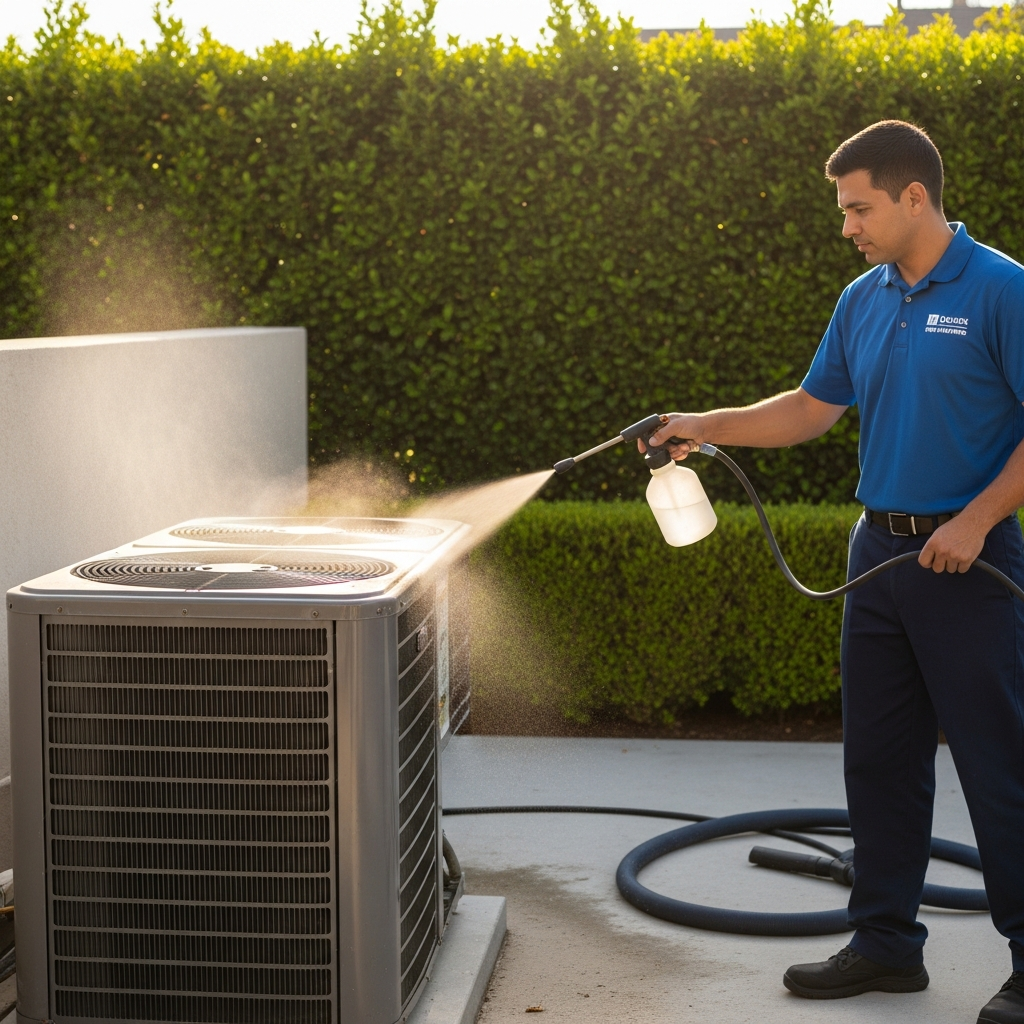
Coils are the lungs of your system. Inside, they absorb heat from your home; outside, they release it. Dust, pollen, and urban particulates cling to fins and build a layer of insulation that forces your equipment to strain. In Beverly Hills, spring blooms, canyon dust, and occasional smoke make coil hygiene especially important. Maintenance includes careful cleaning that preserves delicate fins and restores bright metal. The result is faster cool-downs, shorter cycles, and a compressor that runs cooler—meaning fewer breakdowns when heat waves arrive.
Condensate Drain Clogs and Hidden Water Risks
The quiet threat in many homes is water. Air handlers in attics or closets pull moisture from the air and send it down a drain. Over time, algae and debris can narrow that line until it clogs. The first sign might be a musty smell or, worse, a stain on a ceiling. Maintenance mitigates this with pan treatments, line flushing, and float switch testing. Technicians also check for insulation gaps that cause condensation on cold surfaces. Addressing this early prevents cosmetic and structural headaches in spaces crafted with care.
Refrigerant Charge Drift
Small refrigerant deviations can make a system feel off without failing outright. Maybe the system runs a little longer, or rooms take just a bit more time to reset after doors open. In inverter systems, charge precision is even more important. Maintenance verifies pressures and superheat/subcool readings, ensuring the refrigerant circuit operates within design. If there is a leak, early detection allows for surgical repairs before the issue becomes a comfort crisis or an environmental concern.
Thermostat and Sensor Miscalibration
When a thermostat reads a degree or two off, you feel it as inconsistency rather than outright discomfort. In homes with zoning, one misaligned sensor can throw off balance across multiple rooms. Maintenance includes calibration checks and strategic relocation when sensors are exposed to sun, drafts, or other distortions. With accurate inputs, the system finally makes decisions that match real conditions.
Electrical Wear You Can’t See
Capacitors age, contactors pit, and motor windings begin to complain long before a failure. These changes do not announce themselves, but they are there in the hum of a motor or a slow fan ramp. Skilled maintenance reads those signs—testing capacitance, inspecting contacts, and checking for voltage drops. Addressing small wear items ahead of time turns potential emergency calls into quiet, planned corrections during a normal visit.
Duct Leaks and Attic Heat
Even well-built homes can suffer from duct leakage over time as mastic dries and vibrations loosen seams. In Beverly Hills’ warm attics, any leak is especially punishing: cool air spills into a hot space, and your system runs longer to compensate. Maintenance inspects trunks and plenums for telltale dust streaks, verifies insulation integrity, and seals gaps. The change is often immediately noticeable—stronger, cooler air at registers and a system that no longer seems to labor in the afternoon.
Outdoor Unit Placement and Landscaping Conflicts
We love lush gardens, and we love to hide equipment. The two desires can argue with each other. Hedges, planters, and screening walls can trap hot discharge air or choke intake. Over time, that shows up as noisy fans, longer cycles, and premature wear. Maintenance brings a gardener’s eye to the mechanicals—measuring clearances, suggesting trims, and ensuring that screens do not cause turbulence. The best installations achieve the Beverly Hills ideal: equipment you never notice because it blends in and breathes freely.
Short Cycling and System “Hunting”
Frequent starts and stops are hard on compressors and jarring for comfort. Causes range from oversized equipment to mis-set control strategies or sensor errors. In variable-speed systems, poor tuning can make a unit hunt, constantly adjusting instead of settling into a calm, low-speed cruise. Maintenance examines staging logic, verifies fan speeds, and aligns thermostat algorithms with the home’s actual needs. When corrected, you feel an immediate shift to steady, quiet operation.
Construction Dust and Post-Renovation Residue
Beverly Hills homes are often in some phase of refinement—new stonework, refreshed millwork, or an expanded kitchen. Construction dust is the enemy of coils and filters. A post-renovation maintenance visit is essential to remove fines that slip past protection and clog delicate fins. That single visit can save months of reduced performance, restore healthy airflow, and prevent the musty smells that come from dust meeting condensate.
Integration Hiccups With Smart Homes
Smart thermostats and control systems promise harmony but require a firm foundation. If ducts leak or coils are dirty, no software can create comfort. Maintenance aligns the physical system with digital control—confirming sensor placement, adjusting setpoints to avoid conflicts with shading schedules, and verifying that low-speed operation is truly quiet. When the basics are sound, smart controls feel genuinely smart.
Odors, Biofilm, and Coil Hygiene
Musty or sweet odors are usually signs of microbial growth where condensate lingers. Coils and pans can develop biofilm that resists simple rinses. Maintenance with appropriate, coil-safe cleaners and pan treatments resets the system without harsh smells. When humidity is stable and drains run freely, those odors fade—and so does the sense that the air is anything less than fresh.
What You Can Do Between Visits
Your role is not heavy labor; it is awareness. Keep filters fresh according to your technician’s guidance, glance at the outdoor unit after windy days to ensure it is clear, and note any changes in comfort or sound. Share those observations at service time—they are invaluable clues that help turn a good visit into a great one.
Mid-Season Refreshers That Make a Difference
After spring growth and early dry winds, a brief check-in can catch the small issues that creep up: coils that need a light rinse, drains that need a flush, or filters loading earlier than expected. These visits are swift but powerful in keeping systems feeling effortless through the warmest weeks. If you prefer a simple way to schedule, many locals rely on this option: keyword.
Frequently Asked Questions
Why is one room always warmer than the rest?
Common causes include restricted airflow to that room, incorrect damper balance, duct leaks, or sensor placement that misrepresents the room’s true temperature. A maintenance visit focused on airflow and calibration often resolves the imbalance without major changes.
What is the first sign of a condensate issue?
A faint musty odor near supply vents or water near the air handler can be early indicators. Maintenance will clear lines, test float switches, and treat pans to prevent recurrence, protecting ceilings and finishes.
How do I know if refrigerant is low?
Symptoms include longer runtimes, uneven cooling, or coils icing in severe cases. Only proper gauges and temperature measurements confirm it. Maintenance identifies the issue and addresses any underlying leaks.
Can better filters make my system too loud?
If filters are mismatched to return size or equipment, yes. The solution is not always a lower MERV; it is the right filter with adequate surface area and sealed returns. Maintenance determines the best approach so performance improves without added noise.
Is short cycling always a sign of oversized equipment?
Not always. Control settings, sensor location, and duct issues can also cause frequent cycling. A careful maintenance review distinguishes between tuning problems and sizing problems, then fixes what can be corrected.
What should I do after a renovation?
Schedule a post-construction maintenance visit. Even with protective measures, dust finds its way onto coils and into drains. A reset now prevents months of diminished performance and potential odors.
How often should I plan routine service?
Generally once a year before warm weather, with a mid-season touch if your property sees heavy landscaping, canyon winds, or especially dusty conditions. Large homes with multiple systems benefit from a slightly tighter cadence.
Ready to Fix the Small Things Before They Become Big?
If you want your home to feel consistently cool, quiet, and composed, start with a maintenance plan that targets these common issues before they interrupt your day. Book a thorough tune, then schedule a mid-season check so nothing sneaks up on you. To make it easy, connect with a trusted local team here: keyword. The calm you enjoy at home is worth that simple step.