
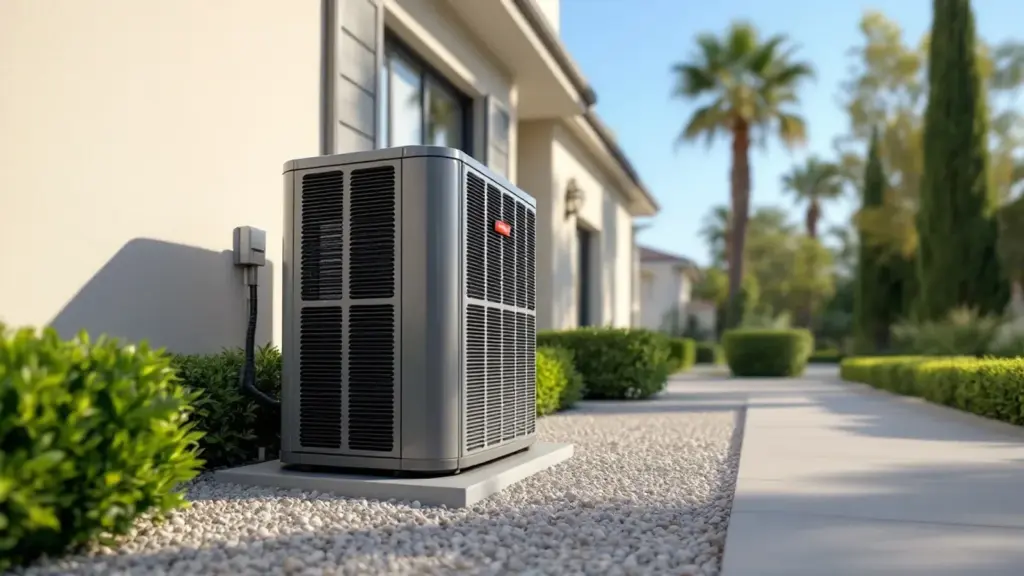
Factors Driving HVAC Installation Costs in Beverly Hills
Most people think that the price of a new cooling system is determined solely by the brand name on the outdoor metal cabinet, but the reality of Beverly Hills climate control is far more complex. In our local neighborhoods, the physical structure of your property, historical preservation guidelines, and existing ventilation infrastructure play much larger roles in your final investment than the equipment itself. Homeowners looking to address skyrocketing summer utility bills quickly realize that choosing the right technology requires balancing upfront mechanical realities against long-term operational costs.
When planning a system upgrade, understanding these underlying structural and mechanical variables is essential. Navigating these choices is easier with our comprehensive Beverly Hills AC replacement guide to help you connect equipment selection with long-term energy savings. By analyzing how different home designs interact with modern cooling technology, you can make an informed decision that curbs high utility expenses without compromising the architectural integrity of your home.
The Architecture of Beverly Hills and Modern HVAC Demands
Beverly Hills features a diverse mix of architectural styles, from sprawling mid-century modern estates in the Trousdale Estates to historic Spanish Colonial and Mediterranean Revival homes closer to the flats. Each of these architectural styles presents unique challenges for modern climate control systems, directly influencing your installation process and overall costs.
Many classic properties in the area were constructed when energy was cheap and building insulation standards were minimal. Thick plaster walls, single-pane custom windows, and sprawling multi-level floor plans create significant thermal challenges. Introducing high-efficiency climate control to these properties involves more than simply swapping out an old condenser. It requires a precise calculation of heat gain, structural load-bearing capacity, and aesthetic preservation.
Additionally, local zoning ordinances and strict building codes in the city dictate where outdoor equipment can be placed. Noise ordinances require whisper-quiet operation, often necessitating specialized acoustic barriers or specific equipment locations that require longer copper refrigerant line sets and electrical runs. These local architectural and regulatory factors make a standardized, one-size-fits-all installation impossible.
Option 1: High-Efficiency Central Air Conditioning Systems
Traditional central air conditioning remains a common choice for properties that already possess a robust network of ducts. Modern central systems utilize advanced variable-speed compressors that adjust their cooling output dynamically, rather than cycling abruptly between fully on and fully off.
When retrofitting a high-efficiency central system into an older home, the existing ductwork is often the primary bottleneck. Older ducts are frequently undersized for modern high-airflow requirements or have degraded over decades of use. If your home has uneven temperatures or drafty rooms, you may need to address these issues during installation. For instance, you might consider sealing your air ducts to prevent cooled air from escaping into unconditioned attic or crawl spaces before it ever reaches your living areas.
The primary benefit of a central system upgrade is the preservation of your home’s interior aesthetics. Because the air distribution occurs behind walls and ceiling grates, there are no visible indoor wall units to disrupt custom plasterwork or antique wallpapers. However, if your ductwork is severely degraded or entirely absent, the cost of installing new sheet metal or flexible ducts throughout a multi-story home can quickly surpass the cost of the cooling equipment itself.
Option 2: Multi-Zone Ductless Mini-Split Systems
For homes with architectural layouts that cannot accommodate traditional ductwork, such as flat-roof mid-century modern designs or historic estates with solid plaster walls, multi-zone ductless mini-split systems offer an excellent alternative. These systems utilize small indoor air handlers mounted directly on the wall, floor, or recessed into the ceiling, connected to a single outdoor condenser via small refrigerant lines.
If you want it handled correctly the first time, consider professional our services in Beverly Hills.
Ductless technology eliminates the energy losses associated with ductwork, which can account for a significant portion of a central system’s energy consumption. By providing independent temperature control for individual rooms, family members can cool only the spaces they are actively using, which helps reduce high monthly utility bills during peak summer heat waves. If you are noticing that your current system is running constantly just to keep a single room comfortable, it may be one of the key signs your AC needs replacement.
The main challenge of ductless installations in luxury homes is visual integration. While ceiling-recessed cassettes offer a low-profile look, they require sufficient joist space for installation. Wall-mounted units must be positioned carefully to remain unobtrusive. Additionally, because each zone requires its own indoor unit and dedicated refrigerant lines, installing a multi-zone ductless system in a large home requires careful planning and experienced craftsmanship to run lines cleanly through exterior walls or attic pathways.
Option 3: Hybrid Dual-Fuel Heating and Cooling Systems
A hybrid or dual-fuel system pairs an electric air source heat pump with a high-efficiency gas furnace. This system automatically switches between electricity and gas heating based on outdoor temperatures and utility rates, ensuring your home always utilizes the most cost-effective fuel source.
During the mild spring and autumn months typical of Southern California, the electric heat pump provides efficient, gentle heating and highly effective cooling. On the rare chilly winter nights when temperatures drop significantly, the system switches to the gas furnace to provide rapid, comfortable warmth. This dual approach optimizes energy consumption year-round, making it highly attractive for homeowners dealing with complex utility rate structures.
Installing a hybrid system involves integrating two distinct technologies into a single cohesive control network. This requires advanced smart thermostats and specialized wiring to manage the communication between the heat pump, furnace, and outdoor sensors. While the initial equipment cost is higher than a standard single-stage air conditioner, the long-term flexibility and energy efficiency make it a strong option for larger properties with high baseline energy demands.
Comparing Beverly Hills AC Installation Approaches
Choosing the right approach requires balancing structural constraints, aesthetic goals, and energy efficiency needs. The table below outlines how these three common options compare across key criteria.
| Evaluation Criteria | High-Efficiency Central AC | Multi-Zone Ductless Mini-Splits | Hybrid Dual-Fuel Systems | |
|---|---|---|---|---|
| Best Suited For | Homes with pre-existing, structurally sound duct networks. | Homes without space for ducts or requiring precise room-by-room control. | Larger estates looking to optimize energy costs across changing seasons. | Properties facing extreme summer energy bills due to inefficient cooling. |
| Aesthetic Impact | Very low; utilizes existing wall and ceiling registers. | Moderate; requires visible indoor units or ceiling-recessed cassettes. | Low to moderate; matches traditional central system duct footprints. | Low; integrates seamlessly with existing indoor architectural details. |
| Installation Complexity | Moderate; depends heavily on the condition of existing ductwork. | High; requires running multiple individual refrigerant and electrical lines. | High; involves configuring dual fuel sources and smart control systems. | High; requires precision calibration by an experienced HVAC installation professional. |
| Energy Efficiency potential | High (up to 20+ SEER2 depending on variable-speed selections). | Excellent; zero energy loss from ductwork and independent zoning. | Maximum overall efficiency by balancing gas and electric power. | High; significantly reduces seasonal energy waste in larger floor plans. |
| Space Requirements | Requires dedicated indoor closet/attic space and duct cavities. | No duct space needed; requires minimal outdoor footprint for condensers. | Requires space for both an indoor furnace and an outdoor heat pump. | Requires standard mechanical closet space and clear outdoor clearances. |
Which Option is Right for Beverly Hills Homes?
Many Beverly Hills homeowners rely on expert our services in Beverly Hills for exactly this.
The right cooling system depends on your home’s architectural constraints and your energy goals. For historic plaster homes where preserving original ceilings and wood detailing is paramount, a multi-zone ductless mini-split system often provides the best balance of efficiency and preservation, bypassing the need for invasive duct installation.
For modern homes with existing, well-insulated attic spaces, a high-efficiency central air conditioner utilizing variable-speed technology provides clean lines and quiet performance. Homeowners looking to lower their utility bills should also ensure their system is installed by an experienced Beverly Hills HVAC contractor who can perform precise load calculations and identify any hidden duct issues that might otherwise waste energy.
Ultimately, a successful installation requires a comprehensive assessment of your property’s envelope, including insulation levels, window placement, and sun exposure. Addressing these factors during the planning phase ensures your new system delivers quiet, efficient, and reliable comfort for years to come.
Frequently Asked Questions
How does existing ductwork affect the cost of a new AC installation?
Existing ductwork dictates whether you can drop in a new central system or if you must budget for extensive repairs. Undersized, leaky, or uninsulated ducts restrict airflow and force new equipment to work harder, which raises utility bills and can lead to premature equipment failure if left uncorrected.
Why are noise ordinances an issue for HVAC installation in Beverly Hills?
Local municipal codes restrict the decibel levels of outdoor mechanical equipment close to property lines to maintain neighborhood tranquility. Meeting these standards often requires installing ultra-quiet variable-speed outdoor units, placing equipment in specific locations, or building custom acoustic enclosures.
What is a variable-speed compressor, and is it worth it?
Unlike standard compressors that turn on and off at full power, variable-speed compressors run continuously at lower speeds to match your home’s exact cooling needs. This reduces energy spikes, maintains highly stable indoor temperatures, and improves humidity control during hot Southern California summers.
How do local permits and historical guidelines affect system replacement?
Properties designated as historic landmarks or located within specific preservation zones require careful planning to ensure exterior condensers and interior grilles do not alter the home’s historic character. Navigating these requirements requires working with an installer who understands local permitting and preservation guidelines.
Taking the Next Step Toward Efficient Cooling
Investing in a high-efficiency HVAC system is one of the most effective ways to lower your energy bills and improve indoor comfort. By choosing a system tailored to your property’s specific layout and architecture, you can enjoy quiet, reliable cooling that fits your home’s design.
To ensure your new system operates at peak efficiency, work with a professional who can assess your home’s unique requirements. Contact Smart HVAC System of Beverly Hills to schedule a comprehensive evaluation of your cooling needs and discover the ideal system for your home.