
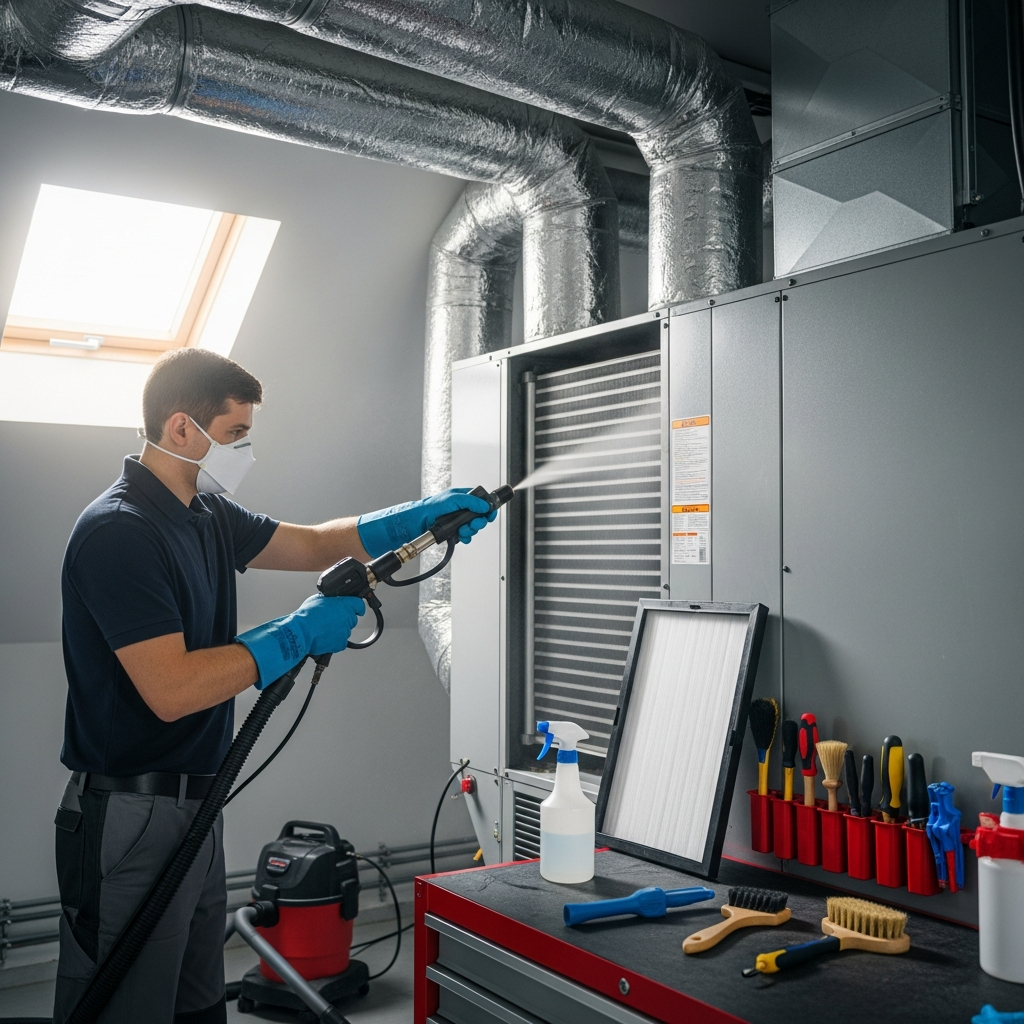
In Beverly Hills, a calm, cool home is more than a luxury—it is the quiet background that allows family life, creative work, and last-minute gatherings to unfold with ease. Preventive air conditioning service is how you protect that backdrop. Rather than waiting for a sweltering afternoon to reveal a struggling system, a thoughtful plan keeps components clean, tuned, and coordinated so that comfort feels effortless. The rhythms of our local climate—warm, dry spells punctuated by sudden heat and the occasional Santa Ana winds—reward preparation. With the right approach, your system runs quieter, your indoor air stays fresher, and your living spaces remain consistent from morning through late evening.
Strong maintenance begins with understanding how modern systems behave. Today’s air handlers and condensers are far more precise than older models, using variable-speed motors, smart expansion valves, and advanced control boards to match output with demand. These parts perform beautifully when kept in balance, but that balance depends on airflow, clean coils, accurate sensing, and unclogged condensate paths. Good service is not a checklist rushed at the end of spring; it is a careful sequence of inspections, measurements, and cleaning tasks carried out by a technician who treats your home’s unique layout with respect. Early in the season, a short visit can confirm that your thermostat communicates clearly with the equipment, that refrigerant charge is steady, and that filters and coils will not choke performance on the first true hot day.
Local knowledge makes a significant difference. Many Beverly Hills homes blend architectural charm with modern infrastructure: flat-roofed additions that hold package units, basements with tight mechanical rooms, and custom ductwork tucked behind fine finishes. A seasoned technician moves comfortably through these spaces, protecting furnishings, opening service panels without drama, and keeping conversations clear and calm. They also understand how shading from mature landscaping, pool equipment heat, and hillside exposures influence runtime and cycling patterns. Those real-world details shape service decisions, turning a generic tune-up into a targeted improvement.
One of the most overlooked aspects of preventive care is airflow. Airflow is the bloodstream of cooling. A filter that appears clean may still be restricting return air because of sizing or frame warping. A supply register changed for aesthetic reasons might reduce distribution to a key room. Even duct interiors can accumulate fine dust that narrows pathways, especially in older homes that have hosted renovations. During service, technicians measure pressure, inspect grilles, and confirm that fans spin freely with healthy bearings. The payoff is not just cooler air; it is even temperatures, less noise, and fewer starts and stops that stress components.
Coils tell their own story. Outdoor coils fight off dust, pollen, and urban soot carried on breezes that sweep through the canyons. A thin film on those fins acts like a blanket, trapping heat that should be released into the outside air. Indoors, evaporator coils can collect lint from return paths, pet hair, and tiny particles that slip past filters. Preventive service restores both coils to efficient condition with gentle cleaning methods that protect delicate fins. The result is shorter cycles, more stable humidity, and a softer, steadier feel to the air.
Condensate management deserves special attention in Beverly Hills, where high-end interiors meet seasonal humidity shifts. A drain line that is only marginally sloped or partially obstructed may behave for months, then clog during a humid week, leading to water alarms or, worse, staining and drywall issues. During preventive service, technicians clear lines, test float switches, and verify secondary drain protection. These steps are quiet guardians of your ceilings and built-ins.
Electrical health underpins reliability. Contactors arc and pit over time; capacitors drift from their rated values; and connections loosen with thermal expansion and vibration. A quick glance rarely reveals these trends, but measured testing does. By catching marginal components early, preventive service rewrites the story of summer: instead of a tense afternoon spent searching for emergency help, you enjoy a day that unfolds exactly as planned.
Indoor air quality integrates naturally with preventive cooling care. Many households now use higher-efficiency filters, UV treatment for coils, and supplemental ventilation strategies to keep air fresh. The right service plan accounts for these upgrades, confirming that filter selections do not starve airflow, that UV lamps are replaced on schedule, and that ventilating fans coordinate with cooling cycles. Taken together, these details keep rooms smelling clean and feeling crisp without overworking equipment.
Communication is another pillar of proactive care. Your technician should leave you with clear notes: what was inspected, what readings looked ideal, and what small issues deserve a watchful eye. Those notes transform service from a vague promise into a transparent practice. When the team returns next season, they pick up the thread where they left off, building a record that helps guide future adjustments and upgrades.
In practice, preventive service follows the pace of your life. For some, a pre-summer visit fits best just before travel, so the home stays calm for returning family. Others prefer a spring and fall cadence, aligning cooling care with heating checks in homes where systems share ducts or controls. The right schedule is the one you can keep consistently—and the one that keeps your rooms quietly comfortable when friends stop by unannounced.
The heart of prevention is respect: respect for your time, for your home’s architecture, and for the physics that make cooling possible. It is about guarding against the predictable ways systems drift out of tune and responding to small changes before they become big ones. It is easy to overlook this work when all feels well; it is far more satisfying to trust that your home’s comfort is protected by intention rather than luck.
Should you consider upgrades alongside routine service? Sometimes a modest improvement—like a smart thermostat with gentle ramp-up settings, a secondary drain safety switch, or a refined return path—multiplies the value of a cleaning and inspection. In other cases, your best move is simply to recommit to filter changes and seasonal checkups. A good provider will explain options without pressure, aligning recommendations with your goals for noise, comfort, and long-term reliability.
As you map out your plan, lean on local expertise that understands the character of Beverly Hills homes and the demands of our climate. The right partner will treat preventive service as an ongoing conversation, not a transaction: a dialogue that keeps your system on song and your living spaces inviting. Early in the season, connect with a trusted resource in air conditioning who can tailor care to your rooms, your routines, and your expectations.
How preventive service saves time and worry
The biggest benefit of a proactive approach is the one you feel least: nothing dramatic happens. Days pass, guests arrive, projects move forward, and the background of your home remains steady. That quiet success is built from small wins—clean coils, proper charge, freely turning fans, and drains that do exactly what they should. Less cycling means less wear. Less wear means fewer interruptions. And fewer interruptions return hours to your life that would otherwise be spent navigating a last-minute problem.
There is also the matter of sound. Well-serviced systems run with a muffled confidence—no rattles, no sudden starts that echo through ductwork, no whistling around grilles. That acoustic calm matters in homes where conversation, music, and rest take priority. It is a subtle luxury that regular care preserves.
Finally, preventive service sharpens your sense of your own home. By walking through findings with your technician, you learn where filters live, how to spot early warnings, and which rooms reveal airflow truths. That knowledge empowers you to make quick adjustments between visits and to call for help with clarity when something unusual appears.
FAQ: How often should preventive service be scheduled?
Most homes benefit from service once before the cooling season begins, with a second check in the fall if systems share ductwork with heating or if the household is especially sensitive to air quality. The key is consistency—choose a cadence that aligns with your lifestyle and stick to it.
FAQ: What can I do between professional visits?
Replace or clean filters on the recommended schedule, keep outdoor units clear of vegetation and debris, and keep an eye on condensate drains or pan alarms. Noting unusual sounds or cycles can also help your technician address small issues early.
FAQ: Will preventive service disrupt my home?
Thoughtful providers work neatly and quietly, using protective coverings and communicating timing in advance. Most visits are brief, and a good team will coordinate around your schedule to minimize interruptions.
FAQ: Can maintenance improve air quality?
Yes. Clean coils, properly selected filters, and balanced airflow enhance indoor air quality. Technicians can also integrate UV treatment or ventilation strategies suited to your home and sensitivities.
FAQ: How do I know if my provider is thorough?
Look for clear documentation, measured readings, explanations in plain language, and attention to your home’s specific architecture and needs. Consistency over multiple seasons is a strong sign you are in good hands.
When you are ready to put your comfort on a steady, reliable path, partner with local specialists who treat your home with the same care you do. For tailored guidance and attentive service that keeps you cool without drama, connect with Beverly Hills professionals focused on premium air conditioning performance all season long.