
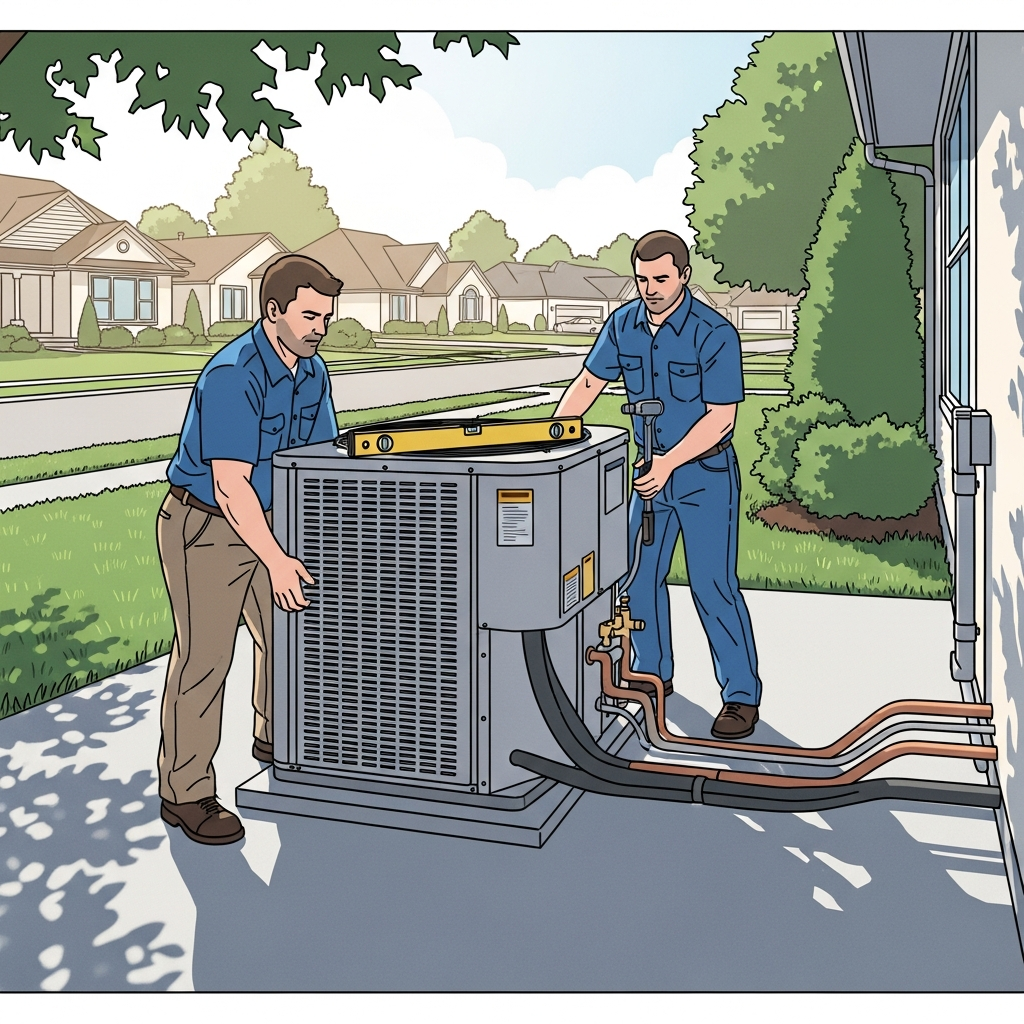
Ask ten homeowners in Beverly Hills what they want from a new cooling system and you will likely hear the same themes: quiet performance, steady comfort, clean indoor air, and equipment that blends respectfully into refined architecture. Although the headline topic often refers to averages, the more meaningful conversation is about alignment—matching a home’s unique needs with an installation that feels tailored rather than generic. In our hillside neighborhoods and tree-lined flats, residences present every imaginable combination of floor plans, materials, and sun exposure. The path to a successful installation begins with understanding how those details shape the work ahead and how a thoughtful plan leads to everyday satisfaction once the system is in place.
Before a single bracket is mounted, a good contractor studies the home’s heat load. That means measuring more than square footage. Window orientation, shading from mature trees, roofing materials, insulation levels, and occupancy patterns all influence how much cooling a space truly requires. Skilled professionals rely on established calculation methods to translate those variables into capacity decisions. This careful approach prevents oversized systems that short-cycle and leave rooms clammy, as well as undersized systems that run endlessly and never quite catch up.
Ductwork is the quiet partner of any installation. Many Beverly Hills homes have handsome architecture that conceals pathways for air. Older houses with additions may hide constricted returns behind plaster or route supplies through tight chases. During planning, a contractor will evaluate whether existing ducts can support modern equipment or if strategic improvements—like resizing returns, smoothing restrictive transitions, or sealing leaky joints—will enhance performance. It is tempting to focus solely on the condenser and air handler, but the most elegant results come when the entire air pathway is tuned.
Location choices matter as well. Outdoor units need airflow, shade from relentless afternoon sun, and protection from leaf litter and dust swept by canyon breezes. They also deserve placement that respects sightlines and acoustics, especially around outdoor living areas. Indoors, air handlers should be accessible for future service and insulated against noise. Some homes favor attic installations; others place equipment in closets or dedicated mechanical rooms. Each choice carries implications for serviceability, sound, and longevity.
Controls tie everything together. Today’s thermostats do far more than turn equipment on and off; they manage variable-speed operation, stage cooling for smooth temperature transitions, and integrate with air quality accessories. When properly set up, those controls make rooms feel quietly consistent rather than boom-and-bust. A careful installer will walk you through features without overwhelming you, leaving intuitive settings that fit your lifestyle from day one.
Permitting and codes are part of the Beverly Hills story. California’s energy standards guide efficiency and duct sealing requirements, while local inspectors ensure that work is safe and aligns with best practices. Coordinating permits may add a few steps to the process, but the payoff is confidence that the installation meets a high bar. Reputable contractors handle these details smoothly, keeping the project organized and predictable.
Noise is another element worth planning. Modern condensers and air handlers can be impressively quiet when mounted on stable pads, isolated from structure-borne vibration, and paired with well-supported ducts. Conversations on a patio or rest in a bedroom should not compete with mechanical sounds. By addressing vibration and resonance during installation—using isolation feet, flexible connectors, and thoughtful routing—you safeguard acoustic comfort that lasts.
In homes with distinct architectural styles, aesthetics guide decisions. Grilles and registers should complement interior finishes; linesets can be concealed or painted to blend with exteriors; and equipment screening can harmonize with landscaping. The goal is a cooling system that disappears into the background, felt but rarely seen.
Air quality deserves a seat at the planning table. If household members have sensitivities or if you simply want fresher air, ask about filtration levels, coil protection, and balanced ventilation. An installation that coordinates high-MERV filters with adequate return sizing and variable-speed fans can deliver cleaner air without sacrificing airflow. Thoughtful condensate management—drain lines with proper slope, secondary protection, and accessible cleanouts—protects finishes and prevents nuisance alarms.
Timelines vary depending on scope. A straightforward replacement in a well-prepared space can move briskly; a more intricate project with duct revisions, control upgrades, and architectural considerations naturally takes longer. Clear communication sets expectations: you should know when crews will arrive, what areas they will access, and how the team will protect floors and furnishings each day. The best experiences feel choreographed—no surprises, no confusion, just steady progress toward a comfortable home.
Once the system is in, commissioning begins. Commissioning is the deliberate process of verifying that the equipment operates as designed. Technicians measure temperature splits, verify static pressure, confirm refrigerant charge, calibrate thermostats, and test safety devices. They listen for harmonics, check for vibration, and ensure that airflow reaches each room as intended. Skipping these steps invites middling results; embracing them elevates the installation from acceptable to exceptional.
Looking further ahead, a brief orientation helps you live well with your new system. You will learn how often to replace filters, what a normal cycle sounds like, and which alerts deserve a phone call. If your home includes smart zoning, you will understand how each area interacts with the others. A few minutes of coaching pays dividends for years.
Who you choose to perform the work matters as much as the equipment itself. Beverly Hills homeowners benefit from teams that are licensed, insured, and experienced with the neighborhood’s variety of homes. These professionals move with quiet confidence, maintain tidy workspaces, and communicate with respect. They will also stand behind their work with clear documentation and timely follow-up, which makes all the difference if questions arise later.
When comparing proposals, focus on clarity. A thorough plan explains load calculations, duct considerations, placement decisions, control strategies, and commissioning steps. It reads like a roadmap rather than a list of parts. That transparency makes it easier to trust that the installation will deliver gentle, even comfort on the hottest days and cool, restful nights when the city quiets and the hills exhale.
As you weigh your options, remember that good design and careful craftsmanship are what you will feel every hour your home is occupied. Quiet operation, consistent temperatures, and reliable performance do not happen by accident; they come from aligning details with intent. In that spirit, speak with local experts in air conditioning who can translate your goals into a plan tailored to your rooms, routines, and tastes.
Why installations vary from home to home
Consider the difference between a shaded 1930s residence with plaster walls and a glass-forward contemporary on a ridge. The former benefits from moderate gains during the day and significant nighttime cooling; the latter absorbs and radiates heat well into evening. Ducting strategies, equipment sizing, and control logic shift accordingly. Even within similar homes, lifestyle matters: a residence that hosts frequent gatherings has different cooling patterns than a quiet retreat. The art of installation is to shape the system to the life it serves.
There is also the matter of access. Rooftop equipment requires safe pathways and staging; closet air handlers demand precise carpentry and acoustic treatments; and crawlspace work needs moisture awareness and careful sealing. Each scenario calls for a slightly different choreography and skill set, all in service of long-term serenity inside.
FAQ: What should I ask during a consultation?
Request a clear explanation of load calculations, duct evaluations, placement options, control strategies, and commissioning steps. Ask how the team will protect finishes, coordinate permits, and communicate progress.
FAQ: How long does installation typically take?
Project length depends on scope and access. Simple replacements move quickly; more comprehensive projects that include duct or control improvements naturally take longer. A good provider will outline timing in advance and keep you updated.
FAQ: Will new equipment be quieter?
Modern systems often run more quietly, especially when paired with variable-speed fans, stable mounting, and properly supported ducts. Your installer can prioritize acoustic comfort during design and setup.
FAQ: What makes commissioning so important?
Commissioning verifies that the system performs to design. It catches airflow imbalances, control misconfigurations, and charge discrepancies before they affect daily comfort, laying the foundation for reliable operation.
FAQ: How do I keep performance strong after installation?
Adopt a simple maintenance rhythm: timely filter changes, seasonal checkups, and quick attention to any unusual sounds or cycles. Your installer can tailor guidance to your home and equipment.
When you are ready to bring new comfort to your home with craftsmanship that respects Beverly Hills architecture and lifestyle, connect with local professionals devoted to refined air conditioning solutions and attentive follow-through.