
When the first warm surge of the season settles over Beverly Hills and the house feels just a bit too still, a quiet, dependable system becomes more than a convenience—it becomes the backbone of a good day. Most of the time, we do not notice our cooling until it falters. Then, the small rituals of daily life suddenly feel fragile: coffee over a kitchen island that is growing warm to the touch, a home office where the afternoon sun edges across the blinds, a bedroom that will not shed the heat it gathered during the day. Same-day repair responds to that moment, restoring calm so the rest of your plans can carry on. And in a city that moves quickly and prizes discretion, swift, tidy service is as valued as the fix itself. If you are seeking steady, reliable air conditioning again by nightfall, timing and know-how matter.
We feel the urgency because we live with the same rhythms. Our warm spells arrive early some years, and they do not always send a clear invitation. One day you are throwing open the doors to the terrace; the next, you are closing everything up by noon and hoping the system wakes gracefully from a quiet winter. When it does not, you want a technician who can navigate attics with delicate plaster, roof condensers with long line sets, and electrical panels that have seen several renovations—without disrupting the look and feel of your home.
What Same-Day Repair Really Means
Same-day repair is not just a promise of arrival; it is an approach that prioritizes quick diagnosis, clear communication, and on-the-spot solutions when prudent. It starts with listening. A detailed description of the symptoms—when the trouble began, what you hear, which rooms feel off—often points a pro in the right direction before tools are unpacked. Once on site, the goal is to triage efficiently: verify power, confirm thermostat operation, check airflow and filters, examine condensate safety devices, and assess the outdoor unit’s condition.
In Beverly Hills, systems often live in places where access is beautiful but tight. Techs plan routes that respect finishes and bring protective materials to guard stairs, hallways, and built-ins. They also carry common parts for the equipment most prevalent in the neighborhood. That preparation spares you waiting while a component is sourced across town.
Common Failures and Their Telltale Signs
When warm air blows, the issues frequently trace back to a failed capacitor, an outdoor fan that has given up, a low-voltage control problem, or a safety switch that tripped because a condensate drain clogged. Noises can be instructive: a metallic rattle suggests a loose panel or line-set clip, while a high-pitched whine can indicate a motor that is struggling. Sudden silence may not be mechanical at all but a tripped breaker or a thermostat that lost its schedule after a brief outage.
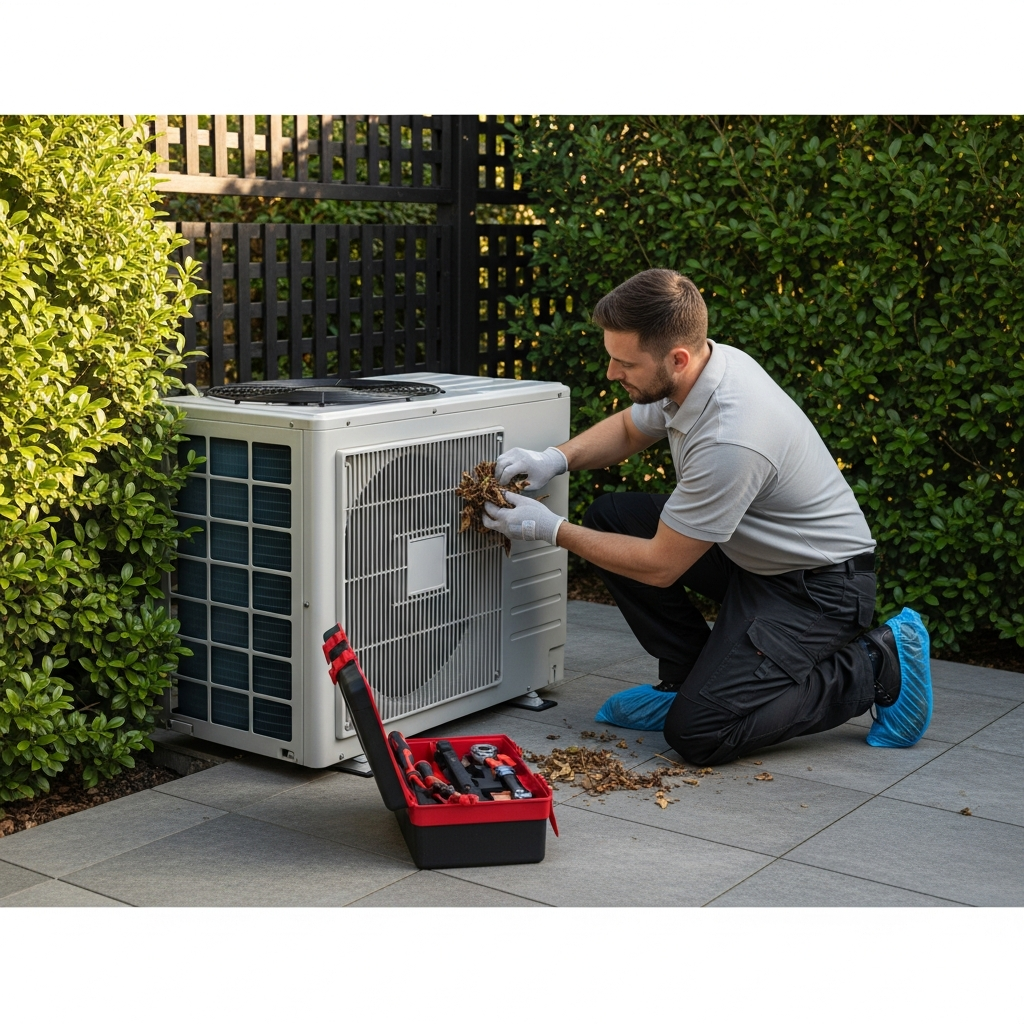
Odors matter, too. A musty scent can flag a wet drain pan or a filter overdue for a change. A sharp, electrical smell during a start attempt should prompt an immediate power-off and a call for help. Beyond the immediate symptoms, consider the season. After a dusty, dry spell, coils collect debris that insulates them from heat transfer. A quick clean can restore performance more dramatically than you might expect.
What You Can Safely Check Before a Technician Arrives
There are a few things you can do without tools and without risk. Make sure the thermostat is set to cool and that the set point is below the actual room temperature. Verify that the system has not been turned off at the switch near the air handler or at the breaker. Take a look at the filter; if it is heavily loaded, replacing it can bring immediate relief. Check that supply registers and returns are not blocked by rugs or furniture. If you suspect the drain may be clogged—perhaps a ceiling access panel is damp—avoid running the system until a pro can inspect; that precaution may save your ceiling or walls from water damage.
It is also wise to step outside and make sure the area around the condenser is clear. Landscaping in our neighborhood is lush by design, and hedges can creep closer than intended. Good clearance helps the unit breathe, and proper breathing helps you cool quickly once the system is restored.
How Pros Triage Under Pressure
When time is tight and the day is warming, experienced technicians prioritize the most likely failure points but still verify the basics. Power, control voltage, and safety circuits come first. Then airflow and refrigerant circuit checks follow, using temperature splits and pressure readings that align with the specific equipment. Even in a same-day window, data matters; a clear set of readings confirms a fix and prevents call-backs.
On homes with rooftop equipment, pros arrive prepared for safe access and quick coil cleaning. On properties with indoor units tucked into tight closets, they bring low-profile tools to reach panels without scuffing finishes. Where condensate lines run long, they clear them thoroughly and confirm safety switches are wired as intended. This attention to context—how your particular home is arranged—shapes outcomes as much as any replacement part.
Preventing Tomorrow’s Breakdown While Fixing Today’s
Same-day service does not need to be a bandage. A good visit repairs the fault and also resets the system for the season. That means cleaning accessible coils, verifying electrical connections, confirming fan speeds and blower balance, and ensuring the thermostat is programmed for the way you live. If you travel frequently, a simple change to schedules may keep the home in a protective, efficient state while you are away, waking gently before you return.
Documentation helps you plan ahead. Notes about the system’s age, the condition of contactors, and the state of ductwork allow you to prioritize improvements before summer peaks. Small upgrades, like a better media filter cabinet or a float switch added to a vulnerable drain pan, can be installed during a calm week rather than in the middle of a warm spell.
Why Beverly Hills Homes Pose Unique Repair Scenarios
Our residences often carry layers of renovations. A media room carved from a carriage house, a primary suite added above a garage, a glassy pavilion attached to a Spanish courtyard—each change ripples through airflow, duct balance, and control wiring. Troubleshooting in such homes requires patience and a willingness to map what lies behind the walls.
Noise considerations blend into repair decisions. An older condenser might still cool, but if it sits steps from a terrace where you host, its tone may be out of place. In those cases, repair may blend with a plan to relocate or upgrade equipment in a way that harmonizes with the home’s rhythm. The aim is not just cold air today, but a quiet, reliable system that supports your lifestyle.
Communication That Calms the Day
We find that clear, plain updates make warm days feel manageable. A tech who explains what they see and why it matters helps you decide with confidence. Photos, short videos, and simple diagrams let you share decisions with family even if they are not on site. Arrival windows that tighten as the day unfolds, and real-time texts when the tech is on the way, make it easier to plan around meetings or school pickups.
When a repair extends into the later hours, courtesy remains constant. Protective covers go back over access points. Ladders come down without scuffs. The home is left as dignified and settled as it was found, just cooler and quieter again.
Seasonal Patterns and What They Teach Us
We notice patterns year to year. The first spring heat brings calls about weak cooling that often trace to dirty coils and tired capacitors. By mid-summer, drain clogs and blower issues rise because systems have been running longer cycles. After fall winds, filters load quickly with dust and leaf fragments, starving airflow. Tuning your maintenance rhythm to these waves keeps you ahead of trouble. When we prepare systems just before the first warm stretch, same-day emergencies later become less likely.
In a neighborhood that values design, we also see the care people take with grilles, registers, and thermostat placement. Sometimes a beautiful vent becomes a bottleneck because it is too small for the airflow it should carry. A repair visit can surface those subtle issues and lead to small tweaks that make a large difference in comfort.
Midday Relief and Evening Peace
There is something deeply satisfying about hearing the first gentle hum after a quiet repair, feeling the air turn crisp without roar or rattle, and watching the home settle back into its preferred state. Same-day attention means dinners go on as planned, guests step into a room that feels deliberate, and bedrooms shed the day’s heat before lights out. For many homeowners, that dependable, quiet coolness rewrites how they think about summer entirely.
And the technology supporting that experience has matured. From smarter condensate safety devices that shut systems down before a leak to variable-speed motors that adapt to the house in real time, modern equipment is designed to be rescued and restored, not just replaced. That is heartening when your goal is continuity and calm.
Preparing for a Visit
If you are calling for help, a few minutes of preparation ensure a smooth, swift experience. Snap a photo of the thermostat error, if any. Note when symptoms began and whether they are constant or intermittent. Clear a path to the air handler or attic access, and let the household know a technician will be moving gear through a particular hallway. If your equipment is behind a gate or requires elevator access, sharing those details up front eases arrival.
If pets are part of the family, consider where they will be comfortable during the visit. We love them, too, and a calm space for them makes everyone’s day easier. Lastly, if you have had previous work done, those records help a technician understand what is new and what is longstanding.
Long-Term Reliability Grows From Today’s Repair
Many homeowners use a same-day visit to set a longer horizon. Once the immediate issue is resolved, talk through the condition of key components, filtration, and ductwork. If your system is approaching the back half of its life, mapping likely future needs lets you plan upgrades or replacements on your schedule rather than during a heat wave. Small steps, taken early, keep control in your hands.
Over time, the home becomes a place that simply holds its temperature, quietly and predictably. Summer after summer, you find yourself noticing the system less and the day more. That is the real victory of good repair work—it fades from memory because comfort becomes the default again.
What should I check before I call for same-day repair?
Verify the thermostat is set to cool, confirm the set point is below room temperature, check that breakers and service switches are on, and make sure the air filter is clean. Look for any water around ceiling access panels that might indicate a drain issue. If you see or smell anything concerning—sparks, burning odors—turn the system off and call immediately.
Why did my system fail right after the first warm day?
Systems often spend months running lightly. The first real heat exposes weak capacitors, dirty coils, and marginal airflow. Those issues may not be apparent during mild days but show up when the system works harder. A pre-season tune and cleaning reduce the chance of that early stumble.
Is it safe to run my system if I suspect the drain is clogged?
It is best to avoid running the system until a pro can inspect. A clogged drain can overflow a pan and stain drywall or damage finishes. Many systems have safety switches that shut them off to prevent damage, but not all do, and some switches can fail. Caution protects the home.
How quickly can parts be replaced in Beverly Hills?
Common components are often stocked on service vehicles or available same day through local supply houses. For specialty parts or unique models, lead time can vary, but clear communication and temporary measures—when appropriate—keep the home comfortable while parts are sourced.
What makes repair work different in older homes?
Older homes often have layered renovations, hidden duct paths, and delicate finishes. Repairing them well means moving carefully, planning access routes, and sometimes tracing circuits that were modified decades ago. The work is as much about respecting the building as it is about restoring cooling.
Will repairing my system make it louder?
A proper repair typically reduces noise by restoring balanced operation. Replacing failing bearings, tightening panels, and correcting airflow smooths performance. If noise remains a concern, a technician can recommend additional steps such as isolators or grille changes to soften sound further.
Do I need to be home during the repair?
Being present helps if decisions arise, but many homeowners prefer remote updates. Photos, quick calls, and video walkthroughs allow approvals without disrupting your day. Clear instructions about access and alarm systems ensure security while work proceeds.
How can I avoid the next emergency?
Seasonal maintenance, timely filter changes, and addressing small findings early keep systems steady. If your equipment is older, consider a plan for phased upgrades before peak heat. Those preparations make same-day emergencies the exception rather than the rule.
If your home feels warmer than it should and you want it settled again before evening, reach out to a local team that treats every service call with the discretion and urgency Beverly Hills expects. Schedule prompt, careful support from professionals who understand air conditioning in our neighborhood—arrivals you can trust, communication that calms, and repairs that make comfort feel effortless again.