
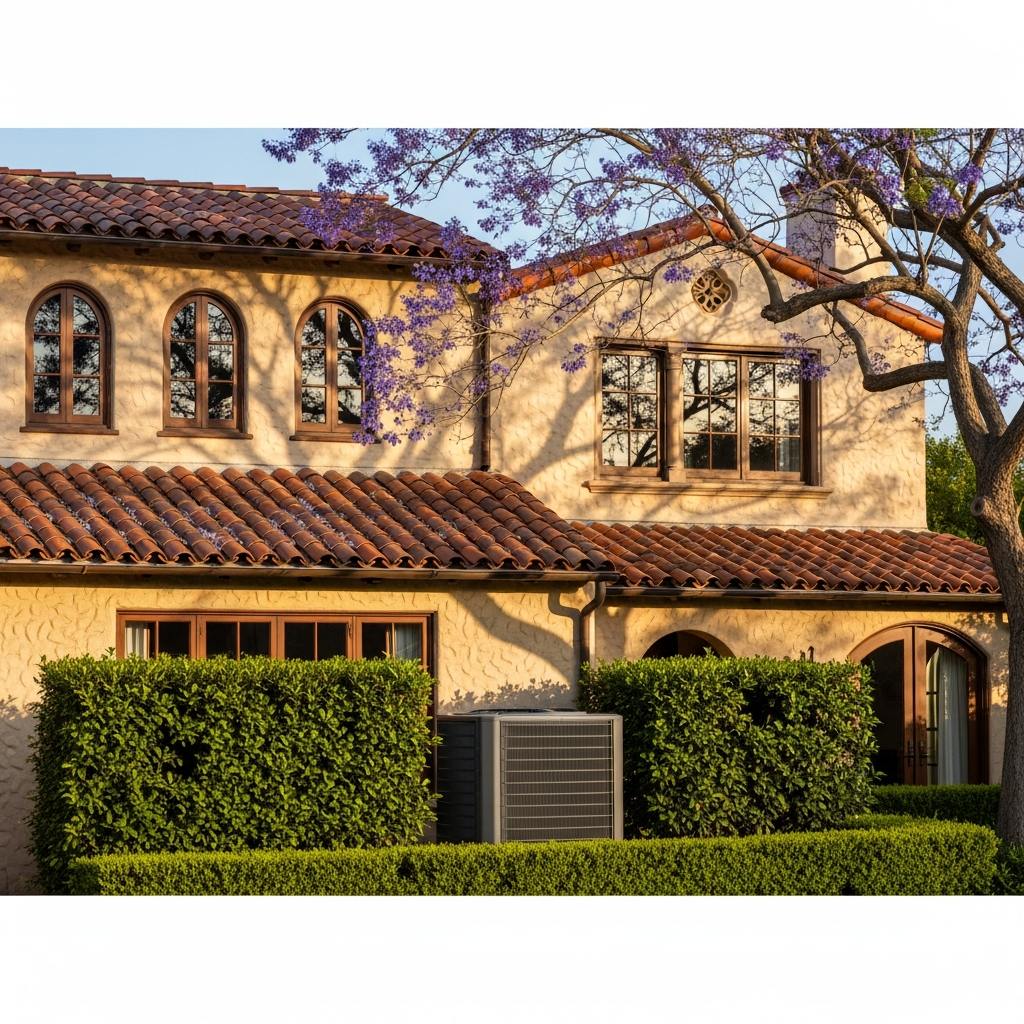
Step onto a shaded Beverly Hills sidewalk in late afternoon and you will feel why homeowners here value thoughtfully chosen home cooling. Our days can linger in the warm range well past sunset, and while the ocean breeze sometimes offers relief, it is not reliable enough to carry a household through summer or a surprise heat wave. The right home unit for air conditioning quietly preserves comfort, protects finishes and furnishings, and supports a healthier indoor environment without disrupting the beauty and rhythm of life in the neighborhood.
What surprises many new homeowners is how much microclimate matters from one block to the next. A canyon-edge property might bask in direct sun all afternoon, while a home tucked beneath mature ficus or jacaranda can stay several degrees cooler and more humid. That variability changes how equipment is sized, where it is placed, and what accessories make sense. In Beverly Hills, we also pay attention to quiet operation and aesthetics. Units that look good, sound refined, and fit the scale of the home are more than luxuries; they are requirements to live gracefully among close neighbors and tree-lined streets.
Understanding What Makes Beverly Hills Different
The architecture here ranges from historic Spanish revival bungalows to contemporary glass pavilions. Each brings different cooling challenges. Plaster walls and small, arched windows tend to resist heat gain, but they also hide cavities that complicate new duct runs. Newer open plans with double-height glass stages demand equipment that can modulate, not just blast, to keep temperatures even without drafts.
Topography adds its own layer. Hillside properties often place condensers below or above living spaces, changing how linesets run and how condensate drains. Narrow side yards and protective hedges require careful routing to preserve both function and landscape. And it is not just where the equipment fits; it is how it sounds. We have city noise guidelines and HOA preferences to honor, so choosing quieter outdoor units and positioning them with mindful setbacks and sound abatement pays long-term dividends.
Right-Sizing Without Guesswork
There is a temptation to oversize for peace of mind, but bigger is not better when it comes to comfort. Right-sizing starts with a proper load calculation that reads the home like a living system—insulation levels, window orientation, shading from palms and eaves, air leakage, and occupant patterns. When a system is matched to the actual demand, it runs longer and gentler cycles, which removes humidity, keeps temperatures steady, and significantly reduces noise.
Proper sizing also protects finishes. Hardwood floors, antique doors, and fine plaster respond to humidity swings. A system that short-cycles may cool air temperature but leave moisture behind. Variable-capacity units shine here because they throttle down to maintain a delicate equilibrium instead of constantly starting and stopping.
Central, Ductless, or a Hybrid Approach
Central systems remain the standard for many Beverly Hills homes with existing ductwork in fair condition. They offer discreet supply grilles, whole-home filtration options, and the ability to zone spaces. Where ducts are inadequate or a remodel added rooms over the years, ductless mini-splits solve targeted comfort challenges without major demolition. Their indoor cassettes can be selected for style and placement, and when combined with a central system in other areas, a hybrid plan delivers precise comfort while controlling energy use.
In heritage residences with plaster detailing, carefully planned ductless heads in secondary spaces—guest rooms, offices, or pool houses—prevent invasive retrofits. In newer builds with hidden mechanical chases, a slim-ducted air handler tucked above a dressing hall can serve bedrooms with whisper-quiet delivery. The point is choice: the right combination respects architecture and daily life as much as it meets the heat load.
Efficiency and the Comfort You Can Feel
Modern efficiency is about more than a rating on a brochure. Yes, high-efficiency compressors and upgraded coils move more heat with less energy, but the practical benefit is how they feel. Variable-speed and two-stage equipment shift gears smoothly, softening temperature swings. That means you can step from kitchen to family room without a perceptible draft, and you can host dinners without the hum of a hard-starting system breaking the mood.
Filtration and ventilation work alongside efficiency. Cleaner coils and balanced airflow also help systems maintain their rated performance. In wildfire season, more robust filtration becomes a comfort feature—clearer air, fewer odors, and less film settling on glass and artwork. Efficiency is a journey as much as a purchase; the way we design, install, and maintain a system determines how it performs over time.
Where the Equipment Lives Matters
Placement is a big conversation here. Outdoor units tucked behind hedges like ficus or podocarpus need breathing room for proper airflow. Too tight a recess and the condenser recycles hot air, reducing performance and increasing sound. On tight lots, we angle discharge air away from neighbors and add subtle sound treatments. Rooftop placement can be excellent for airflow but demands attention to vibration isolation and seismic bracing. We also consider the line of sight from key rooms and terraces so equipment recedes into the background.
Indoors, air handlers positioned near bedrooms must be truly quiet. That means careful duct design, adequately sized returns, and thoughtful grille selection. A well-placed return with a deep plenum does more to hush a system than any after-the-fact fix. In older homes, we work around plaster details and crown moulding, splitting large returns into multiple smaller, beautifully integrated grilles that preserve proportion.
Smart Controls for Real Schedules
Modern controls are less about novelty and more about harmony with real life. Programmable scenes can keep bedrooms slightly cooler before bedtime and allow living areas to drift to a comfortable neutral when the household is out. Geofencing is helpful in a city with unpredictable traffic; a system can begin gentle cooling as you leave the studio or arrive from the airport, so you return to a settled space. When paired with zoning, smart thermostats allow quiet, efficient operation that reflects how you move through the day.
Many homeowners discover that alerts and performance histories reveal small issues early—an unusual runtime during a mild day, a humidity spike on a clear evening—triggering a quick check before a bigger problem emerges. In the middle of this technology discussion, it is worth noting that the best smarts still serve a simple goal: reliable, comfortable air conditioning that fades into the background so you can think about anything else.
Indoor Air Quality and Seasonal Realities
Wildfire season can push fine particles into the basin, and outdoor events can kick up dust that rides the breeze. Choosing a system with enhanced filtration and a well-sealed return path pays off when the air turns challenging. Upgrading to higher-efficiency filters must be paired with the right fan and duct sizing; otherwise, the system strains to pull air. For properties near canyons, we sometimes recommend an added media cabinet or a dedicated fresh-air strategy to dilute indoor pollutants without sacrificing comfort.
Humidity here is nuanced. Mornings can be damp under the marine layer, then afternoons heat quickly. A system that can slow down to dehumidify while maintaining temperature protects art, wood, and textiles. It also enhances sleep, which is one of the quiet benefits of a good system—waking rested in a room that never felt muggy or drafty.
Sound, Vibration, and Neighborly Considerations
Quiet is part of the Beverly Hills soundscape, so we mind details that control vibration and tone. Rubber isolators, rigid line-set supports, and proper refrigerant charge reduce the metallic ring or chatter that can otherwise carry at night. Inside, a smooth air path is as critical as the machine itself. We avoid sharp transitions, undersized returns, and whistling grilles that announce airflow. A good installation is one you rarely notice—just even comfort and a barely-there hush.
We also wrap conversations in courtesy. During selection and placement, we consider the patio where a neighbor lingers in the evening or a nursery window three doors down. A little foresight means you never think twice about running the system while hosting friends under the citrus trees.
Maintenance That Preserves Value
A clean, well-tuned system lasts longer and protects what you love about the home. Rinsing coils, clearing condensate drains, inspecting electrical connections, and verifying refrigerant levels add up to reliable performance. Filters deserve special attention in our environment; certain tree pollens and seasonal ash can load them more quickly than you expect. Changing them on time keeps airflow strong, protects the blower motor, and reduces dusting indoors.
Homeowners who travel often appreciate remote monitoring that alerts a trusted pro if something drifts out of range—humidity climbing during a July weekend, or a roof condenser that begins to ice because of a blocked coil. Small fixes made early keep the system in its sweet spot, so the investment continues to feel invisible and indispensable.
Planning an Upgrade or a First System
If your home still relies on a patchwork of window units or an older central system, planning thoughtfully brings dramatic gains. We start with how you live, not with a catalog page. Which rooms need the quietest conditions? Where does the family gather at sunset? Do you entertain outdoors with doors open to the kitchen? Those patterns shape zoned delivery, grille placement, and control strategies.
We then align the mechanical design with the home’s structure. In attic-limited homes, a compact air handler may slip into a hallway chase, feeding bedrooms through short, efficient runs. In larger estates, a pair of smaller systems—upstairs and down—often beats one oversized machine for balance and redundancy. A measured, custom approach leads to fewer compromises and a result that feels tailored rather than imposed.
Sustainability Without the Lecture
Choosing efficient equipment reduces energy use without demanding behavior changes. Heat pump technology, paired with modern refrigerants and variable-speed fans, extracts heat gently and precisely. For homeowners investing in solar or exploring battery storage, efficient cooling becomes part of a broader plan to steady demand and maintain comfort during grid stress. The most sustainable system is one that people enjoy using; when it feels effortless, it becomes the default.
There is also sustainability in craftsmanship. Properly sealed ducts, sober refrigerant management, and careful commissioning prevent the little leaks and misadjustments that erode efficiency over time. Doing it right once saves energy for years and keeps equipment within factory specifications so it delivers what you paid for.
When you step back, a pattern emerges. The best home units here are quiet, appropriately sized, placed with discretion, and tuned for our climate and lifestyle. They do not shout for attention. They simply make daily life smoother, protect what you value inside your walls, and leave room for breezes and seasons to be enjoyed rather than battled.
How do I know which capacity is right for my home?
Capacity should be set by a professional load calculation that accounts for your home’s insulation, window area and orientation, shading, air leakage, and occupancy. Square footage alone does not tell the story in Beverly Hills, where microclimates and architectural details vary widely from block to block. A correct calculation prevents short cycling, maintains humidity control, and keeps the system quieter and more efficient.
Is a ductless system a good idea for a historic home?
Ductless units are often excellent in historic homes because they provide targeted comfort without invasive duct runs. They work particularly well for guest suites, offices, and additions that were never ducted. With careful placement of indoor heads and thoughtful selection of trim, a ductless solution can blend with the architecture while solving hot-spot problems.
What efficiency features really matter in daily use?
Variable-speed compressors and fans, paired with well-sealed ducts and an appropriately sized return, make the biggest difference. They keep temperatures steady, reduce start-up noise, and improve dehumidification. Smart controls help, too, but their value comes from enabling gentle, extended operation rather than cycling the system on and off.
How can I keep outdoor equipment quiet for my neighbors?
Start with a quieter-rated condenser, then position it with adequate clearance and direct the discharge away from adjacent patios or bedroom windows. Use vibration isolators and rigid line-set supports, and avoid corner placements that amplify sound. Landscaping can help visually, but it should never choke airflow; leave space for proper breathing.
Do I need special filtration because of wildfire smoke?
Many homes benefit from upgraded filtration during wildfire season. A properly sized media cabinet with higher-efficiency filters can capture fine particles while preserving airflow. Some homeowners add a dedicated fresh-air strategy to dilute indoor pollutants. Any upgrade should be matched to the blower’s capability to avoid straining the system.
What sort of maintenance schedule keeps systems reliable?
Seasonal professional checks—before the warmest months—are ideal. They include coil cleaning, drain line clearing, electrical inspections, and verification of refrigerant charge. At home, change filters on schedule and keep outdoor units clear of leaves and debris. This rhythm extends equipment life and keeps performance in its designed range.
Can zoning make a real difference in comfort?
Yes. Zoning allows bedrooms, workspaces, and living areas to follow different temperature set points throughout the day. In multi-level homes or those with large glass exposures, zoning reduces drafts and evens out hot and cool spots. It also allows gentler operation, which supports quieter, more efficient performance.
What should I consider before scheduling an installation?
Discuss access routes, attic or crawlspace conditions, electrical capacity, and where equipment will live. Align expectations about timing, especially if materials or custom grilles are part of the plan. If your property has HOA guidelines or specific city requirements, surface those early so placement and appearance align with the rules and your design goals.
If you are ready to make your home feel consistently comfortable—cool when you want it, quiet when you need it—reach out to a trusted local team that treats design and installation as carefully as you treat your home. For a thoughtful conversation and options tailored to your rooms, windows, and routines, start with proven Beverly Hills specialists in air conditioning who know the streets, the microclimates, and the standards that keep our neighborhoods serene.