
Designing a Maintenance Schedule That Fits Beverly Hills Living
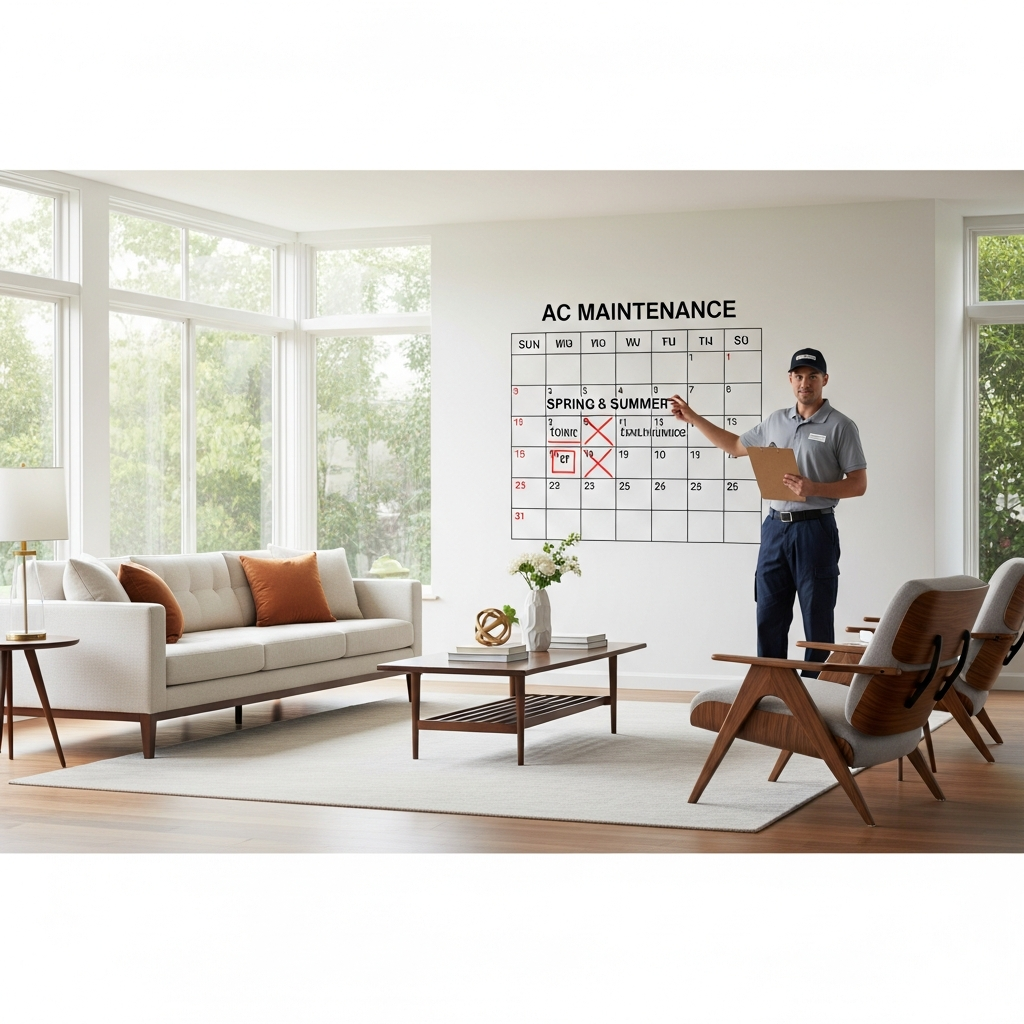
Building an air conditioning maintenance schedule in Beverly Hills is like tailoring a bespoke suit—you begin with measurements, consider how and where it will be worn, and allow for the rhythms of a full calendar. Our neighborhoods flow from canyon shade to sunlit boulevards, and your system feels those shifts long before summer’s first real heatwave. A schedule that works beautifully on a quiet side street off Laurel Way may need fine-tuning in a home close to Wilshire’s daily bustle. The right cadence blends preparation, observation, and follow-through so that comfort feels inevitable rather than lucky.
Setting that cadence starts with a simple truth: maintenance is most effective before you need it, not after. When you map out your year, put comfort on your calendar the same way you would an important gathering or a seasonal refresh of your garden. If you’d like a clear picture of what a thorough visit includes and how it aligns with your home’s timing, you can explore local guidance on air maintenance to see the core elements that keep systems steady through our warmest afternoons and our cooler canyon nights.
The Seasonal Backbone: Preparing Before Heat Arrives
We live in a place where mornings can be mellow and the afternoon sun turns confident. That pattern creates a simple seasonal backbone for maintenance: anticipate, then confirm. In spring, a comprehensive visit primes the system—filters freshened or replaced, coils evaluated and cleaned, drains confirmed clear, electrical components tested, and airflow measured so that high ceilings, long corridors, and open-plan rooms receive balanced cooling. By approaching before the first serious heat, you give yourself time to address minor findings thoughtfully rather than urgently. The system then meets summer with composure, and you move through hot days with a quiet kind of certainty.
Mid-Season Check-Ins for Real-World Feedback
Even a well-tuned system appreciates a mid-season check-in, especially when households are in full swing with guests, travel, and outdoor entertaining. These brief touchpoints let you translate lived experience into targeted adjustments. If a den off the kitchen runs warm at dinner, or a bedroom facing west picks up more afternoon sun than expected, a technician can re-verify airflow and make smart tweaks. The point isn’t to overhaul; it’s to nudge. In this way, your maintenance schedule becomes a conversation with the home rather than a one-time lecture.
After the Heat: Reviewing Performance and Resetting
As late summer leans toward gentler evenings, a follow-up visit helps review how the system fared through peak demand. Any components that worked harder than anticipated can be noted and supported, and drain lines that handled a season of condensation can be cleared of surprise buildup. For homes with smart thermostats, this is also a fine time to review schedules and comfort setpoints—what worked beautifully, what might shift for fall. This after-the-heat review closes the loop and sets a calm foundation for the months ahead.
Filter Strategy: The Quiet Hero of the Schedule
Filters often decide whether your system glides or grumbles. The right replacement rhythm depends on your home’s specifics: pets who shed, doors that open to gardens and pools, road dust near major corridors, or even an ongoing renovation down the block. Our area occasionally feels the effects of regional smoke and construction particulates, which can demand more attentive filter care. Folding filter strategy into your calendar ensures the rest of the system breathes easily, protecting coils and preserving quiet operation through heavy-use days.
Adapting to Architecture: From Historic to Ultra-Modern
Architecture shapes timing. Historic homes with tight attic access benefit from slightly longer appointment windows so technicians can work carefully and protect original finishes. Contemporary residences with dramatic glass and double-height rooms may require extra attention to airflow balancing during spring visits, which can be scheduled with enough lead time to make measured adjustments before events and travel. In both cases, a schedule that respects the home’s design—rather than forcing it into a generic plan—keeps comfort consistent and disruptions minimal.
Coordinating With Real Life: Guests, Travel, and Events
Maintenance is at its best when it meets life where you live it. If you’re hosting a large gathering, aim to finalize a tune ahead of the event so that doors opening to patios don’t throw the system off its stride. If you travel frequently, align visits with your comings and goings so you return to a home that feels quietly composed. For households balancing school routines, a brief mid-season check can coincide with shifts in daily schedules, ensuring late-afternoon study rooms and evening bedrooms stay comfortably aligned.
Communication and Documentation as Part of the Schedule
Put communication on your timetable. Expect prompt reminders, clear arrival windows, and a quick review call or walk-through after each visit. Request documentation that summarizes findings, measurements, and any gentle watch-outs for the next season. Over time, this running log becomes a story of your home’s comfort, helping you anticipate needs rather than react to surprises. If the technician notes that a particular room consistently runs warm, that observation can anchor the next visit’s agenda, turning maintenance into a continuous improvement loop.
Smart Thermostats and Scheduling Harmony
Smart thermostats add a quiet intelligence to your schedule. When calibrated well during a spring visit, they learn how your home responds and can smooth out swings without you lifting a finger. If your residence sees varying occupancy across the week, programming can align with that pattern, protecting comfort when you’re home and easing off when you’re away. A brief review of thermostat trends during follow-up visits can reveal small adjustments that yield notably steadier afternoons and more restful nights.
Microclimates and the Beverly Hills Gradient
From foothill breezes to sunlit flats, our local gradient suggests that maintenance timing may vary by a few weeks from one neighborhood to the next. Homes tucked into canyons often experience cooler evenings that invite longer morning runtimes as indoor spaces find their equilibrium. Properties closer to Wilshire or Sunset may run more consistently through late afternoon. By paying attention to how your microclimate behaves month to month, you can place maintenance touchpoints with the kind of finesse that makes “schedule” feel like second nature.
About midway through the year, many homeowners like to pause and confirm that their plan remains aligned with what’s actually happening indoors. That’s a fine time to revisit the fundamentals and compare them with a framework for comprehensive air maintenance. Seeing the sequence—cleaning, testing, measuring, adjusting—helps you connect the dots between the calendar on your wall and the comfort you feel room to room.
Balancing Pro Visits With Thoughtful Habits
Your schedule doesn’t live only on a technician’s clipboard; it lives in your daily habits. Keeping outdoor units clear of landscape overgrowth, being mindful of how often doors stay open to the pool, and noting sounds or temperature shifts give your technician vital context during each appointment. Think of it as collaborative scheduling: you observe, they measure, and together you refine timing until it fits your life seamlessly.
When Renovations or Additions Shift the Plan
Renovations are joyful—and disruptive. Dust, altered airflow paths, and changes in room volume will ask more of your system. If you’re building an addition or refreshing interiors, invite your maintenance provider into the conversation early. They can suggest temporary filter strategies and propose a slightly adjusted schedule during and after construction so that the system recovers gracefully and your new spaces settle into the home’s comfort narrative.
Making the Schedule Sustainable Over Years
A maintenance schedule earns its keep when it’s simple enough to sustain. Start with the season that makes the most sense for your household, then anchor reminders on your calendar or in your favorite app. Ask your provider to send gentle nudges at comfortable intervals and to note any persistent themes in your documentation. Over time, you’ll notice that visits feel shorter, findings are cleaner, and adjustments are fewer—signs that the schedule matches the home and the home rewards the schedule.
Frequently Asked Questions
Q: When is the single most important maintenance window in Beverly Hills?
A: Spring typically carries the most weight because it prepares the system for sustained afternoon cycles. That said, a brief mid-season check can translate lived experience into targeted tweaks that keep everything smooth through late summer.
Q: How do I handle filter changes if outdoor air quality fluctuates?
A: Build flexibility into your plan. If regional conditions elevate particulates, accelerate your filter rhythm temporarily and return to the baseline once air quality improves. Your technician can help set a range that matches your home and lifestyle.
Q: Do historic homes require different scheduling?
A: Often they do. Appointments may be scheduled with slightly longer windows for careful access, and seasonal timing may be pulled a bit earlier to ensure that any observations can be addressed without rushing. The goal is to respect the home while protecting comfort.
Q: Can smart thermostats replace professional maintenance?
A: They complement it, not replace it. Smart controls learn and optimize, but physical components still need cleaning, testing, and calibration. The most reliable schedules pair intelligent controls with skilled hands-on care.
Q: What if my home has rooms that behave very differently?
A: That’s common with varied exposures and large volumes. Your schedule can include periodic airflow reviews that focus on those rooms. Over a couple of visits, targeted adjustments typically tame the outliers.
Q: How do renovations affect timing?
A: Plan on an extra check shortly after major work wraps. Dust and changes in room layout can influence airflow and cleanliness. A post-renovation appointment helps the system settle into the new normal gracefully.
Q: Is a mid-season visit always necessary?
A: Not always, but it’s valuable when you host frequently, travel often, or notice uneven temperatures. Think of it as a short conversation with your system that keeps the season on track.
Ready to Put Your Schedule on Autopilot?
If you want a calendar that quietly protects comfort without constant reminders, start by aligning with a provider who treats timing as thoughtfully as testing. Review the essentials of comprehensive air maintenance, pick the seasonal anchor that suits your home, and reserve your visit before the next warm-up. With a tailored schedule, you’ll glide from cool morning coffees to calm, comfortable evenings without missing a beat.