
Understanding Local AC Challenges
Beverly Hills homes face a distinctive blend of climate, architecture, and lifestyle demands that shape how cooling systems behave. The bright Westside sun, occasional marine layer, and hillside breezes create a daily arc of cooling needs, while varied home styles—from mid-century glass pavilions to grand Mediterranean villas—introduce unique airflow and insulation profiles. The result is a predictable set of issues that show up again and again: uneven temperatures, short cycling, indoor humidity that feels “sticky” on certain evenings, and equipment that is louder than it should be. Knowing the patterns helps you fix them thoughtfully and restore the quiet, steady comfort that suits life here.
As a local, you also notice the environmental context. Pollen bursts in spring, dust from ongoing renovations, and late-summer smoke can clog filters and coat coils quickly. Even a well-installed system struggles if those fundamentals are not kept in check. Add in changing room use—guest suites that become home offices, media rooms that double as classrooms—and your system needs to adapt without fuss. The following are the most common issues we see in Beverly Hills, what causes them, and how to resolve them with minimal disruption.
Uneven Temperatures and “That One Hot Room”
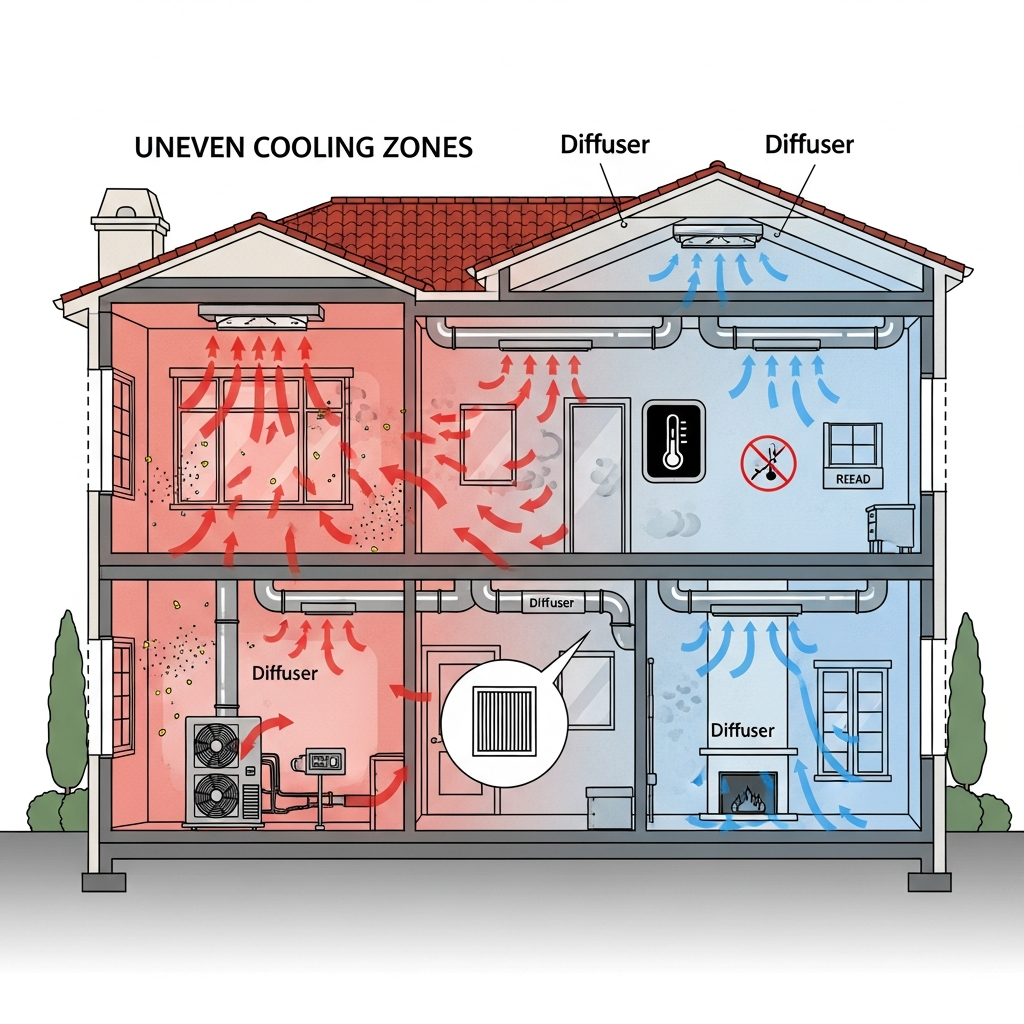
Uneven cooling is the top complaint, especially in homes with expansive glass or complex rooflines. South- and west-facing rooms soak up afternoon sun and can drift several degrees warmer by dinner. If supply air does not wash the room evenly—perhaps because a diffuser throws too hard in one direction or a return is undersized—comfort suffers. Add shading changes from new landscaping or drapery, and an otherwise fine design can tip out of balance.
The fix starts with airflow. Verify filter condition, fan speed, and static pressure. A professional will assess diffuser selection and aim, add or relocate returns, and consider zoning if usage patterns warrant it. Sometimes the cure is surprisingly modest: a lower-speed continuous fan setting to mix air, or a diffuser swap that eliminates drafts while moving more air into a warm corner. When done right, rooms that once felt like outliers rejoin the home’s rhythm.
Short Cycling and Systems That Seem “Too Powerful”
Short cycling—rapid on/off operation—often traces back to oversized equipment or thermostats placed where sun or drafts skew readings. In Beverly Hills, where homes can have large volumes but mixed insulation, it is tempting to oversize. The result is a system that drops temperature quickly without dehumidifying adequately, leaving the air cool but clammy on certain evenings. Noise climbs, wear accelerates, and comfort feels oddly unstable.
Solving short cycling means matching capacity to real load and smoothing operation. Variable-speed equipment, properly commissioned, runs longer at lower outputs, trimming humidity while staying quiet. Thermostat relocation or the addition of remote sensors allows control to reflect lived spaces, not just a hallway. When equipment sizing is already set, a careful recalibration of fan profiles and compressor ramps can tame the symptom without major changes.
Humidity that Feels Wrong on Mild Nights
Most of the year, Beverly Hills enjoys dry comfort. But marine layer mornings and late-summer nights can carry more moisture than expected, especially after a heat wave. If your system blasts cold air in short bursts, it may cool surfaces without running long enough to wring moisture from the air. The sensation is a lightweight stickiness on the skin and bedding that persists even at normal setpoints.
The remedy pairs longer, gentler cycles with clean coils and correct refrigerant charge. A slightly lower fan speed during cooling can increase contact time over the coil, improving dehumidification. Ensure condensate drains are clear so moisture actually leaves the house. Where architecture invites it, modest ventilation adjustments can help purge moisture after cooking or showers. The result should be air that feels crisp, not chilly, and bedding that dries quickly after you settle in.
Loud Operation, Whistles, and Vibration
Quiet is part of the Beverly Hills design language. When a system hisses, rattles, or hums, it breaks the spell. Whistles at grilles indicate air trying to squeeze through a too-small opening or past a closed damper. Rattles come from loose panels or ducts that are not adequately supported. Outdoor vibrations can travel through decks or into hillside structures that act like soundboards, surprising you with a nighttime thrum.
Start with the basics: tighten panels, secure ducts, and check isolation pads. Right-size grilles and diffusers for the airflow they carry, and avoid over-restrictive filters that force velocity. Variable-speed fans run quieter when static pressure is in the sweet spot. Outdoors, maintain clearances and firm anchoring; small changes in placement or isolation can dramatically reduce perceived noise in a terrace or bedroom above.
Warm Second Floors and Stubborn Lofts
Heat rises, and glass-heavy upper levels stack heat on sunny afternoons. Even with adequate tonnage, rooms can lag if returns are scarce or positioned low. Open staircases can further complicate things, sending conditioned air downstairs while warm air pools above.
Solutions include adding high returns, tuning diffuser throws to stir the upper volume gently, and leveraging zoning where it makes sense. Continuous low-speed circulation during peak sun can keep upper levels from drifting too far, reducing the evening “catch-up” period. In lofted spaces, a small design change—moving a register or adding a discreet return—often settles the issue more effectively than dropping the thermostat two degrees.
Thermostat Misreads and Control Conflicts
Smart homes are common here, and so are control conflicts. A thermostat in a hallway shaded by art lighting does not register the heat that fills a sunlit seating area. A sensor placed near a kitchen can chase cooking heat and overcool the rest of the floor. When shading schedules and HVAC schedules are misaligned, the system may work against itself, cooling hard just as west-facing shades are about to drop.
Reposition sensors to reflect the rooms you care most about, and align shade automation with cooling schedules. Adaptive recovery and geofencing reduce spikes and allow the system to anticipate occupancy. When controls agree on a plan, the result is smoother operation and a home that feels cooperative rather than reactive.
Dirty Coils and Clogged Drains
Dust from construction, pollen, and smoke particulates collect fast in Southern California. Coils coated with grime insulate instead of exchange heat, forcing compressors to labor. Condensate lines can slowly narrow with algae, leading to pan overflows that show up as staining or drips where you least want them.
Regular cleaning and verification of proper refrigerant charge restore efficiency and calm operation. A quick test of the float switch and a flush of the drain line are simple steps that protect high-finish interiors. Make this maintenance part of your seasonal rhythm and you will avoid the majority of water-related issues.
Tripped Breakers and Heat Wave Fatigue
During extreme heat, systems run longer and harder. Marginal components—weak capacitors, pitted contactors, or undersized wiring—reveal themselves as nuisance trips or hard starts. Outdoor units shaded by dense plantings may recycle hot exhaust air, compounding stress. It is doubly frustrating when this happens just as guests arrive or after a long day out.
Preseason inspections that include electrical checks and airflow verification reduce these events dramatically. Confirm clearances around outdoor units and evaluate whether gentle shading (that does not impede airflow) can help. When everything breathes as designed and electrical parts are healthy, heat waves become an exercise in steady, continuous operation rather than crisis management.
Odors and “Old Air”
Occasional odors often come from stagnant condensate pans, dirty filters, or ducts that have gone too long without attention. In some homes, infrequently used guest suites can develop a closed-up smell that announces itself the moment you open the door, especially after warm, humid days.
Run the system periodically in underused areas, keep filters fresh, and verify that drains are clean. Consider a modest increase in continuous low-speed circulation during shoulder seasons to keep air from going stale. Most odor issues have simple mechanical causes and clear cures once you look closely.
Wildfire Smoke and Particulate Intrusions
On rare but memorable days, smoke drifts over the basin and settles unevenly across the city. Filters fill quickly, and even small envelope leaks can draw in odor. If your system continues to run with a choked filter, it will struggle and may whine as it tries to pull air through the restriction.
Keep a stock of filters for these events, and be prepared to replace them more than once if smoke lingers. Review fresh-air strategies with a professional so you can temporarily limit outdoor air intake without sacrificing safety. When the event passes, a thorough coil check and filter change restore normal performance.
When to Call and What to Try First
Before you pick up the phone, check the easy things: filter condition, thermostat settings, tripped breakers, blocked returns, and outdoor clearances. If a room is stubborn, try running the fan continuously at low speed to mix air gently. Observe whether issues peak at certain hours; that pattern is a clue a professional can use to adjust diffusers or control logic.
When the basics look fine but comfort is off, call a local expert who understands our homes and weather. They will read the house holistically—architecture, exposures, usage—and recommend changes proportionate to the problem. Most of the time, you can restore balance with calibration, minor duct work, and smart control rather than dramatic intervention.
Frequently Asked Questions
Why is one room always warmer than the rest?
Rooms with heavy afternoon sun or limited returns often lag. The solution typically combines diffuser adjustments, added or upsized returns, and sometimes zoning if the room’s use pattern demands it. A quick airflow and temperature survey reveals where air is not going—and that is usually the shortest path to a fix.
My AC runs but the air feels sticky. What is happening?
Short cycles and high fan speeds can cool air without removing enough moisture during marine layer mornings or late-summer nights. Slowing the fan slightly and encouraging longer, lower-capacity runs improves dehumidification. Clean coils and clear drains are essential so captured moisture actually leaves the home.
Can my smart thermostat be part of the problem?
Yes, if sensors are misplaced or schedules conflict with shading. A thermostat located away from lived spaces or in direct sun can mislead the system. Reposition sensors, review schedules, and align shade automation with cooling. When controls are tuned to the way you live, symptoms often vanish.
Is my system too big for the house?
Oversizing is common and leads to short cycling, noise, and uneven comfort. A load calculation and a review of operation patterns can confirm it. Even if upsizing has already happened, careful commissioning—adjusting fan profiles, staging, and controls—can smooth performance and restore calm.
What should I do during smoke events?
Close windows, switch to recirculation if your system allows, and replace filters more frequently. Limit fresh-air intake temporarily and resume normal ventilation once outdoor air improves. After the event, a quick maintenance check ensures coils are clean and drains are clear so the system is ready for regular service again.
If recurring issues have you adjusting setpoints constantly, it is time to bring in help. A local team that knows our architecture and weather patterns can diagnose quickly and fine-tune solutions so your home returns to the quiet, even comfort you expect. Start a conversation today about optimizing your air conditioning and enjoy a home that feels composed in every season.