
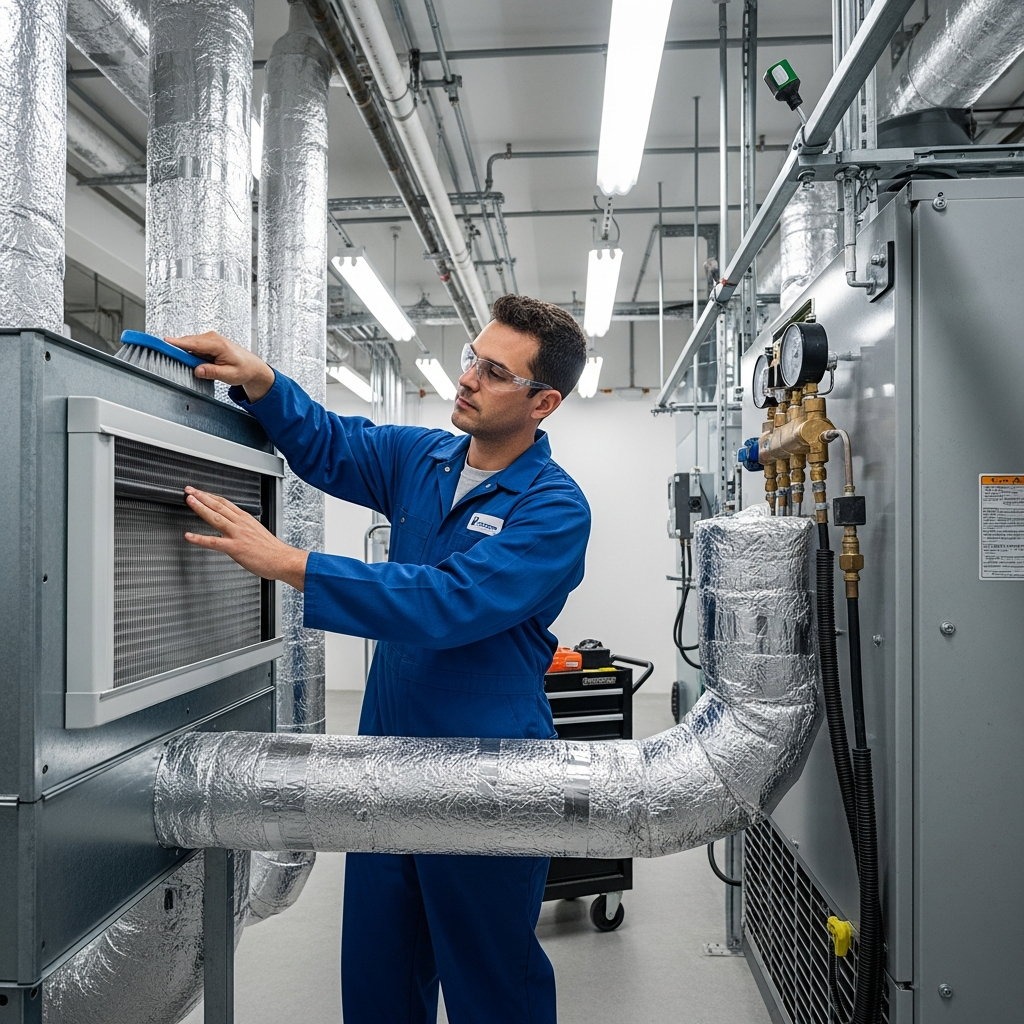
Why Maintenance Matters in Beverly Hills
In Beverly Hills, the difference between a home that feels quietly luxurious and one that struggles to keep up during a heat spell often comes down to regular, thoughtful air conditioning maintenance. Our city’s blend of bright sun, canyon dust, seasonal pollen, and the occasional surge of wildfire smoke put systems through their paces. Homeowners who treat maintenance as a rhythm—aligned with local weather patterns and daily routines—enjoy cleaner air, steadier temperatures, and fewer surprises. From the Flats to the hillside estates, the same principle holds: when your air conditioning is inspected, cleaned, and calibrated at the right intervals, it fades into the background and simply works.
Maintenance is not just a checklist; it is a way of caring for the home. Ductwork, returns, registers, and outdoor equipment all interact. If any one part underperforms—clogged filters, obstructed condensers, sluggish drain lines—the rest of the system must strain. That strain shows up as warm rooms at four in the afternoon, rising humidity at bedtime, or a rumble and whir that pulls focus in a quiet living space. A disciplined approach to service prevents those symptoms and protects the serenity that Beverly Hills homeowners prize.
The Seasonal Rhythm: Timing and Tasks
The best time to prepare for summer is late spring, when coastal influence still keeps afternoons modest and technicians can test performance without the system running flat-out. A comprehensive service visit should include inspection and cleaning of indoor and outdoor coils, confirmation of refrigerant charge within manufacturer guidelines, verification of airflow and static pressure, and calibration of thermostat and remote sensors. Filters should be right-sized to the equipment and ducts, not simply the highest MERV rating available, so airflow stays healthy while air remains clean.
In early autumn, a follow-up check is wise. This is when dust from long, dry months and particulates from any regional fires may have accumulated. Testing the condensate drain and pan is especially important then. Even in a dry climate, overnight humidity and cooking generate moisture that your system must remove, and clogged drains can lead to nuisance leaks inside finished spaces. Clearing lines and inspecting safety switches helps avoid an unpleasant surprise in a closet or ceiling.
Filters, Airflow, and Real-World Use
Filter conversations in Beverly Hills often begin with allergies and end with airflow. Homeowners want clean air for bedrooms, home theaters, and studios, but high-resistance filters can choke a system if everything else is not matched. The right approach balances filtration efficiency with duct capacity and fan capability. In homes with high ceilings or extensive glass, slightly higher airflow may be needed to wash the envelope evenly with cool air, which means filter selection must accommodate that demand. A good maintenance plan includes a filter schedule that changes with the household: more frequent replacements during pollen peaks, after a renovation, or when guests extend stays.
Registers and returns also need attention. A return hidden behind a sofa or drapery cannot do its job, and a supply register that whips across a sofa creates complaints that have nothing to do with temperature. Periodic walkthroughs with a technician help you evaluate furniture layouts, rugs, and new built-ins that may have changed air patterns. Small adjustments—angling a diffuser, opening a closed register, or adding a return in a warm corner—can unlock comfort you did not realize you were missing.
Outdoor Units: Sightlines, Sound, and Service Access
Outdoor condensers live at the intersection of performance and design. Beverly Hills gardens are lush and layered, and homeowners often prefer to screen equipment with hedges or decorative fencing. Maintenance keeps this relationship healthy. Clearances must be respected so equipment can breathe, and seasonal trimming ensures that airflow is not slowly strangled by growth. Vibrations should be checked against pads and anti-vibration mounts, especially in hillside installations where resonance can carry into quiet rooms. Service access should remain clear so technicians can clean coils thoroughly and test components without dismantling landscaping.
Sound matters here. Newer systems are quieter than ever, but even a well-designed condenser can hum if the fan blades pick up dust or if leaves accumulate against the housing. Routine cleaning prevents noise from creeping in, preserving the low sound floor that makes a late-night movie or a quiet conversation on the terrace feel undisturbed.
Controls, Sensors, and the Smart Home
Thermostats and sensors have matured into powerful tools. Maintenance now includes software updates, recalibration, and verification that remote room sensors are still positioned where they best represent conditions. A sensor moved during a remodel, or one that ends up in direct sun after new drapes are installed, can mislead the system and create imbalances. Reviewing schedules and setpoints with fresh eyes each season helps the equipment anticipate occupancy. Geofencing and gentle pre-cool strategies reduce afternoon peaks, while nighttime set-backs support sleep in the primary suite.
In homes with automation platforms, HVAC maintenance should be coordinated with lighting and shading. If the west-facing shades are set to drop at 3 p.m., cooling loads fall, and the thermostat logic can reflect that. When these systems are tuned together, the house feels effortless. Good maintenance keeps all these moving parts aligned, so technology amplifies comfort rather than adding complexity.
Zoning and Duct Performance
Many Beverly Hills properties benefit from zoning: the ability to cool certain areas more than others based on use and exposure. Maintenance for zoned systems includes confirming damper operation, inspecting actuator wiring, and verifying that each zone’s static pressure stays within safe ranges. Dampers that stick half-closed can starve a room and force the air handler to work too hard, while a failed actuator can quietly turn a zone into a sauna by late day. Periodic testing catches these issues before they spoil the rhythm of your home.
Ducts themselves merit attention, particularly in older houses where additions layered over time. Insulation may have settled, seams may have opened, and flexible sections can kink behind storage in mechanical rooms. Thermal imaging and static pressure measurements reveal where airflow is wasting energy or skipping rooms. Sealing, re-supporting, or reconfiguring a run can restore balance and lower strain on the system. It is detail work, but in homes with varied exposures and long runs, it is work that pays back immediately in comfort.
Clean Coils, Dry Pans, and Happy Compressors
Coils transfer heat; when dust, grease, or outdoor grime coats them, they insulate rather than exchange. Cleaning both indoor and outdoor coils is among the most valuable maintenance steps you can take. The payoff is twofold: better cooling with less effort and longer equipment life. Clean coils mean lower head pressures and smoother compressor operation, which translates to a quieter, calmer system. In tandem, a clean, properly pitched drain pan and clear condensate line protect ceilings, built-ins, and floors. Beverly Hills homes are finished with care; a few minutes spent verifying drainage during maintenance can prevent expensive headaches later.
Compressors and fans are hardy, but they appreciate a predictable environment. When airflow is correct and coils are clean, electrical components avoid heat stress, and bearings live a quieter life. That is the essence of maintenance: creating the conditions under which every part can do its job with minimal strain, season after season.
Planning for Heat Waves and Smoke Events
Our region’s heat events are more frequent than they used to be, and smoke intrusions, while unpredictable, are now part of seasonal planning. Maintenance sets your home up to ride these periods gracefully. Filter changes should be scheduled ahead of known peaks; having spares on hand avoids scrambling. Ventilation strategies may need to shift when outdoor air is poor, so confirm that make-up air or fresh-air intakes can be disabled or filtered more aggressively when needed. Discuss with your technician how to run the system more continuously at lower speeds during heat waves to maintain a steady indoor climate without overtaxing equipment.
Power interruptions occasionally accompany extreme conditions. Verifying that equipment restarts gracefully after a brief outage, and that surge protection is in place, adds resilience. If you rely on automation, make sure settings persist across power cycles. The day you need these safeguards is not the day you want to discover they were never configured.
Maintenance and Aesthetics: Keeping Design Intent Intact
Design is central in Beverly Hills, and good maintenance respects it. Registers should sit level and clean, with trim paint unscuffed during service. Access panels must be returned neatly, and mechanical rooms kept as orderly as they were found. Homeowners often schedule service around art installations or events; a professional rhythm adapts without drama. It is surprising how much calm you feel when the mechanical backbone of a house is tended to with the same care you give the furnishings and gardens.
Noise and vibration checks are part of that aesthetic care. A rattle at startup, a whistle at a grille, or a hum you only hear late at night are all signals that small adjustments are needed. Tightening fasteners, adding a bit of isolation, or correcting fan speeds often resolves these issues on the spot. The effect is cumulative: a home that feels intentionally quiet stays that way.
Working with Trusted Pros
Relationships matter. A team that knows your home’s quirks—how the sun falls in the living room, the way the primary suite stays a degree warmer, the hidden return behind built-ins—can service proactively. They will notice when a damper is not as quick as it used to be or when coil temperatures hint at a developing refrigerant issue. Keeping notes across seasons builds a record that serves you well when you decide to remodel, add a zone, or adjust for new use patterns such as a dedicated office or gym.
Midway through summer, it is wise to review your system’s behavior. Are rooms even? Are setpoints being met without long, noisy runs? Is indoor air still crisp by evening? If not, an interim visit can realign performance before peak heat arrives. This is also the perfect moment to re-center the conversation on air conditioning as an integrated system—equipment, ducts, controls, and the home’s envelope—rather than a single appliance. When each piece is tuned, the whole house breathes with ease.
Frequently Asked Questions
How often should I schedule professional maintenance?
Twice yearly is a strong baseline in Beverly Hills: once in late spring ahead of sustained heat, and again in early autumn to clear dust and verify drainage after heavy use. Homes with high filtration needs, frequent entertaining, or construction nearby may benefit from an additional midsummer filter check. The aim is to keep coils clean, airflow correct, and controls calibrated so comfort remains steady without strain.
What filter should I use for allergies without hurting airflow?
Select a high-quality filter rated for your equipment’s fan and your duct capacity. A moderately high MERV filter that allows adequate airflow often performs better in practice than a denser filter that starves the system. Pair the right filter with sealed ducts and clean coils, and you will capture pollen and dust effectively while preserving quiet, even cooling.
Why does my upstairs stay warmer even after maintenance?
Heat naturally stratifies, and upper floors absorb afternoon sun. Maintenance addresses part of the challenge by ensuring airflow, clean filters, and proper refrigerant charge, but zoning, additional returns, or strategic diffuser adjustments may be needed for perfect balance. Your technician can evaluate whether minor duct modifications or control tweaks will level the temperatures without resorting to aggressive setpoints.
Is it okay to hide my outdoor unit behind dense hedges?
Screening is fine, but clearances are essential. Equipment needs open space on all intake and exhaust sides to breathe. Dense hedges pressed too close reduce performance and shorten equipment life. A better approach is layered landscaping with an open-louver screen or spaced plantings that preserve airflow and leave service access clear.
Can smart thermostats really improve comfort, or are they just gadgets?
Used thoughtfully, they improve comfort meaningfully. Features like remote room sensors, adaptive recovery, and geofencing allow your system to anticipate occupancy and sun exposure patterns. Combined with seasonal maintenance and zoning, smart control reduces peaks and drafts, creating a smoother comfort curve that feels custom to your home.
When maintenance becomes part of the home’s cadence, you feel it in quieter evenings, restful sleep, and interiors that hold their composure through every season. If you are ready to put that rhythm in place, connect with a local team that understands our architecture and climate. Set up your appointment today and discover how attentive air conditioning care restores ease to every room.