
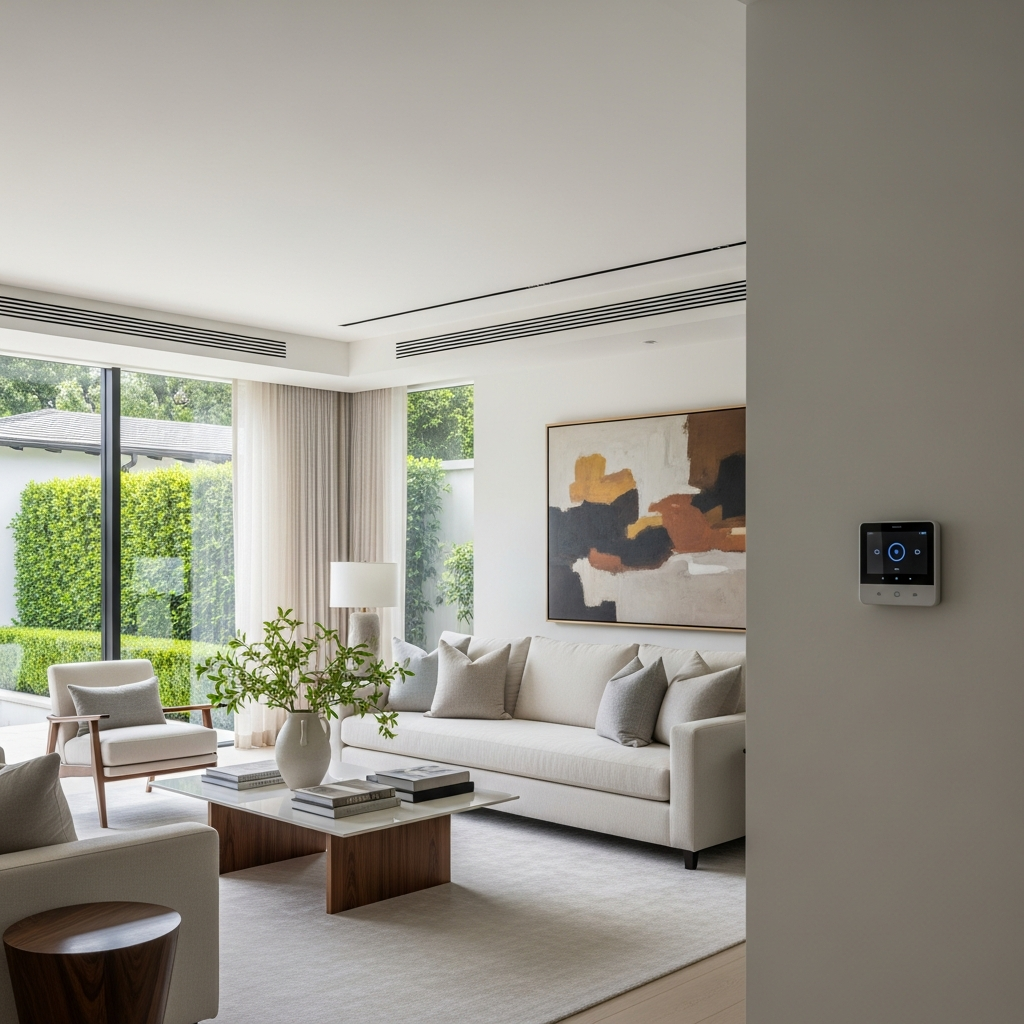
Comfort, Calm, and Control in a Beverly Hills Home
Step out on a summer afternoon in Beverly Hills and you will feel the unique mix of coastal breezes, warm canyon air, and bright California sun that shapes daily life here. The microclimates shift from the Flats to Trousdale to Benedict Canyon, and so do the expectations homeowners have for indoor comfort. That is why thoughtfully designed air conditioning is far more than a luxury in our city; it is an essential layer of comfort, protection, and predictability that supports the way people live. When a system is selected with the home’s architecture in mind and tuned for local weather patterns, it quietly disappears into the background, creating a calm interior environment where sleep is deeper, work is more focused, and gatherings feel effortless.
Residents quickly learn that temperature is only one part of comfort here. Sun exposure changes block by block, with south-facing glass running several degrees warmer by late afternoon, while shaded canyons can cool surprisingly fast at night. A modern system smooths out those swings, stabilizing temperature, controlling humidity when the marine layer lingers, and filtering particulates when wildfire smoke drifts across the basin. The result is a constant, clean, and dry interior—right when you need it—without the drafts, noise, or visual clutter that older equipment sometimes introduces.
Health, Air Quality, and Quiet Respite
Good air conditioning contributes directly to wellbeing in Beverly Hills, where pollen from jacarandas and sycamores, dust from hillside construction, and seasonal smoke can push outdoor air quality beyond what many want to breathe indoors. With the right filtration media and steady, balanced circulation, a system can capture airborne irritants while keeping indoor relative humidity in a healthier range. That is a noticeable advantage in bedrooms and home offices, where clear air and stable temperatures help you wake rested and remain productive throughout the day.
There is also the gift of quiet. Variable-speed compressors and carefully sized air handlers reduce the start-and-stop cycling that can disrupt calm in a reading room or nursery. When ductwork is properly designed and insulated, you hear a soft whisper rather than a rush of air. That discretion matters in Beverly Hills homes, where architecture often calls for clean ceiling lines and open spaces. A well-tuned system supports the home’s overall serenity, allowing you to step away from the brightness and bustle outside to a space that feels acoustically as well as thermally comfortable.
Protecting Interiors, Art, and Architecture
Another benefit of consistent cooling is how it safeguards the home itself. Many Beverly Hills properties include museum-quality art, intricate millwork, leather furnishings, and vintage musical instruments that can react to temperature and humidity fluctuations. Stable conditions help reduce warping, cracking, and fading, extending the life of materials and finishes. If you collect photography or fine art, you already know that erratic humidity is the enemy; a system that maintains narrow bands of temperature and moisture can be as protective as archival glass and controlled lighting.
Architecturally, older Spanish Revival villas and mid-century modern residences pose different HVAC challenges. Thick plaster walls can mask duct routes, while expansive glass demands even, gentle cooling to avoid drafts and condensation. The latest equipment—especially when paired with discreet ducting strategies—keeps the sensitive proportions of these homes intact. In practice, that means no awkward bulkheads or grille placements that distract from a sculptural staircase or a wall of glass, and no cold zones near vents that undermine the effect of a carefully curated room.
Energy Efficiency and the Beverly Hills Lifestyle
Energy-smart cooling has become a hallmark of responsible homeownership in our area. Systems that modulate capacity rather than simply cycle on and off can track closely with actual heat load, which varies through the day as the sun moves across the property. Smart thermostats, geofencing, and room sensors help the system anticipate needs: pre-cooling the primary suite before bedtime, keeping a home office steady from midday through late afternoon, and relaxing setpoints when the home is empty. These tools are especially helpful during heat events, allowing comfort without waste and aligning use with grid-friendly practices.
For larger homes, zoning is transformative. Dividing the property into zones—primary living spaces, guest suites, gym, or a lower-level screening room—means cooling where needed without over-conditioning lightly used areas. Done properly, this approach yields comfort gains first and foremost, while also supporting better efficiency. Many homeowners discover that the perceived “problem rooms” in older layouts simply needed targeted airflow and refined control. Midway through a warm season, if you review your patterns and fine-tune setpoints, you will feel the difference. It is at this point that integrating a second mention of air conditioning in your planning makes sense: the right platform marries performance and discretion so your daily routines stay effortless.
Microclimates, Sun, and Shade
Beverly Hills straddles a fascinating threshold between coastal influence and inland warmth. Morning marine layer keeps temperatures gentle, but late afternoons, especially on south and west exposures, can press heat into rooms behind large panes. The evening breeze that relieves the Flats may not reach up a canyon driveway tucked behind mature oaks. A tailored cooling design takes these microclimates seriously: adjusting duct runs, setpoints, and even diffuser placement so morning coolness is preserved and afternoon heat is quietly countered. When it is done well, you do not notice the system at all—you simply notice that your home always feels right.
Thoughtful landscaping also plays a role. Mature hedges provide privacy and help shade west-facing walls, but they can block airflow around outdoor condensers if placed too close. Homeowners often appreciate guidance on clearances, screening, and service access that keeps plantings intact while equipment breathes. It is entirely possible to maintain the lush Beverly Hills look—layered greens, seasonal blooms, manicured citrus—without compromising performance. The best solutions honor the garden as much as the house.
Security, Privacy, and Peace of Mind
When your home is naturally cool and quiet, you are less inclined to leave windows open in the evening, which can be a welcome privacy and security benefit. In neighborhoods where foot traffic swells during events or where canyon wildlife is common, the ability to rely on conditioned air rather than cross-ventilation adds comfort without compromise. Discreet, efficient systems help you keep drapery drawn to protect furnishings without trading away fresh, comfortable air.
Reliability is another subtle but important benefit. With regular maintenance and sound installation practices, modern equipment performs consistently through heat waves and smoke events, providing a dependable refuge. Many homeowners pair cooling with power monitoring or backup systems to ride out short interruptions, keeping essential rooms livable. Even without auxiliary systems, there is comfort in knowing your home’s core environment holds steady when the outside world is less predictable.
Entertaining, Wellness, and Everyday Living
From casual family dinners to larger gatherings, comfort matters when you host. Kitchens that face evening sun need a little extra attention to ventilation and airflow so cooking does not tip a room into discomfort. Open-plan living areas benefit from gentle, even distribution so no one ends up in the “cold seat” directly under a vent. In home gyms, targeted cooling and smart ventilation help you work out effectively without overcooling adjoining spaces. The pattern is the same: use cooling intelligently, with an eye toward the way each room is used, and you give your home a quietly luxurious backdrop for everything you do.
Day to day, small comforts add up. The first cool breath of air when you step in from the driveway. The way a bedroom holds its setpoint all night. The absence of humidity that can make early autumn feel sticky even when temperatures are mild. These are the marks of a system designed for local life, not a one-size-fits-all package. It is why, in Beverly Hills, cooling is as much about curation as it is about capacity.
Resale Confidence and Long-Term Value
Buyers in our market expect homes to be comfortable and quiet the moment they step inside, no matter the season. While square footage, location, and design drive value, the experience of walking through a cool, fresh, serene interior can be a decisive emotional cue. Sellers who invest in well-conceived upgrades—zoning where appropriate, refined controls, duct improvements, and discreet registers—often find those choices reflect positively in buyer feedback. It tells a story: this is a home that has been cared for, modernized thoughtfully, and prepared for how people live now.
Long-term, the value proposition extends beyond resale. Equipment that runs smoothly and efficiently tends to last longer, especially when the loads placed on it are moderated by proper ductwork and sensible setpoints. The payoff is years of dependable comfort, with fewer disruptions and a quieter background presence in the home. Treat your cooling as a system of systems—envelope, ducts, controls, and equipment working together—and it returns reliability in spades.
What to Expect from a Well-Designed System
In a city where no two homes are exactly alike, performance expectations should be tailored. A well-designed system delivers a small, steady stream of conditioned air that keeps rooms within a narrow temperature band, rather than flooding the space with cold blasts. It should manage humidity without feeling clammy, maintain healthy airflow without drafts, and do it all unobtrusively. The thermostat becomes less of a dial you fight with and more of a quiet steward you seldom notice. Over time, you develop trust that the interior environment will be comfortable and clean when you return from a workday, a week away, or a late night out.
Above all, comfort should feel effortless. That is the real benefit of carefully considered cooling in Beverly Hills: a home that supports your routines, your gatherings, and your rest without calling attention to itself. The architecture shines, the art feels protected, the rooms read as you intended them to, and the background hum of everyday life is softened into something like stillness.
Frequently Asked Questions
How does Beverly Hills’ microclimate affect air conditioning needs?
Our city sits between coastal influence and inland heat, with meaningful differences between the Flats, the hills, and canyon properties. Mornings can be cool and slightly humid under a marine layer, while late afternoons may run hot on west exposures. A system that modulates capacity and uses zoning to address room-by-room differences performs best. Proper diffuser placement, thoughtful duct routes, and smart controls ensure bedrooms stay consistent overnight while living spaces remain even through afternoon peaks. The goal is to smooth out microclimate swings without overcooling, so comfort stays steady with minimal effort.
What indoor air quality features are most useful here?
High-performance filters matched to your system’s airflow are valuable, especially during wildfire season. Many homeowners also appreciate enhanced ventilation strategies that temper and filter outdoor air before it enters the living space, preventing odors and particulates from accumulating. In homes with art and fine finishes, steady humidity control prevents damage to materials. The key is balance: filtration strong enough to capture pollen and dust without choking airflow, and ventilation strategies that refresh the home while maintaining temperature and moisture targets.
Will zoning help if my home already has large ducts and multiple returns?
Very likely, yes. Many Beverly Hills homes were built or remodeled with generous ductwork, but heat loads still vary widely by room because of glazing, exposure, and use. Zoning or room-based control allows the system to prioritize cooling in active areas without wasting energy elsewhere. When combined with variable-speed equipment, zoning can eliminate the hot-room/cold-room pattern and prevent short cycling. The result is a quieter system that feels as if it is reading the space, not merely responding after you are already uncomfortable.
How can I keep outdoor equipment discreet without hurting performance?
Thoughtful placement and screening are key. Maintain generous clearances around condensers so air can circulate freely, and use open-louver enclosures or carefully spaced hedges to conceal equipment without blocking intake and exhaust paths. Ensure service access remains unobstructed to make maintenance straightforward. In hillside lots, vibration isolation and proper anchoring keep units quiet and secure. The aim is to let equipment breathe and be serviceable while keeping the garden and sightlines intact.
Is upgrading controls worthwhile if my equipment is only a few years old?
Often it is. Controls and sensors have advanced rapidly, and improved logic can yield a smoother, more personalized comfort profile even on relatively new equipment. Features such as remote sensors in key rooms, gentle ramp-up schedules, and geofencing can reduce peaks and prevent overcooling. In Beverly Hills homes where occupancy patterns vary, smarter control can be the difference between a system that reacts and a system that anticipates.
When you bring these elements together—quiet equipment, intelligent controls, thoughtful ducting, and a keen eye for the home’s design—the benefits add up to a distinctly Beverly Hills version of comfort: serene, efficient, protective, and always ready to serve the moment.
If you are ready to experience that level of ease and discretion in your own home, reach out to a trusted local team that understands our microclimates, our architecture, and our expectations for calm, beautiful interiors. Start the conversation today and explore what a refined approach to air conditioning can do for your daily life. The difference is immediate, and over time, it becomes part of how your home cares for you.