
In Beverly Hills, beautiful homes are defined by quiet confidence—materials that feel right, rooms that move seamlessly from one to the next, and air that supports life without drawing attention to itself. When that last piece falters, it is often because the ducts are asking too much of a system designed for calm. Across the Flats and into the hills, I see patterns emerge: familiar duct issues that undercut comfort, raise noise, and leave homeowners juggling thermostats to compensate. Tackling them head-on, with a plan tuned to the home’s architecture and daily rhythm, is what thoughtful duct replacement is all about.
Many properties here have grown in stages. A breakfast nook becomes part of a larger kitchen, a guest wing evolves into a home office and gym, and a theater is carved out below grade. Along the way, ducts are extended, squeezed, or improvised to reach new spaces. Those compromises make sense in the moment but tend to pile up. Years later, families wonder why the primary suite runs warm, the office grows stuffy after lunch, or why a whisper turns into a rattle when the system starts. The answer is usually in the pathways themselves: too narrow, too long, too leaky, or simply misaligned with how the home now lives.
Undersized Returns And The Soundtrack Of Turbulence
One of the most common culprits is a starved return. When the system cannot breathe, it pulls air through smaller openings at higher velocity, creating a hum you may have accepted as normal. In homes where the return is tucked into a closet or placed near a high-traffic corridor, the sound becomes part of daily life. Replacing ducts is the moment to calm the return. A well-sized, well-located return quiets the entire system, allowing the blower to work easier and supply branches to deliver their air without fuss. Noise is not the price of comfort; it is the symptom of a pathway that needs relief.
Leaky Runs That Invite The Attic Indoors
Air leaks carry dust and odors, dilute the supply air with hot attic air, and make the blower work harder than necessary. In the Flats, where attics can heat up in the afternoon, leaks are a direct invitation for that warmth to mingle with your cooled air. In hillside homes with tight crawlspaces, even small breaches can pull in earthy odors or fine debris. Replacing and sealing ducts reasserts control. Joints are tight, insulation is continuous, and the only air entering the home is the air you intend to deliver—filtered, tempered, and measured.
Kinked, Crushed, And Over-Long Flex Duct
Flex duct is a useful tool when handled properly, but it is often asked to make turns too sharp or to span distances too far. The result is friction, noise, and uneven delivery. I frequently find branches bent around structural members without proper fittings, or sagging between supports so that air stumbles on its way to the room. During replacement, we prioritize smooth transitions, appropriate fittings, and supports at the right intervals to keep runs straight and true. The change is immediate: gentler sound and airflow that arrives evenly at the grille.
Supply Placement That Fights The Room
Registers should complement how a room gains or loses heat, but in many remodels they end up in convenient, not optimal, locations. A supply facing a wall of glass may draft, while one hidden behind a drapery stack may barely participate. A replacement project rethinks these choices with the current furniture plan, natural light, and usage pattern in mind. Shifting a supply a few feet or changing the throw pattern can resolve a persistent hot spot or eliminate a draft that made a favorite chair less inviting.
Neglected Return Strategy
In bigger homes, a single central return can leave distant rooms feeling disconnected, and in multi-level properties, pressure differences can lead to that telltale door slam when the system starts. A modern return strategy introduces calm by providing ample, quiet paths for air to find its way back. This reduces pressure swings, allows the blower to run at lower speeds, and helps rooms remain in step with one another. You feel the effect as a lack of drama: doors do not move, registers whisper, and temperatures settle into a comfortable cadence.
Attic Heat And Insulation Gaps
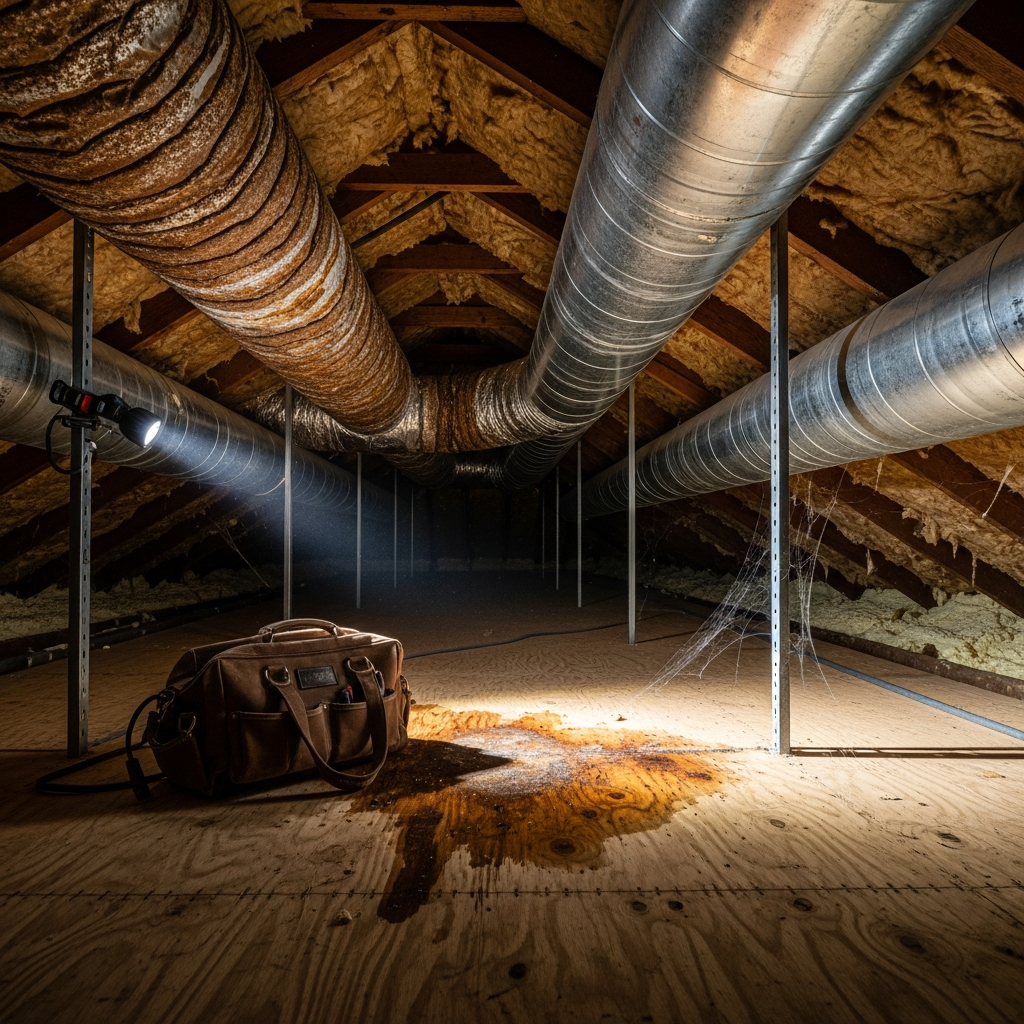
Attics in Beverly Hills can run hot in late afternoons, especially under dark roofing or tile. Ducts routed across these spaces need insulation that stands up to the conditions, and penetrations must be sealed to reduce heat soak. During replacement, we pay attention to the environment as much as the ducts themselves—improving insulation where necessary, protecting vulnerable sections with rigid materials, and choosing routes that limit exposure. This attention pays off during heat waves when the system must maintain a cool interior through long, bright days.
Multiple Additions, One System
It is common to find a single system serving original rooms plus one or more additions, tied together with a patchwork of branches. The result can be a tug-of-war as zones compete or a persistent imbalance that no thermostat can smooth out. A replacement plan recognizes the home’s current footprint and usage, potentially splitting loads thoughtfully and designing branches so each space receives what it needs. The outcome is harmony: no more overcooling a den just to bring relief to a far bedroom.
Odors And Stale Rooms
Leaky or poorly routed returns can draw air from dusty cavities or areas where odors linger, creating that faint mustiness that greets you when the fan starts. Replacing ducts repositions returns away from these sources, ensuring all intake air passes through filtration before distribution. It is a small change with a big effect on the daily experience of the home—rooms smell neutral, kitchens clear more quickly after cooking, and closets do not feel stale.
Why Local Insight Matters
From tight hillside access to sensitive interiors in the Flats, the details of Beverly Hills properties reward local experience. Teams familiar with common framing nuances, attic pathways, and the expectations of quiet, tidy work are better equipped to deliver results without surprises. They also know where problems tend to hide: behind soffits added during a 1990s remodel, in the long branch to a bonus room, or in a return that never had the volume to match the system. Choosing professionals well-versed in Beverly Hills duct replacement speeds diagnosis and leads to cleaner solutions.
From Assessment To Calm
Good projects start with listening. We map how you live in the home—where you read, entertain, work, and sleep—then translate that into air pathways that serve those patterns. The survey stage identifies leaks, restrictions, and placement mismatches; the design phase reshapes routes and sizes for balance; and installation brings it all together with attention to sealing, support, and discretion. The finish is verification: confirming that rooms receive what they need and that the system runs with the hush you expect in a refined interior.
Frequently Asked Questions
Why are my upstairs rooms warmer than downstairs?
Heat naturally rises, but the common culprit is duct design—long, restrictive runs or an undersized return strategy that prevents adequate flow to the upper level. Replacement rebalances delivery and return so upstairs rooms receive steady, measured air.
What causes the whistling sound at certain vents?
Whistling often indicates high velocity through a small grille or turbulence from a sharp turn near the register. Adjusting branch size, smoothing transitions, or relocating the register usually quiets the airflow.
How do leaky ducts affect air quality?
Leaks can draw dusty attic or crawlspace air into the system, bypassing filtration and redistributing fine particles and odors. Sealed ducts ensure that supply air remains filtered and clean, improving the feel and freshness of rooms.
Is it normal for doors to move when the system starts?
Door movement suggests pressure imbalances and an insufficient return path. A thoughtful return strategy gives air an easy way back to the system, eliminating those swings and calming the entire home.
Can new ducts fix a persistent hot spot near large windows?
Often, yes. Adjusting supply placement, throw pattern, and branch sizing can counteract heat gain at glazing, removing the draft and smoothing room temperature.
Will replacement disrupt my interiors?
With careful preparation, installers protect finishes, contain dust, and coordinate work to minimize visibility. Discretion is as important as technical quality, especially in finely finished homes.
If you are noticing noise, drafts, or rooms that never seem to settle, it may be time to speak with trusted local duct replacement professionals who understand Beverly Hills properties. A clear plan will turn daily frustrations into quiet confidence, restoring the calm, clean comfort your home deserves.