
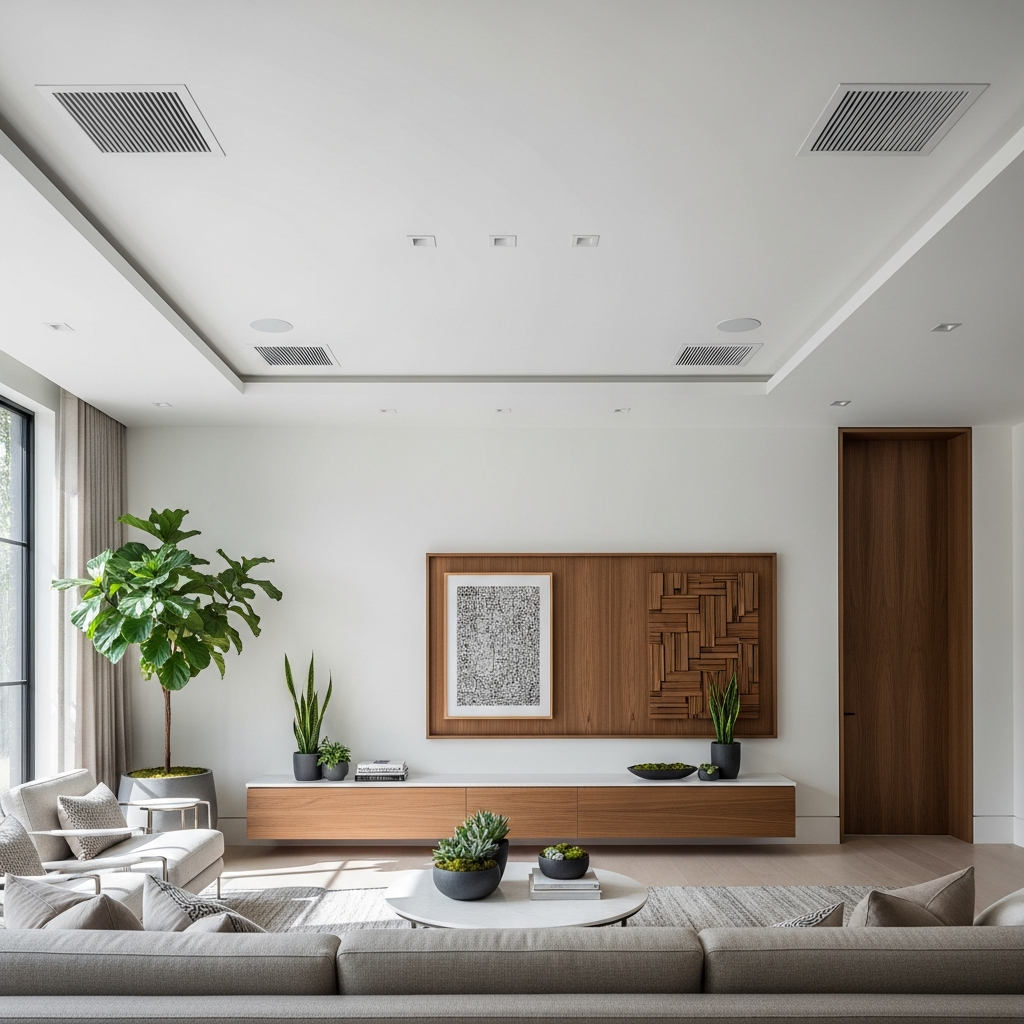
Beverly Hills homes set a high bar for comfort, quiet, and design integrity. As architecture evolves and technology advances, duct replacement is entering a new era—one that blends performance, wellness, and aesthetics with a level of craftsmanship expected in this community. Homeowners who treat mechanical systems as part of the home’s design DNA are discovering that thoughtful upgrades can be as transformative as a kitchen remodel. Early in any conversation about upgrades, I make a simple point: modern duct replacement is not just a fix; it is a design-forward strategy for better living. The latest trends focus on silence, control, and air quality, all while ensuring that the system fades gracefully into the background of everyday life.
Living and working in Beverly Hills, I see how varied our housing stock can be—classic estates with plaster curves and timber framing, glassy mid-century updates, and new builds pushing the edge of contemporary minimalism. Across styles, the comfort brief is the same: deliver air with whisper-soft precision, keep rooms in tight temperature harmony, and do it all discreetly. The most interesting trends today are less about gadgets and more about the patient, deliberate design of air pathways that serve spaces as they are truly used.
Low-Static, High-Comfort Design
The days of forcing air through long, narrow, and kinked runs are fading. Designers are opting for low-static ducts that reduce resistance so equipment can run longer at lower speeds. This is more than an engineering preference; in a quiet living room or a home theater, it means fewer audible cues that the system is working. The design starts with the return—make it generous and calm—and continues through smooth, well-supported supply branches. In practice, you hear less, feel a gentle, even wash of air, and enjoy comfort that does not compete with conversation, music, or sleep.
Integrated Filtration And Cleaner Pathways
Wellness has become a daily expectation, not an occasional luxury. New duct strategies emphasize sealed pathways and filtration that work together, not in isolation. Properly sealed joints and carefully located returns ensure that all supply air passes the filter and that dust or odors from attics and crawlspaces are not introduced. Many homeowners notice a distinct improvement in how fresh rooms feel, especially during windy periods or when regional air quality dips. It is a subtle but significant shift—air that feels like it belongs in a refined interior.
Discreet Aesthetics: Registers That Disappear
Architecture in Beverly Hills often calls for clean ceilings and unbroken planes. The trend is toward low-profile registers and grilles that vanish into plaster or align with trim reveals. This is not merely an aesthetic choice; it coordinates with air velocity and throw to maintain comfort without drafts. During replacement, thoughtful repositioning can remove grilles from sightlines, protect symmetrical layouts, and honor historic detailing. The result looks as though the home was born that way, with comfort seamlessly woven into the fabric of the design.
Smarter Zoning With Real-World Sensibility
Zoning is evolving from a blunt tool to a nuanced one. Instead of simply dividing floors, modern designs consider usage rhythms: where the family gathers in the evening, which rooms need steady conditions for work, and how guest spaces are occupied. Duct replacement allows dampers and branches to partner gracefully with controls, directing air without creating pressure imbalances or whistle-prone bottlenecks. When zones are planned with the ducts in mind—not just added after the fact—you get the best of both worlds: precise control and a quiet system.
Heat Pump Synergy And Electrification Readiness
As more homeowners choose variable-speed heat pumps for their efficiency and gentle operation, ducts must support that style of comfort. Low resistance and well-balanced returns allow heat pumps to perform at their best, delivering even temperatures without the on-off drama of older equipment. Duct replacement is the moment to prepare the home for this future—fewer sharp turns, smoother transitions, and careful sizing mean your next equipment upgrade slides into a pathway already designed for quiet precision.
Attic And Crawlspace Realities
Local conditions shape good design. In the Flats, late-day sun heats attics enough to challenge any system; in the hills, access and framing can complicate routing. New trends emphasize improving the duct’s environment as much as the ducts themselves: strategic insulation upgrades, sealed penetrations to deter pests, and supports that keep runs straight and true through the seasons. When your ducts live well, your rooms feel better every day, and the system resists the slow drift of performance losses that plague older installations.
Verification And The Rise Of Performance Culture
A welcome trend is the growing insistence on verification. Homeowners are asking for proof that comfort goals have been met, not just assurances. After replacement, balancing, airflow checks, and pressure readings confirm that each space receives what it needs, and that returns are as quiet as they should be. This culture of performance mirrors what we expect in other luxury fields: not only elegant design, but measured results that stand up to daily life. It also creates a baseline that installers and homeowners can return to season after season, ensuring that comfort remains steady over time.
Solutions For Historic And Architecturally Significant Homes
Working within historic fabric requires finesse. The trend is to make the mechanical upgrade essentially invisible. That means carefully choosing register styles, painting strategies, and locations that protect original details while optimizing airflow. It can also involve rerouting ducts to follow structural rhythms, so runs are secure and hidden. In these projects, coordination between designer, contractor, and homeowner is critical; the result is a home that retains its character while offering modern calm and cleanliness.
Quiet As A Design Metric
Comfort today is evaluated with the same rigor we apply to lighting or acoustics. Silence is not an accident; it is the product of systems thinking, where duct sizing, route selection, return strategy, and equipment modulation are planned together. We are seeing homeowners ask about specific design choices that reduce turbulence or locate returns outside of high-activity spaces. That curiosity is healthy, pushing the industry toward details that used to be the province of only the most meticulous installers. The reward is simple: rooms that feel restful by design.
Mid-Project Discoveries That Matter
During replacement, small discoveries can unlock outsized gains. Straightening a run that was bent sharply around a beam, moving a register to clear a soffit that created a draft, or consolidating multiple undersized branches into a single properly sized trunk can transform performance. Many of these adjustments are invisible when the work is complete, but their effect is constant: fewer hot and cold spots, softer sound, and a home that remains consistent from morning to night. At this stage, homeowners often appreciate partnering with a team expert in Beverly Hills duct replacement, because local insight helps anticipate issues and resolve them elegantly.
Better Air, Better Life
Air that moves quietly and steadily does more than maintain temperature. It supports sleep, keeps kitchens from lingering odors, and helps busy spaces feel calm even during gatherings. Sealed ducts paired with effective filtration reduce the fine dust that settles on surfaces, making interiors easier to keep pristine. For many families, this is the most tangible benefit: the home looks and feels fresher, with less effort required to maintain that “just cleaned” calm.
Looking Ahead
The next wave of duct replacement will refine these themes rather than replace them. Expect even more attention to return sizing, further integration of low-profile grilles, and design practices that treat airflow as a quiet companion to architecture. The trend is not toward louder gadgets, but toward patience and precision. In a city that prizes both performance and poise, that shift makes perfect sense.
Frequently Asked Questions
What is the biggest change in duct replacement in recent years?
The move toward low-static, high-comfort design stands out. By reducing resistance and smoothing airflow paths, systems can run quieter and more efficiently, especially with variable-speed equipment. The feeling is subtle but unmistakable: calmer rooms and consistent temperatures.
Do low-profile registers affect performance?
When selected and located thoughtfully, they work beautifully. The key is coordination—matching grille style and size with airflow and throw so comfort remains even while the visual impact disappears into the architecture.
Can new ducts really improve indoor air quality?
Yes. Sealed pathways ensure that supply air passes through filtration and is not diluted with dusty attic or crawlspace air. Homes often smell cleaner, and surfaces collect less fine dust when the system runs.
How does zoning interact with duct design?
Great zoning starts with ducts. Proper branch sizing and pressure relief avoid the hiss and rattle that can accompany poorly planned zones. When ducts are designed with zones in mind, you gain control without sacrificing quiet.
Is this a good time to prepare for a future heat pump?
Absolutely. Duct replacement is the ideal moment to optimize for variable-speed equipment. Smooth, balanced runs allow heat pumps to deliver their signature steady comfort with minimal noise.
Will these trends work in older, historic homes?
Yes, with careful coordination and respect for original details. The goal is to route and finish ducts so they are functionally modern and visually discreet, maintaining the home’s character while elevating comfort.
When you are ready to elevate comfort with calm, design-forward performance, partner with local duct replacement specialists who understand Beverly Hills homes. The right plan will make your system fade into the background, leaving only the feeling of rooms that are always ready for the life you live.