
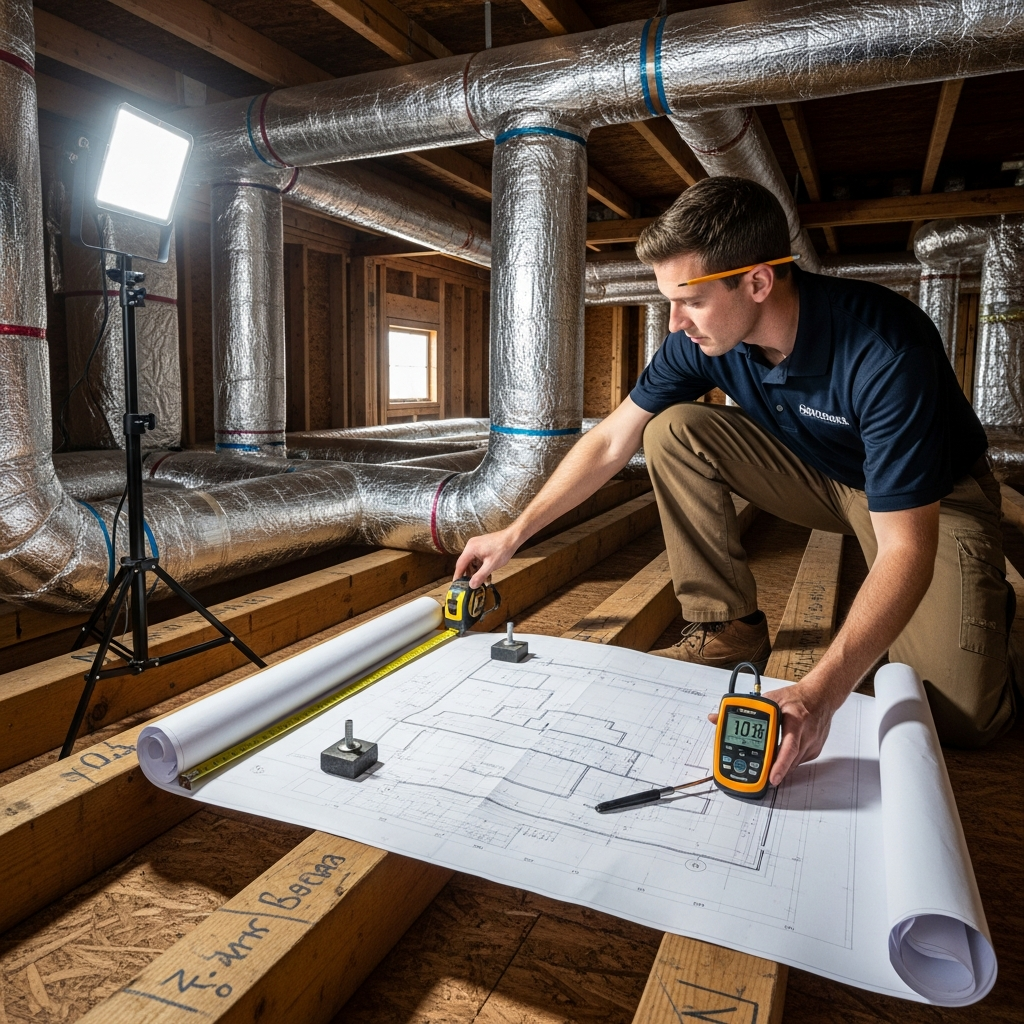
Conversations about duct replacement in Beverly Hills often start with a simple question about cost, but the real insight comes from understanding what drives that number in the first place. Homes here range from hillside retreats to refined estates and compact bungalows, and each introduces a unique set of considerations for routing air smoothly and quietly. When you unpack those factors—design, access, materials, testing, and the realities of your daily life—you get a much clearer picture of what an investment in new ductwork truly means for comfort and long-term performance. With the right perspective, duct replacement becomes less about a single figure and more about outcomes you can feel every day.
Think first about the home itself. A one-story residence with an open attic offers a different canvas than a multi-level property with finished ceilings and tight chases. The more accessible the pathways, the more options a designer has to create straight, efficient runs with gentle curves that minimize turbulence. In tighter spaces, the plan must be more surgical, weaving ducts through structural constraints without sacrificing performance or the character of the interiors. Each scenario can deliver excellent results; they simply require different strategies to get there.
Design is where value begins
Many homeowners are surprised at how much the design phase influences the outcome. A proper design maps airflow room by room, sizes trunks and branches to match the needs of each space, and ensures the return path is generous enough to keep noise low and equipment at ease. When that groundwork is done with care, the installation proceeds with fewer compromises, and the finished system performs as promised. In homes that have been remodeled over the years, this planning often includes rethinking return placement and adding or relocating registers to serve rooms as they are used now rather than as they were decades ago.
Access plays a parallel role. Working in a high, open attic is a different proposition than crawling through tight joist bays or fishing ducts along finished soffits. Where ceilings are pristine and should stay that way, specialized routing and careful transitions preserve aesthetics while delivering air precisely where it is needed. In older homes with architectural significance, designers look for ways to respect historical elements while gently updating the mechanical backbone that supports modern life.
Materials and methods that shape performance
The choice of materials influences longevity, acoustics, and efficiency. Rigid round metal shines in long trunk runs where low resistance matters most. Duct board offers built-in insulation and can mute the resonance near equipment. Flexible duct is a helpful tool when used correctly and sparingly, kept short and pulled tight so it does not introduce friction or sag over time. Joints sealed with rated mastics rather than relying on tape alone guard against leaks that otherwise steal air from the rooms that need it most.
Registers and grilles are the visible face of this hidden system, and they contribute more than style. The right diffuser pattern guides air across a room rather than letting it wash ineffectively along a wall. In bedrooms and media spaces, quiet operation matters as much as throw distance. Thoughtful selection here elevates the entire experience of comfort, connecting the precision behind the ceiling to the sensation in the space below.
Beyond parts: the craft behind the ceiling
Two projects with similar materials can feel very different depending on the craft of the installation. Supports that keep ducts straight and insulation uncompressed, transitions that preserve cross-sectional area, and careful routing that avoids tight bends are the hallmarks of a system that will perform beautifully for years. In Beverly Hills, where many attics are partially finished or tight, that craft is the difference between a system that is merely new and one that is thoughtfully tailored.
Testing and verification are part of that craft. When the work is complete, airflow at key registers should be measured and balanced, and static pressure should be checked so the equipment operates within a comfortable range. This is not simply about meeting a code threshold; it is how the team proves the promises made during design have been met. Without this step, a system can be new yet unrefined, leaving rooms to argue over air that should have been theirs all along.
Why numbers vary—and how to think about them
Homeowners naturally compare proposals, and differences often trace back to scope. One plan may include adjustments to returns, redesign of troublesome rooms, and comprehensive testing. Another might focus solely on replacing visible runs. Neither approach is inherently right or wrong, but they lead to different results. The key is clarity: understanding what each proposal includes, how it treats the nuances of your home, and what evidence of performance will be provided at the end. A transparent scope turns a confusing comparison into a confident decision.
It is also common to weigh disruptions alongside outcomes. Some projects allow duct replacement to proceed largely from the attic with minimal interior impact. Others involve brief, strategic access to concealed spaces to resolve long-standing issues. A good plan spells out how work areas will be protected, what you will see and hear during each phase, and how the team will return the home to quiet order each day. That plan is worth as much for peace of mind as it is for the project’s logistics.
Hidden conditions and how to navigate them
Older homes sometimes conceal surprises—legacy repairs, tight chases, or duct runs that were improvised over time. Addressing these conditions during a planned project is a chance to correct them cleanly rather than living with their effects. When an unexpected constraint appears, a strong team explains the options, adjusts the design thoughtfully, and keeps the focus on the finished experience: even temperatures, low noise, and reliable airflow across seasons.
When homeowners ask what influences the final figure most, the answer usually includes the number of rooms served, the accessibility of the paths, and the completeness of the scope—from new returns to diffuser updates and the testing that caps it all. The narrative is about the system as a whole rather than any one component. A project that integrates these elements tends to deliver the kind of comfort that feels effortless because it was purpose-built for the home and the way its occupants live.
Planning your project with confidence
Begin with an evaluation that listens to your home. Where are the stubborn rooms? What noises persist? How does the family’s routine flow through the day—home offices running in the afternoon, bedrooms that need gentler airflow at night, living spaces that fill on weekends? A design that reflects these realities will serve you far better than a generic plan. Ask for clarity in drawings or descriptions: how trunks will route, where returns will live, and how airflow will be verified at the end.
Midway through a project, you will likely see the bones of the new system before it vanishes behind registers and grilles. This is a good time to walk the space with the installer, confirm that priorities are being met, and consider small adjustments while access is easiest. Good teams welcome this collaboration. It is how a plan on paper becomes a home that feels tuned to its occupants. When communication stays open and care is evident in each run and support, duct replacement turns from a line item into a daily improvement you notice in every season.
Frequently asked questions about duct replacement and what shapes cost
What are the signs that my ducts are affecting comfort? Look for uneven temperatures, excessive dust, or a system that seems to work too hard for the results you get. These are prompts to evaluate airflow, leakage, and return sizing.
Can I keep my existing registers?
Sometimes. If the style suits the home and the openings are appropriately sized for the new design, reusing registers can make sense. In other cases, updating diffusers improves throw and reduces noise, completing the benefits of new ductwork.
How disruptive is the process?
Much of the work occurs in attics or designated chases. Where access to interiors is needed, it is planned, protected, and brief. Clear schedules help you understand what will happen and when, keeping routines on track.
Do I need to replace equipment at the same time?
Not always. Many homeowners see meaningful improvements from duct work alone. If equipment is nearing retirement, coordinating plans can be beneficial, but it is not a prerequisite for success.
What about testing and verification?
Expect airflow measurements at key registers and confirmation that the system operates within healthy pressure ranges. Documentation of these results is part of delivering a system that performs as designed.
How should I compare different proposals?
Look for clarity in scope, thoughtful design, material choices, sealing standards, and a plan for balancing at the end. The more precisely a proposal explains how it will achieve comfort, the easier it is to make a confident decision.
Will new ducts help with indoor air quality?
Yes. Sealed returns prevent infiltration from attics or crawlspaces, proper filtration supports cleaner air, and balanced supply and return reduce drafts and dust movement between rooms.
If you are ready to move beyond guesswork and focus on results you can feel—quiet rooms, steady temperatures, and air that simply feels better—bring your questions to a local expert who treats your home like a design challenge rather than just a job. Start a conversation tailored to your space and explore duct replacement with a plan that respects Beverly Hills architecture and the way you live every day.