
From the palm-lined boulevards to the quiet ridges where glass pavilions float above the city, Beverly Hills homes are settings where architecture and lifestyle intersect. Yet the future of comfort here is increasingly defined by what you cannot see—the ducts that move air with precision from mechanical rooms to living spaces. In recent years, design and technology have accelerated, and the most forward-thinking households are embracing a new standard. If you have been considering duct replacement, understanding the trends shaping our market will help you plan with confidence and clarity.
Trends are not fads when they are grounded in science and experience. The patterns we see in Beverly Hills are the product of careful measurement, evolving codes, and a local desire for effortless comfort. With homes that host intimate dinners and headline-making events, the threshold for excellence is high. The latest approaches bring acoustics, air quality, energy stewardship, and design integration into the same conversation so each decision supports the whole.
Precision Airflow Through Data and Modeling
One of the most influential shifts is the use of measurement and modeling to inform duct layout. Instead of relying solely on rules of thumb, we now leverage room-by-room load calculations, static pressure targets, and commissioning data to right-size trunks and branches. The result is a distribution network that matches the home’s true needs, not an approximation. When air moves through smooth-walled runs with calculated velocities, the system sings—quietly.
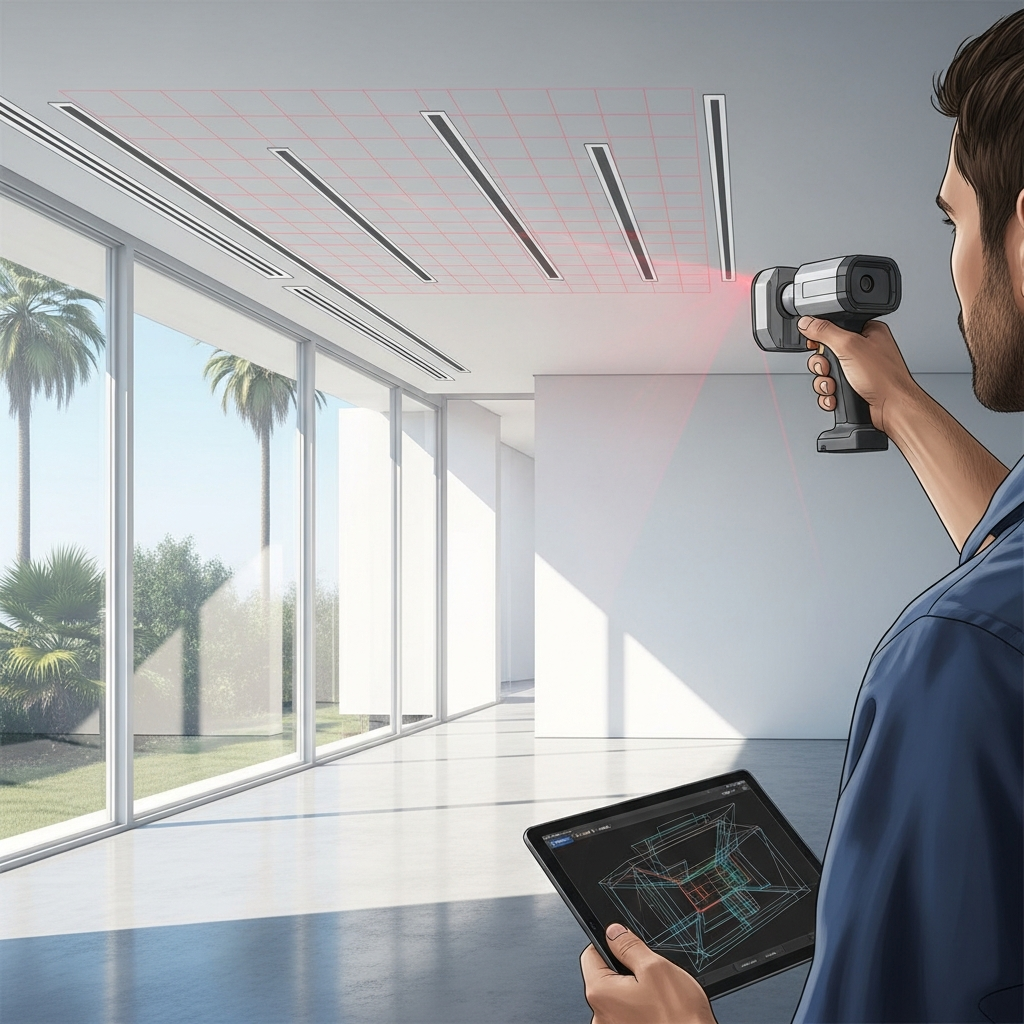
Laser scanning and digital as-builts are also reshaping how we work in architecturally significant homes. By mapping existing structures accurately, we can route ducts within tight tolerances, preserve historic features, and coordinate with millwork and lighting details. The ducts disappear into the architecture, leaving behind only the sensation of even, gentle comfort.
Acoustic Design as a Core Value
Whispers over whooshes is the new baseline. We now treat elbows, transitions, and branches as acoustic components, specifying longer-radius turns, lined plenums where appropriate, and diffuser selections that tame velocity noise. The difference is especially striking in media rooms, home offices, and bedroom suites where quiet becomes a kind of luxury you feel as soon as the system cycles. New ducts make it possible because acoustics are determined as much by the pathway as by the machine at the start of it.
In homes with thin roof assemblies or minimalist ceilings, we pair low-profile diffusers with careful return placements so the background sound remains at a hush even when the system is delivering significant capacity. The design goal is silence that feels effortless and permanent.
Air Quality First: Sealed Paths and Filter Readiness
Wildfire seasons and allergy cycles have elevated indoor air quality from a preference to a necessity. Replacement ducts now emphasize airtight connections, durable sealing methods, and layouts that keep returns clean and accessible. When the distribution path is tight, every stage—MERV filtration, purification, and humidity control—performs as intended. That is especially meaningful in homes with collections, textiles, or finishes that benefit from stable environments.
We also see a trend toward ducts that are deliberately prepared for higher-grade filtration. That means returns and air handler connections sized to handle increased resistance without stress. Future-readiness is not just a buzzword; it is a way to ensure that as filtration technologies evolve, the backbone of your system can support them without a redesign.
Heat Pump Integration and Low-Static Strategies
As high-performance heat pumps gain momentum in Southern California, ducts are adapting. These systems reward low-static, well-sealed distribution that allows variable-speed fans to modulate gracefully. Replacement projects increasingly include larger trunks, carefully balanced branches, and leak-free connections that reduce the total external static pressure. When the duct network cooperates, heat pumps deliver the quiet, even comfort they are known for, without the strain that undermines their advantages.
In retrofit scenarios, low-profile duct solutions enable upgrades in homes where space is at a premium. Short-radius turns are replaced with gentler sweeps, and ducts are routed to avoid bottlenecks behind existing finishes. The trend is to engineer the friction out of the path so air moves as if the home was designed around it from day one.
Sustainability with Substance
Energy stewardship is no longer a separate conversation from luxury; it is one of its expressions. New ducts reduce waste by sealing leaks that once bled conditioned air into attics and crawlspaces. Better insulation ensures that air arrives at the target room with its temperature intact. Over time, these efficiencies translate into calmer operation and a system that does more with less. In Beverly Hills, where homes can be expansive and multi-level, the aggregate gains are significant.
Material choices reflect this shift as well. Durable metals with smooth interiors, thoughtfully selected insulation that resists compression, and sealants formulated for longevity create systems that last for decades. The sustainability story is as much about not having to revisit the same work repeatedly as it is about immediate performance.
Integration with Architecture and Interior Design
Today’s replacement projects are choreographed with design teams to make registers disappear and returns feel intentional. We align supply placement with furniture plans so air does not wash directly over seating areas or artwork. In gallery spaces, we reduce drafts near canvases; in spa-like baths, we balance warmth with gentle airflow so the space remains serene. The trend is toward ducts that you experience but never notice, because their presence is harmonized with the room’s purpose and aesthetic.
In modernist homes where ceilings float and reveals create shadow lines, we use diffusers that read like architectural details, set flush and aligned with grout or seam patterns. Behind those details is a duct network that supports the look by maintaining pressure and volume with minimal velocity noise. The collaboration is seamless and the effect quietly luxurious.
Smart Zoning and Lifestyle Mapping
As families embrace hybrid work and flexible entertaining, zoning has matured. We now design around how spaces are actually used throughout the day. Rather than dividing by floor alone, we follow functions—a morning suite around the kitchen and breakfast nook, an afternoon wing for offices and studios, and evening-focused entertainment spaces. Replacement ducts are the canvas for this lifestyle mapping, with damper locations and branch sizes chosen to make transitions invisible to the occupants.
Paired with intelligent controls, the system learns patterns and maintains setpoints with minimal intervention. The house seems to anticipate you, shifting its attention from a sunlit office in the morning to the outdoor room and lounge at dusk. It feels more like service than machinery.
Commissioning as a Design Deliverable
Another defining trend is treating commissioning not as a punch list item but as a design deliverable. We measure static pressure, verify airflow at registers, and balance zones methodically. The documentation of those results becomes part of the home’s record, valuable for future improvements, appraisals, and peace of mind. With this approach, the project concludes with numbers that match the narrative: quiet, balanced, and effective distribution throughout.
Commissioning also builds trust. Homeowners sense the difference when air moves correctly; there is less fiddling with thermostats, fewer hot-and-cold surprises, and a general sense of ease that sets in across rooms.
Mid-Project Flexibility and Discovery
The moment old ducts come out, the house reveals its secrets. We often find opportunities—a shorter route here, a straighter trunk there—that were not apparent on paper. The current trend embraces this discovery, creating room in schedules to adapt and improve the plan. When teams build that flexibility into the timeline, the finished system reflects the actual structure rather than an idealized drawing. This is also when it is easiest to adjust plans for duct replacement to accommodate future uses like a gym conversion or a new studio.
Flexibility protects finishes, too. By making better choices on the fly, we avoid unnecessary openings and keep the work elegantly contained. The result is a cleaner site, a calmer household, and a system that fits the home like a tailored suit.
Compliance Without Compromise
As Title 24 and related standards evolve, the best projects meet or exceed requirements effortlessly. Leak testing, insulation values, and airflow verification are integrated into the process, not hurdles at the end. When the team treats compliance as part of design, everyone benefits—inspectors, homeowners, and guests who will simply experience comfort without knowing why it feels so complete.
Documentation is no longer an afterthought. It is bundled with the drawings and specifications so that future service is straightforward. For homeowners who value a paper trail that reflects real quality, this shift has become non-negotiable.
Resilience for Smoke, Heat Spikes, and Cool Mornings
Resilience is a quiet trend with major impact. Sealed ducts and intelligent returns help homes ride out smoke days by reducing infiltration, while thoughtful insulation and routing keep temperature swings at bay during heat spikes. On cool mornings when marine air drifts inland, systems modulate gently to maintain a steady interior, avoiding the overcorrections that can make floors feel chilly or rooms drafty. These behaviors are the product of pathways designed to cooperate with equipment rather than challenge it.
In estates with detached structures—guesthouses, studios, or wellness pavilions—resilient duct strategies ensure that each space feels connected to the whole. The goal is consistent performance everywhere, not just in the main volumes.
Where the Trends Lead Next
Looking ahead, we expect even tighter integration between architecture, data, and distribution. As sensors and controls refine their understanding of how you live, ducts will be designed as part of a responsive system, welcoming gentle adjustments rather than blunt, on-off cycles. Materials will continue to improve, and the quiet standard we enjoy today will become even more understated.
What will not change is the essence of Beverly Hills living: calm, beautiful spaces that support your routines without asking for attention. The ducts are a means to that end, evolving with purpose and precision so the home simply works.
FAQ
Q: Are these trends relevant for older homes? A: Absolutely. Many originated in retrofits where constraints demanded innovation. Accurate measurements, sealed pathways, and acoustic design benefit historic and contemporary homes alike.
Q: Do I need new equipment to take advantage of these duct trends? A: Not necessarily. While variable-speed equipment pairs beautifully with low-static duct strategies, many benefits—noise reduction, air quality, and balanced comfort—come from the ducts themselves.
Q: How do you ensure the design remains invisible? A: We coordinate with architects and designers, align diffusers with sightlines, and choose return locations that complement the space. The ducts work behind the scenes so the rooms can shine.
Q: Will these strategies help during smoke events? A: Yes. Airtight ducts and well-planned returns support higher-grade filtration, reducing infiltration and helping maintain indoor air quality when outdoor conditions are challenging.
Q: What is commissioning, and why should I care? A: Commissioning is the process of measuring and verifying performance—airflow, pressures, and balance—so the finished system matches the design intent. It is the final assurance that comfort will be as promised.
Q: How disruptive is a replacement that follows these trends? A: With planning and containment, disruptions are kept to a minimum. Staging, protection of finishes, and clear schedules allow life to continue while the home upgrades quietly.
When you are ready to align your home with the quiet, data-driven, design-integrated standard that defines the best projects in our city, start a conversation about a tailored plan. The path is clear, and the results are tangible. Explore how a carefully planned duct replacement can bring tomorrow’s comfort into your home today and keep it there, day after quiet day.