
Respecting History While Restoring Comfort
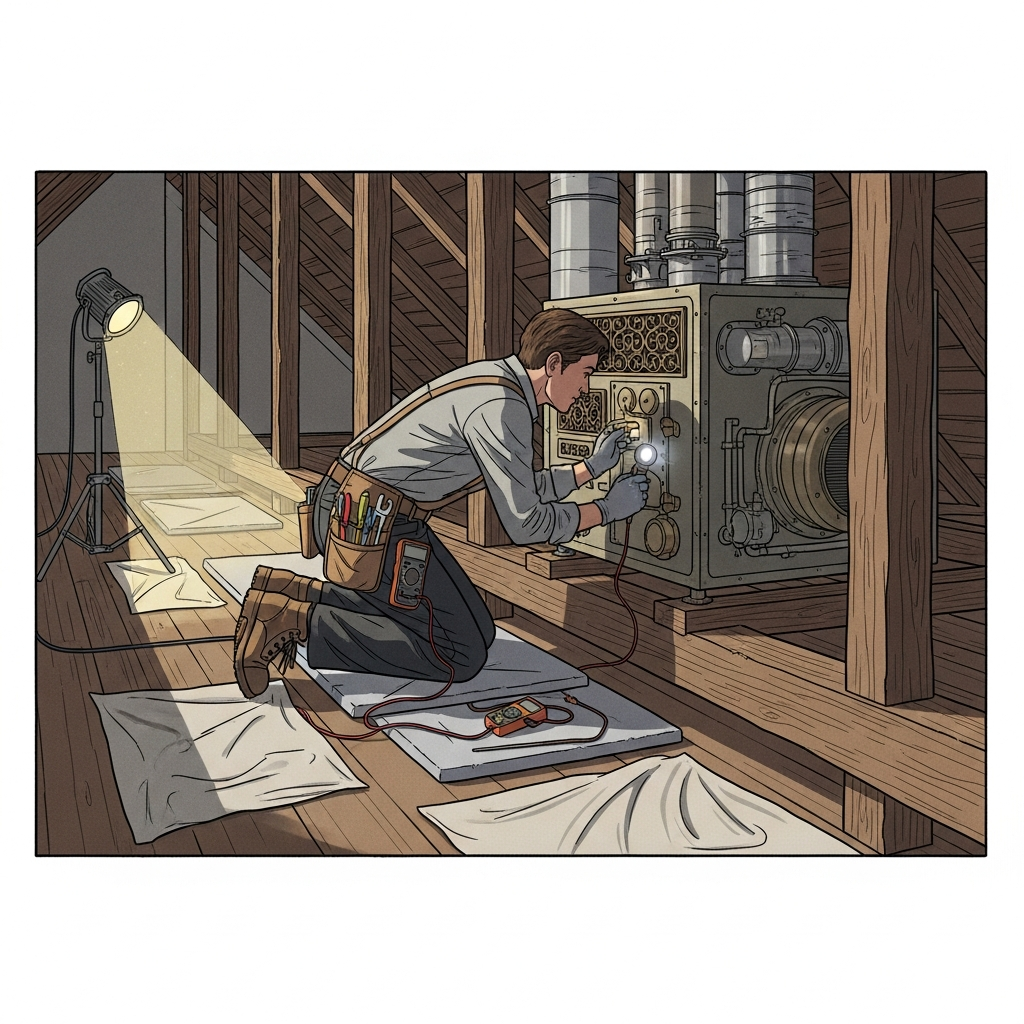
Older homes in Beverly Hills are time capsules of craft. Hand-troweled plaster, original tile, graceful arches, and carefully aged woodwork tell stories you can feel the moment you cross the threshold. When cooling falters in these spaces, repair is about more than restoring temperature; it is about protecting character while delivering reliable, modern comfort. As someone who has crawled through tight attics above 1920s beams and knelt beside carefully concealed air handlers, I can tell you that success lives in details, patience, and a deep respect for what came before.
Vintage houses carry unique mechanical histories. Some were retrofitted with early central systems decades ago, others rely on compact air handlers tucked in surprising places, and many blend hidden duct runs with rooms that were never designed for them. Repair work starts with listening—both to the homeowners and to the building. Creaks, drafts, and warm pockets are part of a dialogue that helps us plan a solution that protects finishes and calms your home back into balance.
Diagnostics Tailored to Legacy Construction
In a newer structure, you expect clear access and predictable chases. In an older home, those assumptions fade. Returns may be undersized, existing grilles may be decorative pieces that conceal narrow paths, and attics can be a maze around beams and tile. Our approach begins with non-invasive evaluation: careful temperature and pressure readings, listening for whistling that betrays hidden restrictions, and using small inspection points rather than opening broad sections of wall or ceiling. The goal is to understand the system’s limitations without disturbing finishes that have earned their patina.
Electrical systems often reflect past eras too. Verifying dedicated circuits, tight connections, and proper grounding protects equipment and reduces nuisance trips. Meanwhile, we consider how sun exposure and original window placements influence today’s loads. What worked in the 1950s with different insulation and glazing may not hold under modern expectations; we bring those realities into the conversation as we plan repairs.
Common Failure Points—and Gentle Fixes
Capacitors, contactors, and aged motors are frequent visitors on the repair list, but the path to them may be as challenging as the fix itself. Access panels hide behind custom millwork, and return plenums nestle above closets with finishes you do not want disturbed. We plan moves like a conservator, using padded surfaces, targeted lighting, and slow, deliberate steps to reach the issue. When ducts prove leaky or crushed, we favor carefully placed liners or sectional corrections over wholesale replacement, keeping the system’s footprint in step with the home’s structure.
Coil cleanliness is another hallmark. Over time, fine dust and attic fibers can thin performance, lengthening runtimes and encouraging icing. Gentle cleaning and improved filtration restore balance without introducing harsh chemicals or rough handling that might harm delicate components or nearby finishes.
Balancing Air without Upsetting the House
Many older homes suffer from uneven cooling that owners simply accept as part of the charm. But with measured balancing—tiny changes in damper positions, adjusted blower speeds where appropriate, and returns that are encouraged to pull from the right places—we can coax far better harmony. The trick is to avoid brute force. Oversizing equipment or blasting air through dainty grilles upsets the acoustic and tactile calm of an older interior. We aim instead for quieter, steadier operation that disappears into the background.
Sometimes a subtle supplement makes magic. A small, tastefully placed auxiliary unit in a west-facing room can remove the late-afternoon spike without calling for louder ducts or aggressive main-system settings. The rest of the home, relieved of that strain, settles into gentler cycles.
Preserving Finishes During Repair
Repair is successful only if the room looks untouched when we leave. Drop cloths and surface protection are standard, but so is communication. We ask about heirloom rugs, sensitive art, and surfaces that need special handling. Tools enter and exit with care. Ladder feet are padded, and panels are set aside on protective mats. Even when work must reach behind plaster or into a vintage cabinet, patching is planned to honor existing textures and colors so that no one notices our path afterward.
In attics with delicate framing, weight distribution matters. We stage boards and move deliberately so that vibration stays low and ceiling integrity is preserved. These quiet disciplines may take a little more time, but they keep the spirit of the home intact while we return the comfort you expect.
Modern Controls, Classic Interiors
Thermostats and sensors are where old meets new most visibly. We select devices that complement classic interiors, sometimes using understated wall plates or choosing finishes that echo existing hardware. Calibration is key; older floor plans often place thermostats where drafts or sunbeams can confuse them. Relocation, when appropriate and permitted, or the addition of a remote sensor can remove those false cues and restore true control without visual clutter.
Variable-speed technology can be a quiet ally in older homes. By stretching the curve between off and full-on, we avoid the jolting starts and stops that rattle doors and registers. The house seems to exhale, the way it might have before air conditioning, only now it does so at a temperature that invites you to linger.
Safety and Sensible Boundaries
Legacy materials sometimes require special handling. Licensed professionals trained for older structures know how to evaluate existing components, choose safe access routes, and coordinate with specialized trades when necessary. The emphasis is on doing the right work the right way, never cutting corners just to rush a fix that could harm the home’s health.
We also pay close attention to attic temperatures and ventilation. A cooler, well-ventilated attic reduces the load on coils and ducts and calms the system overall. When feasible, discreet improvements here make every repair more durable.
When Repair Meets Planning
Every repair is also a chance to look ahead. If a part has failed due to a pattern—restricted airflow, chronic overheating, or a control logic that does not match real life—we correct the root cause so you are not placing the same call next season. For some owners, that conversation grows into a plan for staged upgrades carried out during cooler months, always with an eye on preserving original fabric and architectural intent.
Documentation matters. Photos of current conditions, notes on hidden access points, and settings that work for your specific home form a library that shortens future visits and protects your finishes from unnecessary exploration.
Frequently Asked Questions for Older Homes
Will repairs damage original plaster or millwork? The aim is always zero-visible-impact service. We use minimally invasive access, protect surfaces meticulously, and plan patching that blends with existing textures when access is unavoidable. Communication about sensitive areas ensures the right precautions from the outset.
Can an older system be made quieter?
Yes. Cleaning, balancing airflow, and, where appropriate, introducing variable-speed components reduce abrupt starts and whistling through small grilles. Many homes see significant noise reduction without major reconstruction.
What if my equipment uses older refrigerants?
Repairs and stabilizations are often feasible. We evaluate performance, component health, and regulatory context, then recommend a path that respects both your immediate comfort and long-term planning for the home.
How do you reach hidden equipment without tearing into walls?
We map return paths, use small inspection points, and leverage existing service panels first. Creative staging and specialized tools allow us to reach many components while leaving finishes undisturbed.
Can you even out stubbornly warm rooms?
Often, yes. Targeted balancing, minor duct corrections, and strategic supplemental solutions address late-day spikes or isolate problem rooms without disturbing the home’s overall feel.
How long does a typical repair take?
Timelines vary with access and part availability, but the guiding principle is deliberate, careful work that protects finishes. Clear communication sets expectations, and protective measures remain until performance is verified.
Confidence Without Compromise
Your home has earned its grace. When cooling needs attention, choose an approach that honors that history while delivering steady, modern comfort. If you are weighing your options or want a thoughtful second opinion anchored in Beverly Hills experience, connect with local experts in air conditioning. Together, we will keep your rooms as welcoming as their stories.