
Why Ductless Makes Sense in Beverly Hills
Walk the leafy streets of Beverly Hills and you will find homes that tell architectural stories: classic Spanish Revival, crisp Mid-Century lines, new builds that blend indoor and outdoor spaces seamlessly, and discreet guesthouses carved into hillside lots. Many of these spaces resist traditional duct layouts, either because the structure makes ducts impractical or because owners are preserving original finishes. Ductless systems—often called mini-splits—step neatly into that gap. They deliver targeted comfort with exceptional control and minimal disruption, a match for rooms that deserve care without compromise.
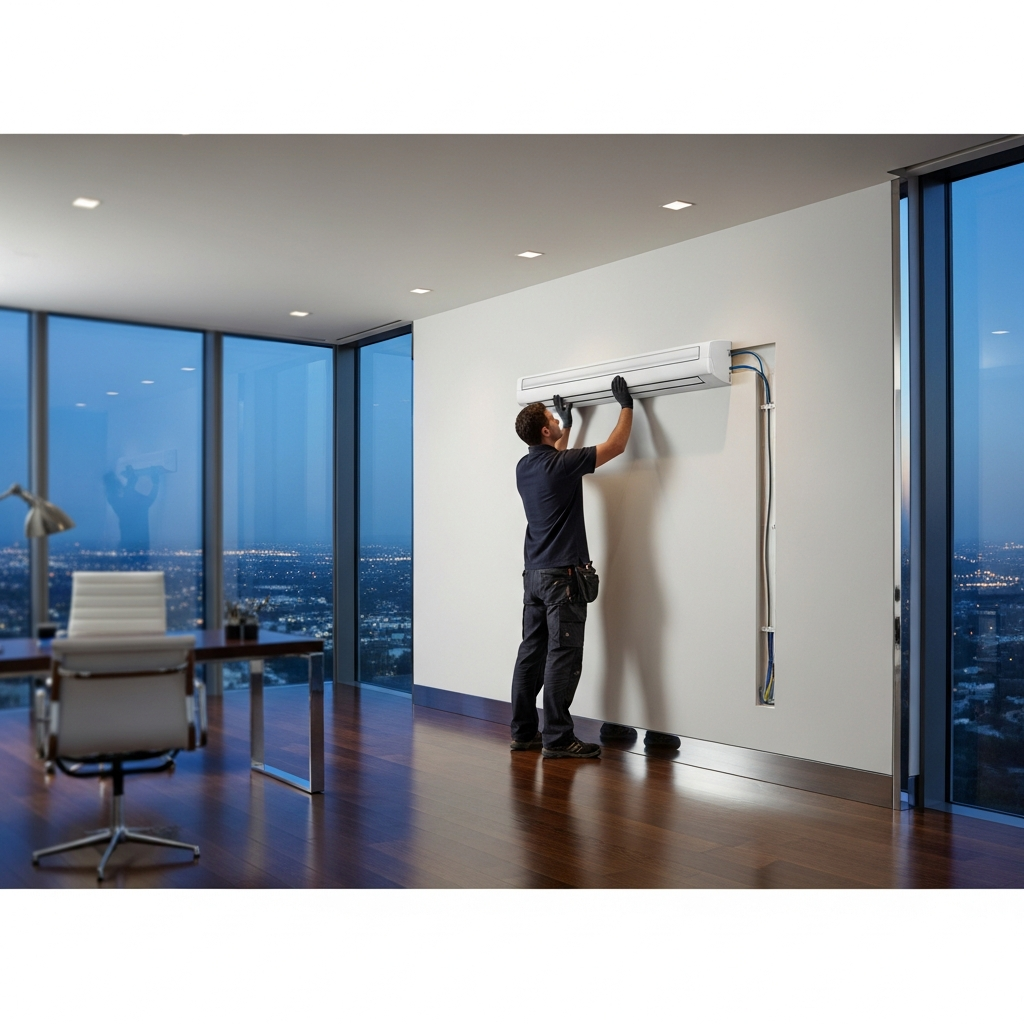
When you stand in a glass-wrapped office overlooking the city lights, or in a renovated pool house where summer laughter echoes, the appeal becomes obvious. A ductless system can tailor comfort zone by zone, without forcing the rest of the house into the same schedule. Pair that with a reliable partner versed in Beverly Hills-specific considerations and you will have an installation that blends with your home’s character while working hard behind the scenes. If you are just beginning your research, grounding yourself in trusted local knowledge about air conditioning will give you a strong starting point.
The Anatomy of a Ductless System
At its heart, a ductless system consists of an outdoor condenser and one or more indoor air handlers connected by slender lines that carry refrigerant and power. The indoor units mount high on a wall, suspend from a ceiling, or recess discreetly near the floor. Each indoor unit senses and serves its own space, adjusting output to meet demand without forcing other rooms to follow suit. This independence is the magic. Late afternoon sun on a west-facing den can be handled right where it strikes, while a quiet bedroom maintains its calm with only a whisper of airflow.
Modern inverter technology fine-tunes performance second by second. Instead of abrupt starts and stops, the compressor ramps gently, holding temperature with fewer swings. That means quieter comfort and better energy use. For homes with delicate finishes and serene soundscapes, the difference is more than technical—it is tangible.
Designing for Aesthetics and Function
In Beverly Hills, appearance matters as much as performance. Thoughtful placement of indoor heads keeps lines clean and sightlines open. We look for walls that carry load well, allow for tidy line routes, and present the unit at an angle that complements the room. In high-visibility spaces, slim-profile heads or ceiling cassettes can nearly disappear, supported by careful color matching and trim work that respects the room’s intent.
Outdoors, condensers find quiet corners or rooftops behind screens. Clearance is crucial here; units need room to breathe. We balance discretion with airflow so that the system runs calmly even on the hottest days. If access is tricky, pre-planning for lifts or temporary pathways ensures your landscaping and finishes stay pristine.
Line Sets, Condensate, and the Details that Matter
The beauty of ductless is that the connections are small, but that does not make them trivial. Line sets should be carefully measured, routed with gentle bends, and insulated to avoid sweating. In multi-story homes, vertical runs require special attention to support and concealment; decorative channels can blend with exteriors or interiors without looking like afterthoughts. Condensate management, too, is more than a drain; it is a promise against drips and streaks. Proper routing, pitch, and, when necessary, condensate pumps keep water where it belongs—out of sight and out of mind.
Electrical supply is a design element in its own right. Confirming panel capacity, breaker sizing, and disconnect placement ahead of time prevents surprises on installation day. When all these pieces are harmonized, the result feels inevitable, as though the system has always been part of the home.
Where Ductless Shines
Guest suites benefit from personalized schedules, staying cool while occupied and resting gently when empty. Home offices with glass exposure remain calm through late-day glare. Exercise rooms, studios, and theaters—spaces that run warmer just by being used—find in ductless a companion that meets them where they are. For heritage homes, the ability to add comfort without cutting new chases or disrupting plasterwork is invaluable. And for ADUs or pool houses, a compact outdoor unit paired with a single indoor head often answers the entire brief elegantly.
Even in homes with central systems, ductless can solve persistent hot spots. Rather than upsizing the main equipment and risking noise or drafts, a small, well-placed head trims the peak demand and restores balance without upsetting the whole.
Noise, Control, and Day-to-Day Living
Owners are often surprised at how quiet ductless systems can be, especially indoors. With variable-speed fans and compressors that seldom surge, you will hear little more than a soft murmur. Controls have matured as well. Whether you prefer a simple handheld remote, a wall-mounted controller, or integration with a broader home automation system, there is an option that feels natural. The focus is on clarity: set your desired temperature, confirm the mode, and let the system take care of the rest.
For multi-head systems, you gain true independence. A late-night reader can keep a study cool without chilling the primary bedroom. Morning routines unfold at comfortable temperatures without waking the entire house to a blast of air.
Permits, Approvals, and Neighborhood Expectations
Working in Beverly Hills means respecting local codes, Title 24 energy considerations, and often, HOA guidelines that speak to appearance and sound. Experienced installers navigate these with a gentle hand, pursuing permits efficiently and suggesting placements that meet aesthetic expectations. Communication is steady and discreet, ensuring that neighbors and managers regard the work as seamless rather than intrusive.
Access drives decisions too. Narrow hillside streets and careful landscaping deserve protection, so installation plans may include smaller crew footprints, protective coverings, and off-peak scheduling. The end result should feel as polished as any interior detail.
Costs, Timelines, and Expectations—Without the Guessing Game
While numbers are specific to each home, clarity is universal. A good proposal explains equipment choices, indoor head counts, line routes, electrical work, condensate plans, and the finish details that make a difference. It should also map a steady timeline from site visit to commissioning so you know what will happen and when. When you compare proposals, look beyond model names to the craftsmanship behind them; ductless systems reward precision, and the cleanest installs often perform the best.
Commissioning day is where design meets reality. Each head should be tested in every mode, condensate verified, and refrigerant readings confirmed to specification. This is the ceremony where a quiet hum replaces construction noise and your rooms take on their new, tailored calm.
Maintenance: Light Touch, Big Results
Ductless systems ask for less than their ducted cousins, but they appreciate attention. Keep indoor filters clean; they are usually accessible and quick to refresh. Outdoor coils enjoy the occasional gentle rinse and a trim of nearby foliage. A periodic check of line set covers and drains reassures you that nothing has shifted. With that, you can expect years of unobtrusive service, with comfort that tracks your life instead of dictating it.
As you live with the system, you may find opportunities to fine-tune controls or adjust schedules. That is part of the pleasure—comfort that adapts rather than insists.
Frequently Asked Questions about Ductless Installation
Where in my home does ductless work best? Anywhere that demands independent control or resists ducts: guest suites, glassy offices, exercise rooms, theater spaces, and ADUs. It also excels as a strategic supplement for hot spots in homes already served by central systems.
Will the indoor units dominate the room?
Not if they are planned with intention. Wall-mounted heads can align with architectural lines, and ceiling cassettes can all but disappear. Color matching and careful routing keep attention on the room, not the equipment.
How long does installation take?
Single-head systems often complete quickly, while multi-head, multi-story projects take longer to place lines, drains, and power thoughtfully. The best timelines prioritize finish protection and precision over speed.
How quiet are ductless systems?
Very quiet when properly sized and installed. Variable-speed technology avoids loud starts and stops, so you hear a steady, gentle tone rather than abrupt bursts of sound.
What maintenance is required?
Regular filter cleaning for indoor units, occasional outdoor coil rinsing, and a periodic check of line set covers and drains. A yearly professional look keeps performance consistent and confirms settings.
Can ductless integrate with my smart home?
Yes. Many systems offer controls that tie into broader automation platforms or provide app-based scheduling. Choose the level of integration that feels natural; simplicity often wins.
Let’s Bring Targeted Comfort Home
If you are ready to explore a solution that respects your home’s architecture and your daily rhythm, it may be time to talk ductless. Begin with a conversation grounded in local expertise, look closely at placement and finishes, and expect a result that feels both precise and effortless. When you want to see how it all connects to broader choices in air conditioning, reach out and let’s design comfort that fits like it was meant to be there all along.