
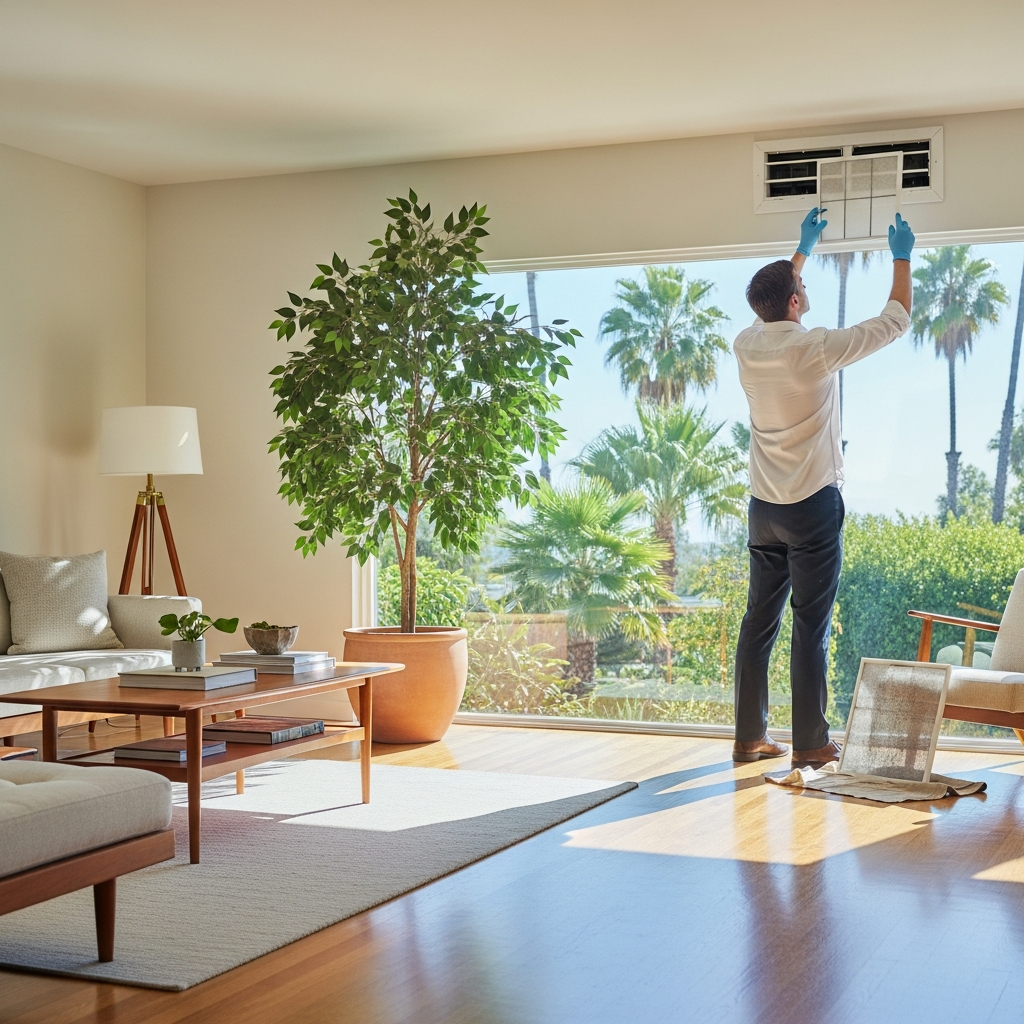
Understanding Beverly Hills Climate and Why It Shapes Your AC Routine
When people picture Beverly Hills, they imagine sunlit streets framed by palm trees and immaculate gardens, and as locals we know that picture is largely true for much of the year. But the way the weather works here—warm, dry summers, cool marine layers that sneak in from the Westside, and the occasional blast of Santa Ana winds—means your air conditioning system faces a very specific set of demands. Thoughtful attention, steady habits, and an eye for detail will keep it running gracefully from spring’s first warm afternoons to those late-October heat spikes that surprise even long-time residents. If you are just getting started or looking to upgrade your routine, this guide gathers practical, field-tested advice tailored to our neighborhood’s homes, from canyon properties with higher dust loads to shaded flats where tree pollen and irrigation mist can influence airflow and indoor humidity. To make professional upkeep effortless, it helps to know where to turn and what to ask for, and many residents begin by exploring trusted local options for air conditioning maintenance that are attuned to Beverly Hills homes and the way we live in them.
Success with maintenance here is about timing and subtlety as much as it is about checklists. The timing matters because the first warm day of spring is not when you want to discover a clogged condensate line, and the subtlety matters because so many Beverly Hills residences blend design and performance. Rooftop packaged units tucked behind parapets, condensing units masked by hedges along side yards, or split systems serving additions and guest suites can all work masterpiece-level comfort, but only if they receive the quiet, attentive care they deserve. With that lens, the techniques below build a year-round habit that respects both your home’s architecture and the realities of our climate.
Focus on Clean, Consistent Airflow First
Everything starts with airflow. In the Beverly Hills Flats, where jacaranda and ficus line the streets, airborne pollen and tiny leaf fragments are part of the environment. In properties up Benedict Canyon or Coldwater Canyon, summer dust and fall debris ride the winds and settle everywhere. This natural material tends to gather first at return grilles and filters, then on evaporator coils if filters are overdue. Your first line of defense is checking filters regularly and replacing them before they visibly overload. That alone protects the coil, preserves efficiency, and prevents the musty smells that sometimes start in overworked systems. If your home includes museum-quality finishes, you already know how much dust control matters; similarly, for your AC, reducing airborne load with the correct filter helps the system breathe with ease and keeps static pressure levels near design targets.
Choosing the right filter for your system is not a one-size-fits-all decision. Homes near Wilshire or Sunset corridors where traffic particulates are higher can benefit from filters engineered for finer capture, while larger estates with multiple return pathways might prefer a slightly less restrictive filter that still catches the majority of debris without overburdening the blower. Changing filters at appropriate intervals is a habit worth calendaring, especially before the first true heat wave. That way, the home begins the high-demand season with clean airways and a balanced flow profile, minimizing hot spots and whispering quietly from registers the way a well-tuned system should.
Keep Outdoor Units Unobstructed and Gracefully Hidden
We love our hedges in Beverly Hills, and we love quiet. Many homeowners plant dense greenery to screen condensers for aesthetics and sound. That approach works beautifully, but only when the units retain adequate breathing room. As a rule of thumb, give the condenser space equal to its manufacturer recommendations on all sides, especially near the hot discharge side. Aim the drip irrigation carefully to avoid spraying dust and hard-water mist onto the coil, and trim foliage to preserve both intake and service access. If you are in Trousdale where equipment may sit on flat roofs, ensure that seasonal winds have not piled leaves in corners around the units. A clean, clear field lets heat dissipate freely and prevents nuisance shutdowns on the hottest afternoons.
It also pays to look at the base beneath the outdoor unit. Over time, pads can settle slightly or shift with small ground movements, and that can place torque on line sets or create vibration noises that carry into quiet rooms. A quick visual check of the pad’s level, the integrity of rubber isolation mounts, and the anchoring against rattles will keep the sound profile refined. For those who treasure backyard serenity, that stability is an elegant maintenance move you can actually hear—or rather, not hear—every evening.
Mind the Condensate: Small Lines, Big Responsibilities
Our dry summer air means your AC can pull a surprising amount of moisture from indoor spaces during shoulder seasons, particularly in homes with frequent entertaining and open doors to patios and pools. That moisture exits through the condensate line, and this simple pathway is a frequent trouble spot. Algae growth thrives when irrigation overspray keeps the exterior termination damp or where shaded runs stay cool and wet. A preventive flush before each summer reduces the risk of clogs, and adding proper slope and cleanout points during any system upgrades will pay dividends. If your home has decorative ceilings or paneling, consider a float safety switch in the secondary drain pan; this device interrupts operation when water is detected, preventing a mess and calling attention to a blockage before finishes are affected.
Because many Beverly Hills homes feature finished attics or tight mechanical closets, it is worth confirming that insulation sleeves on condensate lines are intact and that the line routes do not rest against materials that could absorb moisture. Simple insulation and thoughtful routing protect both performance and finishes, and they help keep relative humidity inside comfortable without running the system harder than necessary.
Respect the Ducts: Hidden Highways of Comfort
Ductwork in Beverly Hills runs through a fascinating cross-section of building styles, from midcentury flat roofs to Spanish tile attics and 1990s remodels with complex chases. Duct integrity is about quiet, balanced airflow and clean delivery. If you notice a room that is always warm while its neighbors are cool, suspect either a damper position out of alignment or leakage along a return or supply branch. Periodic inspection for loose connections at plenums, torn insulation wraps, or kinks where attic storage presses on a flexible run can restore the harmony you remember from move-in day. In older homes, sealing and modest rebalancing can make a dramatic difference without altering architectural features. The goal is comfort that feels even and unobtrusive, so that entertaining friends or winding down with family never involves a tug-of-war with a thermostat.
Duct cleaning, when it is truly needed, must be performed with a gentle touch and the proper equipment to avoid disturbing materials or creating dust where there was none. Rely on technicians who understand both building age and the type of ductwork in your home. It is not a task you do often; rather, you do it properly and with respect for the system, so the improvement lasts.
Balance Thermostat Strategy with Real-World Living
Smart thermostats are now a common sight, and Beverly Hills homeowners make excellent use of them to manage comfort between daytime routines and elegant evenings. The key is to set schedules that reflect how you actually live. If you’re often out mid-day but host dinners at sunset, create a ramp that begins cooling earlier to avoid rushing the system at six o’clock. In multi-zone homes, let guest suites track a softer schedule unless occupied. Avoid extreme set points that chase quick swings; steady, incremental adjustments will usually yield quieter operation, better dehumidification, and a calmer feel throughout the living spaces. If your home includes radiant heat or separate air handlers for different wings, be mindful of how those systems interact so you are not cooling one wing while residual heat from another is drifting into shared spaces.
Pay attention to where the thermostat sensors reside. Direct sunlight through a window, a nearby lamp, or even a decorative register can trick readings and cause the system to misbehave. In a few carefully chosen cases, relocating a thermostat or adding a remote sensor can smooth out performance without any other change to the system, especially in larger homes where one thermostat previously tried to represent a varied set of rooms.
Plan Preseason Checkups Like You Plan Events
In Beverly Hills, we plan ahead. Just as a dinner party requires a caterer’s calendar, so does summer comfort require a well-timed professional visit. Book a spring maintenance appointment before calendars fill across the city. A seasoned technician will clean indoor and outdoor coils, confirm refrigerant charge is within design parameters, test electrical components, verify blower wheel cleanliness, measure temperature differentials across the coil, and ensure safety devices are functional. These steps refine performance and uncover items that benefit from correction well before they have a chance to affect your day-to-day life. Mid-season, a light visual check and filter refresh keeps everything humming, and a fall pass after the heat breaks puts the system to bed in top shape.
For homeowners with multiple systems—main house, guest house, and perhaps a gym or studio—scheduling maintenance in a sequence helps balance demand and makes it easier to notice if one area feels off. It also gives you a predictable rhythm of care that aligns with landscaping, pool maintenance, and other home services. And if you prefer not to manage that calendar yourself, local maintenance providers can take the lead and deliver reminders at the right moments, ensuring that each piece of equipment receives expert attention without a second thought on your end. In the heart of the season, if you prefer to keep things simple, you can also explore trusted options for midyear air conditioning maintenance that fit between travel plans and social events.
Protect Against Power and Weather Quirks
While our city enjoys reliable utilities, hot spells can bring brief outages or voltage dips. Your AC’s electrical components—contactors, capacitors, and control boards—appreciate stable power. Surge protection and verified grounding reduce wear. After an outage, give the system a few minutes before restarting to let pressures equalize, especially on older compressors. Likewise, Santa Ana winds can deliver dust in hours that would ordinarily take weeks to collect. After such events, a quick exterior inspection to brush away debris from condenser fins and a glance at filters can restore airflow. If you live in a home perched above the canyon with panoramic views, the wind load may be stronger; secure panels and ensure that service doors on condensers latch firmly to avoid rattles and air leakage.
Even the calmest weeks produce subtle changes around a home. Automatic gates and garage doors can redirect air currents across side yards where condensers sit, and seasonal gardeners may place tools near equipment pads without realizing access is needed. A short walk-through now and then keeps the service corridor clear and reduces the chance of accidental bumps to refrigerant lines or disconnect boxes.
Treat Indoor Air Quality as Part of Maintenance
While filtration plays a leading role in maintenance, indoor air quality encompasses more. Beverly Hills occasionally feels the effects of regional wildfires, and on those days, keeping windows closed and ensuring filters are fresh matters. If your system supports higher-efficiency filtration and the blower is properly sized, upgrading filter media can be sensible during fire season. Consider runtime strategies that maintain gentle circulation even when active cooling is not required, which helps pass air across filters and calms the indoor environment without chilling it uncomfortably. Humidity control is another underappreciated element; kitchens, baths, and laundry rooms can spike indoor moisture, and balanced ventilation solutions work harmoniously with AC to carry that load without overcooling living spaces.
Homes with collections—art, wine, instruments, and furnishings—benefit from more stable temperature and humidity profiles. Maintenance, then, is not just about parts; it is about preserving what you love in the home. A professional who understands these sensitivities will align system settings to protect materials while still making rooms feel naturally comfortable.
Know When to Call for Professional Help
The hallmark of a well-maintained system is silence, steadiness, and the invisible comfort we recognize only when it changes. If you hear a new sound, smell something unusual, or notice a room stepping out of line with the rest, consider that your system’s way of asking for attention. Early intervention keeps a small issue small. Beverly Hills homes often combine multiple systems and brands installed over years of remodeling. An experienced technician will read that story quickly, note the interplay between zones, and adjust maintenance accordingly. They will also respect the home, using protective coverings, managing dust, and communicating clearly about any simple homeowner tasks that support the broader maintenance plan. And if you prefer a white-glove, concierge approach, you can arrange recurring air conditioning maintenance that is discreet, well-documented, and aligned with your schedule.
Simple Habits to Keep Year-Round
Set reminders for filter checks. Keep an eye on outdoor clearances. Confirm thermostats and sensors reflect the spaces you actually occupy. Listen, briefly, at start-up for anything new. These are small, nearly effortless habits, and they position your home to glide through the warmest weeks with composed elegance. They also support sustainability by allowing equipment to run more efficiently, which is something many Beverly Hills homeowners value alongside comfort and design.
How often should I schedule professional AC maintenance in Beverly Hills?
For most homes, a comprehensive maintenance visit in spring and a lighter follow-up after peak summer works beautifully. If you have multiple systems or entertain heavily during hot months, additional mid-season attention can help. The goal is consistent performance during demand peaks and a confident wind-down when cooler evenings return.
What kind of air filter should I use?
Choose a filter that balances capture efficiency with airflow. In areas with higher pollen or traffic particulates, a higher-efficiency filter can be helpful if the blower can handle it. In larger homes with many returns, a slightly less restrictive filter may keep static pressure in check. Your technician can measure pressure drop and suggest the sweet spot for your equipment.
Is it safe to run the AC when there is wildfire smoke in the region?
Yes, provided windows are closed and filters are fresh. If your system supports it, a higher-efficiency filter during smoke events helps. Some homeowners run the fan in circulation mode to move air through the filter even when active cooling is minimal. Be sure to check filters more frequently after any extended smoke period.
What are the signs that something needs attention right away?
Watch for unusual noises at start-up, reduced airflow at some registers, water near the air handler, or warmer air than expected from supplies. A thermostat that consistently overshoots its set point is another clue. Prompt service preserves comfort and usually keeps the resolution easy.
Can thermostat settings really make a difference?
Absolutely. Gentle, anticipatory schedules typically deliver better comfort and quieter operation than large, sudden set point changes. In homes with multiple zones, coordinated schedules prevent systems from competing and create an even, pleasant climate across the home.
Do older Beverly Hills homes need different maintenance?
They often do. Legacy ductwork, unique architectural constraints, and blended systems benefit from careful inspections, targeted sealing, and balanced airflow adjustments. A technician experienced with our housing stock will tailor maintenance to the home’s story, not just its equipment label.
Ready to enjoy a cooler, quieter Beverly Hills home?
If you want a maintenance plan that respects your schedule, your finishes, and your expectations, connect with a local team that treats your home like its own. From spring preparation to quiet mid-season touchups and a smooth fall wrap-up, thoughtful care makes all the difference. Take the first step now by exploring trusted, neighborhood-focused air conditioning maintenance and relax knowing your system will be ready for every sunny day ahead.