
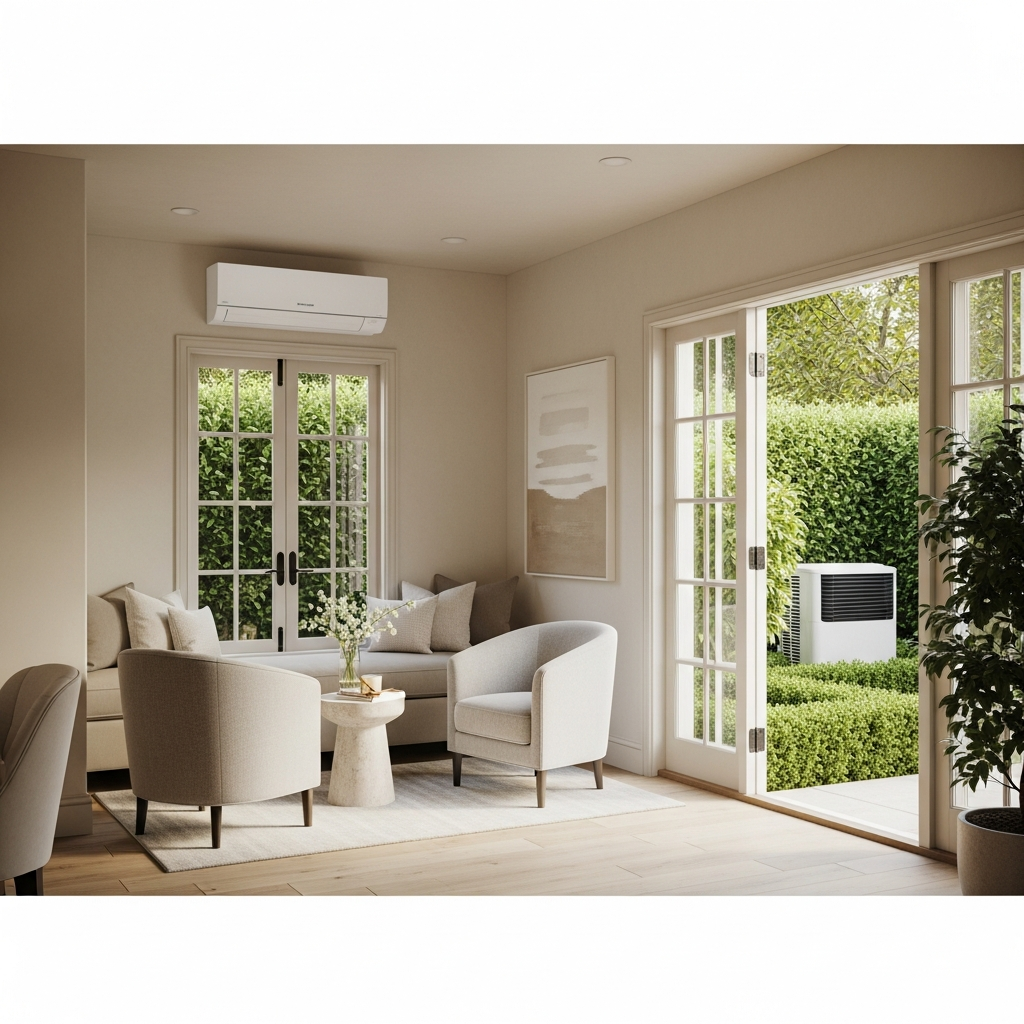
Across Beverly Hills, accessory dwelling units—guest houses, studios over garages, poolside suites, and private offices—have become graceful extensions of the way we live. They host visiting family, shelter creative work, and offer serene retreats just steps from the main home. Making those spaces truly livable through warm afternoons and cool evenings often comes down to the right cooling approach. Ductless systems, with their compact footprint and refined control, are uniquely suited to ADUs here. If you are curious about how a ductless path might serve your property’s air conditioning needs, a clear picture of design, placement, and daily use will help you move forward with confidence.
What sets ductless systems apart for ADUs is simple: they deliver targeted comfort without borrowing from the main home’s ductwork or compromising architectural character. Indoor units live where they serve best—high on a wall, recessed in a ceiling, or tucked in a soffit—while a compact outdoor unit sits quietly outside. The refrigerant lines between them are slender, the wall penetrations minimal, and the result is often faster, cleaner, and more flexible than alternatives that demand significant construction.
Designing for How the Space Lives
Every ADU tells a story. Some are sun-drenched studios where morning light inspires a workout or writing session; others are restful suites for grandparents who value quiet afternoons and early evenings. Before choosing equipment, map how the space lives. Where do you sit, sleep, and work? Which windows receive afternoon heat, and which corners gather cool morning air? Ductless design listens to these realities. A single indoor unit can serve a compact studio beautifully, while a one-bedroom cottage may deserve two units—one for the living area and one for the bedroom—so each zone feels effortlessly tuned to its purpose.
In ADUs with kitchenette nooks or pocket doors, airflow planning prevents temperature seesaws as you move through the day. Placing the indoor unit to wash conditioned air across the main area, then drift gently toward the sleeping zone, often delivers the most natural feel. This is design as choreography: not a blast of cold, but a quiet, even cool that supports whatever the space hosts next.
Aesthetics, Noise, and Neighborly Considerations
Ductless units have grown increasingly elegant. Wall-mounted models are slimmer and quieter than their predecessors, and ceiling cassettes vanish into the background. In ADUs attached to or near property lines, outdoor unit placement merits care. Tucked behind landscaping, set on a vibration-dampened pad, and given proper clearance, the equipment becomes practically invisible day to day. This matters not just for looks but also for the sonic environment; quiet operation is part of Beverly Hills’ charm, and well-chosen placement preserves it.
Inside, sound is similarly restrained when the system is sized and tuned correctly. Variable-speed operation means the unit often purrs at low levels, nudging the temperature rather than hammering it. Guests and tenants alike appreciate that subtlety. They can sleep, work, or host a conversation with the system humming so gently it becomes part of the room’s calm.
Control, Schedules, and Smart Living
One of ductless cooling’s strengths is individualized control. A guest arriving from a cooler climate can set their suite to feel familiar, while the home office can favor a slightly different balance to keep focus sharp during long afternoons. Simple remotes work well, and many modern systems offer app-based control that aligns with the rest of your home’s smart rhythm. For owners who manage ADUs as rentals, remote visibility is invaluable. You can confirm the system is off between guests, prepare the space before arrival, or nudge settings during a heat wave to maintain comfort subtly and responsibly.
Schedules should mirror the space’s life. In a studio used for creative work, a gentle morning ramp and a midday maintain mode keep the room even, saving the higher fan speeds for brief refreshes. In a guest suite, a quiet evening setpoint paired with a low fan ensures restful sleep. These small choices make the system feel as though it has always belonged to the space.
Installation Pathways That Respect the Property
Installing ductless in an ADU is a study in light touch. The best routes for refrigerant lines are those that disappear: down a corner that already holds a shadow, behind a trellis, or tucked neatly along an eave. Penetrations are sealed cleanly, linesets are insulated and protected, and outdoor condensate management is routed to avoid visible staining or drips. For detached ADUs with limited utility corridors, planning the path early—before cabinetry is finalized or landscaping matures—ensures a finish that looks intentional rather than improvised.
Electrical considerations are straightforward when coordinated early. A dedicated circuit, properly sized, protects both system and structure. In some cases, surge protection is included to guard sensitive electronics. While permits and approvals vary, a professional familiar with Beverly Hills requirements keeps paperwork tidy and schedules aligned, minimizing interruptions to the project flow.
Performance in Our Microclimate
Beverly Hills experiences broad daily swings: cool mornings in the canyons, warm afternoons along sunlit boulevards, occasional dry winds, and calm summer nights. Ductless systems thrive in that variability. Their ability to modulate output delivers a steady cool without the abrupt swings common to older systems. In well-insulated ADUs, the result is a room that simply feels right—no draft, no hum, no drama—just a backdrop that supports the way you live and host.
For ADUs with generous glass or western exposures, shading and film can complement the system’s work. Thoughtful envelope improvements reduce spikes in afternoon load, allowing the ductless unit to maintain grace even during the brightest hours. These are optional enhancements, but they pay back day after day in serenity.
Maintenance That Protects Serenity
Care is simple and rhythmic. Filters are easy to access and clean, and a gentle wipe keeps the indoor unit’s intake crisp. Outdoor coils appreciate seasonal attention to leaves or dust, particularly after windy spells. A light tune-up—checking refrigerant levels, electrical connections, and condensate paths—ensures that the system remains as quiet and responsive as the day it was installed. For owners who are away part-time, a scheduled maintenance plan coordinated with a trusted local partner keeps the ADU ready without occupying your thoughts.
Tenants and guests benefit from a brief orientation: where the remote lives, which settings feel best for sleep, and how to switch from cooling to simple fan circulation when nights grow milder. These tiny tutorials transform the system from a mystery into a friendly presence.
Flexibility for Evolving Uses
ADUs evolve. A guest suite might become an office; an office might become a long-term rental; a rental may return to family use. Ductless systems adapt naturally. Adding a second indoor unit later, or shifting the focus of an existing one, is far less intrusive than reworking duct trunks. This agility protects the ADU’s role in your life without tethering it to yesterday’s assumptions.
For multi-room ADUs, multi-zone configurations allow shared outdoor equipment to serve multiple indoor units. Each room listens to its own thermostat while benefiting from a single, discreet outdoor presence. This is harmony: individualized comfort without equipment sprawl.
Working With Trusted Professionals
Choosing and installing ductless is only partly about hardware; the rest is craft. A local professional brings knowledge of property lines, noise expectations, and finishes typical to Beverly Hills ADUs. They collaborate with landscape designers, electricians, and carpenters when needed to ensure the final look belongs to the property. Discretion is part of the service: tidy work areas, respectful communication, and a finish that requires no explanations.
During design, expect candid guidance about placement, capacity, and control options that fit your goals. You should leave the conversation understanding how the system will feel in daily use and how it will look from important vantage points—inside and out. That shared vision prevents surprises and accelerates the path to comfort.
Frequently Asked Questions
Is a single indoor unit enough for my ADU? For compact studios, often yes. For one-bedroom layouts or ADUs with strong sun exposure, a second unit can create a calmer, more even environment, allowing each zone to rest at its ideal setting.
How quiet are ductless systems? Very quiet when properly sized and installed. Variable-speed operation allows gentle, continuous cooling that becomes a soft background presence rather than a noticeable on-off cycle.
Can I control the ADU’s cooling remotely? Many systems offer app-based control that lets you prepare the space before arrival, verify settings between guests, or make small adjustments during a heat wave. It is a simple way to extend hospitality and protect the space.
Will the installation be noticeable on the exterior? With good planning, very little. Lines can be routed discreetly, outdoor units can be tucked behind landscaping, and finishes can be matched to the property so the system belongs visually.
What care does a ductless system require? Regular filter cleaning, seasonal checks of outdoor clearances, and a periodic professional tune-up keep performance steady. The routine is simple, quick, and respectful of your time.
Is ductless suitable for rentals? Absolutely. Individualized control reduces thermostat battles, and remote visibility helps owners manage comfort responsibly between stays. Tenants appreciate quiet, responsive cooling that feels tailored.
Give Your ADU the Comfort It Deserves
If your ADU is ready for a cooling solution that matches its purpose and polish, ductless brings quiet confidence to the space. With thoughtful design and discreet installation, comfort becomes the unspoken luxury your guests, tenants, or family will notice from the first step inside. When you are ready to explore options or begin planning your ADU’s air conditioning, reach out to a trusted local partner and take the easiest step toward year-round ease.