
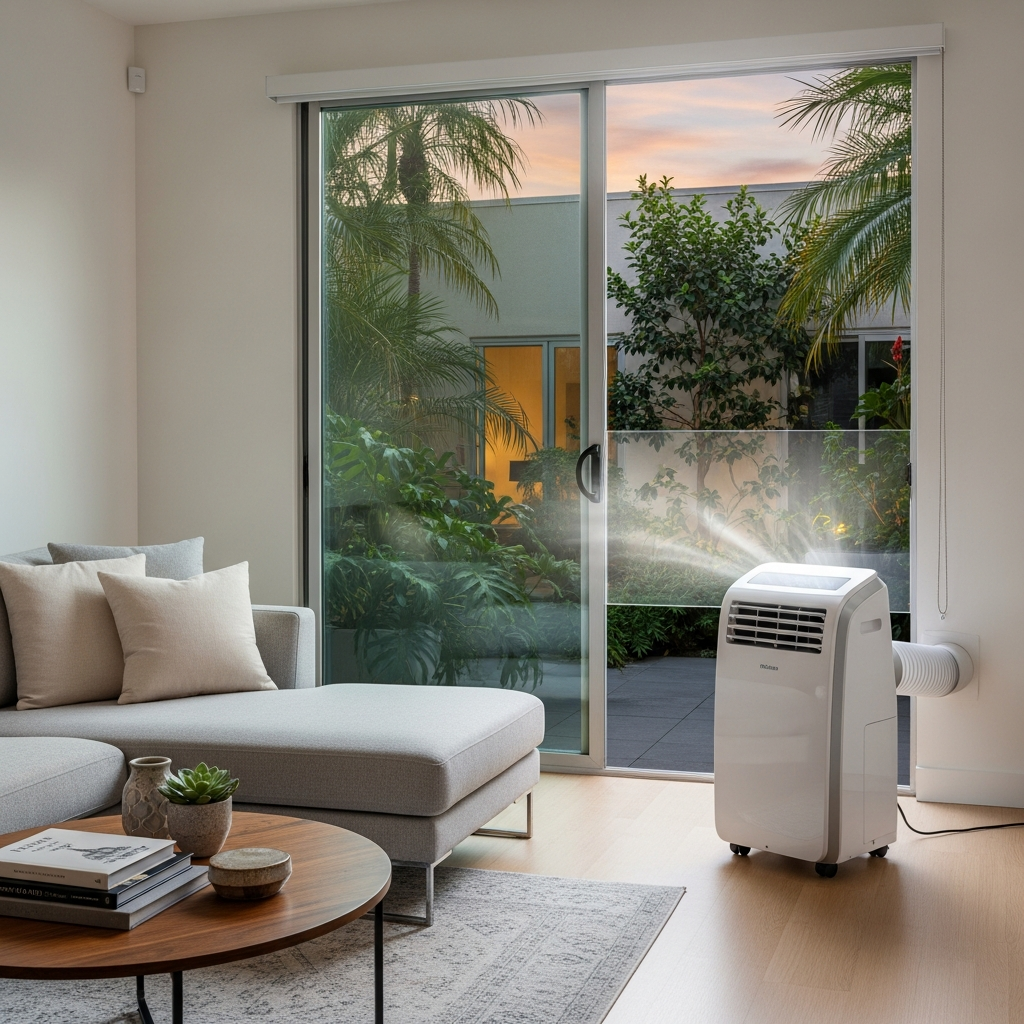
Apartment living in Beverly Hills carries its own kind of elegance: light-filled rooms, leafy courtyards, and views that change with the late afternoon sun. Yet when warm days stretch on, cooling can become the detail that defines your comfort. For many renters and condo owners, portable air conditioning offers a nimble way to create a calm interior without changing the bones of the space. Choosing well, positioning thoughtfully, and living with the unit gracefully are the keys to feeling at ease all season. If you are just beginning to explore the world of air conditioning for an apartment, a clear understanding of how portable units behave in our local context will serve you beautifully.
Unlike built-in systems, portable units promise flexibility: they roll into place, vent through a window kit, and can be stored when cooler weather returns. That flexibility, however, does not excuse poor planning. The difference between a unit that labors noisily and one that settles into quiet, steady cooling is attention to details such as window orientation, room layout, and the pathways air prefers to take. Beverly Hills apartments range from vintage buildings with charming casement windows to modern spaces with expansive glass, so the conversation begins with your windows—how they open, how they seal, and how the vent kit can blend without fuss.
Understanding How Portable Units Cool
Portable units remove heat from indoor air and reject it outdoors through an exhaust hose. The window kit is the bridge that makes this possible, and a good seal around it is everything. In older buildings with character-rich frames, a bit of patience—gentle weatherstripping, careful adjustment of the kit’s panels—pays dividends. In newer construction with tight seals, the task is simpler, but care is still needed to avoid gaps that invite warm air back in. With a clean exhaust path and a room that is reasonably closed, the unit can perform quietly and effectively.
There are two common styles: single-hose and dual-hose. While we will skip the technical debate, it helps to know that dual-hose models manage indoor pressure more gracefully in tightly sealed apartments. The key, regardless of style, is to choose a unit proportionate to the space. Oversized units tend to short-cycle and may never quite dry the air, leaving rooms that are cool yet clammy. Right-sized units operate at a steady, lower intensity that feels calmer and more natural.
Placement, Flow, and Everyday Living
Placement is often half the battle. The unit needs enough space behind it to breathe, a short, gently curving path for the exhaust hose, and a position that does not cross swords with your furniture layout. Angling the unit so that cool air moves toward your primary seating or sleeping area prevents cold spots near the device and warm pockets elsewhere. If the apartment has an open plan, consider how you actually live—perhaps the cool focus belongs near the kitchen in the late afternoon and closer to the sofa in the evening. A small shift in placement can deliver outsized gains in comfort.
Cord and hose management also shape the lived experience. Tidy routing along baseboards, avoiding tripping paths, and choosing a discreet color for the window kit panel keep the eye focused on the room, not the equipment. Where possible, use a single dedicated outlet for the unit to prevent nuisance trips and to maintain a reliable power supply during peak hours.
Noise, Vibration, and Neighborly Courtesy
Portable units are louder than most built-in systems, but they can coexist peacefully with a quiet lifestyle. Solid footing reduces vibration noise; a slim isolation pad or even a well-placed rug can absorb a surprising amount. Closing a door to a hallway at night can redirect sound away from sleeping areas. In buildings with strict quiet hours, running the unit in a steady, low fan mode before bedtime can pre-cool the space so nighttime operation is gentler. Communication with neighbors also goes a long way—many of us appreciate the heads-up that a temporary solution is in place for the season.
Window placement matters for outdoor tranquility too. If the exhaust vent faces a courtyard, keep it neat and secure so it does not rattle or clatter on breezy evenings. Simple attention to these small details protects the harmony of shared spaces, something Beverly Hills residents value deeply.
Managing Moisture and Keeping Air Fresh
Alongside cooling, portable units manage moisture. Some evaporate condensate out the exhaust, while others collect it in a reservoir that needs occasional emptying. Learning your unit’s rhythm is important. Emptying the tank proactively prevents mid-movie surprises or overnight shutoffs. For apartments that gather more humidity—perhaps a top-floor unit that gets generous afternoon light—modest use of the dry mode during the day can support a crisp, pleasant feel in the evening without overcooling.
Filter care is equally vital. Dust from courtyard landscaping, pollen on breezy days, and household activity add up. A quick rinse or replacement on schedule keeps airflow healthy and reduces strain on the device. It is a small habit with a huge impact on both comfort and the unit’s overall health across the season.
Compatibility With Building Rules and Aesthetics
Before you bring a unit home, review building guidelines. Many associations allow portable solutions but appreciate discretion: tidy window kits, contained condensate, and safe routing of cords. In buildings with historical façades or prized street fronts, an interior-facing window is often the better choice for venting. For condos, a respectful heads-up to the HOA or property manager reinforces trust and avoids misunderstandings later.
Aesthetics matter, and portable options have come a long way. Units now present slimmer profiles, softer edges, and neutral colors that blend with modern and vintage interiors alike. With thoughtful placement, a portable can recede into the narrative of the room, functioning quietly as a seasonal companion rather than a visual interruption.
When a Portable Is the Best Fit—and When It Isn’t
Portables are at their best in targeted roles: bedrooms, home offices, or main living areas where you spend the most time. They shine when a lease or HOA rules limit permanent changes, or when you need a fast solution during a particularly warm stretch. They are not ideal for cooling entire large apartments with multiple rooms unless you are willing to move the unit strategically and close doors to guide airflow. In some layouts, a second unit may be sensible, but that decision should follow lived experience with the first—let the home tell you where cooling is truly needed.
For renters who love to entertain, a portable can be a strategic ally. Pre-cool the space before guests arrive, then let the unit hum along at a low, steady setting. The room will feel poised rather than reactive, conversation will carry easily, and the device will remain an unobtrusive partner to the evening.
Energy Savvy and the Feel of the Air
Comfort is not solely a matter of temperature. Gentle air movement, consistent humidity, and the absence of hot pockets create a sense of well-being that a thermostat cannot fully capture. Aim for steady operation rather than dramatic swings. Use shades or curtains during the hottest hours to reduce solar gain, and place the unit so it does not blow directly onto sensitive artwork or delicate plants. These careful choices protect the character of your home while keeping it a haven on warm days.
Modern portables offer timers and simple scheduling that can align with your daily flow. Starting the unit a little before you return, then easing into a maintain mode for the evening, delivers a quietly consistent environment. It is the difference between wrestling with heat each night and arriving to a space that seems to welcome you home.
Maintenance Without the Fuss
Living well with a portable means keeping maintenance simple and predictable. Know where the filters live, how the condensate is handled, and the gentle cleaning steps that keep the unit efficient. Wipe dust from the intake grilles, ensure the exhaust hose remains smooth and free of kinks, and check the window kit after a windy day. These are minutes-long habits that pay you back every time you turn the unit on.
At season’s end, clean and dry the unit thoroughly before storing. A crisp, dry interior prevents off-season odors and means your first day of next summer starts fresh. Coil the hose loosely, tuck small accessories into a labeled bag, and slide the unit into a closet where it will not be bumped. Good storage is the quiet promise of easier comfort next year.
When to Consider Alternatives
Sometimes the best answer is a different path. If your apartment allows a window unit and your windows accommodate it safely, that can be a quieter or more robust choice for certain rooms. If your building permits a small ductless system and you plan to stay for years, that investment might deliver the most graceful blend of quiet, aesthetics, and performance. Thoughtful consultation will help you understand what your space allows and what your lifestyle prefers.
Even if you start with a portable, keep an open mind. As you live with the unit, you will learn where heat collects, how sun and shade shape your days, and what matters most to your comfort. Those insights translate beautifully into longer-term solutions if and when you decide to explore them.
Frequently Asked Questions
Will a portable air conditioner cool my entire apartment? It depends on the layout and size. Portables excel in single rooms or contiguous areas. For multi-room apartments, closing doors to guide airflow or relocating the unit selectively can help, but whole-home cooling may require alternatives.
Are portable units allowed in Beverly Hills apartments and condos? Often yes, but check your lease and HOA guidelines. Many buildings permit them with conditions: tidy window kits, secured hoses, and discreet placement are common expectations.
How loud are portable units? Louder than built-in systems, but thoughtful placement, solid footing, and steady operation at lower settings keep sound in the background. Pre-cooling before quiet hours can reduce nighttime noise.
What about condensation—will I need to empty a tank? Some units evaporate moisture out the exhaust, while others collect it. Learn your model’s routine. Empty proactively to avoid mid-sleep shutoffs and to keep performance steady.
Do I need a dual-hose model? Dual-hose designs often maintain room pressure better in tightly sealed spaces, though well-chosen single-hose units can perform nicely. The key is proper sealing and right-sizing for the room.
Can I move the unit between rooms? Yes, within reason. Plan hose routing and window kits for the rooms you use most. Some residents purchase a second inexpensive window kit to simplify moves between a living area and a bedroom.
How can I make a portable look less intrusive? Choose a neutral finish, keep cords and hoses tidy, and place the unit where it serves the room without sitting center stage. A discreet window panel blends the setup into the background.
Make Your Apartment a Haven This Season
If your Beverly Hills apartment feels just a bit too warm as the day unfolds, a portable unit can offer a calm, practical lift. With smart placement, gentle maintenance, and respect for building guidelines, it becomes a seasonal companion that enhances rather than interrupts your life. When you are ready to explore the broader world of home air conditioning, or simply want help choosing wisely for your space, reach out and step into a cooler, quieter rhythm.