
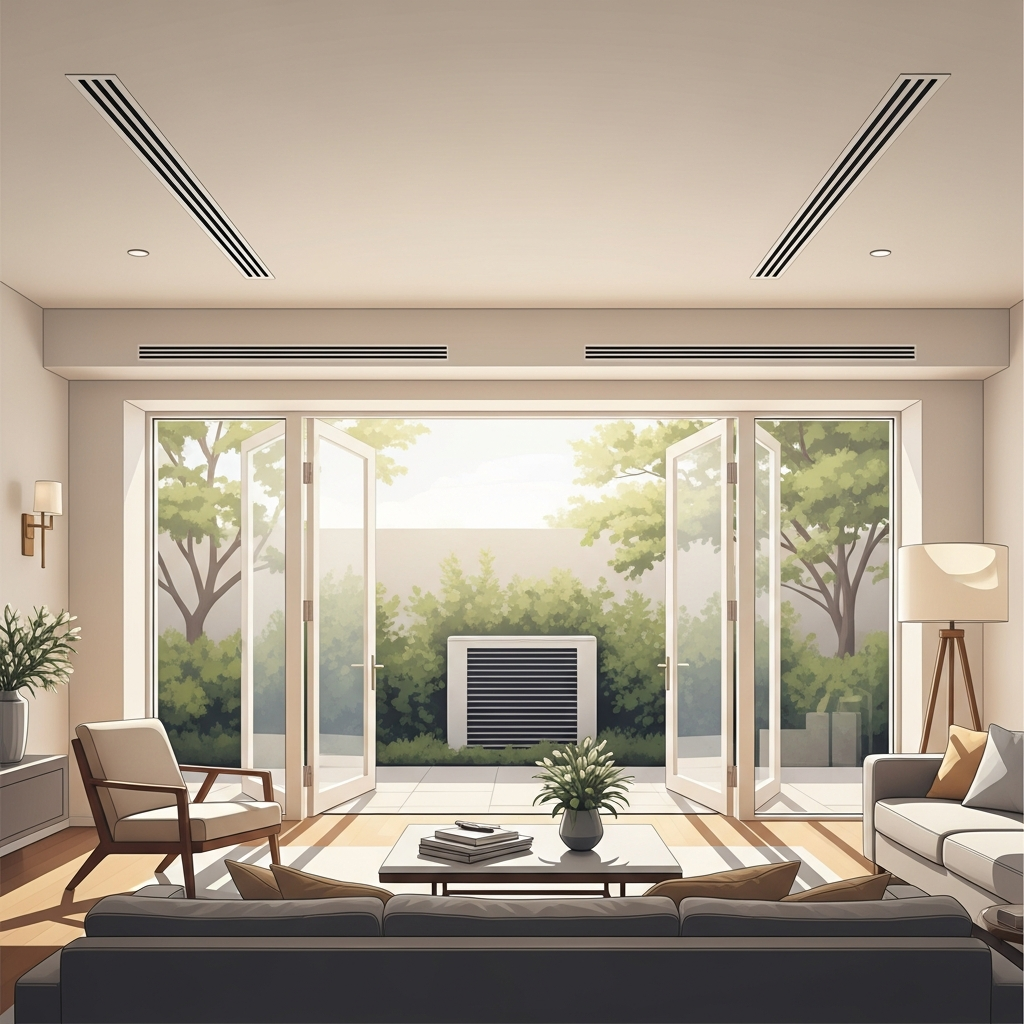
Choosing the best air conditioning system for a Beverly Hills home is less about a single headline feature and more about harmony—quiet performance, refined aesthetics, and effortless control that blends with the life of the house. From the shaded canyons to sunlit streets below, each neighborhood brings its own microclimate and design language. A system that feels extraordinary here does not draw attention to itself; it simply makes rooms feel naturally cool, evenly balanced, and ready for whatever the day brings. If you are beginning to explore options and want a grounded reference on air conditioning, the path forward is simpler than it looks.
For many homes, the conversation begins with architecture. Classic Spanish Revival residences with thick plaster and intimate rooms invite a ducted solution that respects original lines. Mid-century homes with open volumes thrive on gentle, even airflow that preserves serenity. Newer builds, often with larger glass expanses and flexible living spaces, ask for zoning that can respond to sun and shade shifts throughout the day. The best system is the one that shapes itself to these realities, not the other way around.
Quiet Comfort as a First Principle
Noise is a crucial metric in Beverly Hills, where quiet is part of the luxury experience. The ideal system fades into the background. Variable-speed compressors and modulating fans are key here: they run longer at lower intensities, trimming temperature swings and reducing the start-stop hum that defines older systems. Indoors, a well-designed air handler paired with thoughtful duct strategy softens airflow at the supply, so the sound you notice is the mood of the room, not the machinery behind it. Outdoors, proper placement, secure mounting, and landscape-aware clearance support both performance and neighborhood harmony.
Beyond the mechanics, noise management is an art. In homes with long runs to a guest wing or a studio over the garage, diffusers and returns are selected to match both acoustics and aesthetics. Slightly larger ducts can lower velocity and hush airflow without sacrificing comfort. These are the details that distinguish a system that merely cools from one that makes living more pleasant.
Efficiency, Responsiveness, and the Feel of the Air
Efficiency is more than a score on a label. In our climate, the system’s ability to hold steady temperatures across mild mornings and warm afternoons matters just as much. Variable capacity shines here, allowing the system to sip energy during calm periods and scale gently as the sun arcs higher. The subjective feel of the air—the absence of drafts, the way a room settles into a quiet cool—comes from this measured response. It is why the best systems are often the ones you forget exist.
For households that entertain frequently or shift room usage seasonally, zoning is the backbone of responsiveness. By giving distinct areas their own setpoints and schedules, a single system can live multiple lives throughout the week: focused on the kitchen and family room on a busy evening, then tuned for tranquil bedrooms at night. When designed thoughtfully, zoning avoids the pitfall of overcomplication; it becomes the natural extension of how you already live.
Ducted, Ductless, and Hybrid Paths
The choice between ducted and ductless is not binary; many Beverly Hills homes benefit from hybrids. A primary ducted system may serve the main living areas with quiet, even coverage, while a ductless unit solves a specific comfort challenge: a studio above the garage, a sunroom, or an exercise space with unique airflow needs. Ductless options today are elegant and compact, with indoor units that range from minimalist wall mounts to concealed ceiling cassettes that preserve lines and finishes.
In homes with strict architectural preservation or limited space for new ductwork, high-velocity small-duct systems thread through existing structures with minimal disruption, delivering an understated finish. The magic is not just in the equipment but in the design: where returns are placed, how supply air diffuses, and how the system modulates under partial loads. Good design turns constraints into comforts.
Integration With Smart Living
Control should be intuitive. The best systems integrate with modern platforms without forcing you into a single app or rigid routine. Schedules that mirror your day, gentle setbacks at night, and occupancy-aware adjustments reduce wasted effort while keeping rooms at their best. If you prefer to forget about settings altogether, geofencing or scene-based control can quietly take over, preparing the home for your arrival and easing into evening comfort without fanfare.
With integration comes responsibility: settings must play well with motorized shades, whole-home audio scenes, and lighting that sets the tone for a dinner party or a quiet movie night. A local pro who understands these ecosystems designs not just the cooling system but the way it breathes with the home. The result is simple: you interact with comfort when you wish, and otherwise the house takes care of itself.
Aesthetics and Placement
Beauty matters. Vents, grilles, and indoor units should complement architecture, not interrupt it. In restorations, custom diffusers match existing metalwork. In contemporary spaces, slim linear slots disappear into shadow lines. Outdoor equipment sits discreetly behind hedges or architectural screens, always with proper clearance for performance and service. Thoughtful placement preserves sightlines from key rooms and patios while safeguarding service access so that routine care remains easy and quiet.
In high-finish interiors, condensate management is designed with redundancy and monitoring in mind. Pan sensors, thoughtful routing, and service-friendly cleanouts protect wood floors and custom cabinetry. These features rarely draw attention, yet they are integral to the confidence you feel as seasons shift.
Resilience and the Long View
The best systems are built for longevity and graceful aging. Quality components, gentle operation, and steady maintenance extend life while preserving efficiency and quiet. In a region where occasional power events are a reality, considering surge protection and, in some cases, backup power strategies for critical spaces adds resilience. None of this demands drama; it merely asks for foresight in design and installation so the home remains comfortable even when the day is less than ordinary.
Equally important is the maintenance path designed into the system. Panels that open cleanly, filters that are accessible without disturbing finishes, and clear service clearances make tune-ups swift and unobtrusive. This is design as hospitality—for both the homeowner and the technicians who care for the system over time.
Special Considerations for Hillside and Estate Properties
Larger homes and hillside lots present unique airflow and zoning challenges. Long duct runs may benefit from thoughtful staging to maintain balance at the farthest rooms. Guest houses and studios often deserve semi-independent control that can remain dormant when not in use and spring to life with quiet confidence when needed. Pool houses, exercise rooms, and home theaters each carry their own cooling signatures, and a system that acknowledges those differences will feel tailored rather than generalized.
Estate properties also raise questions of access and discretion. Equipment may live in service corridors, rooftop enclosures, or carefully screened mechanical yards. The best systems are designed and installed to be nearly invisible in daily life, yet easily accessible for the rare moments they need attention. That is the equilibrium we aim for: beauty when you look, calm when you listen, and comfort when you live.
Mid-Project Decisions and Honest Guidance
As homeowners explore options, a mid-project conversation often clarifies priorities: absolute quiet, minimal visual footprint, or the flexibility to expand later. A trusted advisor will translate those goals into system choices and layout specifics, and will explain tradeoffs without jargon. When comparing paths, it helps to anchor decisions in how you use the home: which rooms host mornings, where evenings gather, and how weekends flow when friends or family visit. From there, the best solution usually reveals itself with surprising ease.
When you want a reality check on features and fit, tapping into local expertise on air conditioning ensures the short list you consider is worthy of your home. The right system is not defined by a brochure; it is defined by the way you feel stepping from room to room, day after day.
Installation Craft and the Finishing Touch
Even the most capable equipment falters without careful installation. Seal integrity, precise refrigerant charging, balanced airflow, and verified controls distinguish great outcomes from acceptable ones. In Beverly Hills, that craftsmanship also includes the social graces of working in refined spaces: protecting stone thresholds, moving quietly, and collaborating with other trades if the project is part of a broader renovation. The final walkthrough should feel like unveiling a quiet ally, not introducing an intrusive machine.
Once the system is live, expect a calm orientation: how to use the controls easily, what to listen for in the first week, and whom to contact with questions. Good teams follow up after a few days to confirm that the home feels as intended, making small adjustments if needed based on your lived experience.
Frequently Asked Questions
What type of system is best for a classic Beverly Hills home with limited space for new ducts? High-velocity small-duct systems or discreet ductless solutions often shine here, preserving architecture while delivering even, quiet comfort. The right choice depends on room layout and finish priorities.
How important is variable capacity? Very. It allows the system to match output to the day’s needs, smoothing temperature swings and reducing noise. In our climate, that steady, low-intensity operation is a major contributor to the effortless feel of comfort.
Can I combine ducted and ductless approaches? Absolutely. Many homes pair a primary ducted system with targeted ductless units for spaces with unique needs, like studios or sunrooms. The result is tailored comfort without overcomplicating the main design.
Will a new system be compatible with my smart-home platform? With proper selection and setup, yes. Integration should be planned during design so thermostat behavior aligns with scenes, shades, and occupancy logic rather than competing with them.
What about indoor air quality? Filtration, thoughtful return placement, and balanced airflow contribute significantly. During design, you can also consider enhancements that support households with allergies or sensitivities, always with an eye toward quiet operation.
How do I keep the system looking discreet? Plan vent and equipment placement early, choose diffusers that match your aesthetic, and maintain landscape clearance around outdoor units while preserving sightlines. Craftsmanship and coordination are key.
Is there a best season to plan an upgrade? Many homeowners begin planning in cooler months to allow for design and coordination, then schedule work before the warmest stretch. That said, with good planning, excellent results are possible year-round.
Bring Quiet, Tailored Comfort Home
If you are ready to refine how your home feels—cooler where you gather, calmer where you rest, and seamless as you move—now is a graceful moment to explore options. With the right guidance, the best system becomes the one you hardly notice, except in the way it elevates every day. To begin a conversation or deepen your understanding of home air conditioning, reach out and take the next easy step toward effortless comfort.