
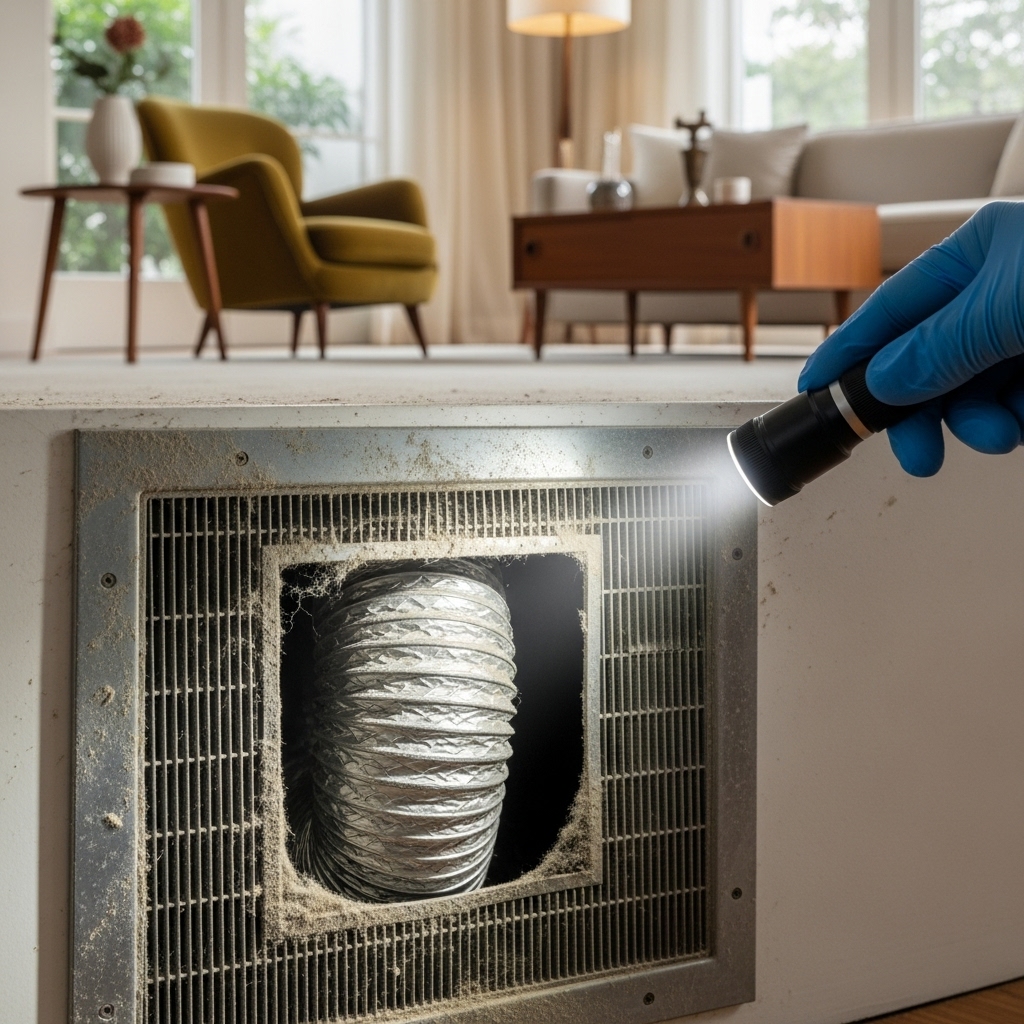
Every home tells a story through the way it feels at different hours of the day. In Beverly Hills, where architecture ranges from tranquil midcentury retreats to classic estates layered with history, those stories often include familiar comfort quirks. A bedroom that never quite cools, a home office that hums loudly when the air comes on, or a faint dusty scent when the system first starts—these are signals. Recognizing the difference between surface symptoms and structural duct issues is the first step toward meaningful, lasting comfort. Ducts are the hidden highways of your heating and cooling, and when they fall out of tune, the home broadcasts it in subtle and not-so-subtle ways.
Before diving into specific signs, it helps to think about how air is supposed to move. A well-designed distribution network delivers the right volume of air to each room, returns it quietly, and maintains a calm, even environment. When homeowners begin to explore solutions, the term duct replacement often surfaces alongside conversations about sealing, balancing, and filtration. The aim is not simply to swap parts; it is to bring the entire system back into harmony so that mornings feel fresh, afternoons stay steady, and evenings settle into the kind of quiet that makes a house feel like a refuge.
Uneven Temperatures That Defy the Thermostat
Perhaps the most common sign is inconsistency from room to room. You set the thermostat and still find a guest suite stubbornly warmer or cooler than the rest of the home. This may stem from crushed runs, undersized branches, or a return path that starves the system and forces air to take the path of least resistance. In multi-level properties, upstairs areas often reveal duct shortcomings when long runs lose energy or when supply and return aren’t balanced. Replacement becomes the right answer when reconfiguring branches and right-sizing returns will resolve the root of the problem rather than simply masking it with damper adjustments.
Excess Noise and Air Rush
Noise is more than an annoyance; it is feedback about airflow and pressure. A pronounced whoosh at registers or a dull roar when the system starts can indicate that ducts are undersized, constricted, or routed with too many tight turns. Bedrooms and home offices are particularly sensitive to this, as quiet is part of their function. New ducts designed with smooth transitions, long-radius fittings, and adequate return capacity often quiet a system dramatically. You do not have to accept living with noise just because you live with it now.
Persistent Dust and Odors
If you notice a dusty film reappearing on surfaces soon after cleaning, or detect a faint musty odor when the system cycles on, your ducts may be drawing air from places they shouldn’t. Gaps and deteriorated insulation can pull in attic or crawlspace air, carrying fine particulates or odors with it. Sealing can help if the materials are otherwise sound, but when interiors are degraded or sections are poorly supported, replacement allows for clean, tight runs that respect the boundary between conditioned and unconditioned areas. The difference can be immediate: fresher air at startup and fewer particles settling on furniture.
Rooms That Feel Stuffy or Hard to Refresh
Stuffy rooms often have inadequate return pathways, especially if doors are kept closed for privacy or security. A starved return side makes supply air louder and less effective. In some older layouts, returns are few and far between, relying on undercut doors instead of dedicated paths. When duct replacement is on the table, it’s an opportunity to create a balanced system: sufficient return capacity in the right places and supply runs sized to serve the room without turbulence.
Hot Equipment and Short Cycling
Your air handler and condenser communicate with the duct network constantly. When ducts impose too much resistance, equipment can run hotter and cycle more frequently than intended. Even if you do not check static pressure with instruments, you can feel the symptoms in abrupt on-off behavior and in a system that seems to be working harder than it should for the comfort it achieves. A redesigned distribution network that respects the equipment’s airflow needs supports healthier operation, which you experience as smoother, quieter comfort.
Visible Age and Wear
In attics and crawlspaces, time leaves clues. Insulation that flakes, interiors that discolor, or flexible runs that sag and kink are all signs of aging ductwork. Sagging creates hidden restrictions that starve rooms and increase noise. Kinks interrupt flow as surely as a sharp elbow. If visual inspection reveals a patchwork of materials from different eras—some metal, some aging flex, mixed sealing methods—it is a strong signal that a comprehensive replacement will do more than fix a few leaks. It will reset the system to a clean baseline.
Allergy Sensitivities and Wildfire Season
Many Beverly Hills residents are acutely aware of air quality, especially during wildfire events. Older, leaky ducts can bring outdoor contaminants into living spaces, undermining filtration at the air handler. If your household reacts to pollen or smoke, the integrity of your duct system is part of your wellness plan. Replacement, paired with appropriate filtration and a right-sized return, helps lock in clean air so that your home remains a refuge when the outdoor air is less forgiving.
Renovations That Changed the Way Your Home Breathes
When a home expands or changes purpose—an attic becomes an office, a garage becomes a gym—the duct system may not have evolved with it. Over time, minor adjustments can accumulate into mismatches between room needs and duct capacity. If you find yourself compensating with portable fans, space heaters, or frequently fiddling with thermostat settings, that is your home telling you the distribution no longer fits the space. A fresh design with new ducts is often the cleanest way to re-align comfort with how you actually live in the house now.
Testing Brings the Picture Into Focus
Good decisions start with good information. Airflow measurements at registers, static pressure readings across the system, and smoke tests at suspected leaks translate comfort complaints into specific causes. These diagnostics separate cases where sealing targeted sections will suffice from cases where the underlying layout or condition calls for a reset. When replacement is indicated, the measurements inform a design that corrects bottlenecks and smooths the path for air to do its job.
Design Details You Can Feel
When ducts are replaced with an eye for detail, the improvements are tangible. Long-radius elbows reduce turbulence, properly supported flex eliminates sags, and registers positioned to throw air across the room prevent stratification. Balanced returns make doors easier to open and close when the system runs, eliminating the telltale thump of pressure differences. These aren’t abstract ideas; they become the quiet comfort you notice when a movie night remains serene or when a guest remarks how restful their room feels.
Noise, Privacy, and the Character of Rooms
Bedrooms, library spaces, and home studios ask for restraint from the mechanical system. In these rooms, sound from registers can be as intrusive as a loud appliance. Replacement gives you a chance to shape the character of each room’s air delivery—softer flows where serenity is the goal, more vigorous delivery in kitchens and gyms. Careful return placement keeps hallways calm and prevents a rush of air that announces itself every time the equipment starts.
What to Expect During the Work
In occupied homes, the process is choreographed to keep life comfortable. Crews protect walking paths and finishes, complete sections in logical phases, and communicate which rooms are affected each day. If the project involves multiple zones, sequencing minimizes downtime for any one area. At the end, commissioning wraps the work with measurements and adjustments so that you move directly from construction into a home that feels consistent and calm.
When to Act
If you recognize several of these signs at once—uneven temperatures, noise, dust, and rooms that never feel quite right—the case for replacement strengthens. The decision is not about swapping tubes; it is about restoring harmony to how air moves through your living spaces. When you begin to explore solutions, it helps to gather your observations and map them to a design conversation. Bringing specifics—times of day, rooms most affected, noises you notice—makes the path to resolution clearer and faster.
FAQ
Can sealing alone fix my problems? Sealing is powerful when materials are in good shape and the layout is fundamentally sound. When ducts are undersized, badly routed, or deteriorated, sealing will not address the root causes. Replacement lets design, sizing, and sealing all work together.
How do I know if my returns are adequate? Doors that are harder to open when the system runs, whistling at undercuts, or rooms that feel stuffy are clues. Measurements of static pressure and airflow confirm whether returns are starved. Replacement offers a chance to right-size and redistribute returns.
Will new ducts help with allergies? Yes. Clean interiors, tight seams, and proper filtering reduce the infiltration of attic or crawlspace air, which carries dust and pollutants. Many households notice less settling dust and easier breathing after a comprehensive upgrade.
Is noise always a duct issue? Not always. Equipment and registers play a role. But undersized or turbulent duct paths are frequent contributors. A design that smooths the path and calms velocity often tames the sound without changing equipment.
Do I need to replace all ducts at once? It is ideal, because the system works as a whole, but phasing is possible in some homes. A careful plan ensures each step improves performance rather than shifting problems elsewhere.
How disruptive is the process? With planning and protection, most homeowners find the work surprisingly manageable. Sections are completed in sequence, and communication keeps surprises to a minimum. The result is a markedly calmer, more consistent interior.
If these signs sound familiar and you are ready to restore quiet, consistent comfort to your home, begin with a focused evaluation and a design conversation. There is no need to live with hot-and-cold rooms, dusty starts, or persistent whoosh at registers. Reach out to a local team that understands Beverly Hills architecture and explore how thoughtful duct replacement can make every room feel as good as it looks.