
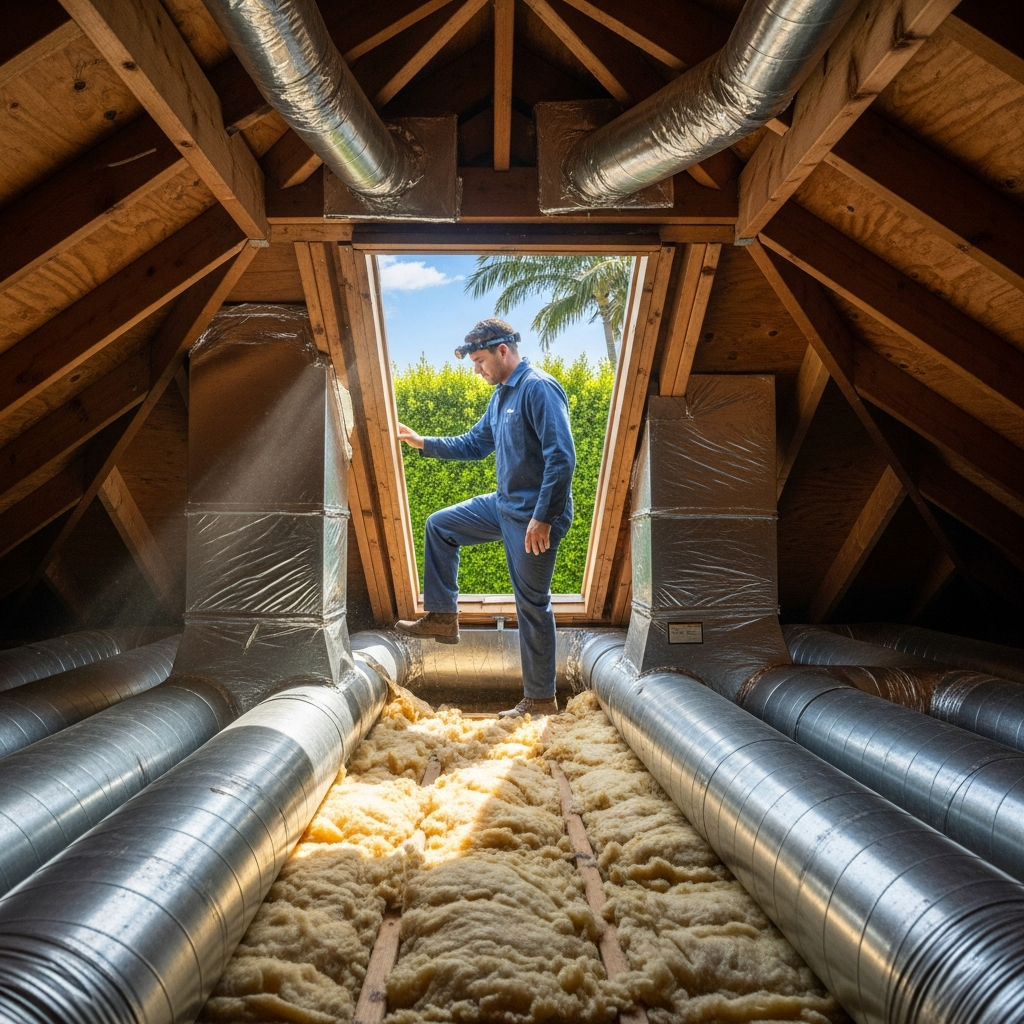
Timing matters in home projects, and nowhere is that truer than in Beverly Hills, where household rhythms revolve around travel, entertaining, and the year’s gentler weather stretches. When it comes to duct replacement, choosing the right season can make the work smoother, the results stronger, and your daily life less disrupted. Over the years, walking job sites from the flats to the hillside view homes, I’ve learned that local microclimates and social calendars shape ideal timelines. The best outcomes happen when we read those cues, plan with precision, and make comfort upgrades feel as effortless as they are transformative.
Spring: the sweet spot for proactive upgrades
Late spring is a favorite window. The marine layer often holds temperatures modest in the mornings, and we can work in attics without the oppressive heat of midsummer. This is when families return from spring travel, look ahead to summer gatherings, and want their homes to feel effortless as guests arrive. Starting in spring gives you time to fine-tune diffuser selection, verify balance, and live with the new airflow before pool parties and backyard dinners set the pace.
Spring also offers a clean slate after winter’s closed-up months. Filters start fresh, returns are dusted, and the first heat spikes become a test run for new ducts. If we discover a register would do better with a different throw or a damper needs a tweak, there’s time to adjust before schedules tighten.
Summer: planning around heat and activity
Summer brings its own logic. If you’re hosting frequently or traveling extensively, we can plan work around your calendar. For occupied homes, crews schedule early morning attic work to avoid peak heat, and we stage zones so parts of the house remain comfortable each afternoon. Replacement in summer reveals the benefits immediately: a double-height family room that used to lag behind the thermostat will now pull down temperature quietly and hold it into the evening.
Smoke days are also more common as the year progresses. New, sealed ducts support cleaner indoor air during haze, especially when paired with smart recirculation strategies. If your property sits near canyon winds, pay special attention to return placement and confirm attic doors and mechanical rooms are tight; that helps defend against infiltration when the air turns dusty.
Fall: the shoulder season for calm refinement
Autumn is a second golden window. The pace eases, crews have steady access to attics without extreme temperatures, and you gain months of cool-weather comfort to enjoy before the holidays. I like fall for fine-tuning zoning and thermostat schedules. As kids settle into school and evenings move indoors, you’ll quickly learn whether a den runs cool or a study needs a touch more supply. Adjustments go fast in this season, and the results carry into winter’s quieter months.
Holiday entertaining is a powerful motivator. Well-timed replacement means your home feels serene when guests arrive—no whoosh of registers, no hot corners near the kitchen, no chill corridors. Diffusers align with lighting plans, grills match finishes, and the mechanical soundtrack fades into the background.
Winter: strategic readiness and measured pace
Winters here are gentler than elsewhere, but the cooler nights and occasional rains influence planning. Replacement proceeds well in this season with mindful scheduling. Attics cool quickly, which is a comfort for crews, and daytime work can be aligned with rooms you’re least likely to occupy. If you host for the holidays, we’ll sequence any disruptive tasks before events. You enter the new year with a system that’s tuned, sealed, and poised to handle the first warm week of spring without drama.
Aligning project flow with Beverly Hills homes
Beyond the weather, the best timing reflects how your home lives. A hillside modern with extensive glazing behaves differently than a classic estate with deep eaves. We account for sun patterns, window orientations, and usage rhythms. If your primary suite soaks up morning light, we’ll prioritize that zone early so you feel the benefit immediately. If a screening room doubles as a kids’ hangout on weekends, we’ll schedule that area for weekdays to minimize disruption.
Mid-project is a key moment anywhere on the calendar. Once ducts are sealed and major runs are in, we measure static pressure and airflow at key registers. Those numbers inform final tweaks—damper positions, diffuser type, or even a subtle shift in register placement—that turn a good result into a great one. It’s also the ideal time to confirm grille aesthetics with your designer so the visual language stays cohesive. Right in the middle of your planned duct replacement window, data and design meet to deliver the quiet comfort you’re expecting.
Preparing your home, whatever the season
A little preparation pays dividends. Clear access to returns and mechanical rooms, protect delicate surfaces near work zones, and coordinate with other trades so soffits, lighting, and AV installations don’t collide with duct paths. If you’re renovating, loop your HVAC team into design reviews early; a clean plan prevents last-minute compromises that ripple into noise or uneven airflow. In occupied homes, we stage protective coverings and daily cleanups so the house feels like itself at dinner even after a busy workday overhead.
Seasonal checklists that keep performance high
Each season comes with a few reliable habits. In spring, change filters after winter’s closed windows and dust. In summer, verify attic access is sealed and returns aren’t blocked by seasonal décor. In fall, revisit thermostat schedules and confirm diffuser positions as family routines shift. In winter, take advantage of cooler attics for a quick inspection of insulation on visible runs. These small rituals keep a new system feeling new.
Frequently Asked Questions
What’s the best time of year to replace ducts in Beverly Hills?
Spring and fall are ideal for comfort and scheduling, but with careful planning any season can work. The right team will stage zones, protect finishes, and time attic work to minimize disruption in hotter months.
Will I have to leave the house during the project?
Not usually. We sequence work so you maintain comfortable zones each day. For households with sensitive schedules, we coordinate access windows around school, work, and entertaining so life proceeds smoothly.
How long does a typical project take?
Project length varies with home size and complexity. Many replacements move briskly with a few focused days for major runs and additional time for balancing, finish alignment, and final verification.
Can I align duct replacement with other renovations?
Absolutely. Early collaboration with designers, lighting, and AV teams prevents conflicts in soffits and chases. Coordinating timelines often speeds both projects and improves outcomes.
How do seasons affect indoor air quality during replacement?
Summer and autumn can bring smoke and dust, so filtration and sealing strategies take center stage. In cooler months, we use the stable conditions to fine-tune balance and confirm that insulation is delivering steady supply temperatures.
If your goal this year is a home that feels as exceptional as it looks, make comfort upgrades part of your seasonal plan. Whether you’re aiming for spring readiness, a calm fall refinement, or a measured winter tune, connect with a Beverly Hills specialist who can orchestrate the details. When you’re ready to take the next step, schedule a consultation for precision duct replacement that honors your architecture and your calendar, and enjoy the quiet confidence of a home that performs beautifully in every season.