
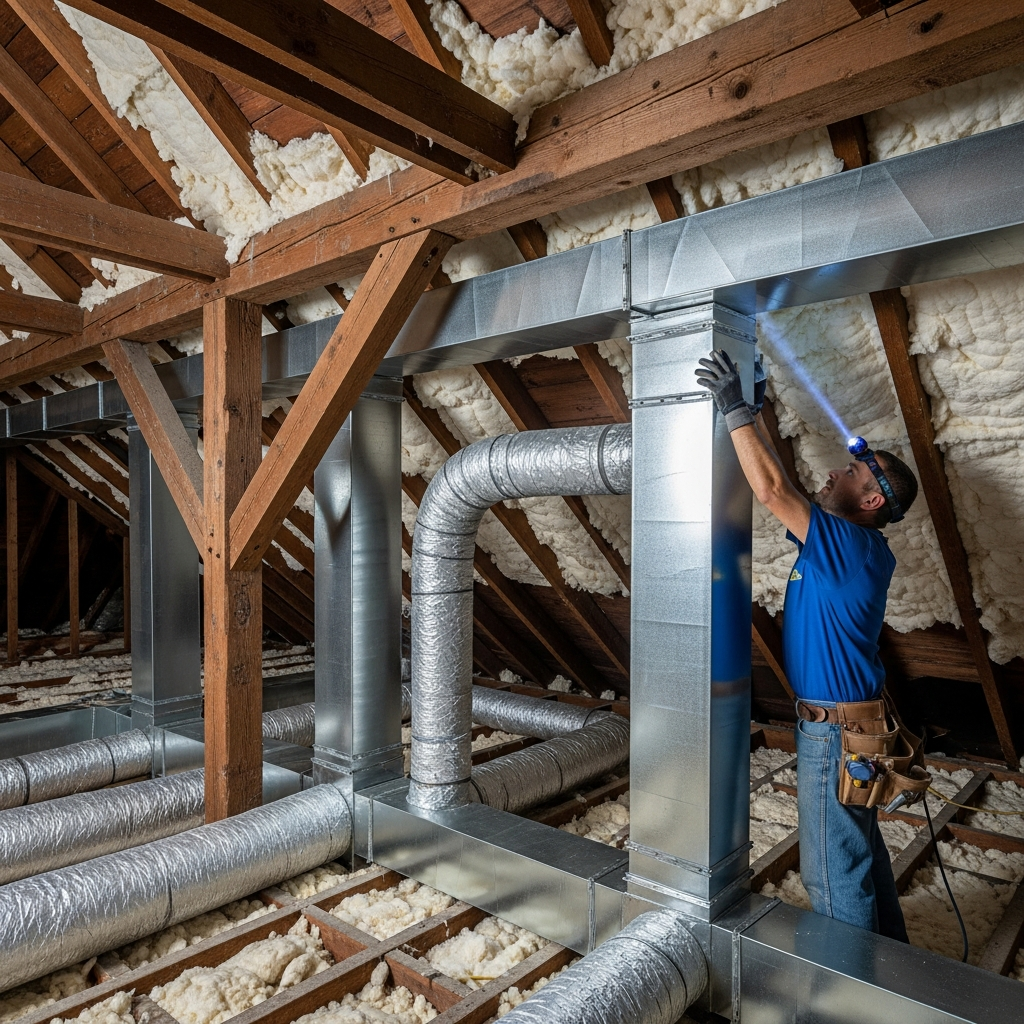
In Beverly Hills, residential duct replacement is as much about preserving the character of a home as it is about modernizing its comfort. When the topic turns to cost, homeowners are really looking to understand what shapes the work—where ducts will travel, how rooms will be balanced, what the effort looks like inside attics or crawlspaces, and how quietly the system can serve bedrooms and family spaces. The question behind the question is simple: how do we ensure this project respects the home, feels comfortable to live through, and delivers performance that lasts? By starting with a careful assessment and a homeowner’s goals, the path to a successful upgrade becomes clear. If you are weighing options right now, the best first step is a walk-through and conversation about duct replacement that ties square footage to actual pathways, materials, and performance benchmarks.
Locals know that Beverly Hills homes come with distinct personalities. A 1930s gem with plaster coved ceilings asks for gentle hands and thoughtful routing around tight framing. A hillside contemporary with expansive glass demands nuanced diffuser placement to offset solar gain without creating drafts. A classic ranch with a broad attic might offer straightforward access but still benefits from smart return placement and solid sealing. These aren’t abstract ideas; they’re the daily realities that make the difference between ordinary results and a home that feels tuned to the way you live.
Designing for Comfort, Not Just Capacity
Comfort starts long before ducts are hung. It begins with load considerations, room-by-room airflow targets, and a layout that brings air to where people sit, sleep, and gather. Sizing does not mean pushing as much air as possible into each room; it means delivering the right amount with the least fuss. Gentle transitions, smooth turn radii, and balanced branching keep airspeeds in a sweet spot so you don’t hear the system working. Bedrooms especially benefit from ultra-quiet paths that reach the diffuser with settled air. In living areas, multiple registers may create a softer, more even mix than a single, forceful supply.
The return strategy deserves equal attention. Classic single central returns can work in simple layouts, but many Beverly Hills homes breathe better with distributed returns that relieve pressure across bedroom wings or separated living zones. When doors close at night, you still want the home to move air calmly. Planning returns early keeps the finished experience hushed and balanced, qualities homeowners often cite as the reason the investment feels worthwhile.
Materials and Methods That Stand the Test of Time
The materials chosen for your ducts become part of the home’s hidden architecture for decades. Rigid sheet metal trunks bring dimensional stability and reliable airflow where runs are long or where precise junctions are needed. Flexible branches, when properly sized and supported, can reduce vibration and elegantly trace shorter paths to diffusers. Internal duct lining or acoustic solutions may be used sparingly to tame sound in critical areas. Insulation protects efficiency and reduces condensation risk where ducts approach roof decks or warmer cavities.
Sealing is where performance becomes visible in testing and invisible in daily life. Strong mastic work at joints and boots, paired with durable tapes rated for temperature and longevity, keeps leakage low. Thoughtful strapping ensures ducts don’t sag, pinch, or vibrate. Access to balancing dampers is preserved so small tweaks can be made after you’ve lived with the system through a few daily cycles. All of these methods don’t just check boxes; they create the comfort you feel when rooms are even and quiet.
Attic, Crawlspace, and Architectural Realities
Every home reveals its own backstage. Attics can be generous or cramped, clear or cluttered with previous remodels and lighting runs. Crawlspaces vary from easy to navigate to snug. In a Beverly Hills context, where finishes and furnishings are often immaculate, access and protection are planned with care. Crews prepare containment, floor protection, and pathways to move materials safely. Openings for new routes are cut deliberately and repaired cleanly. The professionalism here is not cosmetic; it’s foundational to keeping your household calm and your schedule intact while the work progresses.
Architectural features play a leading role. Soffits, beams, bay windows, and decorative ceilings shape where ducts can travel and how many transitions are needed. Longer, smoother runs preserve quiet; short, crimped paths do not. Where the structure challenges a route, design thinking proposes alternatives that protect both performance and aesthetics. This is where local experience pays off because older homes often hide surprises that require quick, measured decisions.
Permitting, Energy Standards, and Verification
Good process shows up twice: once in how the work is performed and again in how it is documented. Local enforcement of state energy standards influences insulation levels, leakage limits, and verification testing. These are not afterthoughts; they are integrated into the design so that inspections validate what was intended. Airflow checks, duct leakage testing, and a final walkthrough confirm that the installation meets both code and comfort goals. Documentation explains materials used and access points for future maintenance, making life easier for homeowners long after the project wraps.
Verification’s real gift is peace of mind. Numbers on a test sheet become the proof that your home now breathes the way it was designed to, with minimal leakage and steady delivery to each room. That data underwrites the quiet and even comfort you feel. It’s how craftsmanship, code, and comfort meet.
Project Sequencing and Daily Life
Living through a duct replacement does not have to be daunting. A well-sequenced plan groups spaces, isolates dust, and keeps evenings livable. Bedrooms might be taken as a set so that sleep spaces return to order quickly. Common areas receive extra protection and are often scheduled with family routines in mind. In homes with multiple stories, routing can be organized by level so that daily patterns are disrupted as little as possible. The rhythm of the project—morning briefings, end-of-day cleanups, and clear communication about next steps—keeps the household informed and comfortable.
For hillside properties, staging materials and protecting access paths are central. The physicality of moving duct sections and equipment respectfully through a refined home is an art in itself. When crews practice that art, homeowners feel cared for and the project progresses without drama.
Mid-Project Discoveries and Smart Adjustments
Open a ceiling, and the home tells you a story. An unexpected beam, an abandoned chase, or a framing quirk may change the picture. The goal is not to avoid every surprise—that’s impossible—but to respond with poise. Smart adjustments might mean a refined elbow to ease a turn, relocating a return to better serve a wing of bedrooms, or adding backing where a hanger deserves more support. These are the decisions that preserve quiet, balance air, and respect finishes. When documented and discussed, they not only protect the schedule but often improve the final feel of the system.
Homeowners who stay involved through brief, focused updates feel empowered. They understand why a run shifted or a grille was selected, and they see those choices reflected in the final performance. It becomes a shared project rather than a mysterious one, and that shared ownership shows in the quality of the result with duct replacement.
Comfort, Aesthetics, and Lifestyle
Your home is more than walls and rooflines; it’s a collection of experiences. Quiet mornings in a sunny kitchen, movie nights in the family room, restful sleep behind a closed bedroom door—these are the scenes ductwork should support. Diffuser selection, register placement, and airspeed management create the background for those moments. If a home office needs extra calm during calls, or a nursery needs a particularly gentle delivery, those needs become design drivers. The most satisfying projects reveal themselves in these daily rituals when the air simply feels right.
In design-forward homes, grilles can be selected to complement the interior palette. Discreet linear options or crafted patterns can recede or contribute subtly to the aesthetic. Choices made here support the lived experience as much as any furniture selection. They are finishing touches for the air.
Frequently Asked Questions
How do I know if my home needs new ducts?
Common signs include uneven temperatures, persistent dust around registers, audible whistling or rattling, or difficulty maintaining comfort even after equipment is serviced. Visual inspection can reveal crushed sections, failed insulation, or compromised sealing. A professional assessment ties those observations to a plan that addresses root causes rather than symptoms.
Can I keep my current register locations?
Often, but placement is reviewed alongside performance goals. If a room has a history of drafts or noise, rethinking register type or location can transform comfort. Bedrooms, for example, benefit from quiet delivery and careful diffuser selection. Final decisions follow testing and layout review.
Will new ducts improve indoor air quality?
Yes, when sealing is robust and returns are properly designed, ducts help control dust and pressure differences that move air between rooms. Pairing the layout with appropriately rated filtration supports better indoor air quality. Clean, sealed pathways reduce the chance of pulling attic or crawlspace air into living areas.
How disruptive will the work be?
With careful sequencing and clear communication, disruption can be kept to a minimum. Bedrooms and key living areas are scheduled thoughtfully, daily cleanup returns spaces to livable order, and protection keeps finishes safe. Many homeowners are pleasantly surprised by how organized the process can feel.
What kind of testing should I expect?
Expect duct leakage verification, airflow confirmation, and a walkthrough to discuss comfort in representative rooms. The aim is to prove that the design intent translated into installed performance. Documentation also points out access for future balancing and maintenance, giving you a long-term plan for care.
How do returns influence comfort and noise?
Returns relieve pressure and complete the air pathway. When distributed thoughtfully—especially in homes with bedroom wings—they reduce door whistling and even out temperatures. Good return design is a hallmark of quiet, calm systems that feel natural rather than forceful.
Take the Next Step Toward Everyday Comfort
If your Beverly Hills home is ready for a quieter, more balanced system, start with a conversation and a clear-eyed evaluation of your pathways, access points, and goals. From there, a tailored plan brings the work to life with minimal disruption and visible care for your home. To learn what’s possible and map out a design that serves your lifestyle, explore expert duct replacement options and schedule a thoughtful in-home assessment.