
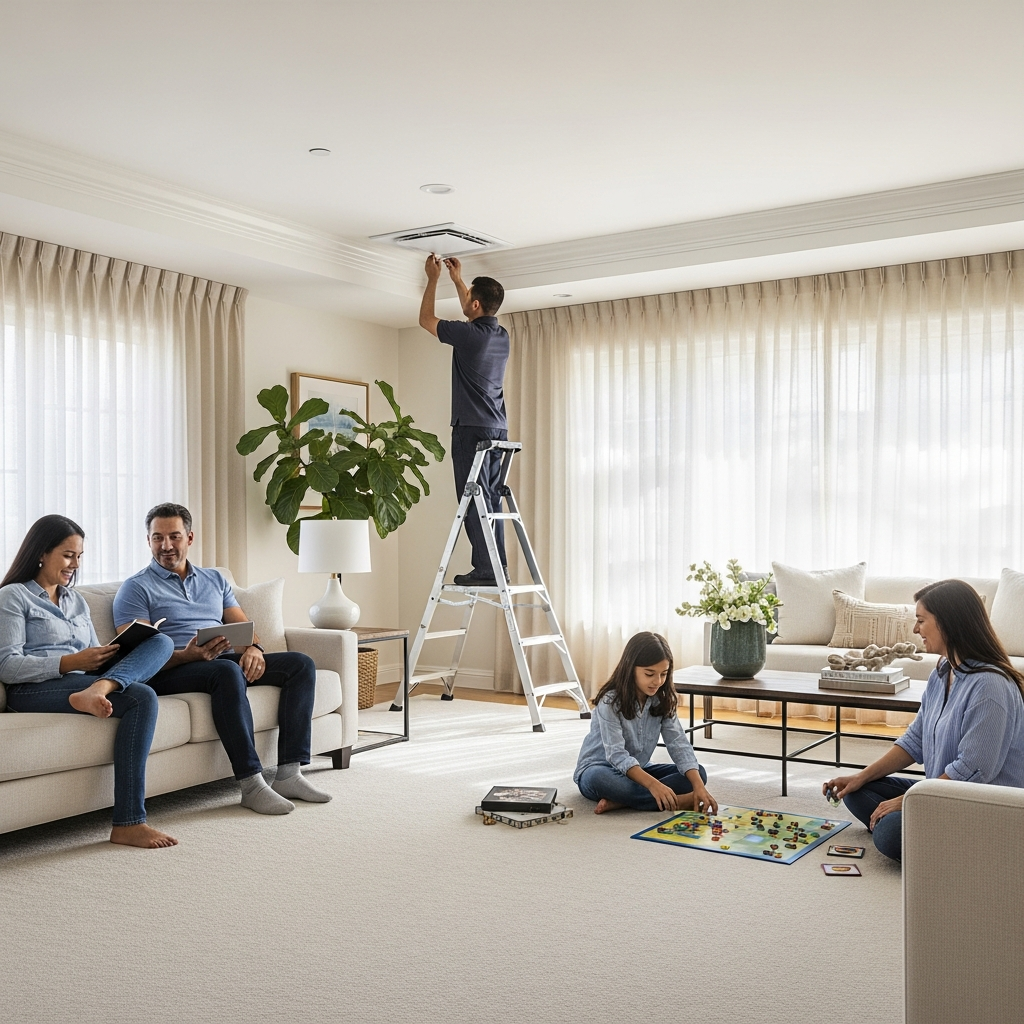
In Beverly Hills, residential duct replacement is about more than swapping old ducts for new ones. It is a chance to reshape comfort, refresh indoor air quality, and adapt the home’s breath to the way your family actually lives. When people ask about cost, I invite them to think in terms of outcomes—quiet bedrooms, a kitchen that stays pleasant while cooking, a nursery with clean, steady air—because those are the benefits you feel every day. For homeowners beginning to explore duct replacement, it helps to understand the layers that influence scope and to see how a strong plan converts technical details into lived comfort.
The first layer is assessment. We start with a walkthrough, listening to how you use each space while noting the current duct layout, grille placement, and signs of wear. Uneven temperatures, whistling registers, dust streaks at grilles, and rooms that lag or overshoot are valuable clues. We photograph conditions, measure available pathways in attics or crawlspaces, and map which rooms should receive more or less air. This is also when we identify opportunities for returns that can stabilize pressures and keep the system quiet.
Next comes design, where calculations meet the reality of architecture. A room with high ceilings may need larger, softer supplies to prevent drafts, while a compact study might benefit from a diffuser with a gentle throw to avoid fluttering papers. We balance sound and flow, selecting fittings that create smooth transitions and choosing boot types that avoid tonal artifacts. Duct sizes are tuned for the desired velocities, and return paths are placed to protect quiet spaces like bedrooms while ensuring kitchens and baths stay fresh.
Materials and methods matter. Rigid ducts with high-quality lining or insulation hold their shape and provide smooth interiors for steady airflow. Where flexible duct is appropriate, we use it with care—runs are straight, stretched to reduce resistance, and supported so they never sag. Every seam is sealed to keep air where it belongs. Insulation is continuous and intact to maintain supply temperatures from the air handler to the room. These fundamentals are the difference between a system that feels effortless and one that never quite settles.
Families often ask about disruption. We plan with daily life in mind—school schedules, remote work, naps, and pets. Before demolition, we protect floors and furniture, bag grilles to prevent debris from entering living spaces, and establish clear pathways. Dust control and daily cleanup keep the home orderly. If a brief interruption of conditioning is expected during a cutover, we coordinate so that sensitive rooms remain comfortable, and we sequence work to avoid unnecessary downtime.
In Beverly Hills, architectural variety means solutions are never one-size-fits-all. Spanish Revival homes may hide vertical paths within thick walls, perfect for discrete returns. Mid-century residences often require low-profile ducts that slip into shallow spaces above ceilings. Contemporary houses lean on flush grilles and linear slots that demand precise transitions. Each style asks the duct network to be both invisible and effective, a design exercise that rewards attention to detail.
Indoor air quality is a major reason homeowners pursue upgrades. When ducts are tight and balanced, the air you filter is the air you receive. That shows up as cleaner surfaces, fewer lingering odors, and a fresher feel throughout. During seasonal smoke or high-pollen periods, a sealed, well-insulated network prevents infiltration that can otherwise compromise comfort. For sensitive occupants, we can pair distribution improvements with appropriate filtration strategies for a tangible difference in daily life.
Acoustics deserve focus, especially in bedrooms, nurseries, and home offices. We size for lower velocities in quiet zones, use fittings that curb turbulence, and select diffusers that deliver presence without edge. In media rooms, we add attenuation where needed to protect sound quality. The aim is a home that breathes softly, supporting rest and concentration.
Serviceability is part of responsible design. We think ahead to future maintenance, providing access where it makes sense, labeling concealed junctions, and choosing locations for dampers that a technician can reach without disturbing finishes. Over time, this foresight protects your investment and reduces disruption during routine care.
Midway through planning, many homeowners refine their goals. Perhaps a guest room needs more independent control, or a family room would benefit from a relocated register. This is the ideal stage to consider zoning or small layout shifts. If your interest in duct replacement includes correcting longstanding comfort quirks, design is where those fixes take root and flourish.
After installation, testing and balancing transform a careful plan into tangible comfort. We measure airflow at each register, check static pressure at the air handler, and adjust dampers to match the design. We listen for tonal noises, rotate registers a few degrees if needed, and verify that rooms settle into the even, quiet conditions you expect. The final product is more than new ducts; it is a tuned system that behaves predictably across seasons and household activity.
Documentation completes the journey. You receive airflow readings, photos of concealed work, and as-built diagrams that show how the network moves through the home. These records are helpful for future maintenance and valuable if a remodel ever touches the same spaces. They also give you confidence that performance matches the goals we set together.
Local knowledge enriches each decision. Canyon breezes can cool one wing while another basks in afternoon sun. Tree cover changes thermal loads room by room. Architectural covenants or historic details influence diffuser placement and access strategies. A team grounded in Beverly Hills practice brings these subtleties into the plan so the system feels attuned to your property rather than merely installed within it.
Home protection is a daily practice, not a promise on paper. Surface coverings stay in place until finish work is complete. Registers are sealed during demolition and opened only after cleaning. In attics and crawlspaces, hangers and supports are installed with an eye toward long-term stability, and insulation is restored with care. The result is an experience that feels orderly and respectful from start to finish.
For families planning around school calendars, holidays, or travel, scheduling can be tailored. We outline phases—assessment, preparation, demolition, installation, testing—and align them with your availability. If other work is happening, we coordinate with general contractors and designers to sequence efforts smoothly, protecting finishes and minimizing rework.
One of the most satisfying outcomes of a residential duct replacement is the way comfort becomes consistent. Spaces that once felt stubbornly cool or warm fall into line with the rest of the home. Doors close without pressure pull, and registers whisper rather than hiss. The change is felt in early mornings and late evenings, in the calm before guests arrive and the quiet after they leave. It is the difference between getting used to a house and having a house that adapts to you.
When children or elderly family members are present, the benefits expand. Even temperatures and cleaner air support rest and health, while quieter operation reduces background noise. For pets, improved distribution can make favorite napping spots more comfortable and limit dust that collects along baseboards and on window seats. These everyday comforts are the real returns on a thoughtful project.
Ultimately, the question behind “cost” is whether the home will feel the way you want it to feel. A design-first approach, careful installation, and thorough testing combine to produce that feeling reliably. In Beverly Hills, where the beauty of a home is both seen and sensed, these foundations matter. With the right partner, the process is clear, respectful, and geared toward the quiet satisfaction of opening a door and stepping into air that simply feels right.
Frequently Asked Questions
Q: How do I know if my ducts need replacement?
A: Look for widespread leakage, failing insulation, crushed runs, or rooms that never stabilize despite thermostat changes. A professional assessment with measurements will clarify whether targeted repairs or a comprehensive upgrade is the better path.
Q: Will new ducts make the house quieter?
A: Yes, when designed and installed thoughtfully. Lower velocities in quiet zones, smooth fittings, and proper diffuser selection reduce turbulence and tonal noise, resulting in softer airflow.
Q: Can we stay in the home during the project?
A: In most cases, yes. Protective measures, clear daily schedules, and cleanup keep life manageable. Sensitive phases can be planned when key rooms are not in use.
Q: What should I expect at the end of the job?
A: A tuned system supported by airflow and pressure readings, photos of concealed work, and as-built notes. You should feel even temperatures, cleaner air, and quieter operation throughout the home.
Q: Are there options for fresh air integration?
A: Yes. Balanced strategies with appropriate filtration can be included so outside air enters quietly and cleanly, supporting wellness year-round.
Q: How does design affect day-to-day comfort?
A: Good design sets velocities, diffuser types, and return locations that match how you use the home, preventing drafts, reducing noise, and keeping rooms aligned in temperature.
Let’s Plan Your Home’s Next Chapter
If you are ready to bring quiet, even comfort to every room, we can help you chart a clear path. Start a conversation about duct replacement that respects your routines, protects your finishes, and delivers air that simply feels right. Reach out today to schedule a warm, no-pressure consultation tailored to your home.