
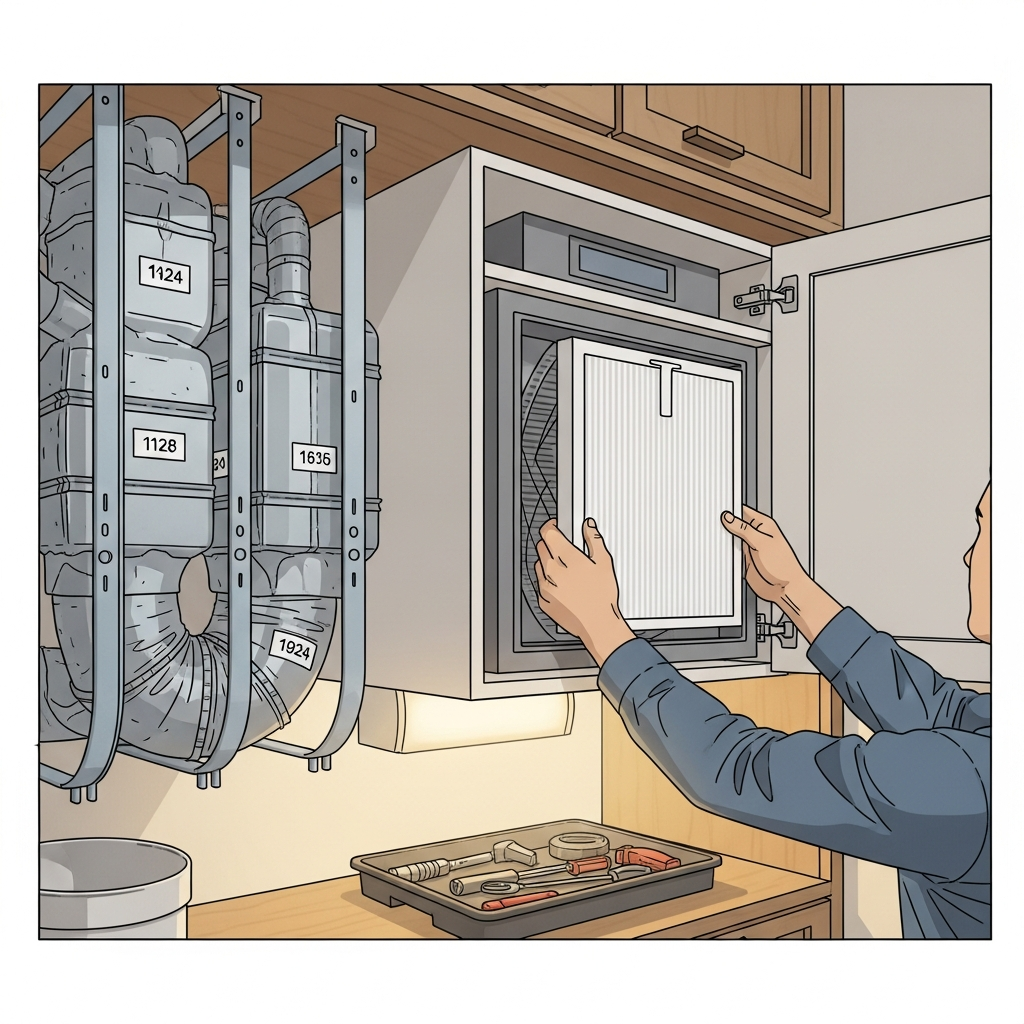
After the work trucks leave and the last grille is secured, a newly replaced duct system begins its quiet service, shaping comfort day in and day out. In Beverly Hills, where homes range from secluded canyons to sun-washed flats, that calm depends on simple, well-timed habits that keep air pathways clean, balanced, and ready for seasonal shifts. The goal is not a chore list; it is a small set of rituals that preserve the crisp, even comfort you noticed the first week after the upgrade. With attention to filters, access pathways, and periodic checkups, you can help your investment perform beautifully for years, and know when it is time to call a professional for a tune.
Think of your home’s air distribution like a finely tuned instrument. The design and installation set the stage, but gentle, regular care keeps the music right. In our climate, mild winters and warm summers ask ducts to move air smoothly with minimal noise and efficient mixing. Keeping that promise is straightforward when you understand what matters and why.
Filters: the frontline of system health
Clean filters are the simplest, most powerful maintenance step. When a filter loads up, airflow drops and the system works harder, which can unbalance carefully set dampers. In a well-sealed duct network, filters do their job more effectively because all return air passes through them rather than sneaking in around gaps. Choose a filter that matches your system’s cabinet and target filtration level, then replace it on a schedule that reflects how you live. Homes with pets, frequent entertaining, or nearby construction may need more frequent changes. The payoff is easy to feel: steadier temperatures, quieter operation, and less dust settling on furniture.
Protecting ducts in attics and crawlspaces
Many Beverly Hills homes route ducts through attics or under floors. After replacement, those pathways should remain clear and protected. Avoid placing storage on or against ducts; the pressure can flatten round sections into ovals that restrict flow. When workers access those spaces for other trades, a quick reminder to mind the ductwork prevents accidental compressions or tears. Periodic visual checks help confirm insulation remains intact and supports hold ducts at their intended shape and height.
Preserving balance across rooms
One of the pleasures of a freshly balanced system is even comfort from room to room. Over time, changes in furnishings, window treatments, or how you use rooms can alter how air moves. If a new bookcase blocks a return path or a thick rug muffles a floor register, airflow may shift. Once or twice a year, take a slow tour of your home with airflow in mind. Make sure returns have clear breathing space and supply diffusers are not trapped behind drapery. These small adjustments keep the original tuning intact.
Smart thermostats and gentle schedules
Variable-speed equipment and thoughtfully designed ducts shine when they run steadily rather than in abrupt bursts. A smart thermostat can help by using gentle setbacks and learning your patterns. Avoid aggressive temperature swings that ask the system to sprint. Instead, allow gradual adjustments that feel natural. The result is comfort that seems to hum in the background, with fans rarely needing to raise their voice.
Preparing for wildfire season
While Beverly Hills often enjoys clear skies, our region sees periods of smoke. During those times, your duct system becomes a shield. Keep fresh-air intakes closed if your home uses them and confirm that your filter is fresh. Some homeowners choose to run the fan to keep air passing through the filter more often. The key is to ensure the system is drawing only from sealed returns so particulates are captured rather than bypassing the filter. After a smoky period, a quick filter check can confirm whether an earlier-than-usual replacement is wise.
Listening for changes
Healthy ducts have a signature sound: a low, even hush. If you begin to hear whistling at a particular grille, a rattle at startup, or a new rush of air in one room, it is a cue to investigate. Sometimes the cause is simple, like a shifted register or a rug changing airflow. Other times it hints at a slipped damper or a support that needs tightening. Addressing small changes early prevents drift from the careful balance set during commissioning.
Seasonal checkups and what they include
A periodic professional visit keeps the system tuned. Technicians verify static pressure, confirm key register airflows, and ensure dampers hold their settings. They look for insulation gaps in attics or crawlspaces and tighten any hangers that have relaxed. Where filter cabinets allow, they may recommend an upgraded media for families sensitive to pollen or dust. These visits are not a reset so much as a reassurance that performance continues to match design.
Why you should not close registers
It is tempting to close vents in rooms you use less, but doing so changes system pressure and can create noise or unbalance other rooms. Your duct network was designed and commissioned to distribute a specific volume of air. Closing off supplies alters that math and can shift more air through other paths than intended. If your use of space has changed significantly, a brief checkup and minor rebalancing can tailor delivery without the side effects of closed registers.
Protecting returns and keeping them clean
Return grilles are the lungs of your system. Keep them free of obstructions and clean the grilles themselves with a soft brush or vacuum. If you notice dust streaks around a return, it may indicate the filter is overdue or that air is bypassing at the cabinet. Addressing it keeps air quality crisp and protects equipment from unnecessary load.
Safeguarding against pests and small intrusions
In attics and crawlspaces, small intrusions can become big annoyances. Make a habit of glancing at access points after service visits to be sure everything is closed and sealed. If you hear scratching or smell something unusual near a duct run, a quick call for an inspection prevents minor issues from growing. Sealed systems are resilient, but vigilance is the friend of longevity.
When to call a professional
Trust your senses. If a previously quiet room grows noisy, if comfort drifts despite normal settings, or if your home starts accumulating dust faster than usual, reach out. Professionals can measure static pressure and delivered airflow to pinpoint whether a damper needs a touch, a support has shifted, or a filter upgrade would help. Because your system was commissioned at installation, technicians have a performance baseline to reference, making diagnosis efficient and accurate.
Midyear habits that pay off
Twice a year, pair a simple home ritual with your duct system check. As you change clocks or swap seasonal wardrobe pieces, check filters, walk the house to confirm returns and supplies are unobstructed, and peek into accessible attic or crawlspace areas for anything amiss. These five-minute habits keep you ahead of small shifts that can slowly chip away at comfort.
Protecting finishes during access
In Beverly Hills, finishes matter. When professionals return for maintenance, request the same respect for interiors you saw during installation: floor protection, careful ladder placement, and tidy work. Maintenance should feel invisible when it is over, leaving only a home that breathes comfortably.
Documenting your system
Keep a simple record of filter changes, checkups, and any adjustments to dampers. A photo of damper positions near the air handler can be invaluable if something is bumped during unrelated work. When everyone shares a quick visual map of the system, future maintenance remains aligned with the original balance.
Living with confidence through the seasons
Our climate invites windows-open mornings and cooled afternoons. Your duct system thrives when it bridges those modes gracefully. Let the system maintain gentle continuity during warm spells, and do not be surprised if it seems to whisper most of the time. That is the sign of ducts that face little resistance and a fan that is free to idle at low speeds, keeping conditions even with minimal noise.
Frequently asked questions
How often should I change my filter? It depends on use and environment, but a quick monthly glance is wise. Replace the filter when it looks loaded, and expect more frequent changes during high pollen or smoke periods or in busy households.
Is it normal for airflow to feel different in winter and summer? Slight differences can occur as equipment stages and outdoor conditions change, but major shifts suggest dampers or registers need adjustment. A brief checkup can restore the original balance.
Can I upgrade filtration later? Yes. If your duct replacement included a filter cabinet with room for higher-performance media, upgrading is straightforward. The sealed returns make those upgrades more effective because all air passes through the filter.
Should I run the fan continuously? In some homes, low-speed continuous fan operation improves mixing and filtration. If you try it, monitor comfort and dust levels. Your system’s low static design will determine how seamless this feels.
What maintenance should I avoid doing myself? Anything that involves opening sealed duct connections, cutting insulation, or altering damper positions without measurements. Leave those to professionals who can verify results with data.
Why is a new whistling sound coming from a register? Check for furnishings or drapery that may have shifted. If the sound persists, a quick service visit can test pressure and confirm whether a small adjustment to the register or duct fitting will help.
Keep your system quietly extraordinary
Maintenance after duct replacement is about preserving the ease you already feel. With a few steady habits and timely professional support, your home will remain consistently comfortable, quietly clean, and ready for whatever the season brings. If you would like a personalized plan or a seasonal check, reach out to a local team that knows our homes and climate. When you are ready, explore how thoughtful duct replacement paired with simple maintenance can keep comfort effortless year-round.